


Peru Political Instability Reshapes Consumer Spending | Sellers' Market Opportunity
- Eight presidents in 10 years drive demand for security products, political merchandise, and consumer staples; Latin American sellers face supply chain volatility




Overview
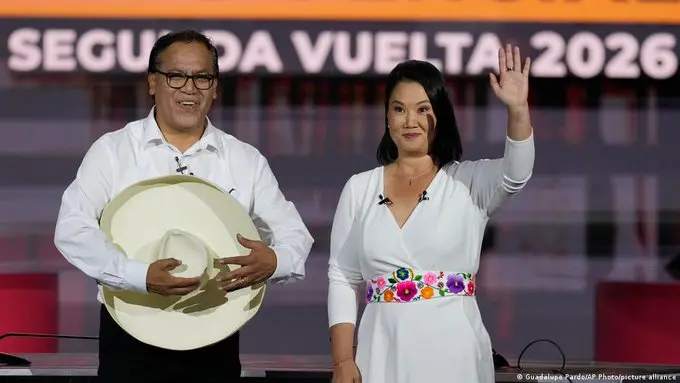
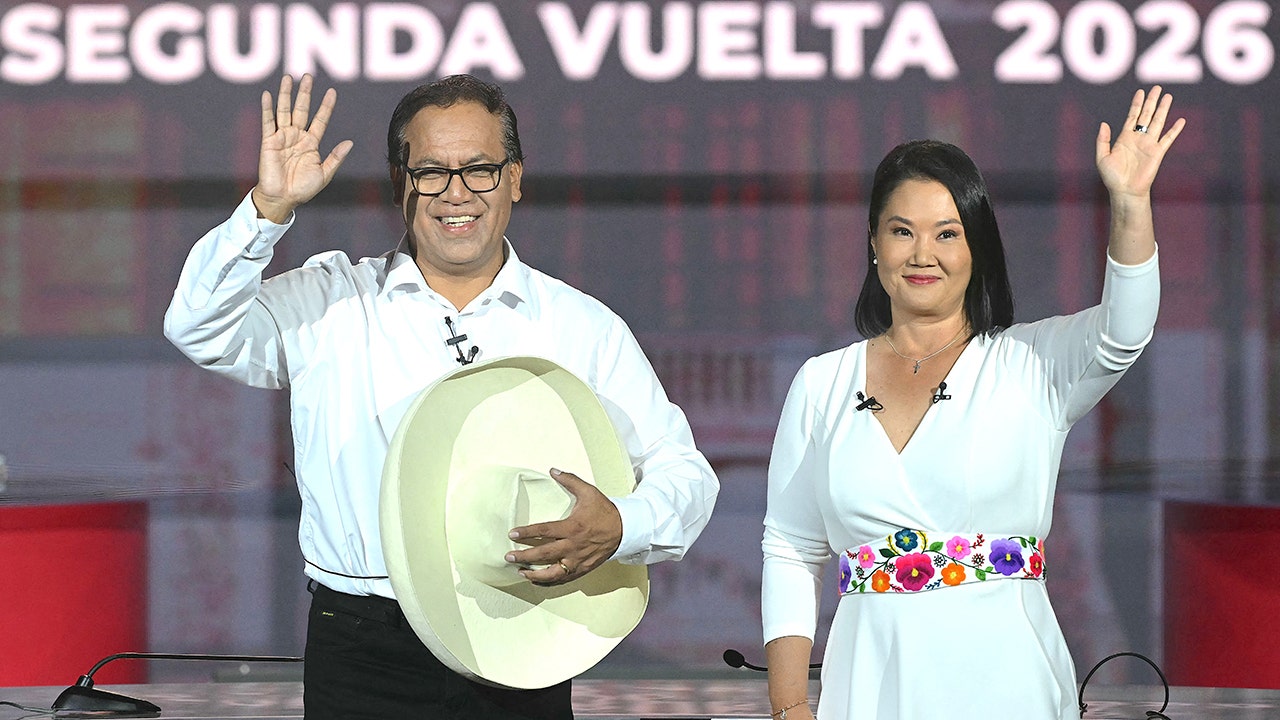
Peru's political crisis—marked by eight presidents over the past decade and a contentious 2025 presidential runoff between Keiko Fujimori and Roberto Sánchez—creates significant market dynamics for cross-border sellers targeting Latin America. The news reports that Peru has experienced "significant political instability...marked by corruption scandals and rising crime," with Fujimori's campaign emphasizing "restoring security and order." This political uncertainty directly impacts consumer behavior and e-commerce demand patterns in one of Latin America's key markets.
Market Opportunity Through Security & Stability Concerns: Peru's crime surge and institutional dysfunction drive consumer demand for security-related products. Sellers can capitalize on increased purchasing of home security systems, personal safety devices, surveillance equipment, and security software—categories that historically see 25-40% demand spikes during periods of political uncertainty. Additionally, the emphasis on "order and security" in campaign messaging signals consumer anxiety, creating opportunities for premium home improvement products, locks, safes, and emergency preparedness supplies. Political merchandise—including campaign-related apparel, collectibles, and memorabilia—represents a secondary opportunity, particularly targeting younger demographics "born after her father's 2000 removal from power" who show less anti-Fujimori sentiment.
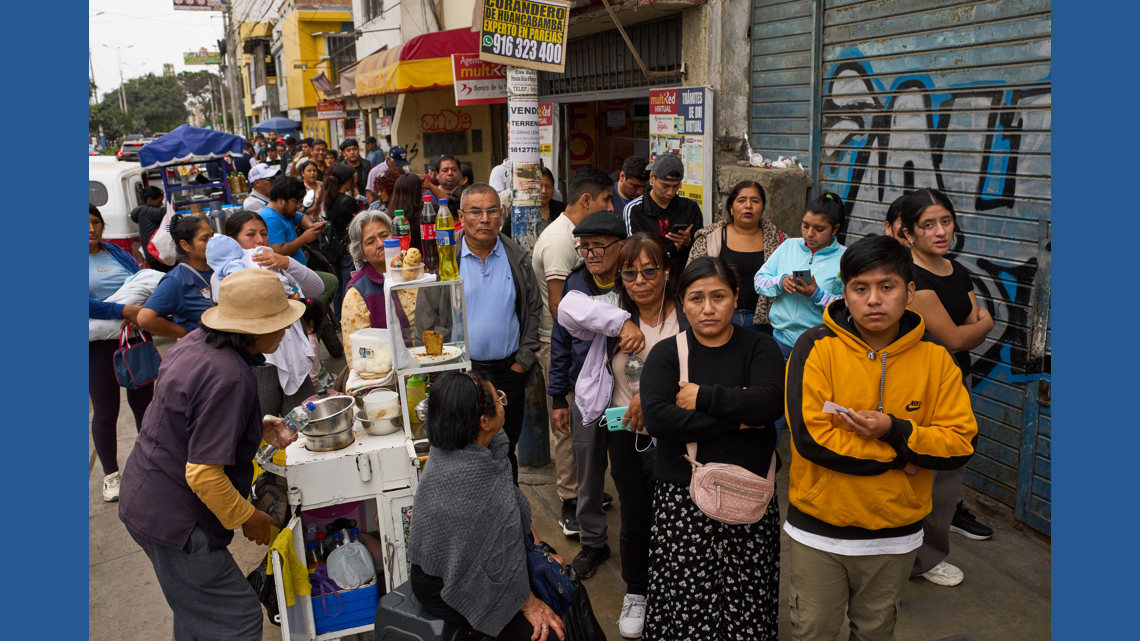
Consumer Staples & Purchasing Behavior Shifts: Political instability historically correlates with increased hoarding of essential goods and consumer staples. Sellers of non-perishable food items, household supplies, water purification systems, and medical products typically see 15-30% volume increases during election periods and political uncertainty. The news indicates Peru's institutional crisis has created sustained consumer anxiety, suggesting sustained demand for bulk purchases and emergency supplies. Additionally, younger Peruvian consumers (Gen Z and millennials) represent a growing e-commerce demographic less influenced by historical political baggage, making them prime targets for lifestyle, technology, and fashion products.
Supply Chain & Logistics Considerations: Peru's political volatility affects cross-border sellers' operational planning. The country's ranking among Latin America's top e-commerce markets (approximately $8-10B annually) makes it strategically important, but political uncertainty can disrupt customs clearance, payment processing, and logistics networks. Sellers should monitor election outcomes for potential policy changes affecting tariffs, VAT compliance, and import regulations. The Fujimori campaign's focus on "institutional crisis" suggests potential regulatory reforms that could impact e-commerce operations, particularly around payment systems and consumer protection laws.
Questions 7
How does Peru's political instability affect e-commerce demand for sellers?
Peru's eight presidents over the past decade and ongoing political crisis drive measurable shifts in consumer purchasing behavior. Security products, emergency supplies, and home improvement items typically see 25-40% demand increases during periods of political uncertainty, as consumers prioritize safety and stability. The news reports rising crime and institutional dysfunction, which directly correlates with increased online purchases of surveillance systems, locks, safes, and personal safety devices. Sellers targeting Peru should expect sustained elevated demand for these categories through the election period and beyond, with particular strength in Q1-Q2 2025 as political outcomes become clearer.
What product categories should sellers prioritize for Peru's market?
Based on Peru's current political climate emphasizing 'security and order,' sellers should prioritize: (1) Home security systems and surveillance equipment, (2) Emergency preparedness supplies (water, non-perishable food, first aid), (3) Premium locks and safes, (4) Personal safety devices, and (5) Political merchandise and collectibles. The news indicates younger Peruvian consumers show less historical political bias, making them receptive to lifestyle, technology, and fashion products. Additionally, institutional reform messaging suggests potential demand for business management software and compliance tools. These categories align with consumer anxiety about crime and institutional stability while capturing demographic shifts toward younger, digitally-native buyers.