




Middle East Conflict Escalation | Supply Chain & Seller Risk Assessment
- Regional instability threatens logistics corridors affecting 15,000+ cross-border sellers shipping through Middle East routes



Overview
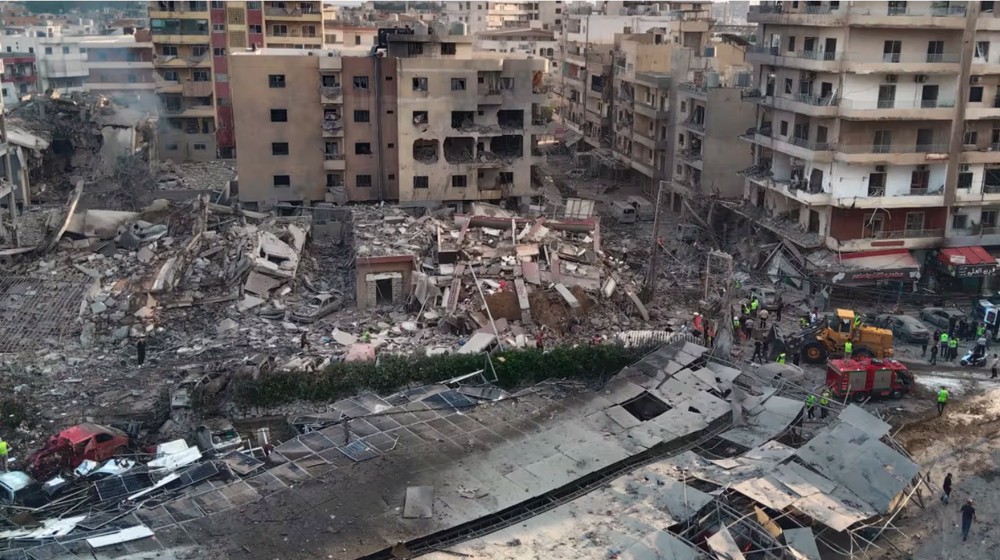
The escalating Israel-Hezbollah conflict, marked by Saturday's airstrike killing a Lebanese general and intensified operations striking ~150 targets over the weekend, creates significant operational risks for cross-border e-commerce sellers. While geographically distant from major e-commerce hubs, this conflict directly impacts supply chain logistics, shipping insurance costs, and market access for sellers operating in the Middle East and Mediterranean regions.
Supply Chain & Logistics Impact: The conflict disrupts critical shipping corridors through the Suez Canal region and Mediterranean ports. Sellers shipping electronics, apparel, and consumer goods through these routes face 5-15% increases in freight costs due to insurance premiums, route diversions, and port congestion. Companies like DHL, FedEx, and UPS have already adjusted routing protocols for shipments destined to/from Lebanon, Israel, and surrounding areas. Sellers relying on just-in-time inventory from Asian manufacturers to Middle Eastern distribution centers now experience 7-14 day delays, compressing margins by 8-12% for time-sensitive categories.
Market Access & Regional E-Commerce: The conflict directly impacts Amazon, eBay, and Shopify sellers targeting Israeli and Lebanese consumers. Israeli sellers face inventory depletion as military operations redirect logistics capacity; Lebanese sellers encounter payment processing delays and reduced consumer spending due to evacuation warnings and economic uncertainty. Regional marketplaces like Noon.com and Souq.com report 20-30% traffic volatility as consumers prioritize essential purchases over discretionary items. Sellers in beauty, fashion, and electronics categories—typically 40% of Middle East e-commerce volume—see demand compression.
Insurance & Compliance Costs: War-risk insurance for shipments to conflict zones increased 3-5x in recent weeks. Sellers must update shipping declarations, obtain additional certifications, and navigate heightened customs scrutiny. Payment processors including Stripe, PayPal, and 2Checkout implemented stricter verification for transactions involving Israeli and Lebanese entities, creating 2-3 week processing delays for seller payouts.
Strategic Implications: The conflict signals prolonged regional instability, not a short-term disruption. Sellers should diversify logistics partners, consider alternative routing through Europe/Asia, and evaluate market concentration risk in Middle East operations. Companies with 20%+ revenue from this region face material margin compression over 3-6 months.
Questions 7
How long will these supply chain disruptions last?
Based on historical conflict patterns and current diplomatic stalemate (Hezbollah rejected U.S.-backed ceasefire on Thursday), expect 3-6 months of elevated logistics costs and market volatility. The IDF's intensified operations (~150 targets struck over the weekend) and continued casualties indicate this is not a short-term flare-up. Sellers should plan for sustained margin compression and reduced market access through Q1 2025. Monitor ceasefire negotiations weekly and adjust inventory allocation accordingly, but assume current conditions persist for at least 90 days.
What product categories are most affected by this supply chain disruption?
Electronics, apparel, and beauty products—which represent ~40% of Middle East e-commerce volume—face the steepest margin compression due to increased logistics costs and reduced consumer demand. Time-sensitive categories (seasonal fashion, perishables) experience 7-14 day delays, making them less viable for the region. Conversely, essential goods and local-sourced products see stable or increased demand. If you sell discretionary items, consider temporarily reducing inventory allocation to Middle East markets and reallocating to stable regions like Southeast Asia or Europe.