


Kosovo Political Crisis Impacts Balkan E-Commerce Market | EU Integration Delays Risk Regional Seller Growth
- Political deadlock threatens Kosovo's EU/NATO accession, delaying €2B+ international funding critical for e-commerce infrastructure development in Europe's youngest market










Overview
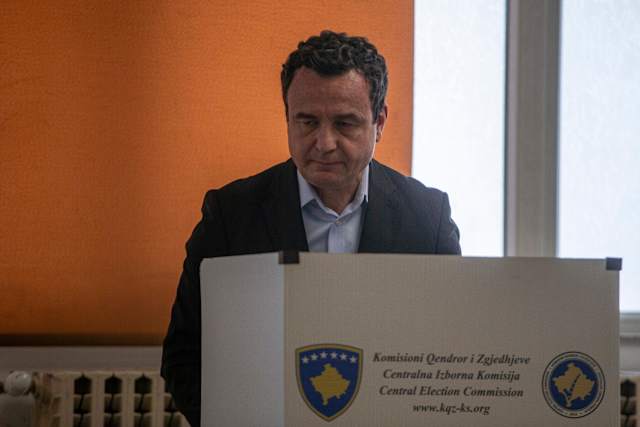
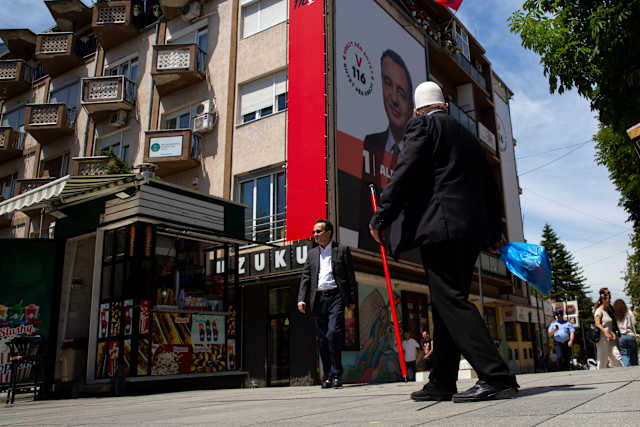
Kosovo's third parliamentary election in 18 months reflects a deepening political crisis that carries significant implications for cross-border e-commerce sellers targeting the Balkan region. The institutional vacuum created by the failure to elect a president—requiring 80 of 120 assembly votes—has delayed Kosovo's access to EU and international funding critical for economic development. As one of Europe's youngest and poorest nations, Kosovo's economic stagnation directly impacts consumer purchasing power and logistics infrastructure development essential for e-commerce operations.
Market Context and Seller Impact: Kosovo's prolonged governmental instability has compounded damage from global energy crises and rising fuel prices, weakening an already fragile economy. The delayed EU integration process means postponed access to €2B+ in international development funding that would typically modernize payment systems, logistics networks, and digital infrastructure—all foundational for cross-border commerce. Sellers targeting Southeast European markets face increased operational costs and reduced consumer demand in Kosovo, which serves as a gateway to the broader Balkan region. The political deadlock also delays harmonization with EU e-commerce regulations, creating compliance uncertainty for sellers operating across EU and non-EU Balkan states.
Regional Supply Chain Considerations: Kosovo's geographic position in the Balkans makes it strategically important for sellers routing inventory through Southeast Europe. Political instability increases logistics costs, delays customs clearance, and creates unpredictability in last-mile delivery networks. The lack of governmental consensus on EU integration means delayed adoption of standardized customs procedures and digital trade documentation systems that would streamline cross-border operations. Additionally, Serbia's non-recognition of Kosovo and tensions in ethnically Serbian northern regions create fragmented market conditions, forcing sellers to maintain separate logistics strategies for Kosovo versus neighboring markets.
Consumer Demand Implications: As Europe's youngest nation with a median age of 29, Kosovo represents a digitally native consumer base with high e-commerce adoption potential. However, the institutional crisis and economic weakness have suppressed consumer spending power. Rising fuel prices and energy costs directly increase operational expenses for local retailers and reduce discretionary spending on imported goods. Sellers offering essential categories (home goods, basic apparel, food products) may see resilience, while luxury and discretionary categories face headwinds. The delayed EU funding access means postponed infrastructure investments in broadband expansion and digital payment systems that would unlock higher e-commerce penetration rates.
Questions 8
How does Kosovo's political deadlock affect cross-border sellers operating in Southeast Europe?
Kosovo's institutional crisis directly impacts sellers by delaying EU integration, which postpones access to €2B+ in international development funding needed for logistics infrastructure and digital payment systems. The news reports that prolonged governmental instability has significantly damaged Kosovo's economy, already weakened by global energy crises and rising fuel prices. This reduces consumer purchasing power in a market of 1.8M people and creates compliance uncertainty as Kosovo cannot harmonize with EU e-commerce regulations. Sellers should monitor EU accession timelines and consider diversifying their Balkan operations across more stable markets like Serbia and Bulgaria while maintaining minimal inventory exposure in Kosovo until political clarity emerges.
Which product categories show resilience in Kosovo's weakened economy?
Essential categories including basic apparel, home goods, food products, and household supplies typically maintain demand during economic downturns in emerging markets. Kosovo's young demographic (median age 29) and high digital adoption suggest strong demand for electronics and online services, though discretionary spending on luxury goods will contract. The news reports that global energy crises and rising fuel prices have weakened the economy, making price-sensitive categories more attractive to consumers. Sellers should prioritize value-oriented products, bundle offerings, and competitive pricing strategies. Consider expanding in categories like affordable home essentials, basic electronics, and seasonal apparel where price elasticity is lower and consumer demand remains stable despite economic headwinds.