



Wall Street's Blockchain Revolution: JPMorgan Tokenizes the Future of Finance
- Institutional blockchain adoption signals massive transformation for digital asset management and cross-border transactions























Overview
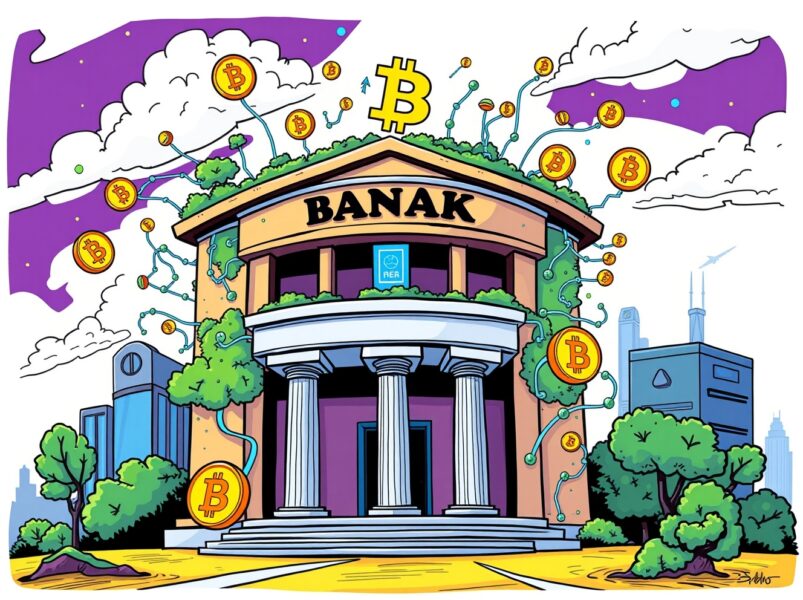
The financial world stands at a pivotal moment of technological transformation, with JPMorgan Chase leading a strategic pivot into blockchain-based financial products that could fundamentally reshape institutional investment. By launching the My OnChain Net Yield Fund (MONY), a $100 million tokenized money market fund on Ethereum, the bank is signaling far more than a product launch—it's demonstrating a calculated bet on the future of digital asset management.
This move represents a critical inflection point in institutional blockchain adoption. The tokenized asset market has already grown from $3 billion to $9 billion in just one year, with projections suggesting it could reach a staggering $18.9 trillion by 2033. JPMorgan's entry is particularly significant because it bridges traditional finance with blockchain's innovative capabilities, offering investors around-the-clock trading, faster settlement times, and real-time ownership visibility.
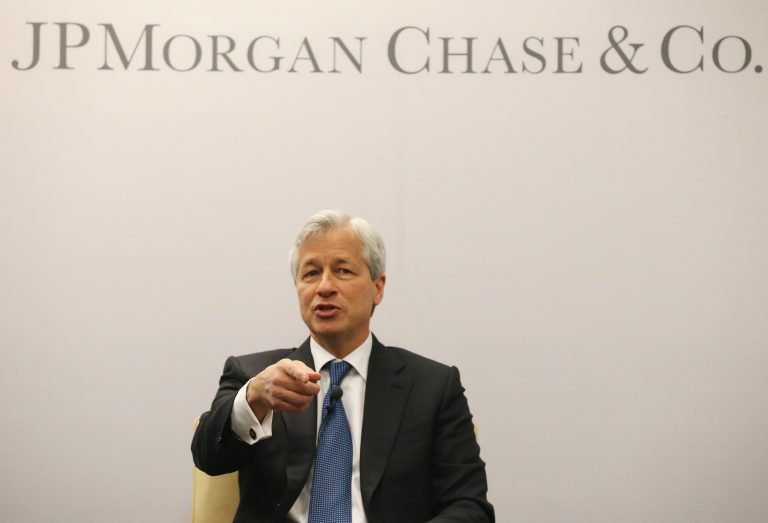
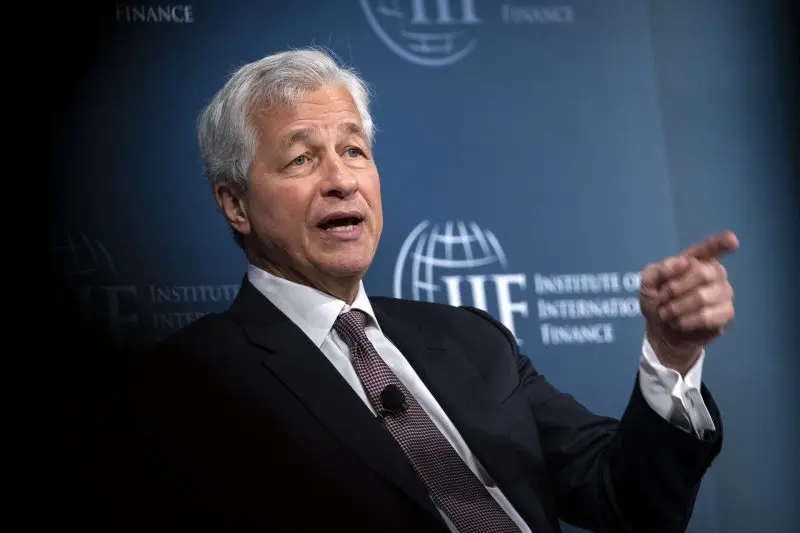
Critically, this development highlights a nuanced approach to digital assets. While JPMorgan's CEO Jamie Dimon remains skeptical of cryptocurrencies like Bitcoin, the bank is enthusiastically embracing blockchain technology. The MONY fund allows investors to use either cash or USDC stablecoin for transactions, indicating a pragmatic strategy of leveraging blockchain's efficiency without fully endorsing volatile cryptocurrencies.
The broader implications are profound for cross-border e-commerce and global financial infrastructure. Tokenization offers the potential to simplify international transactions, reduce currency exchange complexities, and create more dynamic investment options. By targeting high-net-worth individuals and institutions with a $1 million minimum investment, JPMorgan is positioning this fund as a sophisticated financial instrument that could attract institutional capital previously hesitant about blockchain technologies.
For financial technology professionals and global commerce strategists, this represents more than a product launch—it's a blueprint for the next generation of digital financial services. The bank's commitment is evident in its proprietary Kinexys Digital Assets platform and ongoing blockchain experiments, suggesting a long-term, strategic approach to technological innovation.
Questions 3
What makes JPMorgan's tokenized money market fund significant?
The MONY fund represents a major milestone in institutional blockchain adoption, offering institutional investors a sophisticated financial product with blockchain's advantages like 24/7 trading, faster settlements, and real-time ownership tracking. It signals Wall Street's growing confidence in tokenization technologies while maintaining a pragmatic approach to digital assets.
How does this fund differ from traditional money market investments?
Unlike traditional money market funds, JPMorgan's MONY allows investors to use both cash and USDC stablecoin for transactions, operates on the Ethereum blockchain, and provides enhanced transparency and trading flexibility. The fund offers daily interest payments and digital token representations of holdings, making it more dynamic and accessible.