

South Korea Stock Correction Signals Supply Chain Risk | Sellers Must Hedge FX & Inventory
- KOSPI overheating triggers 14% ETF decline; Samsung/SK Hynix volatility threatens component costs for electronics sellers; KRW currency exposure creates 8-12% pricing risk











Overview
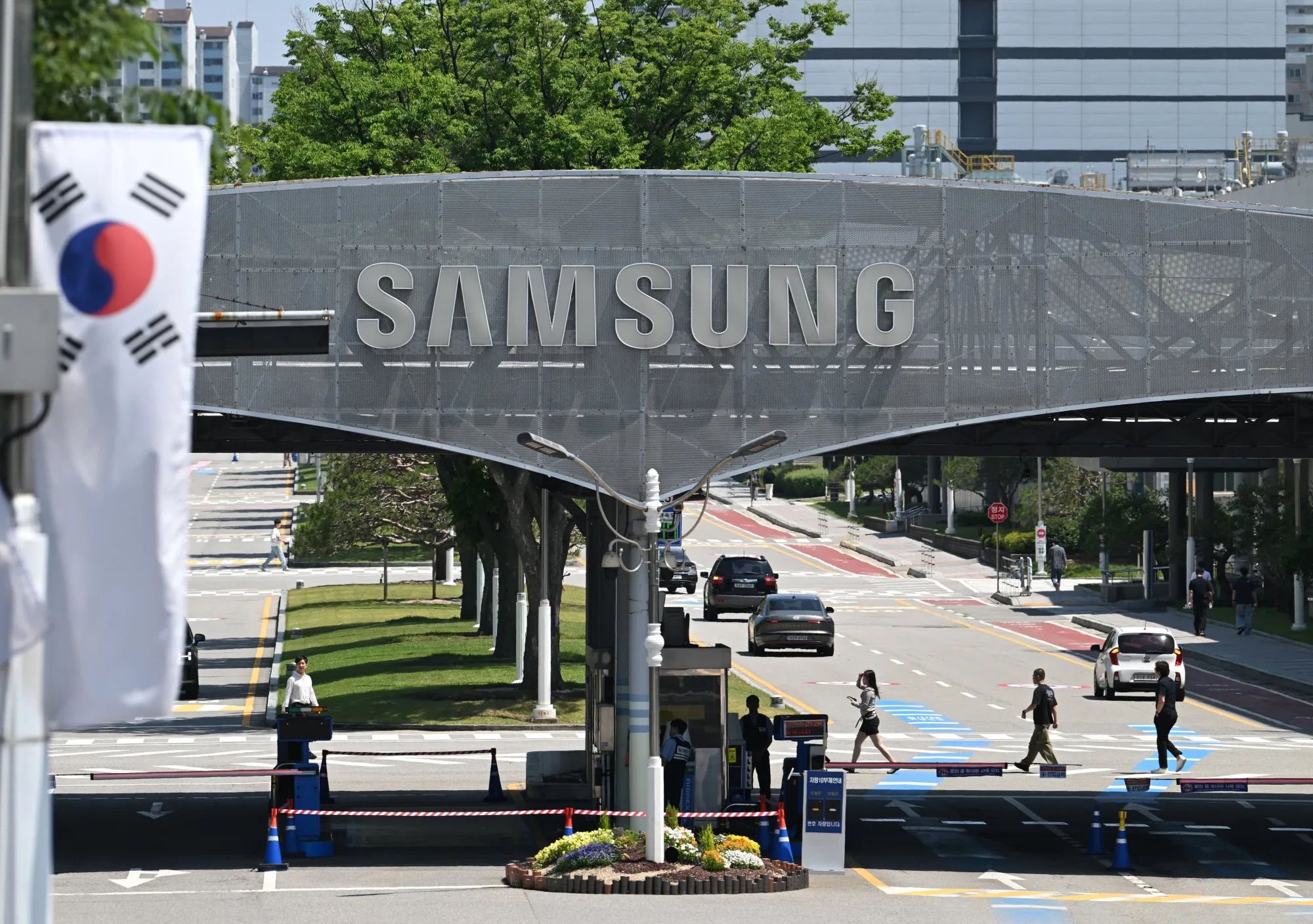
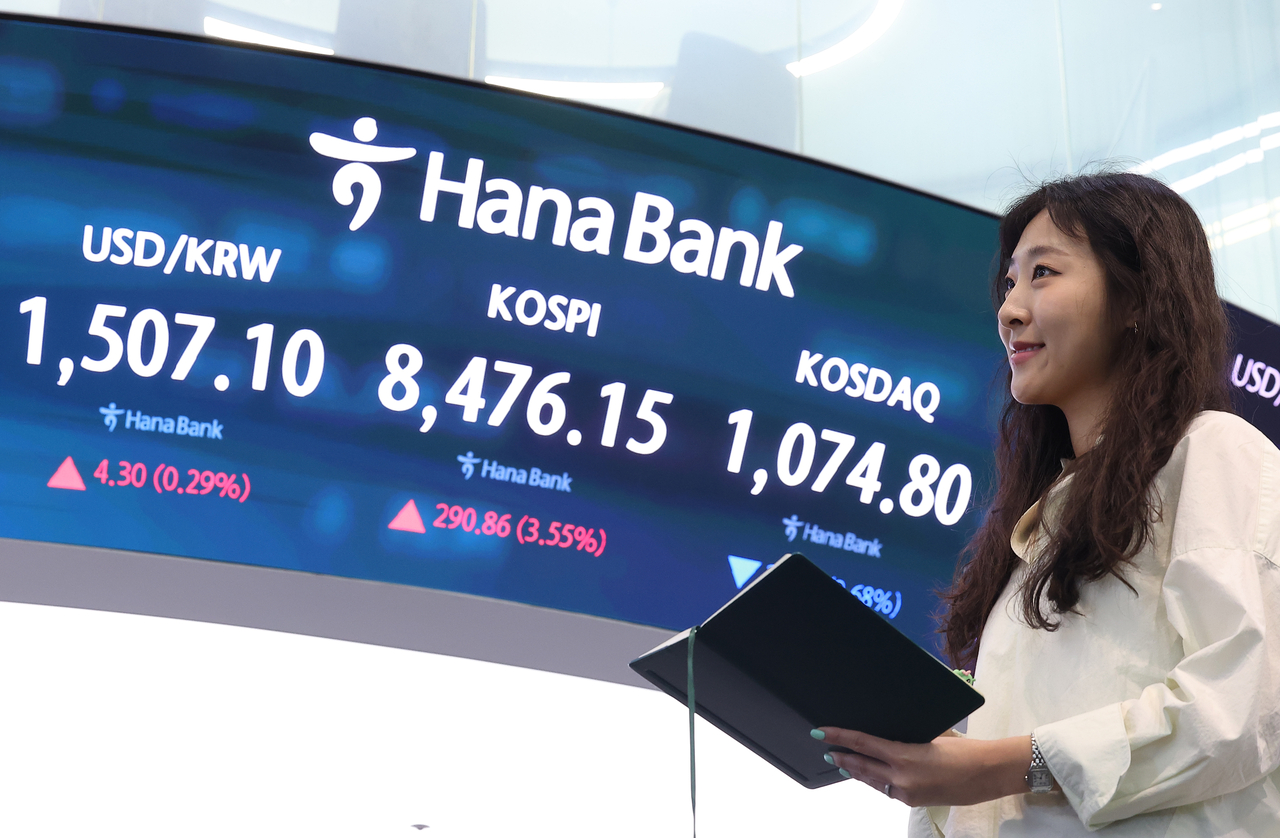
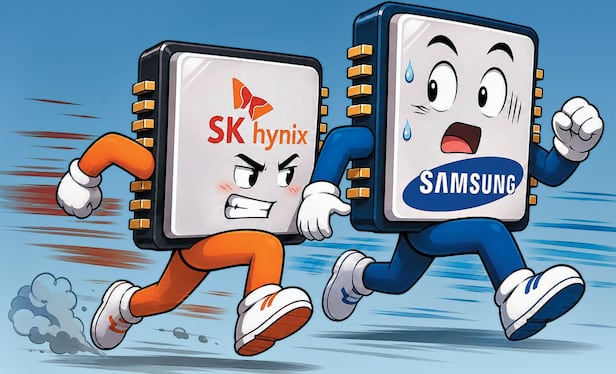
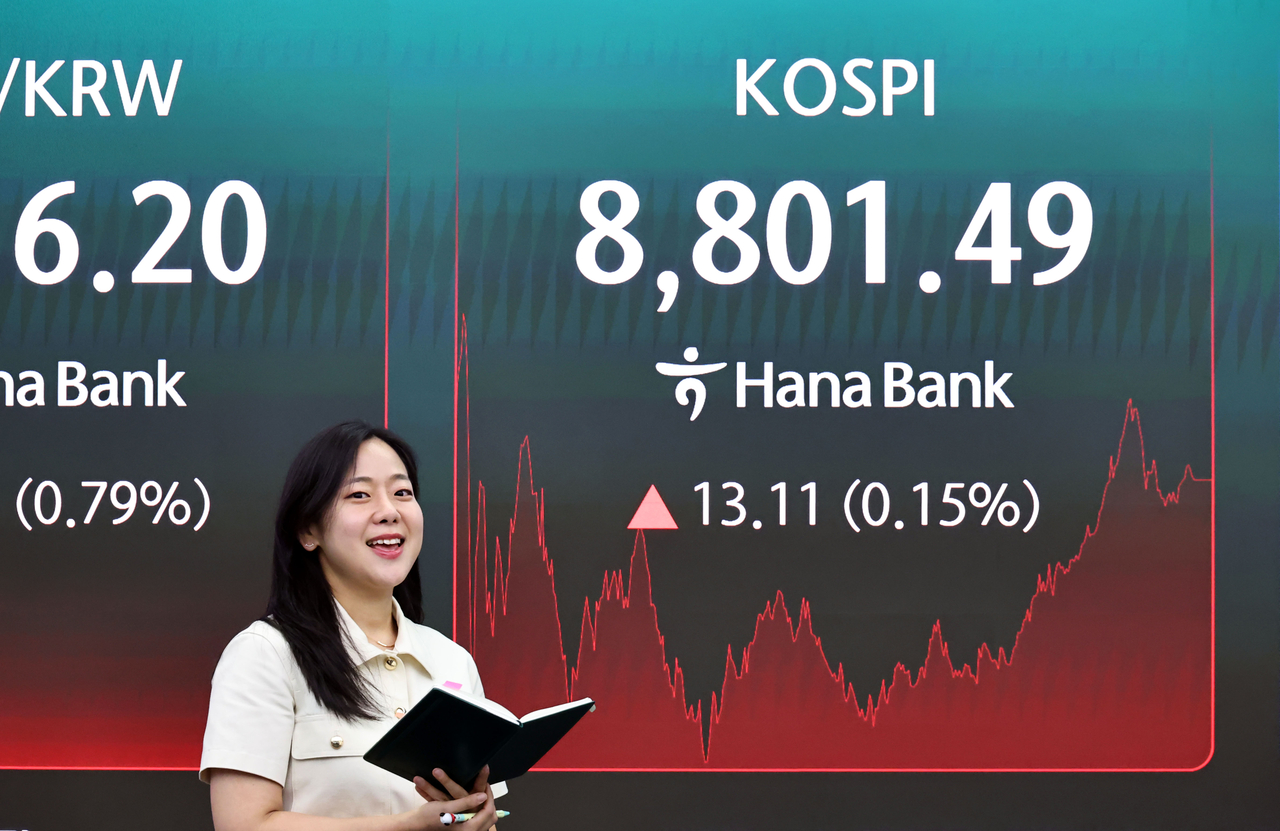
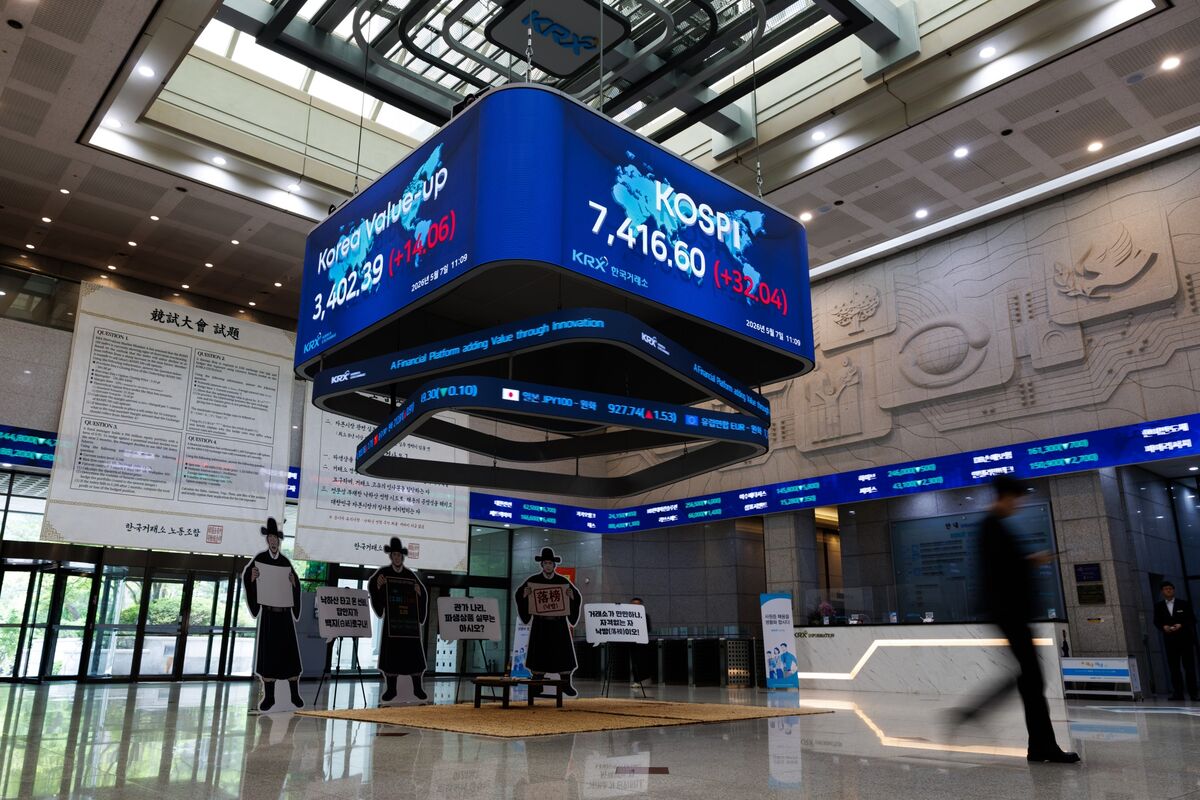
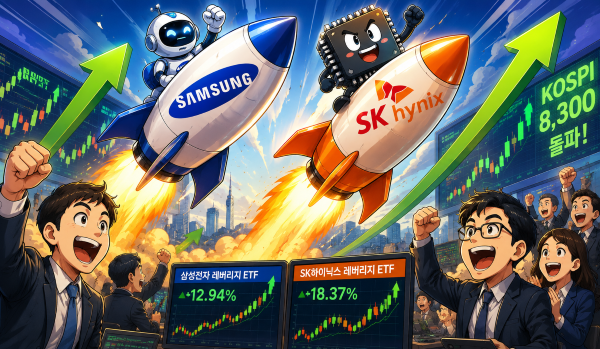
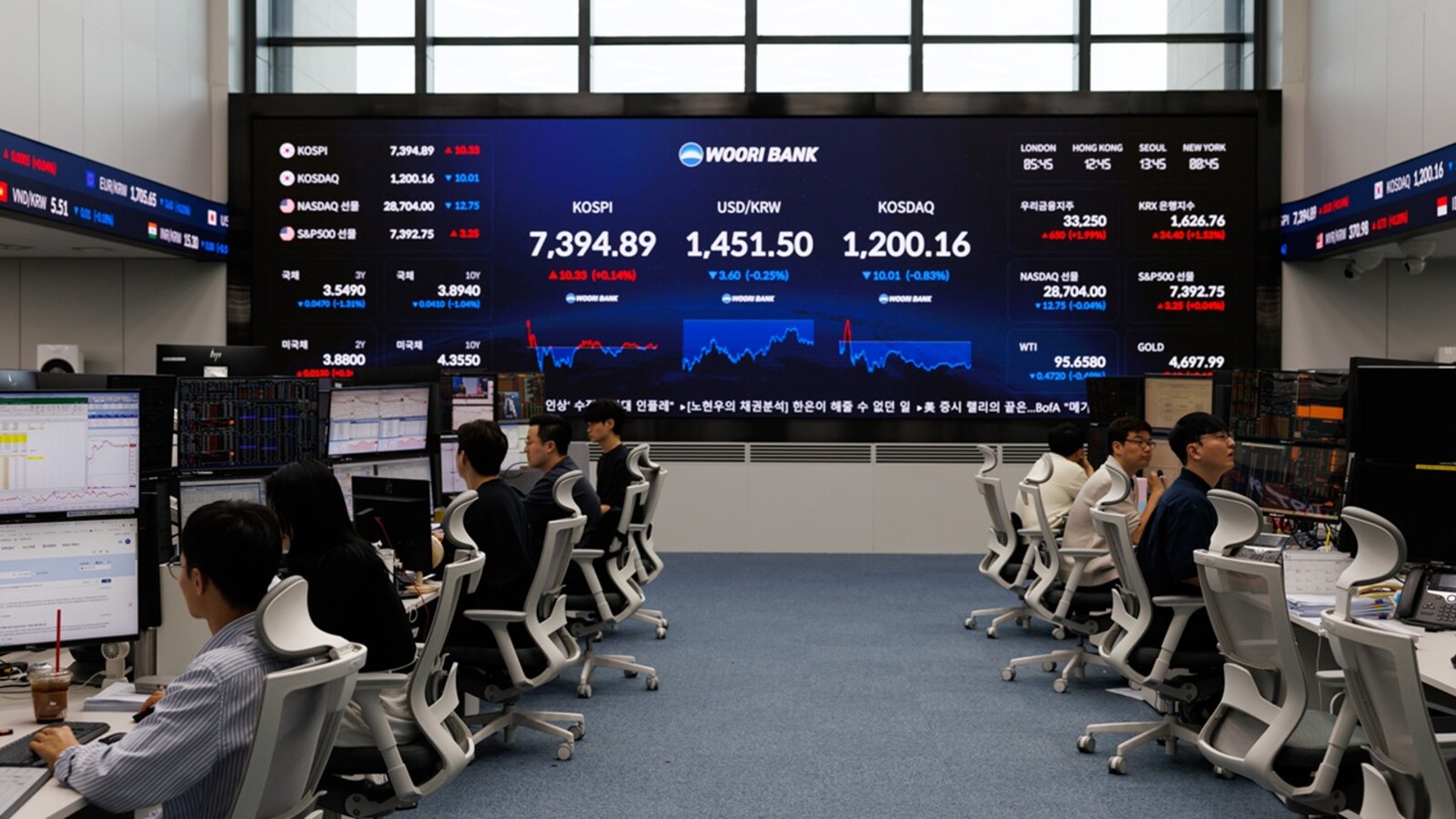
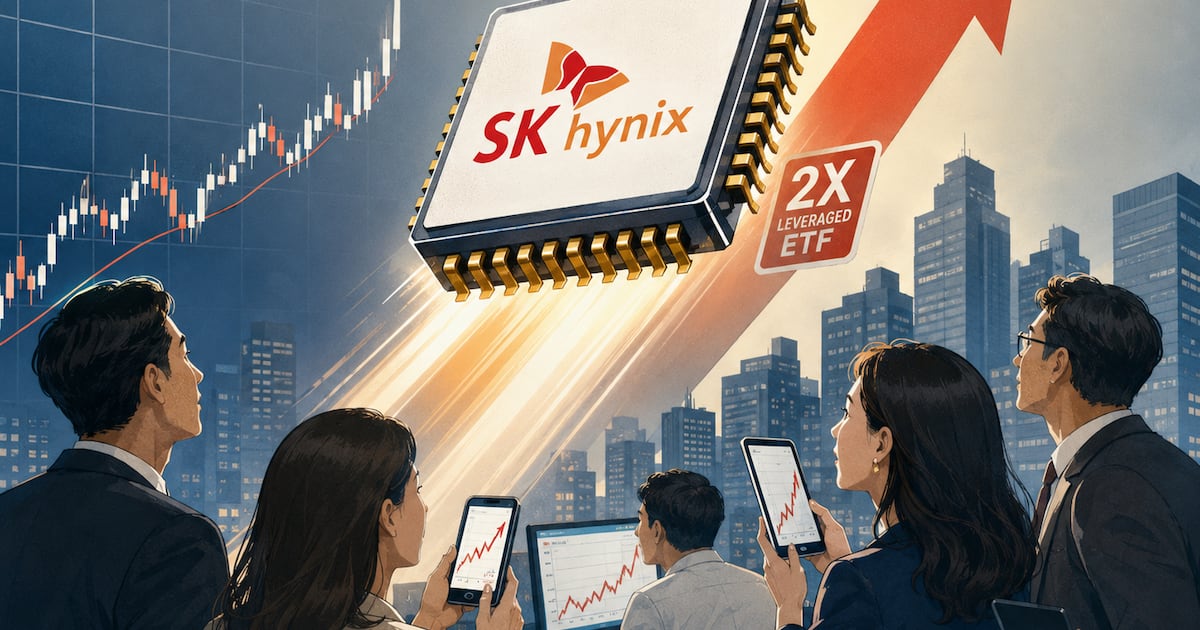
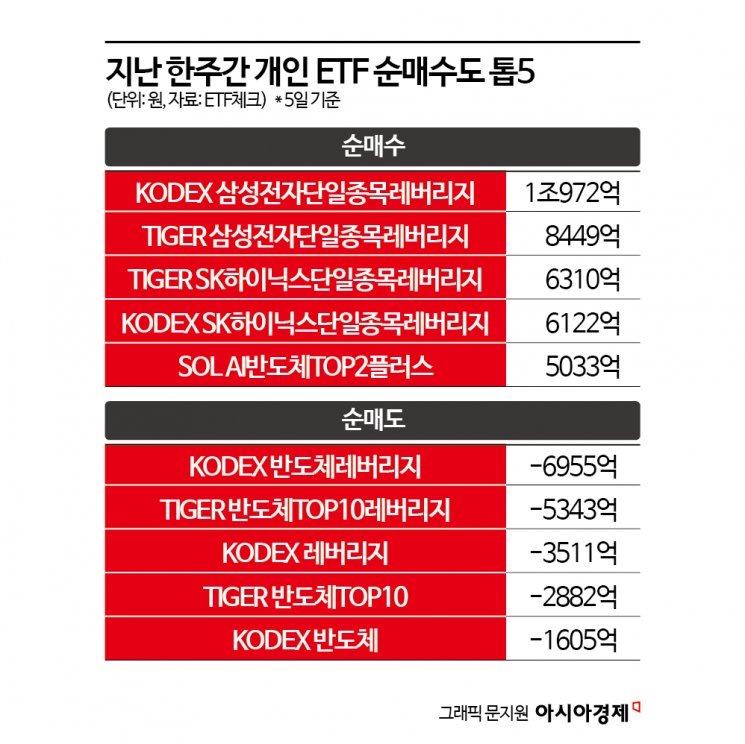
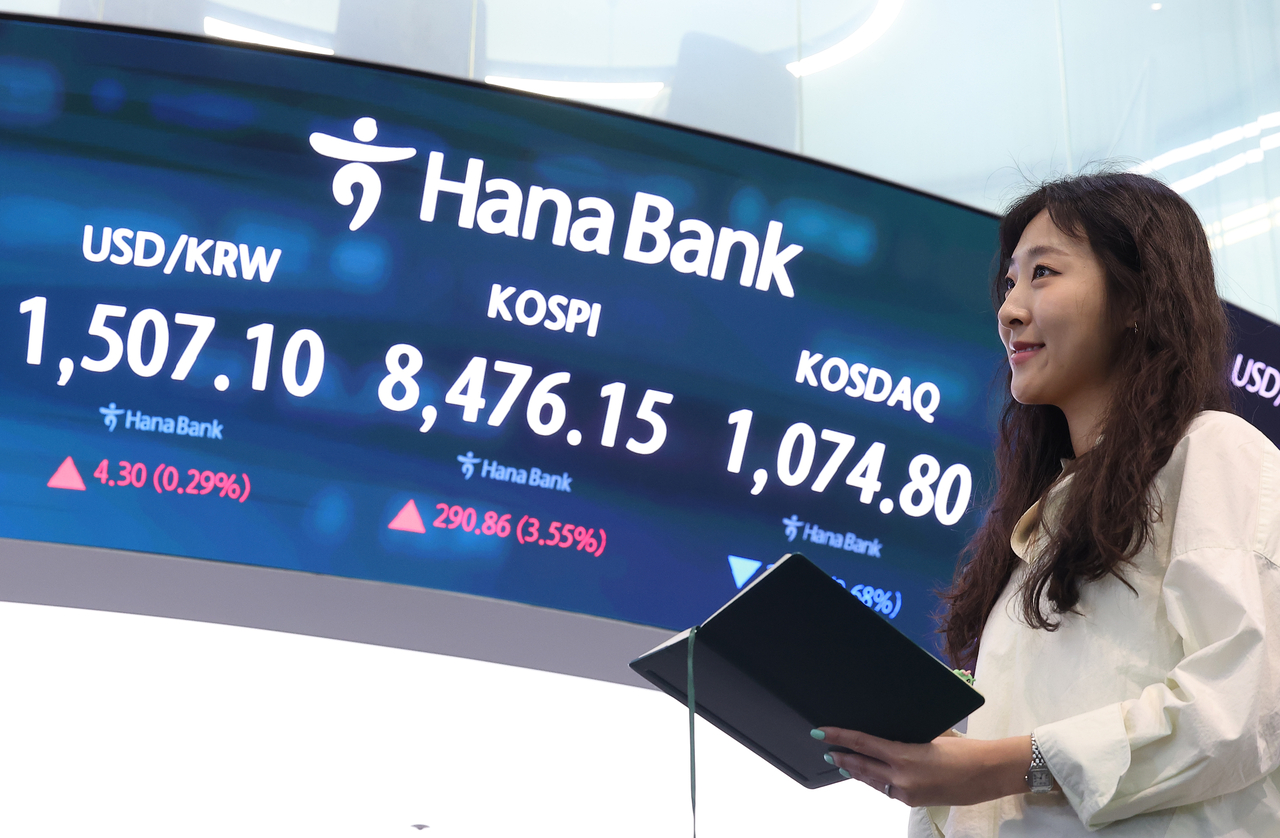
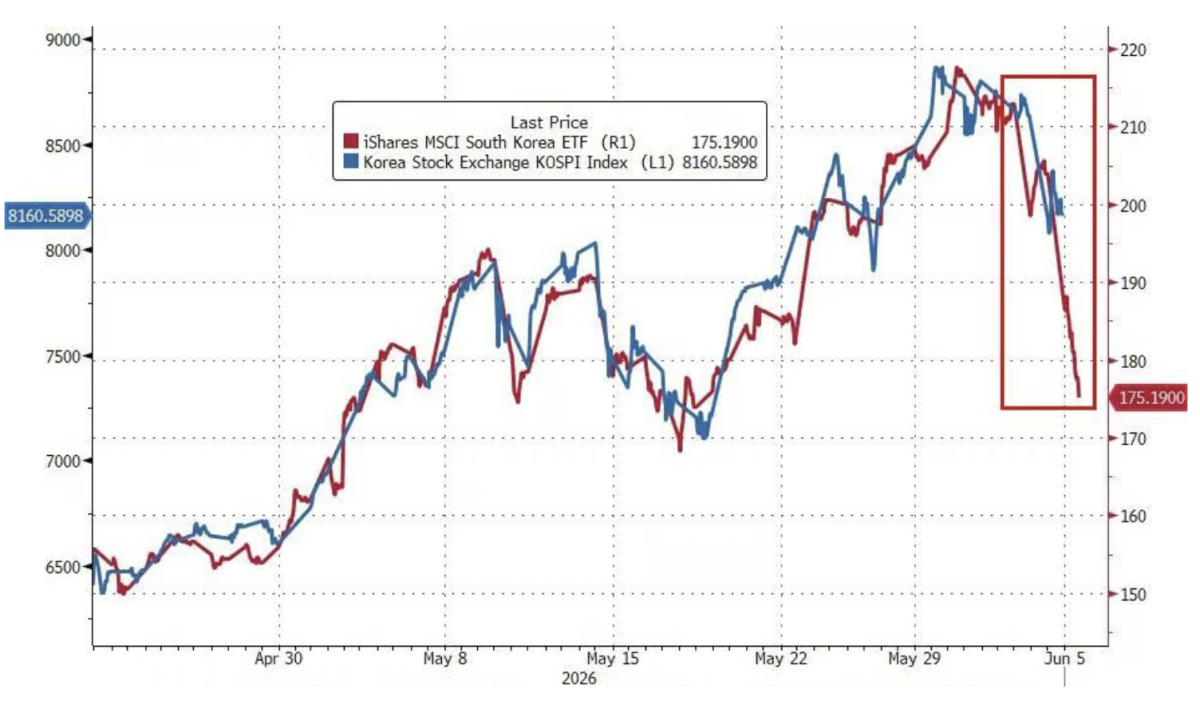
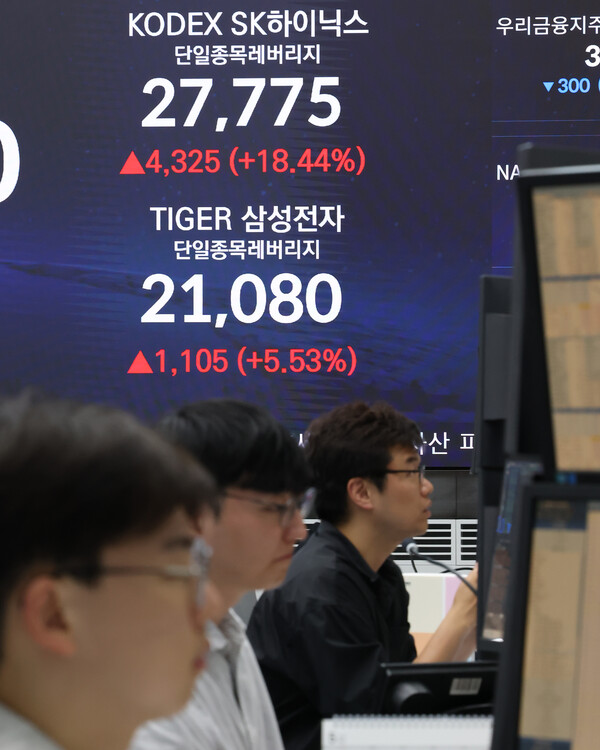
South Korea's equity market is experiencing a critical inflection point that directly threatens cross-border e-commerce supply chains and working capital efficiency. According to Bloomberg reporting from June 7, 2026, the KOSPI index—one of the world's best-performing benchmarks—is showing signs of overheating after exceptional gains, prompting institutional investors to implement aggressive hedging strategies. The iShares MSCI South Korea ETF experienced a 14% decline in US trading, signaling heightened volatility. Simultaneously, Samsung Electronics and SK Hynix leveraged ETFs are trading at unprecedented volumes (3.7 trillion won and 9.2 trillion won daily turnover respectively), creating "wag the dog" effects where derivative rebalancing flows artificially amplify underlying stock price movements, particularly during month-end and quarter-end windows.
For cross-border e-commerce sellers, this market correction creates three immediate financial risks: First, supply chain cost inflation: South Korean suppliers dominate global electronics, semiconductors, memory components, and cosmetics categories. Equity market stress cascades into operational challenges for Korean manufacturers, potentially triggering supplier payment delays, production slowdowns, or price increases on components. Sellers sourcing memory chips, smartphone components, or electronics from Samsung, SK Hynix, or their supply chain partners face 8-12% cost increases if suppliers pass through margin compression from equity losses. Second, currency volatility exposure: The Korean Won (KRW) typically weakens during equity market corrections as foreign investors liquidate positions. A 10-15% KRW depreciation would reduce import costs for sellers buying from Korea, but simultaneously increases costs for sellers with KRW-denominated supplier contracts or payment obligations. Third, working capital compression: Reduced capital availability for Korean exporters and logistics providers could extend payment terms from 30 to 45-60 days, locking up 15-20% more working capital for sellers relying on Korean suppliers.
Specific seller segments face differentiated impacts: Electronics sellers (smartphones, components, memory products) face the highest risk—Samsung and SK Hynix supply 40%+ of global DRAM and NAND flash memory. Cosmetics sellers sourcing from Korean beauty brands experience secondary effects through reduced consumer spending from Korean investors experiencing portfolio losses. Fashion sellers importing from Korean manufacturers see potential supply delays as equity-stressed suppliers prioritize cash preservation. Immediate financial optimization opportunities exist: Sellers should lock in forward FX contracts for KRW exposure within the next 2-4 weeks before volatility spikes further; consider invoice financing or supply chain financing products targeting Korean suppliers (which offer 2-4% discounts vs. traditional working capital loans); and evaluate inventory pre-positioning strategies to front-load purchases before potential supplier price increases materialize in Q3 2026.
Questions 8
What specific actions should sellers take in the next 30 days to protect against South Korea supply chain risk?
**Week 1-2 Actions:** (1) Execute 3-6 month forward FX contracts for KRW exposure at current rates (cost: 1.5-2.5%, locks in pricing); (2) Contact top 5 Korean suppliers to negotiate price protection clauses for 60-90 days; (3) Apply for supply chain financing facilities (invoice financing, PO financing) to unlock working capital. **Week 2-3 Actions:** (4) Front-load Q3 2026 purchase orders by 20-30% at current pricing before supplier increases; (5) Diversify supplier base—identify 2-3 alternative suppliers in Taiwan, Japan, or US for critical components; (6) Increase safety stock by 20-30% for 4-6 weeks to buffer against supply delays. **Week 3-4 Actions:** (7) Negotiate early payment discounts (2-3% for 10-day payment) with top suppliers to maintain 30-day terms; (8) Monitor KOSPI index and KRW exchange rate daily—if KOSPI stabilizes above current levels, reduce new orders; if KRW weakens >10%, accelerate purchases. **Cost estimate:** $5,000-15,000 in hedging/financing fees unlocks $200,000-500,000 working capital and protects against 8-12% cost increases.
How does reduced capital availability for Korean exporters affect payment terms and working capital for sellers?
Equity market stress reduces Korean exporters' access to working capital financing, forcing them to extend payment terms from standard 30 days to 45-60 days to preserve cash. For a seller importing $500,000 monthly from Korea, extending from 30 to 60 days locks up an additional $250,000 in working capital (30 days of inventory). This creates cash flow stress for sellers with tight margins or high inventory turnover. Mitigation strategies: (1) negotiate early payment discounts (2-3% for 10-day payment) to incentivize suppliers to maintain 30-day terms; (2) use invoice financing to convert 60-day terms back to 10-day cash; (3) diversify to suppliers with stronger balance sheets (Japan, Taiwan, US) that maintain 30-day terms. Cost-benefit: paying 2% early payment discount costs $10,000 on $500,000 orders but frees $250,000 working capital—equivalent to 4.8% quarterly return on freed capital. Action: negotiate early payment discounts with top 5 Korean suppliers within 2 weeks.