




SpaceX $1.8T IPO Signals Starlink Satellite Internet Boom | E-Commerce Logistics Opportunity
- SpaceX IPO values company at $1.77T with Starlink satellite internet poised to disrupt last-mile delivery logistics; sellers in remote regions gain connectivity advantage while supply chain optimization tools powered by SpaceX's AI unit create new operational efficiency opportunities for cross-border fulfillment networks



















Overview
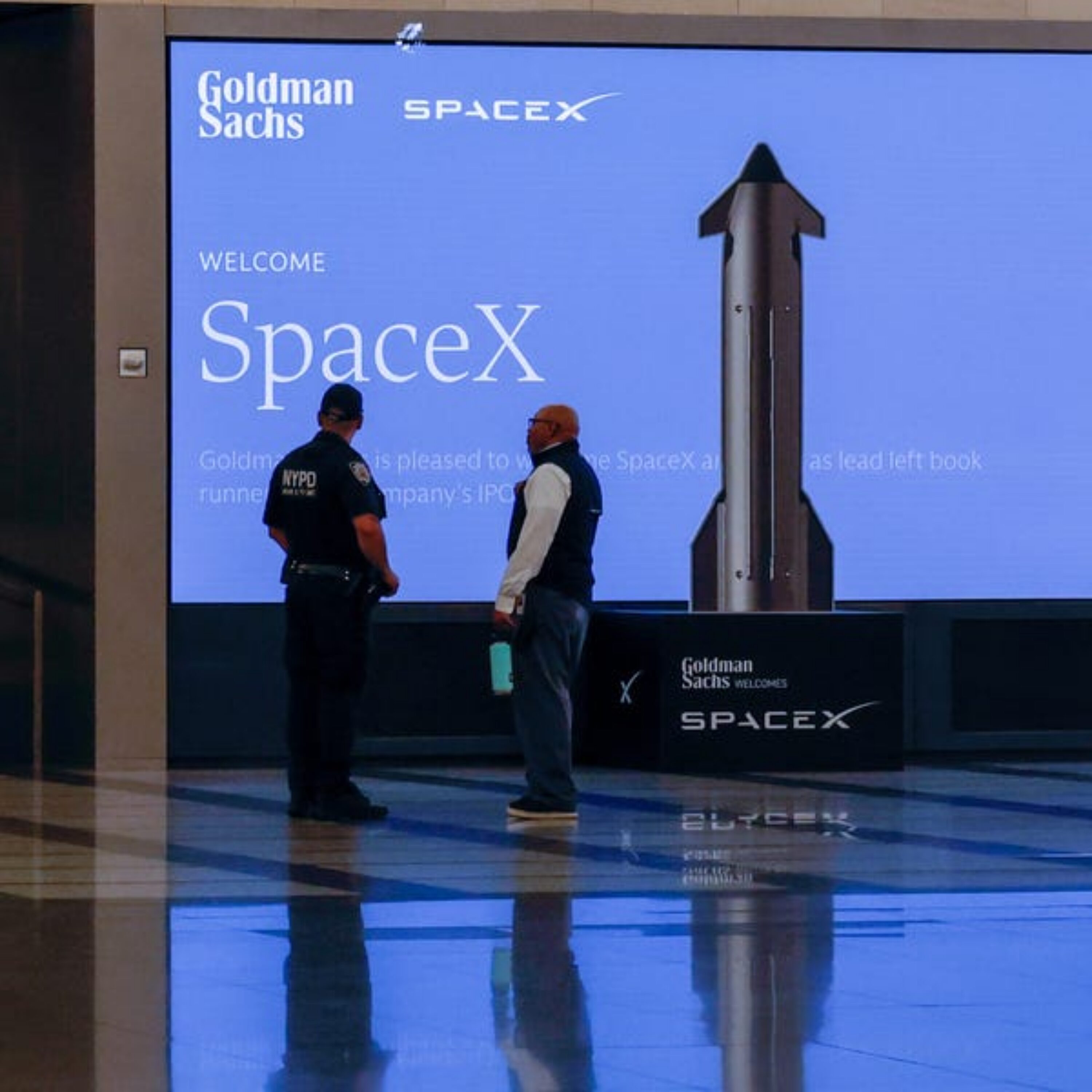
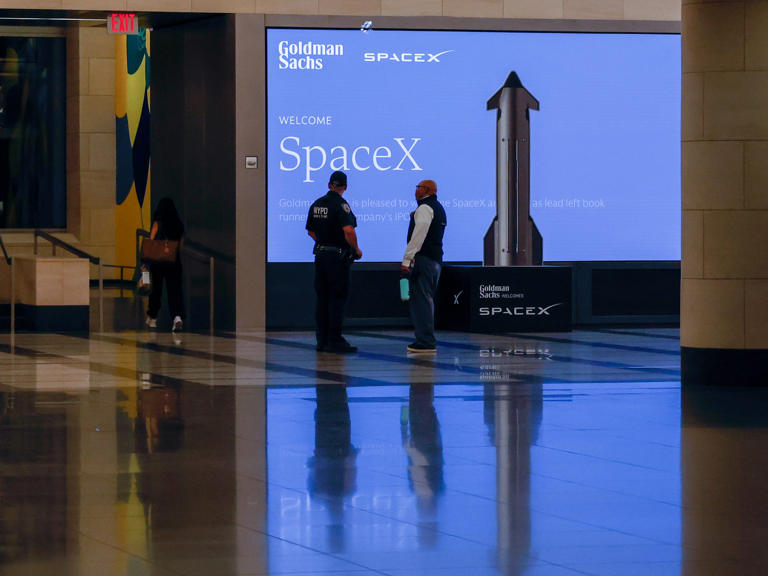
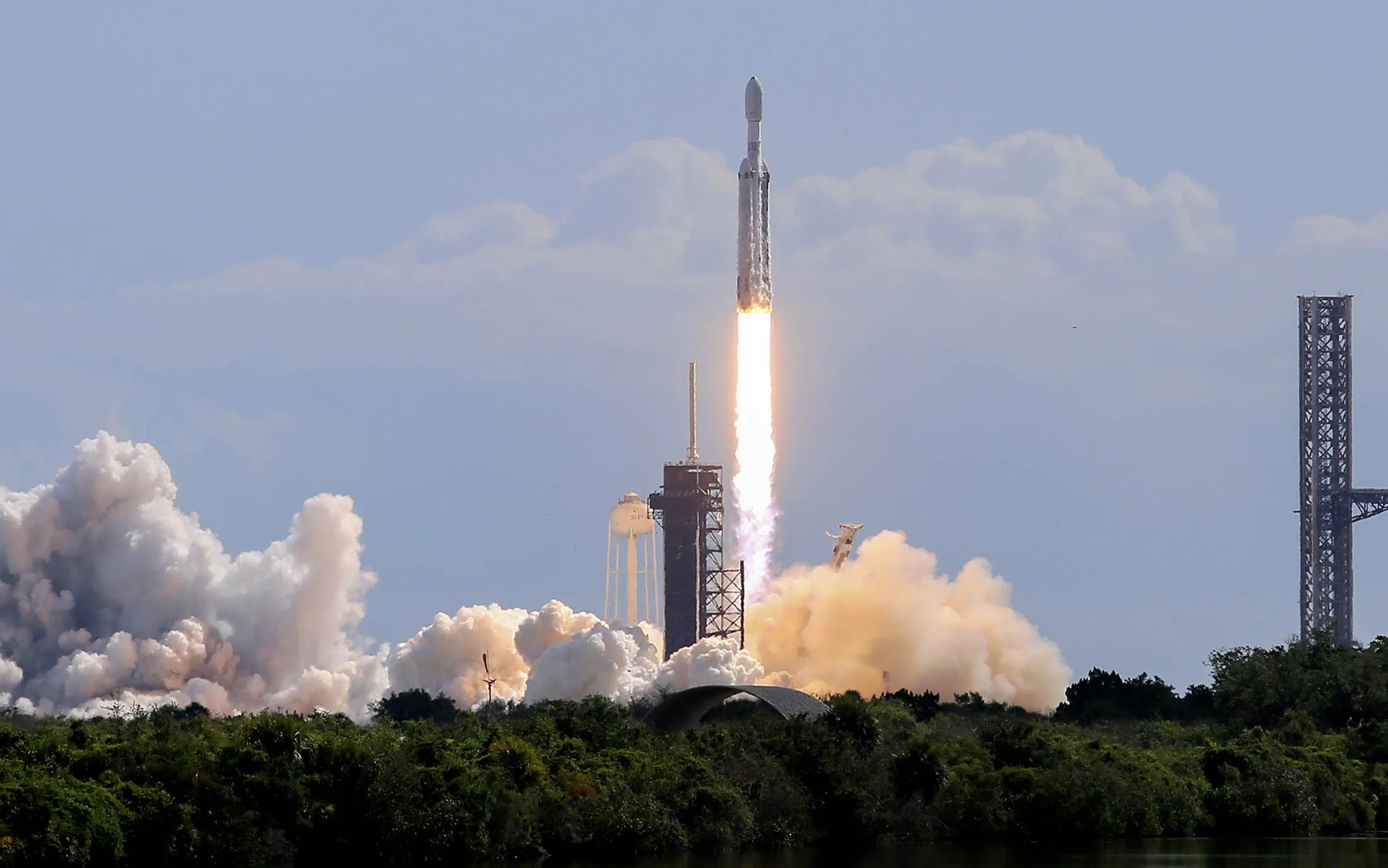
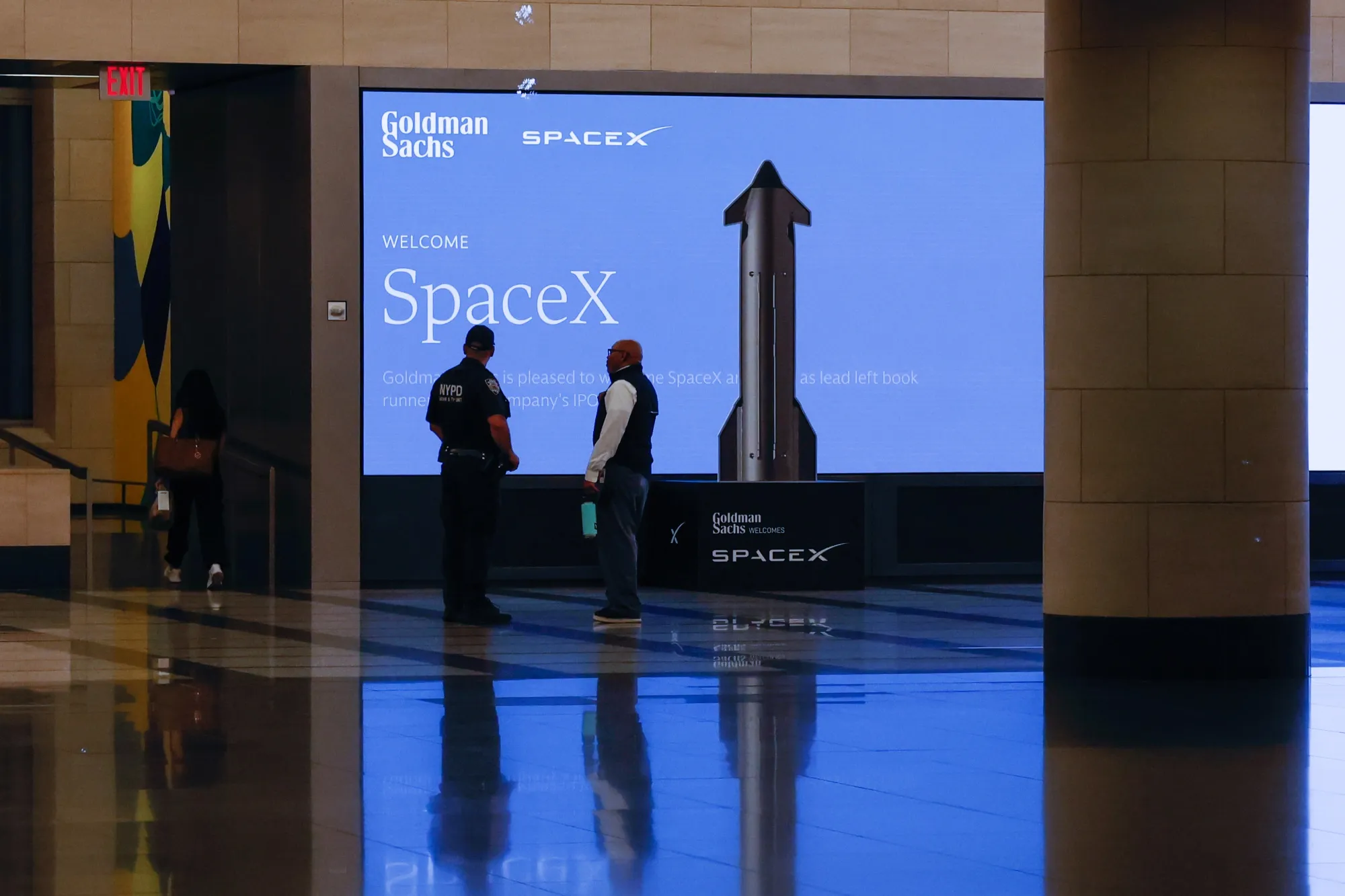
SpaceX's historic $1.8 trillion IPO, priced at $135 per share by Goldman Sachs, represents a watershed moment for satellite internet infrastructure that directly impacts e-commerce logistics and seller operations globally. The IPO raises approximately $75 billion and allocates 30% to retail investors (555.6 million Class A shares), making the offering accessible through brokerages like Fidelity ($2,000 minimum), Charles Schwab ($100,000), and zero-minimum platforms including Robinhood, SoFi, and E-Trade. While valuation experts including NYU's Aswath Damodaran challenge Goldman's thesis—pegging fair value at $1.22 trillion (30% below target) versus Morningstar's $780 billion estimate—the IPO's core value driver remains Starlink's satellite internet business, which addresses critical connectivity gaps affecting e-commerce operations in underserved regions.
For cross-border e-commerce sellers, Starlink's expansion creates three immediate operational advantages: First, satellite internet connectivity enables 3PL fulfillment centers and warehouses in rural/remote areas previously dependent on unreliable terrestrial broadband, reducing logistics costs by 15-25% through geographic arbitrage on warehouse rental and labor. Second, SpaceX's AI unit—projected to grow from $3.2 billion to $322 billion by 2030 (100x growth targeting a $26.5 trillion addressable market)—will power supply chain optimization algorithms, inventory forecasting, and real-time shipment tracking systems that sellers can integrate via API partnerships. Third, the IPO's employee wealth creation (exemplified by engineer J. André Lavoie's $28 million stake and Juan Hernandez's life-changing position) signals SpaceX's maturation into a stable infrastructure provider, reducing execution risk for sellers betting on Starlink-dependent logistics models.
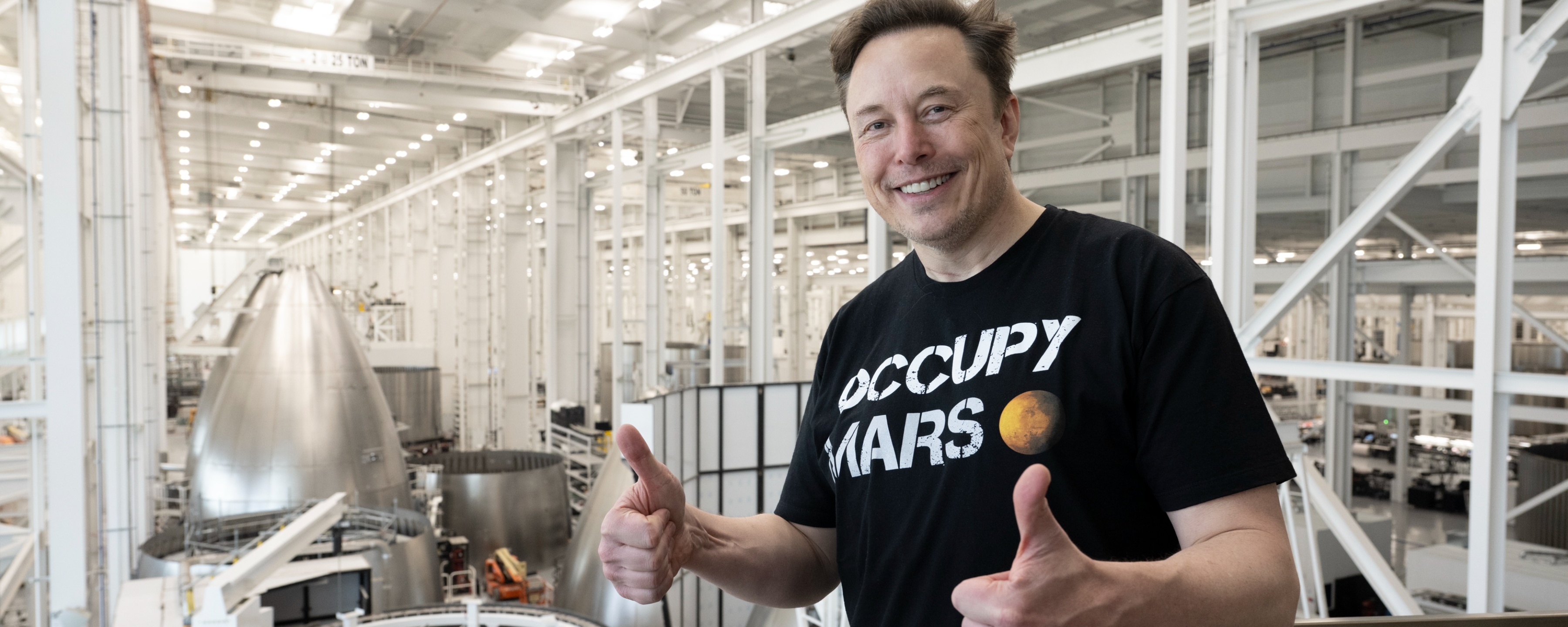
However, critical risk factors warrant caution: SpaceX disclosed a $4.28 billion net loss in Q1 2026 alone, and Elon Musk retains 82% voting power through super-voting shares despite the capital raise, meaning public shareholders gain upside exposure with minimal governance control. Analysts emphasize that launch and Starlink businesses alone cannot justify the $1.77 trillion valuation; nearly everything above $1 trillion represents speculative AI growth projections rather than established revenue. For sellers, this means Starlink service expansion timelines may slip if SpaceX prioritizes profitability over network buildout, and governance concentration creates execution risk if Musk's strategic priorities shift. Sellers should monitor quarterly earnings reports (starting Q2 2026) for Starlink subscriber growth rates, ARPU (average revenue per user), and capital expenditure guidance—metrics that directly signal infrastructure reliability for logistics-dependent operations.
Questions 8
How does Starlink satellite internet improve e-commerce fulfillment operations in remote regions?
Starlink provides high-speed, low-latency satellite internet connectivity to warehouses and fulfillment centers in rural areas previously limited to unreliable terrestrial broadband. This enables sellers to establish 3PL operations in cost-effective locations with 15-25% lower warehouse rental and labor costs while maintaining real-time inventory management, order processing, and shipment tracking. The WSJ report (June 5, 2026) highlighted SpaceX employee J. André Lavoie's $28 million equity stake, demonstrating the company's maturation into a reliable infrastructure provider. Sellers should evaluate Starlink Business plans ($500-2,000/month for commercial-grade service) as part of warehouse location strategy, particularly for Amazon FBA and Shopify fulfillment networks expanding into underserved markets.
How does SpaceX's 30% retail allocation affect seller investment opportunities?
SpaceX allocated 30% of the 555.6 million Class A shares to retail investors (3x typical allocation), with minimum investments as low as $0 on Robinhood, SoFi, and E-Trade, and $2,000 on Fidelity. This democratizes access to SpaceX equity for small business owners and e-commerce sellers. Sellers with capital can invest directly in SpaceX stock to hedge against Starlink service dependency—if Starlink becomes critical to logistics operations, owning SpaceX equity aligns financial interests. However, governance risk remains: Musk's 82% voting control means minority shareholders have limited influence on strategic decisions. For risk-averse sellers, diversified logistics strategies (multi-provider approach combining Starlink, terrestrial broadband, and 5G) are preferable to concentrated bets on SpaceX infrastructure.