

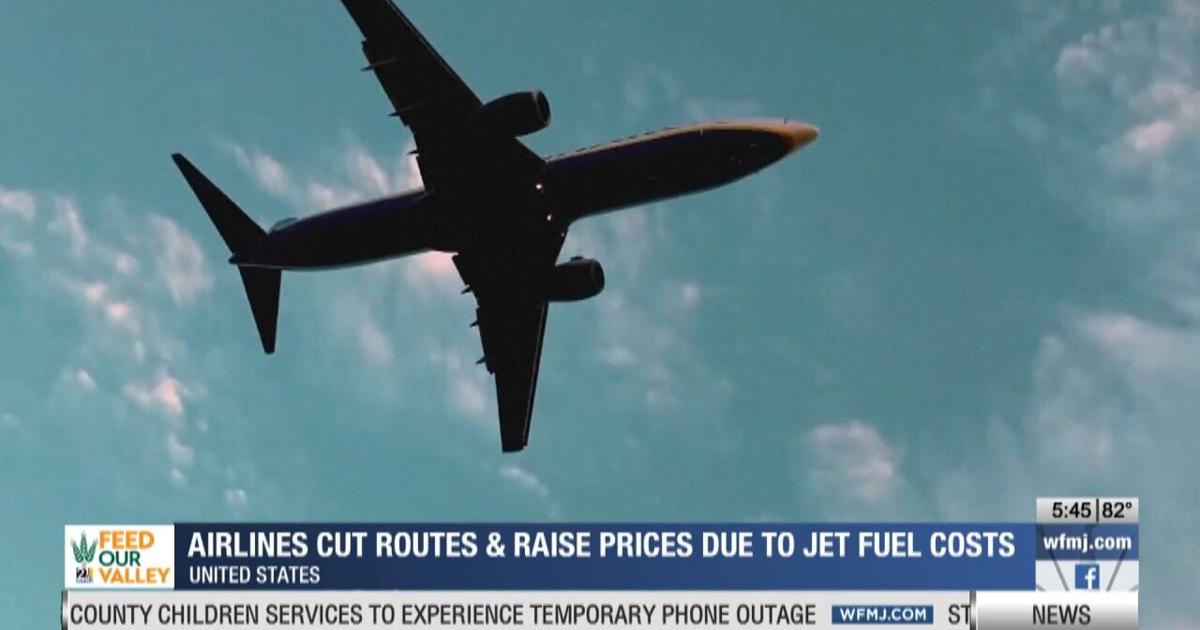



Strait of Hormuz Crisis Drives 75% Surge in Air Freight Costs | Cross-Border Sellers Face Permanent Logistics Shock
- Jet fuel prices spike from $80 to $140/barrel; air freight surcharges increase 40-60% for international e-commerce shipments; sellers must restructure logistics by Q3 2026






















Overview
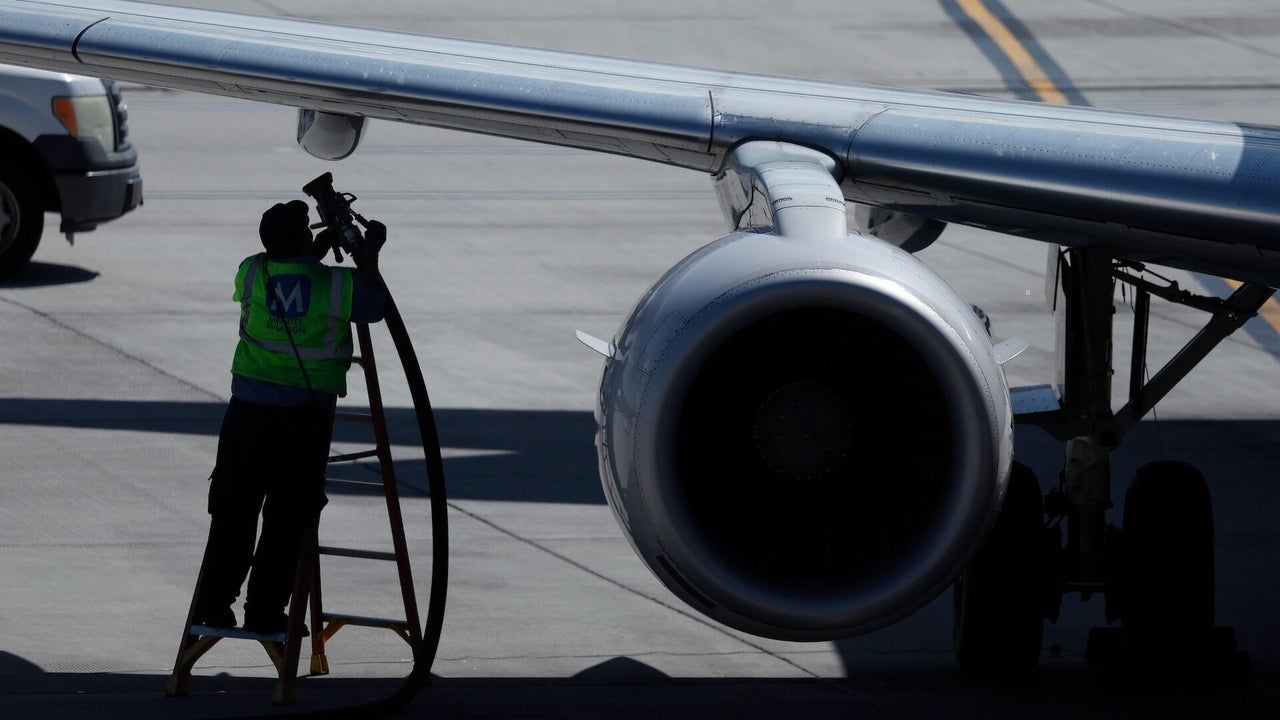
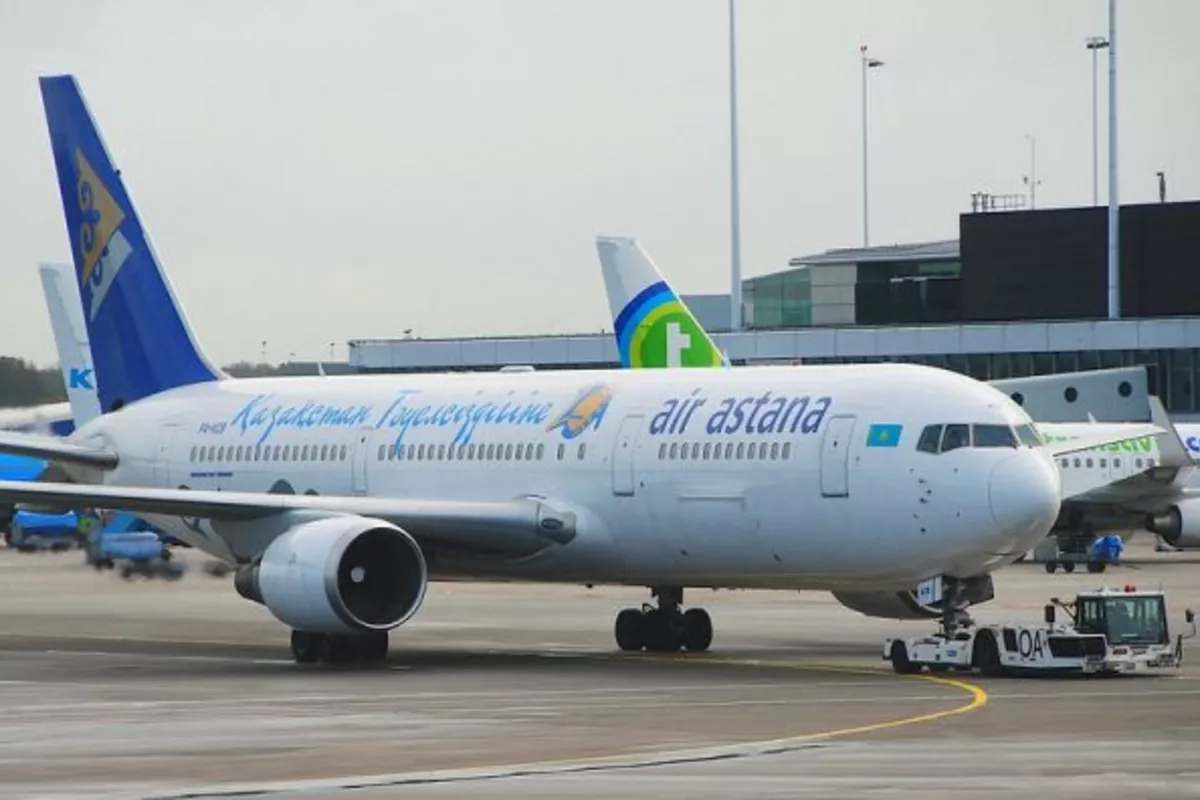
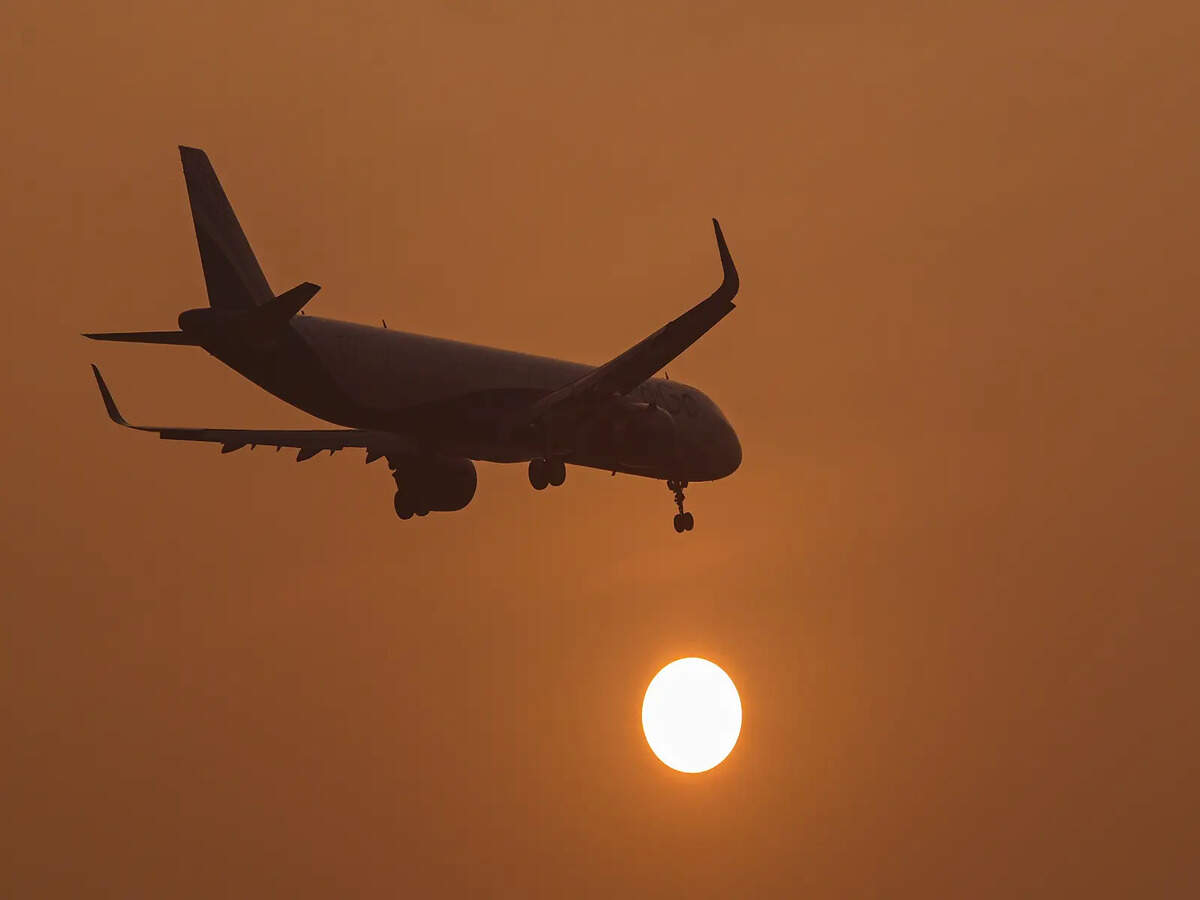
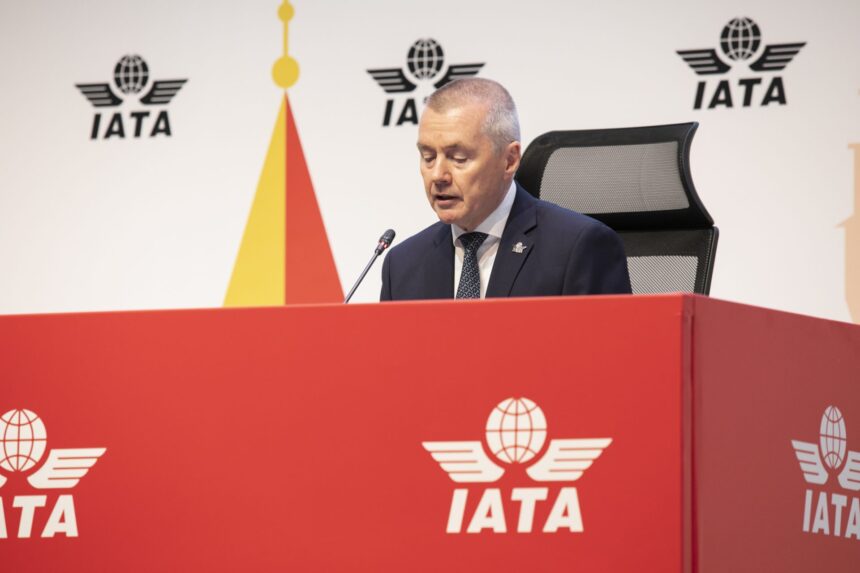
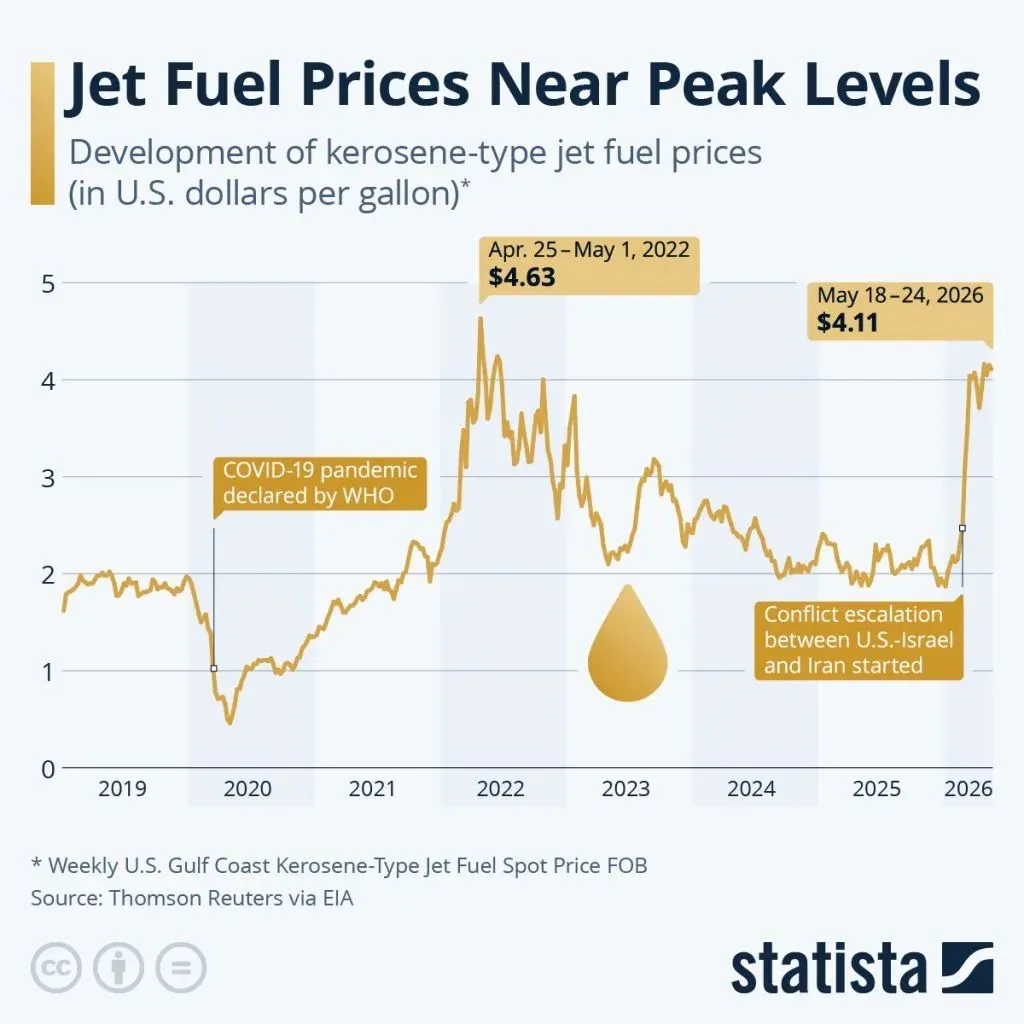
The Iran-Israel conflict and Strait of Hormuz closure have triggered a critical supply chain crisis directly impacting cross-border e-commerce logistics. Jet fuel prices surged 75% from $80 to $140 per barrel between the Delhi and Rio IATA summits (June 2026), with the industry facing an estimated $15 billion in additional annual costs. For e-commerce sellers relying on air freight, this translates to 40-60% increases in shipping surcharges, fundamentally altering unit economics for time-sensitive categories like electronics, fashion, and perishables.
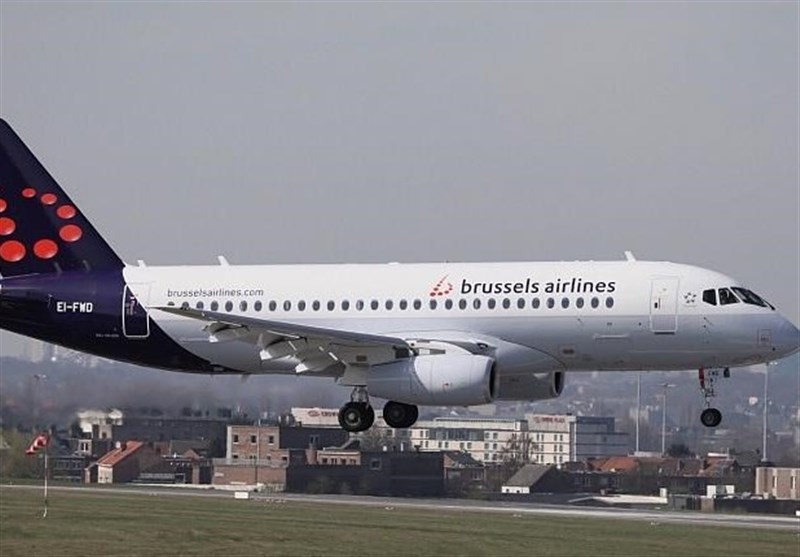
The structural impact extends far beyond temporary price volatility. Spirit Airlines' closure in May 2026 eliminated a major low-cost carrier, consolidating remaining airline capacity and permanently raising baseline fares. Industry analysts warn that even if geopolitical tensions resolve, airlines are unlikely to reduce prices voluntarily—instead leveraging the crisis as permanent justification for elevated fuel surcharges. This represents a structural shift in global logistics costs that sellers cannot simply pass through to price-sensitive consumer segments.
Immediate seller vulnerability: Small and medium-sized sellers (SMBs) shipping via air freight face the highest margin compression. A typical SMB shipping 500 units monthly via express air to EU/Asia markets could see monthly logistics costs increase from $3,000-5,000 to $4,200-8,000—a 40-60% cost increase that directly reduces profitability. Large sellers with hedged fuel contracts (like major airlines) have temporary protection, but hedging costs are rising sharply. Regional carriers in Brazil, Philippines, and Southeast Asia face disproportionate impact due to weak currencies and limited alternative shipping routes, making these markets less attractive for air-shipped inventory.
Strategic sourcing implications: The crisis accelerates a shift from air freight to sea freight and nearshoring strategies. Sellers should evaluate Vietnam and India as manufacturing alternatives to China for categories where 30-45 day lead times are acceptable, reducing reliance on premium air freight. Amazon FBA sellers face particular pressure—air freight to FBA warehouses now costs 50-70% more, forcing inventory decisions between accepting lower turnover rates or absorbing margin compression. Shopify and independent sellers have more flexibility to shift to slower, cheaper ocean freight if they adjust inventory planning 60-90 days ahead.
The permanent fare increase signals a new logistics cost baseline for international e-commerce. Sellers must immediately audit shipping methods, renegotiate 3PL contracts, and stress-test unit economics assuming air freight remains 40-50% more expensive than pre-crisis levels. Categories with thin margins (apparel, home goods) may become unprofitable on air freight routes, forcing strategic withdrawal from certain markets or customer segments.
Questions 7
Which product categories are most vulnerable to air freight cost increases?
Categories with thin margins and high time-sensitivity are most vulnerable: apparel (5-15% margins), home goods (10-20% margins), and fast-fashion items requiring rapid inventory turnover. Electronics and accessories with seasonal demand are also vulnerable, as delayed inventory arrivals miss peak selling windows. Conversely, categories with higher margins (luxury goods, specialty items, collectibles) can better absorb air freight cost increases. Perishable and temperature-sensitive categories (cosmetics, supplements) have limited alternatives to air freight, making them particularly exposed. Sellers should prioritize shifting low-margin categories to sea freight or nearshoring, while maintaining air freight only for high-margin or time-critical SKUs.
What immediate actions should sellers take to mitigate logistics cost increases?
Sellers should immediately audit current shipping methods and calculate the impact of 40-60% air freight cost increases on unit economics by category and destination market. Renegotiate 3PL contracts before further rate increases, locking in multi-year agreements if possible. Stress-test pricing power—calculate how much prices must increase to maintain margins, then assess demand elasticity in each market. For time-sensitive categories, evaluate nearshoring to Vietnam, India, or Mexico to reduce shipping distances. Implement inventory planning systems that extend lead times to 60-90 days, enabling shift to cheaper ocean freight. Monitor airline consolidation trends and fuel price hedging strategies to anticipate further cost increases.