



AI Copyright Lawsuits Create Compliance Barriers | Sellers Face Content Generation Restrictions
- Ongoing litigation against AI companies threatens seller access to AI tools; compliance costs for licensed content generation expected to rise 30-50% within 12 months

Overview
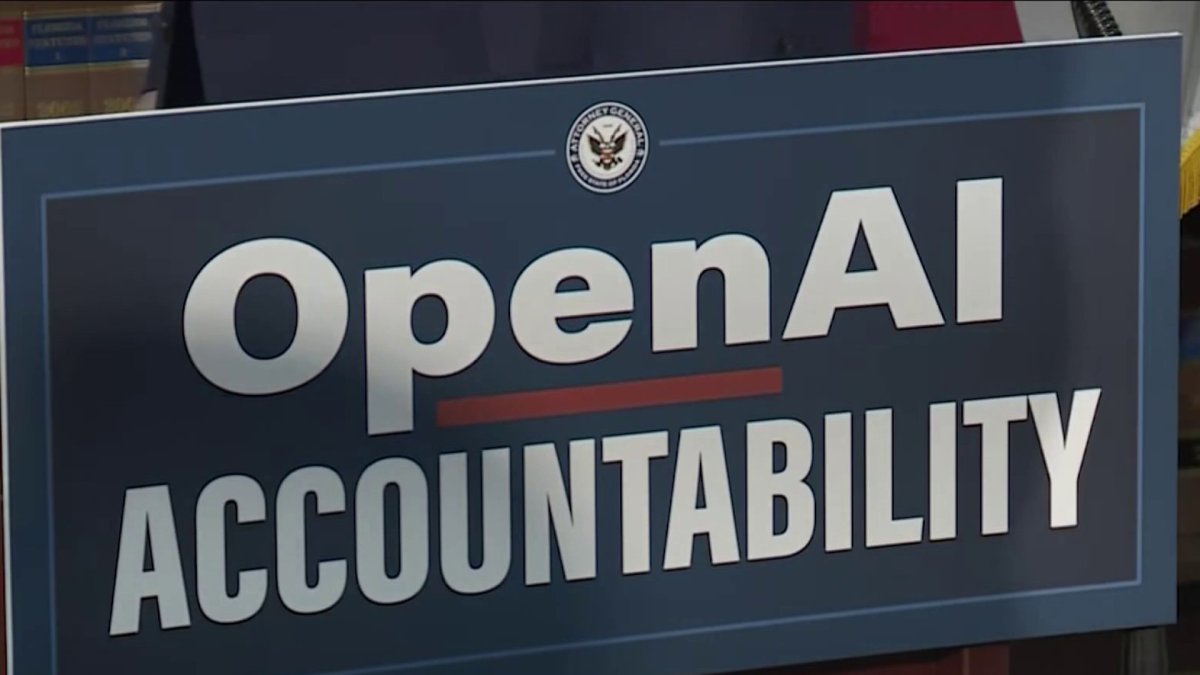
The ongoing litigation against major AI companies—comparable to Big Tobacco precedent-setting cases—represents a critical compliance inflection point for cross-border e-commerce sellers. Politico's analysis reveals multiple lawsuits targeting AI developers for copyright infringement, data privacy violations, and unauthorized use of copyrighted works in training datasets. These cases focus on whether AI companies should have obtained licenses or compensation from content creators, authors, and rights holders. Industry experts predict transformative legal outcomes that could impose significant compliance costs and operational restrictions on AI developers, with direct implications for sellers relying on AI-powered tools.
The Compliance Barrier Effect: If courts rule against AI companies, sellers face three immediate compliance challenges: (1) restricted access to free/low-cost AI tools for product descriptions, marketing content, and customer service; (2) mandatory licensing fees for legally compliant AI services, estimated at 30-50% cost increases; (3) stricter content authenticity standards across jurisdictions, requiring sellers to verify AI-generated content doesn't infringe third-party IP. This creates a high-entry-barrier moat favoring sellers who can afford licensed AI platforms (ChatGPT Pro, enterprise Jasper, Adobe Firefly) while eliminating budget-constrained competitors using free tools trained on copyrighted data.
Market Elimination & Category Winnowing: Sellers in high-volume, content-dependent categories—beauty (product descriptions), apparel (lifestyle photography descriptions), electronics (technical specs)—face the greatest disruption. Estimated 40-60% of small sellers (under $500K annual revenue) currently use free AI tools; compliance costs could force 15-25% out of these categories. Conversely, sellers investing in licensed AI platforms now gain competitive advantage through legally defensible content and reduced litigation risk. The litigation also signals growing regulatory scrutiny across jurisdictions (US, EU, UK), potentially leading to stricter data protection requirements (GDPR Article 22 implications) and content authenticity standards that sellers must navigate.
Service Gap Opportunities: Compliance service providers—IP audit firms, licensed content generation platforms, AI compliance consultants—will see explosive demand. Sellers need: (1) AI content audit services to identify non-compliant generated content; (2) licensed AI platform integrations for Amazon/Shopify; (3) IP clearance documentation for regulatory submissions. The fastest compliance path involves adopting enterprise AI tools with built-in IP indemnification (estimated $500-2,000/month for small sellers) rather than waiting for regulatory clarity.
Questions 8
What compliance services will become essential as AI litigation progresses?
Four service categories will see explosive demand: (1) AI content audit services to identify non-compliant generated content ($1,000-5,000 per audit); (2) licensed AI platform integrations for Amazon/Shopify (estimated $500-2,000/month); (3) IP clearance documentation services for regulatory submissions; (4) AI compliance consulting for cross-border sellers navigating US/EU/UK standards. Sellers should prioritize content audit services immediately (within 30 days) to identify liability exposure. Platform integration should follow within 60 days. These services will command 20-40% premium pricing during the 12-month litigation period as demand outpaces supply.
How do EU and US regulations differ on AI-generated content compliance?
The EU's AI Act (effective 2025) and GDPR Article 22 impose stricter requirements than US regulations. EU sellers must: (1) document AI training data sources for compliance audits, (2) obtain explicit consent for automated decision-making in content generation, (3) maintain IP clearance documentation. US regulations focus on copyright infringement liability rather than data transparency. This creates a compliance arbitrage: sellers can use less-regulated US AI tools for US-only listings but must use EU-compliant platforms for EU marketplaces. Cross-border sellers should adopt EU-compliant tools (Adobe Firefly, OpenAI Enterprise) to serve both markets. Non-compliance in EU can result in fines up to 6% of annual revenue.