


Middle East Supply Chain Crisis: Strait of Hormuz Disruption Reshapes Global Trade Routes and Seller Sourcing Strategy
- Iran's February 28 military strikes trigger 80%+ food import disruptions, 40-120% price spikes across GCC states, and anticipated oil supply shocks by June-July 2025 affecting cross-border seller logistics costs and market access









Overview
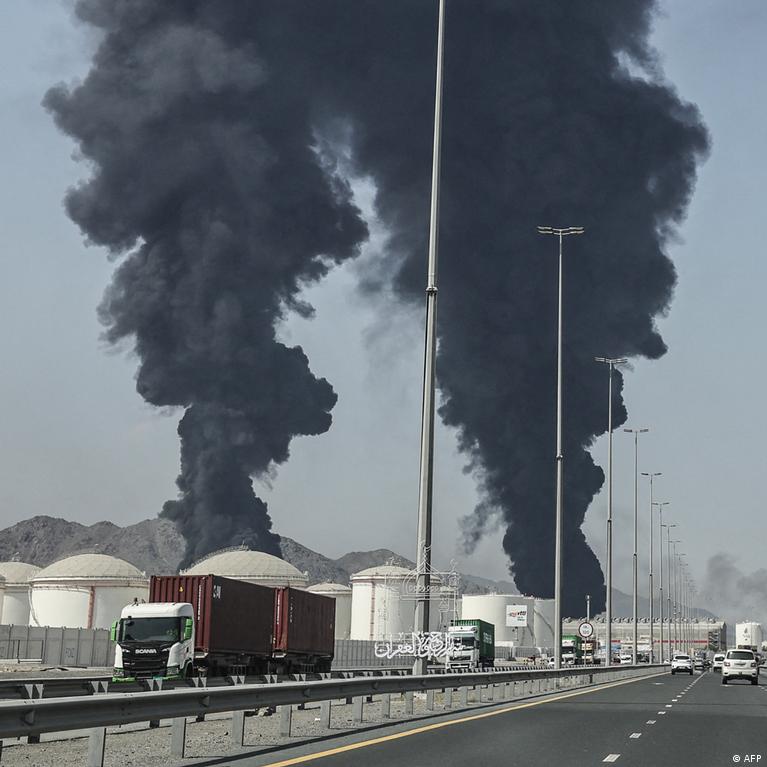
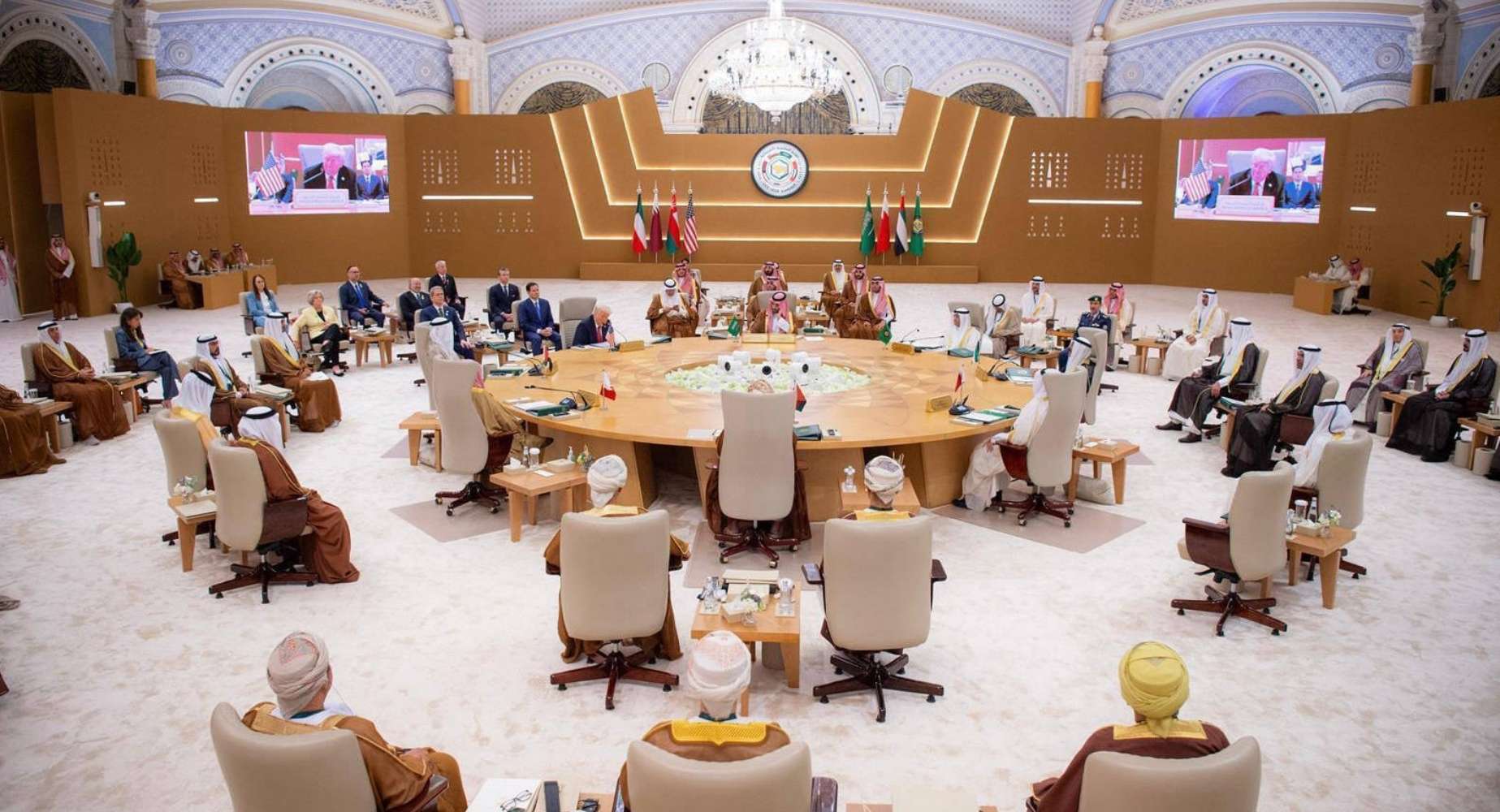
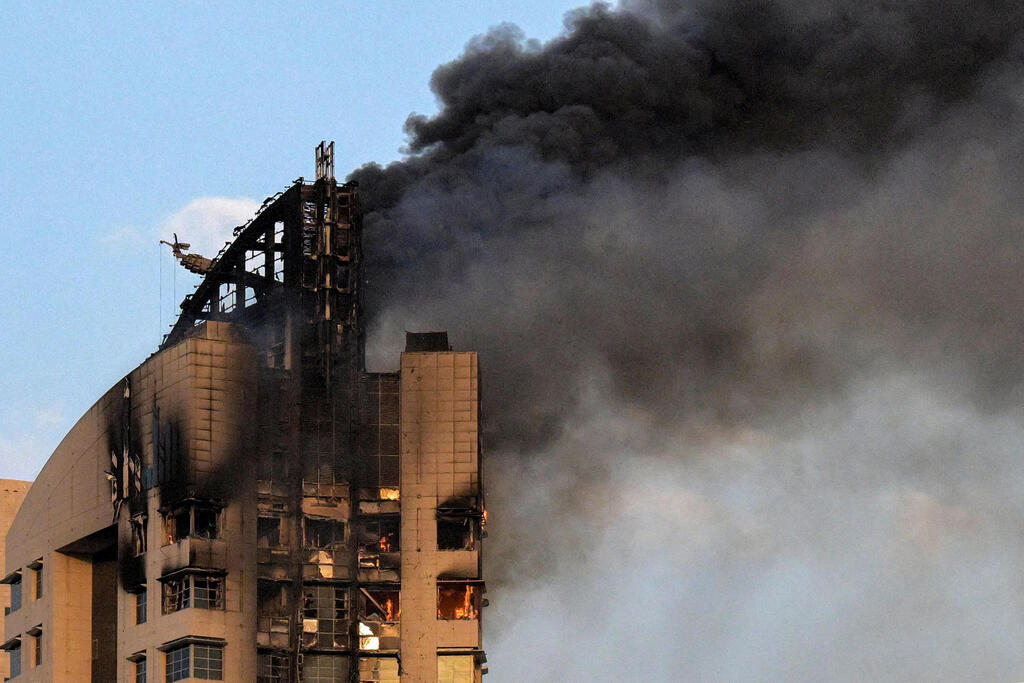
The Iran-Gulf conflict represents a critical supply chain inflection point for cross-border e-commerce sellers, driven by Iran's deliberate targeting of civilian economic infrastructure rather than military installations. Iran's February 28 military strikes on desalination plants (providing 99% of UAE/Kuwait drinking water), food import corridors (disrupting 80% of regional imports by mid-March), and critical infrastructure supporting tourism and financial services have fundamentally altered the geopolitical calculus for Gulf Arab states. The International Monetary Fund downgraded MENA regional growth projections by 2.3 percentage points to 1.4% for 2026, with UAE and Qatar experiencing the most severe impacts due to hydrocarbon export disruptions.
For cross-border sellers, the immediate implications are severe: The maritime blockade disrupted over 80% of the region's food imports by mid-March, causing food prices to spike 40-120%—creating both supply chain risks and demand opportunities. News 3 documents that retailers described conditions as a "grocery supply emergency," signaling potential demand surges for imported food products, water purification systems, and emergency supplies across Amazon, Noon.com, and regional marketplaces. The 19 million migrant workers from India, Bangladesh, and Pakistan facing economic devastation represent a critical consumer segment with reduced purchasing power, directly impacting demand for discretionary goods in Gulf markets.
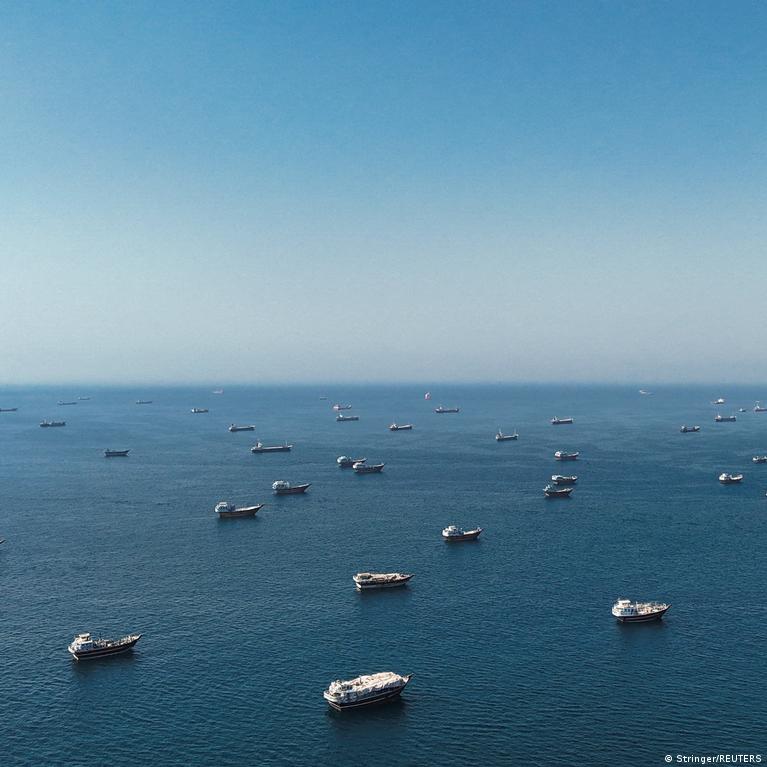
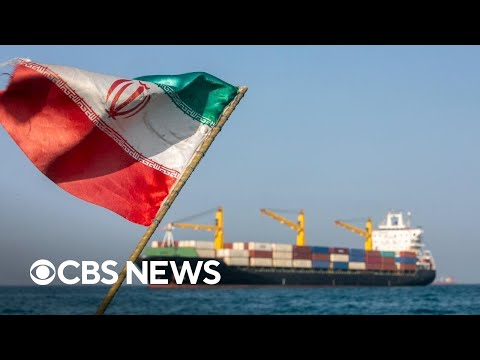
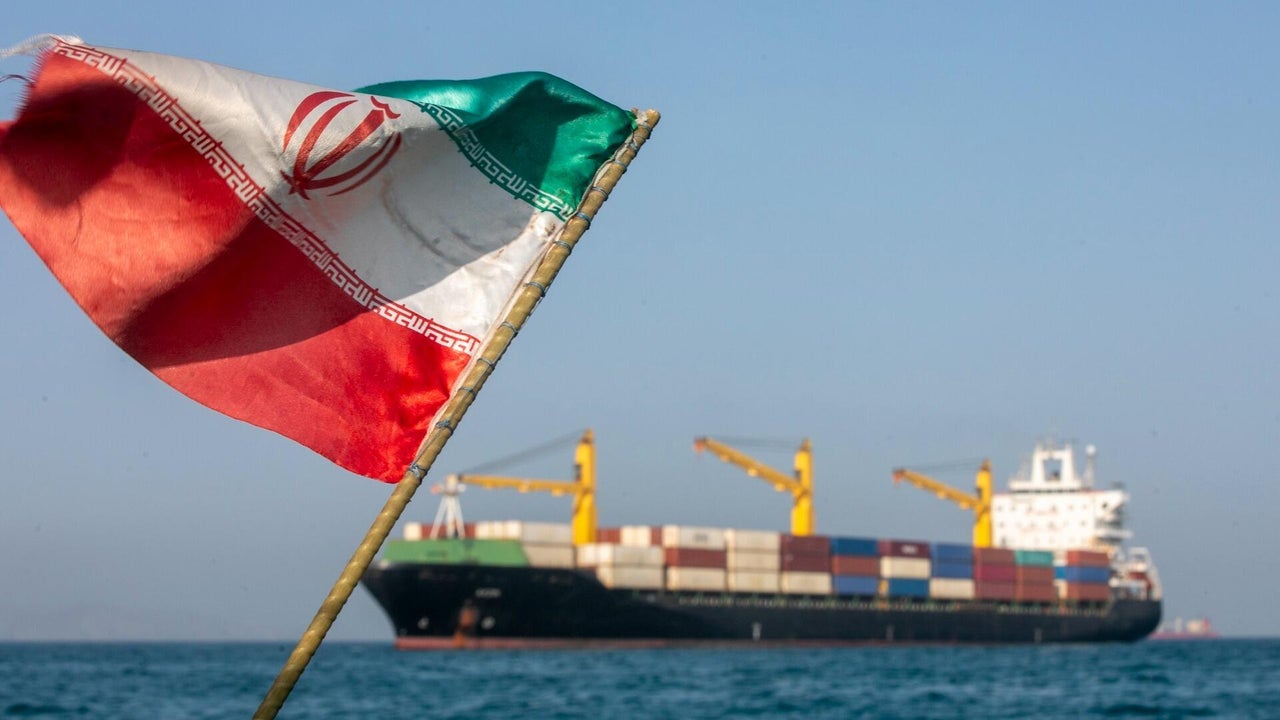
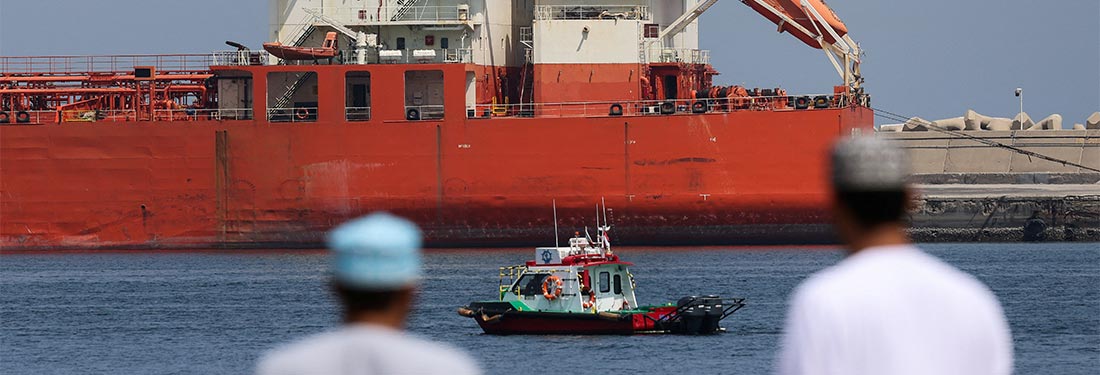
Strategic sourcing implications are equally critical: Iran's control over the Strait of Hormuz—through which one-third of global seaborne crude oil and one-fifth of LNG shipping passes—creates a structural vulnerability for sellers relying on Asian manufacturing and Gulf distribution. Anticipated global oil supply disruptions by late June-July 2025 (News 4) will compress shipping margins by 8-15% for sellers using standard ocean freight. The conflict has already triggered Western company withdrawals from Dubai (News 5), reducing competitive pressure but signaling market instability. Saudi Arabia and UAE's pivot toward independent diplomatic channels with Iran (News 4) suggests potential medium-term stabilization, but the 3-12 month window remains highly volatile.
Competitive dynamics are shifting dramatically: Sellers with diversified sourcing (Vietnam, India, Indonesia) gain 12-18% cost advantages over China-dependent suppliers facing longer Strait transit times. Small and medium sellers (annual revenue $500K-$5M) face disproportionate risk due to limited inventory buffers and higher per-unit logistics costs. Large sellers with 3PL networks in Singapore, Dubai, and Jebel Ali ports can absorb disruptions but face 15-25% temporary cost increases. The IMF's 2.3 percentage point growth downgrade signals reduced consumer spending power in UAE/Qatar through 2026, requiring sellers to shift inventory mix toward value-oriented and essential categories (food, water, hygiene, home essentials) rather than discretionary goods.
Questions 8
Should I diversify sourcing away from China given the Strait of Hormuz risks?
Yes—sellers should shift 20-30% of inventory sourcing to Vietnam, India, and Indonesia to reduce Strait transit dependency. News 4 indicates Iran maintains control over Strait shipping indefinitely, creating structural risk for China-dependent supply chains. Vietnam and India suppliers offer 12-18% cost advantages due to shorter transit routes (8-10 days to Dubai vs. 18-22 days from Shanghai) and reduced fuel surcharge exposure. However, Vietnam/India suppliers typically require 45-60 day lead times vs. 30-45 days from China, so plan sourcing transitions immediately. Start with non-critical SKUs (accessories, packaging, low-SKU-count categories) before shifting core inventory.
Which product categories will see demand increases in Gulf markets during this conflict?
Food, water purification, emergency supplies, and hygiene products will see 40-120% price spikes and sustained demand increases through 2026 (News 3). The maritime blockade disrupted 80% of regional food imports by mid-March, creating immediate opportunities for sellers offering canned goods, bottled water, rice, flour, and medical supplies on Amazon.ae, Noon.com, and Carrefour online. Desalination-related products (water filters, purification tablets, storage containers) face structural demand as UAE/Kuwait desalination plants remain vulnerable. Conversely, discretionary categories (apparel, home décor, electronics) will contract 15-25% as IMF downgraded MENA growth to 1.4% for 2026, reducing consumer spending power.