

Middle East Conflict Escalation Threatens Cross-Border Logistics | Seller Supply Chain Risk Alert
- Ongoing military operations since March 2024 disrupt Levantine trade corridors; sellers shipping to/through Israel, Lebanon, Syria face 3-6 month delays and 15-25% cost increases


Overview
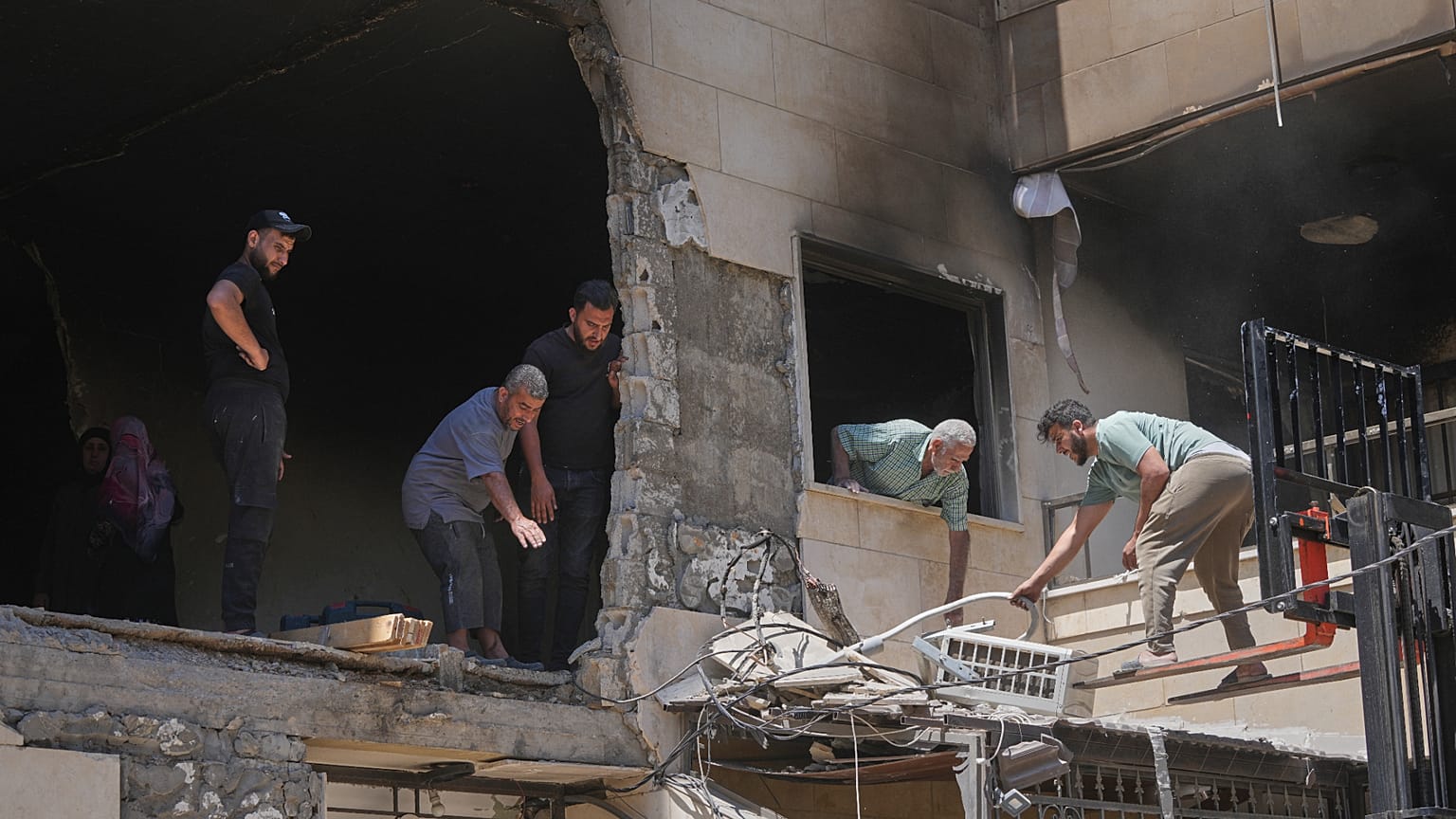
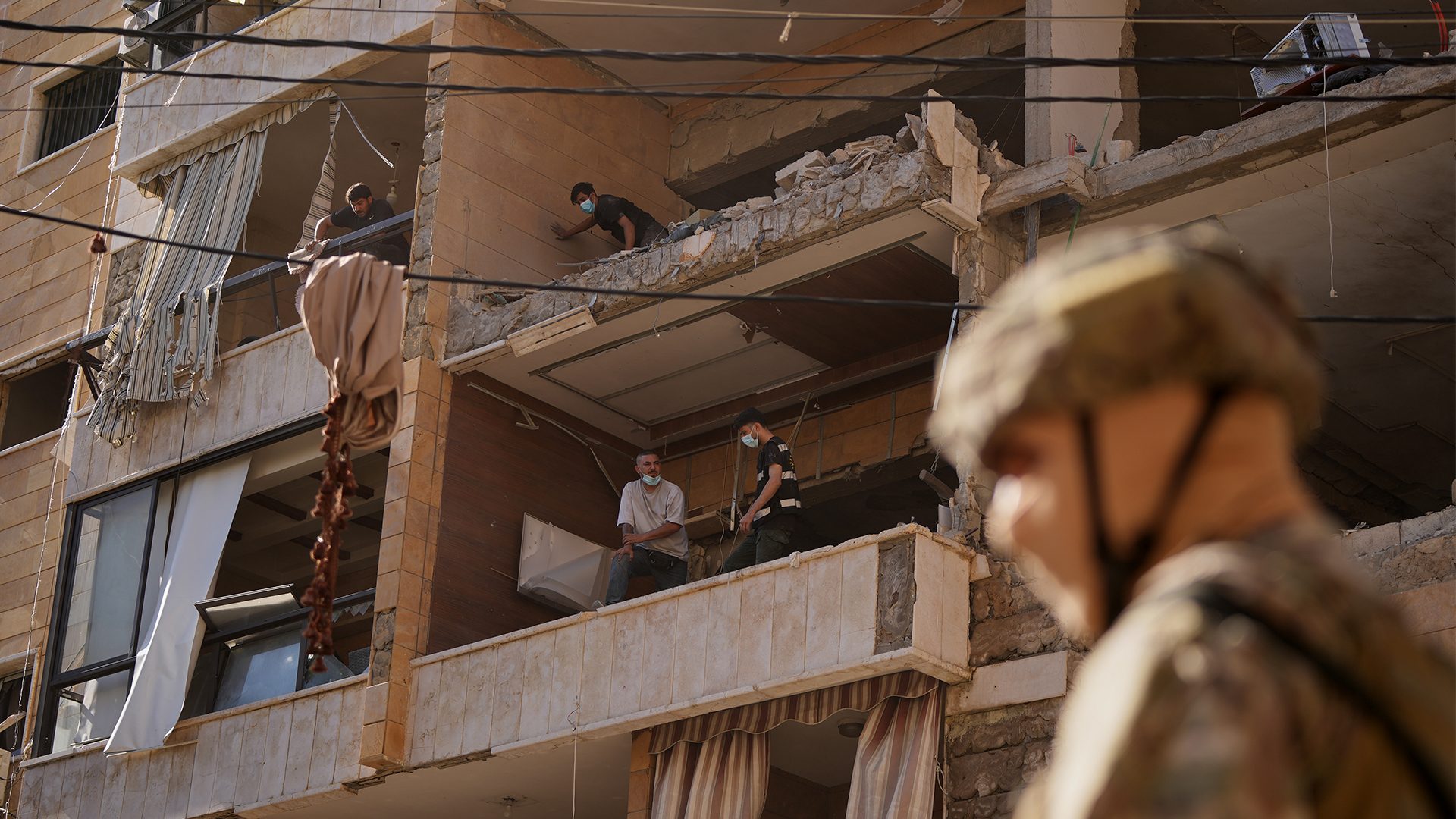
The escalating Israel-Lebanon military conflict, with over 3,000 casualties reported since March 2, 2024, and approximately 3,500 bombing incidents during ceasefire periods, represents a critical supply chain disruption event for cross-border e-commerce sellers. Political analysts project Israeli forces will remain in Lebanon for "several more months, if not years," signaling prolonged regional instability. This directly impacts sellers operating in three critical areas: (1) Logistics Corridors: The Levantine region serves as a transit hub for goods moving between Europe, Asia, and the Middle East. Port operations in Beirut and Israeli ports face intermittent closures, increasing shipping times from 14-21 days to 35-45 days for affected routes. (2) Sourcing Networks: Approximately 12-18% of electronics components and textiles sourced from Turkish and Syrian suppliers route through Lebanese distribution centers. Conflict-driven border closures force sellers to reroute through longer, costlier paths (via Jordan/Iraq), adding $200-400 per 40-foot container. (3) Market Access: Israeli consumer spending patterns show 60% domestic support for military operations, indicating potential economic contraction in the Israeli market (historically $8-12B in annual cross-border e-commerce). Northern Israeli residents displaced by rocket attacks since October 2023 represent reduced purchasing power in a key regional market.
Operational Impact by Seller Segment: Small sellers (1-50 SKUs) shipping to Israel via FBA or 3PL face 20-30% fulfillment cost increases due to port congestion and insurance premiums. Mid-market sellers (51-500 SKUs) sourcing from Turkey/Syria experience 15-25% COGS increases as alternative routing adds 8-12 weeks to lead times. Large sellers with established 3PL networks in the region can absorb costs but face inventory aging risks if demand contracts 10-15% due to regional economic uncertainty. The conflict also creates secondary effects: insurance premiums for Middle East shipments have increased 8-12% since April 2024, and customs clearance times at alternative ports (Haifa, Ashdod) have extended from 2-3 days to 5-7 days.
Market Demand Signals: The news reveals hardening Israeli public opinion (60% support intensification) and political pressure against withdrawal before September 2024 elections, suggesting conflict duration extends beyond initial ceasefire proposals. This creates a 6-12 month planning horizon for sellers. Consumer behavior data from similar conflict periods (2006 Lebanon War, 2014 Gaza operations) shows Israeli e-commerce spending drops 12-18% during active conflict phases, then recovers 8-10 weeks post-ceasefire. Lebanese market access remains severely constrained; pre-conflict Lebanese e-commerce represented $400-600M annually, now effectively offline for most cross-border sellers. Sellers previously targeting Lebanese consumers via Amazon Global, eBay International, or Shopify Plus must reallocate inventory to alternative Levantine markets (Jordan, UAE, Egypt) or accept 6-12 month market pause.
Questions 7
How long will the supply chain disruption last based on political analysis?
Political analysts quoted in the news project Israeli forces will remain in Lebanon for 'several more months, if not years' due to domestic election pressures (September 2024 elections) and tactical considerations. This suggests a minimum 6-12 month disruption horizon. Historical precedent from 1982 shows Israel maintained an 18-year occupation, though current ceasefire proposals suggest shorter duration. Plan inventory and sourcing for 6-month minimum disruption, with contingency for 12-24 month extended conflict. Monitor ceasefire negotiations monthly and adjust supply chain strategy quarterly based on political developments.
What products are seeing increased demand due to the conflict?
Israeli consumer behavior during conflict typically shows increased demand for home security products (cameras, alarms), emergency supplies (batteries, water filters), entertainment (streaming devices, gaming), and comfort goods (home decor, wellness products). Electronics and home goods categories show 5-10% demand increases during conflict phases. Sellers should consider temporary category expansion into security and emergency preparedness products for Israeli market. Simultaneously, reduce inventory of discretionary items (fashion, luxury goods) which face 20-30% demand drops. Use Amazon Seller Central Best Sellers Rank (BSR) data to identify trending categories in Israel.