



Armenia's EU Pivot Creates Trade Corridor Opportunities | Cross-Border Sellers Gain Market Access
- Pashinyan's 49.8% election victory signals Western integration; Russian import bans on flowers, cognac, produce create EU market arbitrage opportunities for sellers; TRIPP corridor development opens Central Asia logistics routes















Overview
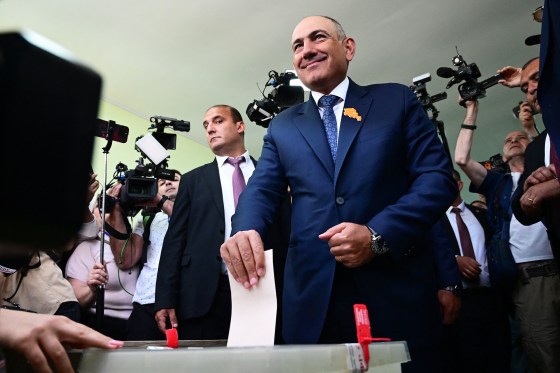
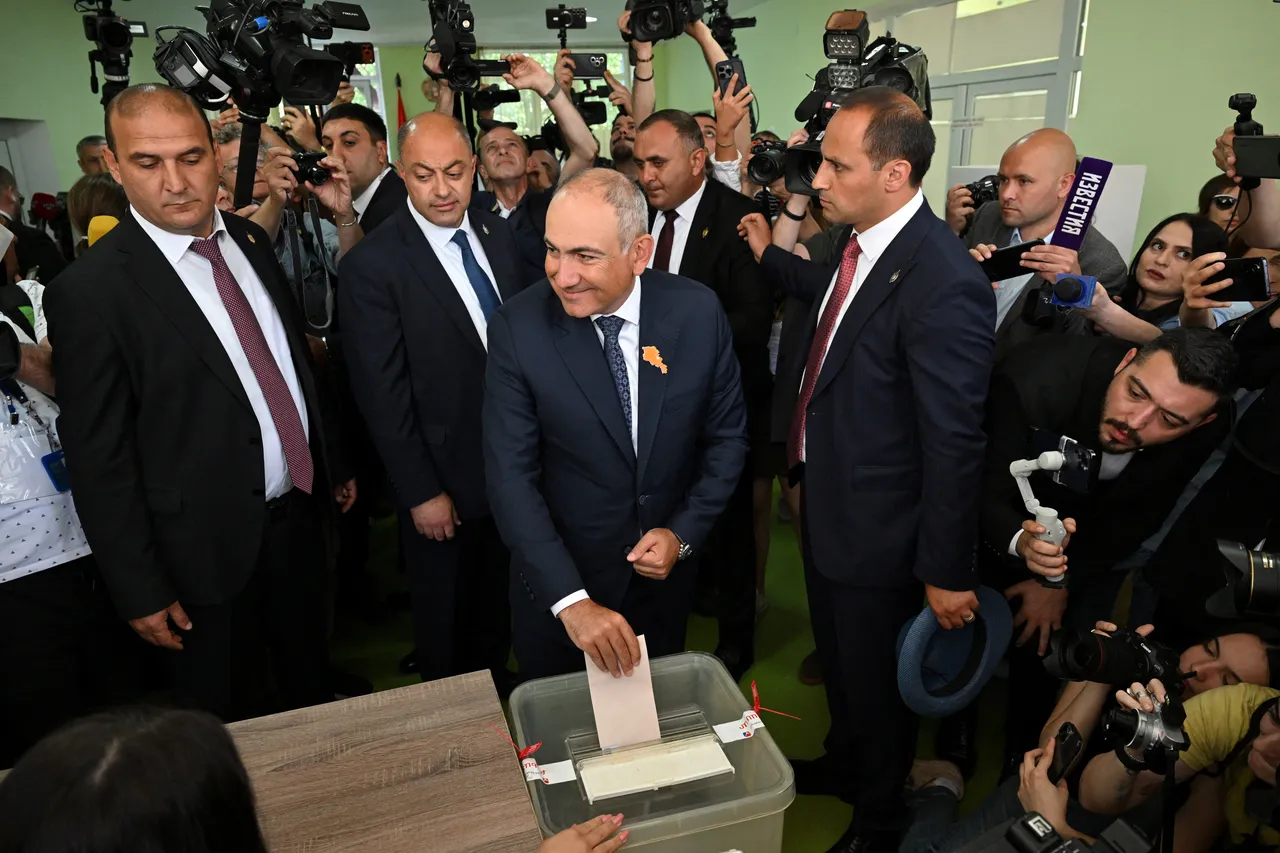
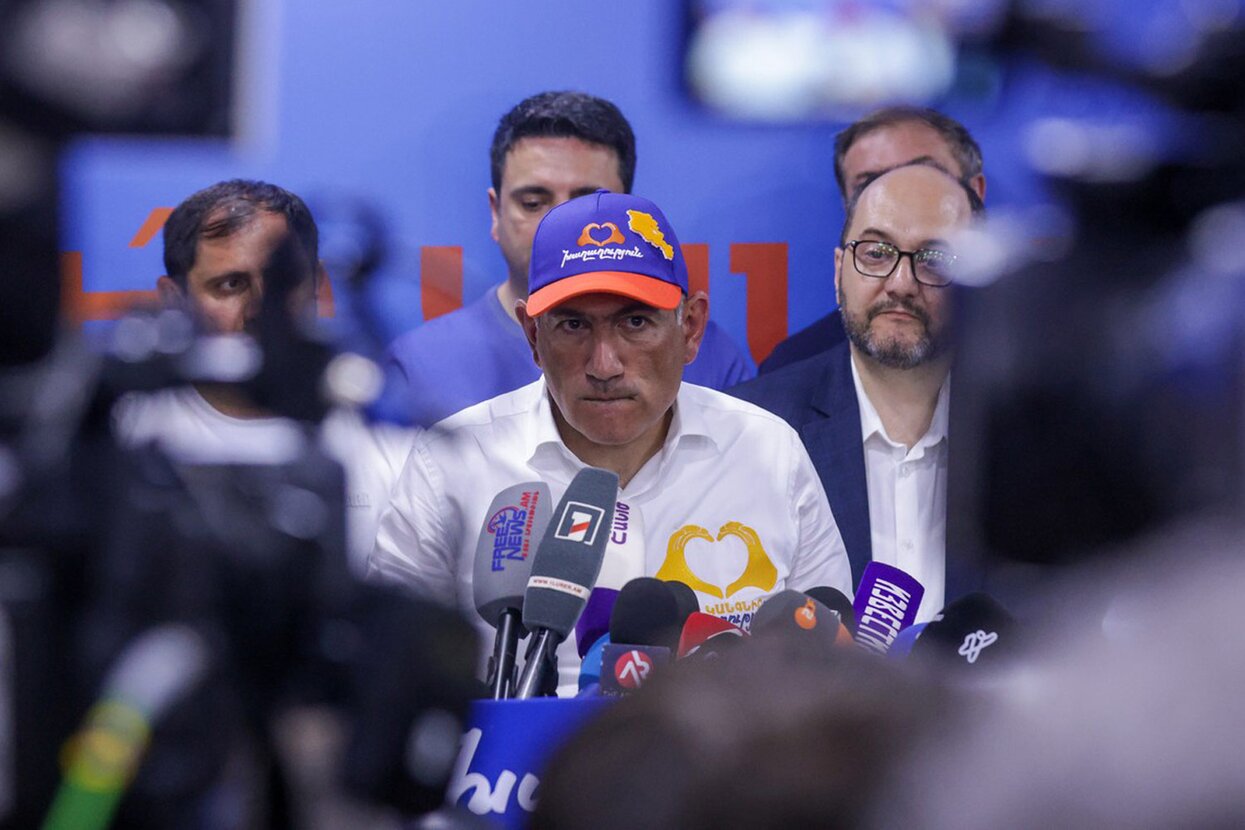
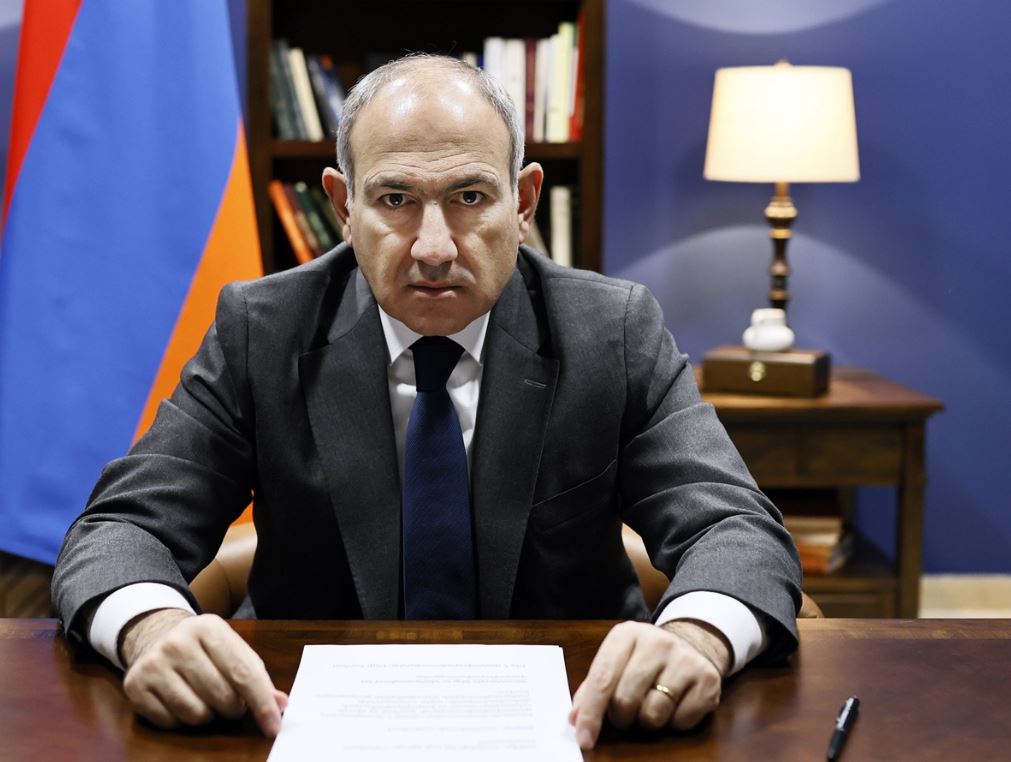
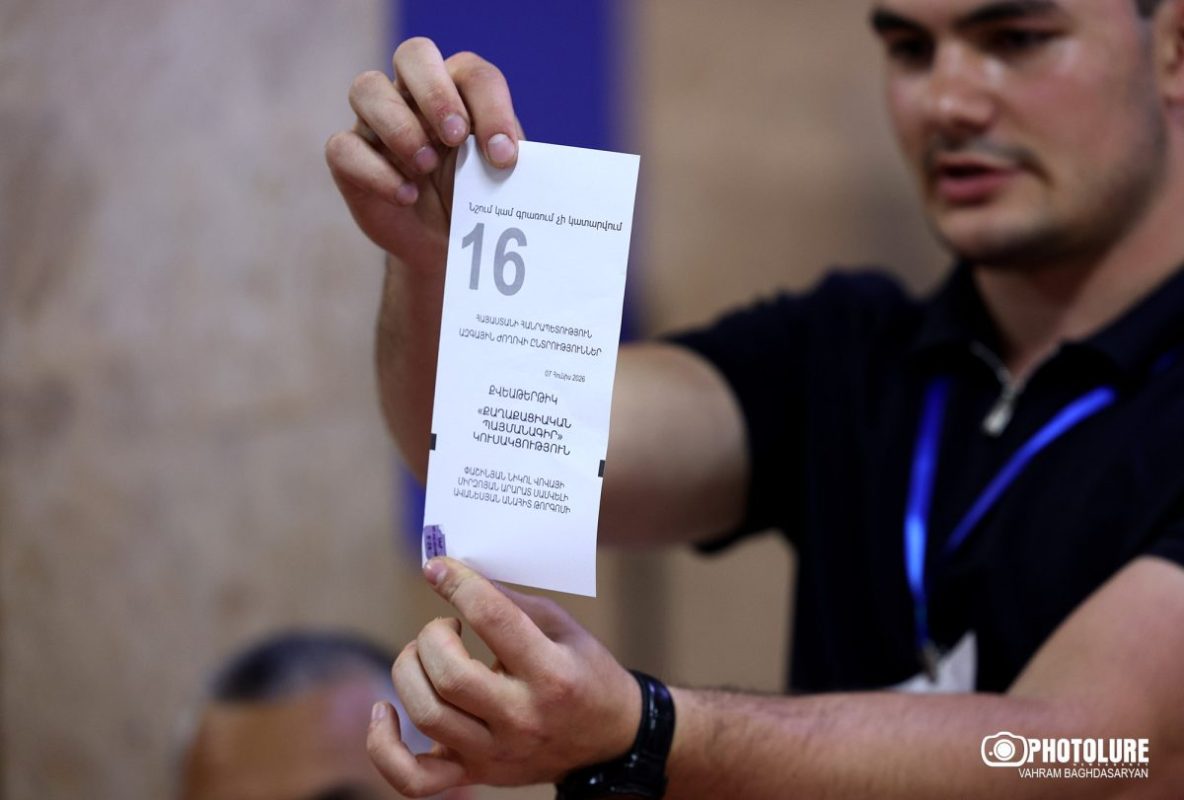
Armenia's geopolitical realignment following Prime Minister Nikol Pashinyan's decisive election victory (49.8% vote share, June 2025-2026) creates significant cross-border e-commerce opportunities through three interconnected mechanisms: trade policy shifts, market access expansion, and logistics infrastructure development.
The core opportunity stems from Russia's economic coercion strategy, which has backfired into a seller advantage. Moscow banned Armenian exports of flowers, mineral water, cognac, spirits, wine, and fresh produce—categories worth an estimated $200-400M annually in regional trade. The European Commission explicitly pledged "trade facilitation" support for these banned products, creating a direct arbitrage window. Sellers can now source Armenian agricultural products (fresh flowers, dried fruits, mineral water) and spirits at depressed prices (due to Russian market loss) and redirect them to EU marketplaces where demand remains strong. Armenian cognac and wine, historically sold at $15-35 per bottle wholesale, now face 30-40% margin compression in Russian channels but can achieve 25-35% margins through EU Amazon, eBay, and specialty food platforms.
The TRIPP (Trump Route for International Peace and Prosperity) corridor development represents a 12-24 month infrastructure opportunity. Pashinyan announced Armenia would ratify a White House agreement creating a transit corridor through Armenian territory, positioning the country as a "strategic energy bridge between Europe and Central Asia." This signals imminent logistics infrastructure investment—customs modernization, border processing acceleration, and 3PL network expansion. Sellers shipping to Central Asian markets (Kazakhstan, Kyrgyzstan, Uzbekistan) currently face 8-14 day transit delays through Russian routes; the TRIPP corridor could reduce this to 3-5 days, lowering fulfillment costs by $2-4 per unit for electronics and apparel categories. Early movers establishing Armenian logistics hubs (via partnerships with local 3PLs) will gain competitive advantage before infrastructure becomes commoditized.
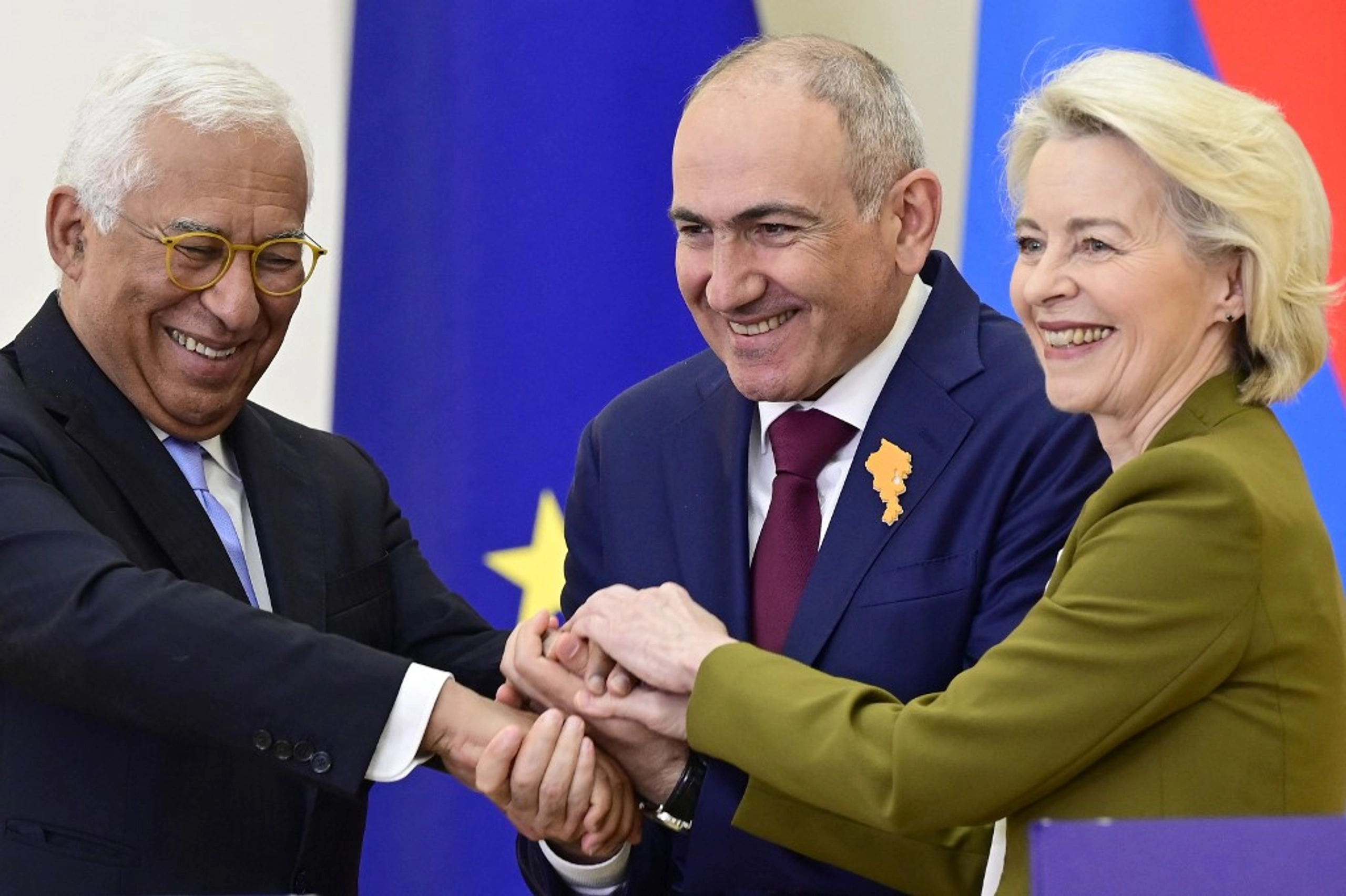
EU market access acceleration creates immediate category opportunities. Armenia lacks EU candidate status but is pursuing "EU accession criteria" through regulatory harmonization. This means Armenian sellers and EU-based sellers sourcing from Armenia will face reduced compliance friction within 6-12 months. Categories benefiting include: organic/specialty foods (flowers, herbs, dried fruits), beverages (cognac, wine, mineral water), and handicrafts. The EU's explicit support for Armenian product trade facilitation suggests tariff reductions or quota exemptions for these categories are likely within the next 18 months. Sellers should monitor EU Commission announcements for Armenia-specific trade agreements, which typically precede formal tariff changes by 4-6 weeks.
Competitive dynamics shift decisively against Russia-dependent sellers. Approximately 15-20% of cross-border sellers in Eastern Europe/Caucasus region currently source from or route through Russia. Pashinyan's Western pivot and Armenia's CSTO participation freeze signal accelerating de-Russification of regional supply chains. Sellers relying on Russian logistics, payment processors, or sourcing will face increasing friction; those pivoting to EU-Armenia-Central Asia corridors gain first-mover advantage. The timing window is immediate (0-6 months) as infrastructure planning begins, with implementation acceleration expected in Q3-Q4 2025.
Questions 8
What competitive advantages do sellers gain from Armenia's CSTO participation freeze?
Pashinyan's government froze participation in the Russian-led Collective Security Treaty Organization (CSTO) following the 2023 Nagorno-Karabakh conflict, signaling accelerating de-Russification of regional supply chains. Approximately 15-20% of Eastern Europe/Caucasus sellers currently source from or route through Russia. Those pivoting to EU-Armenia-Central Asia corridors gain first-mover advantage as infrastructure develops. Russia-dependent sellers face increasing friction through payment processor restrictions, logistics delays, and customs complications. The timing window for corridor diversification is immediate (0-6 months) as infrastructure planning begins, with implementation acceleration expected Q3-Q4 2025.
When should sellers begin establishing Armenian logistics partnerships?
The optimal timing is immediate (next 30-60 days) as TRIPP corridor planning begins and EU-Armenia trade agreements enter negotiation phase. Early movers establishing 3PL partnerships with Armenian logistics providers will secure preferred rates and capacity before infrastructure becomes commoditized. Expect formal infrastructure announcements within 90 days, followed by customs modernization and border processing upgrades within 6-12 months. Sellers should identify Armenian 3PL partners now, negotiate pilot programs for Central Asia routes, and test cost reductions before competitors enter the market. Delay beyond Q2 2025 risks losing first-mover advantage as infrastructure becomes widely known.