
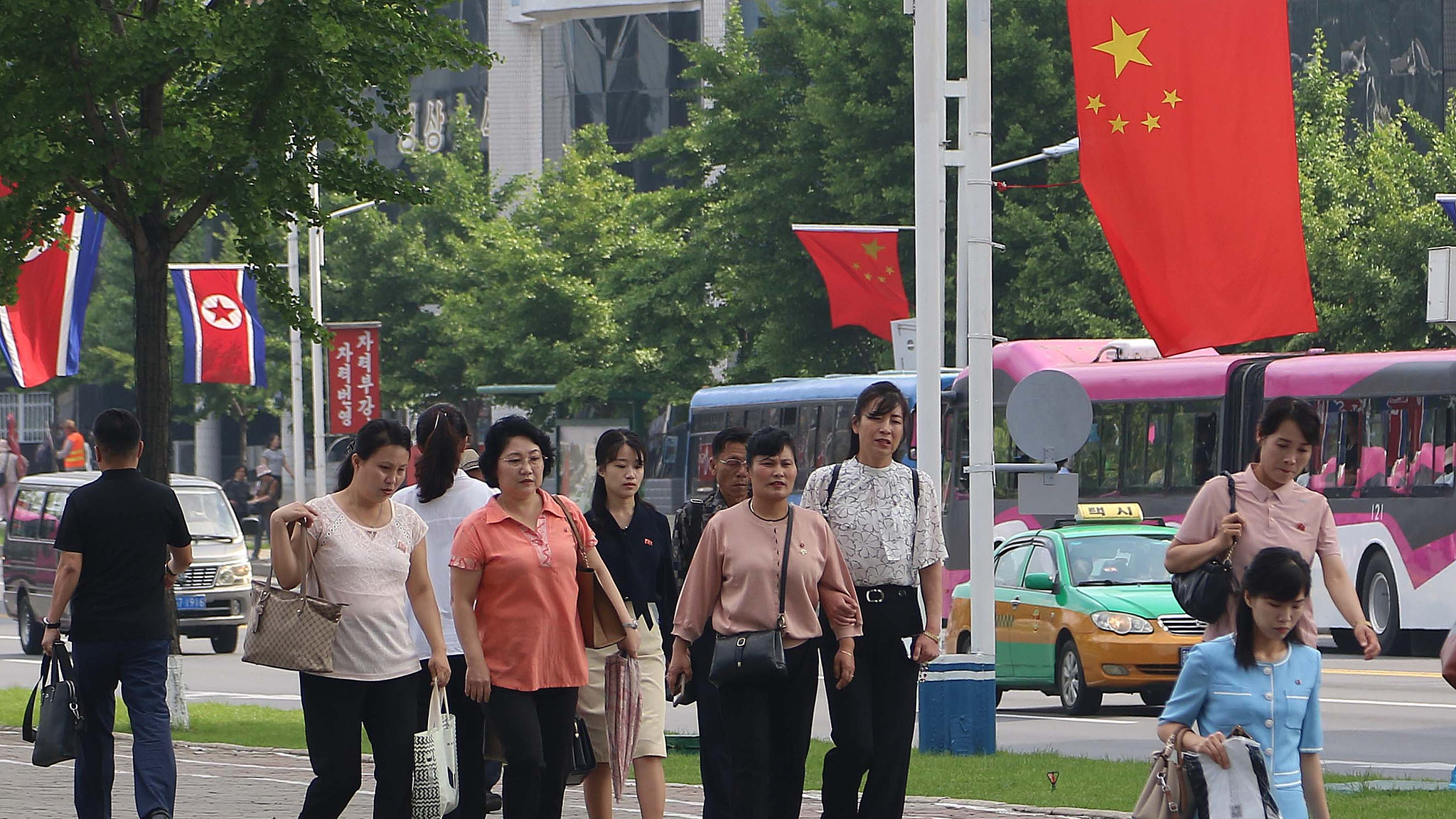

China-North Korea Diplomatic Strengthening | Supply Chain & Trade Policy Shifts for Cross-Border Sellers
- June 2026 state visit signals potential logistics corridor changes and customs procedure evolution affecting sellers with China-based operations and Korean peninsula supply chains


Overview
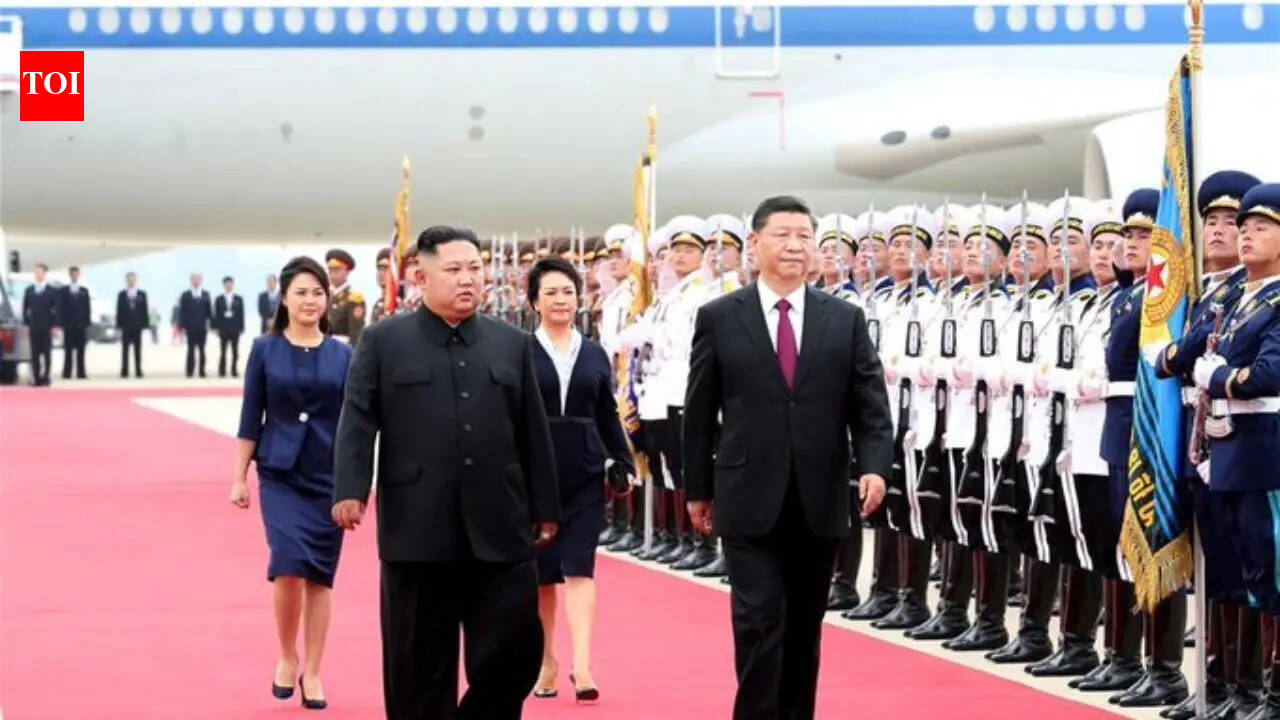
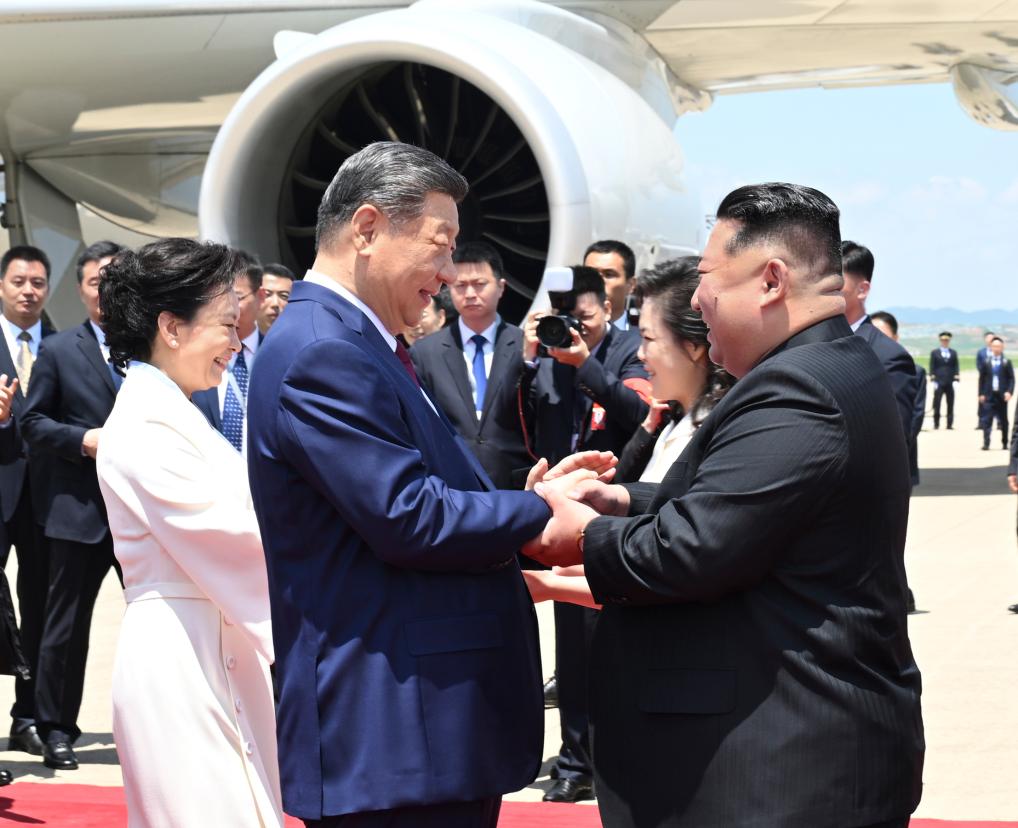
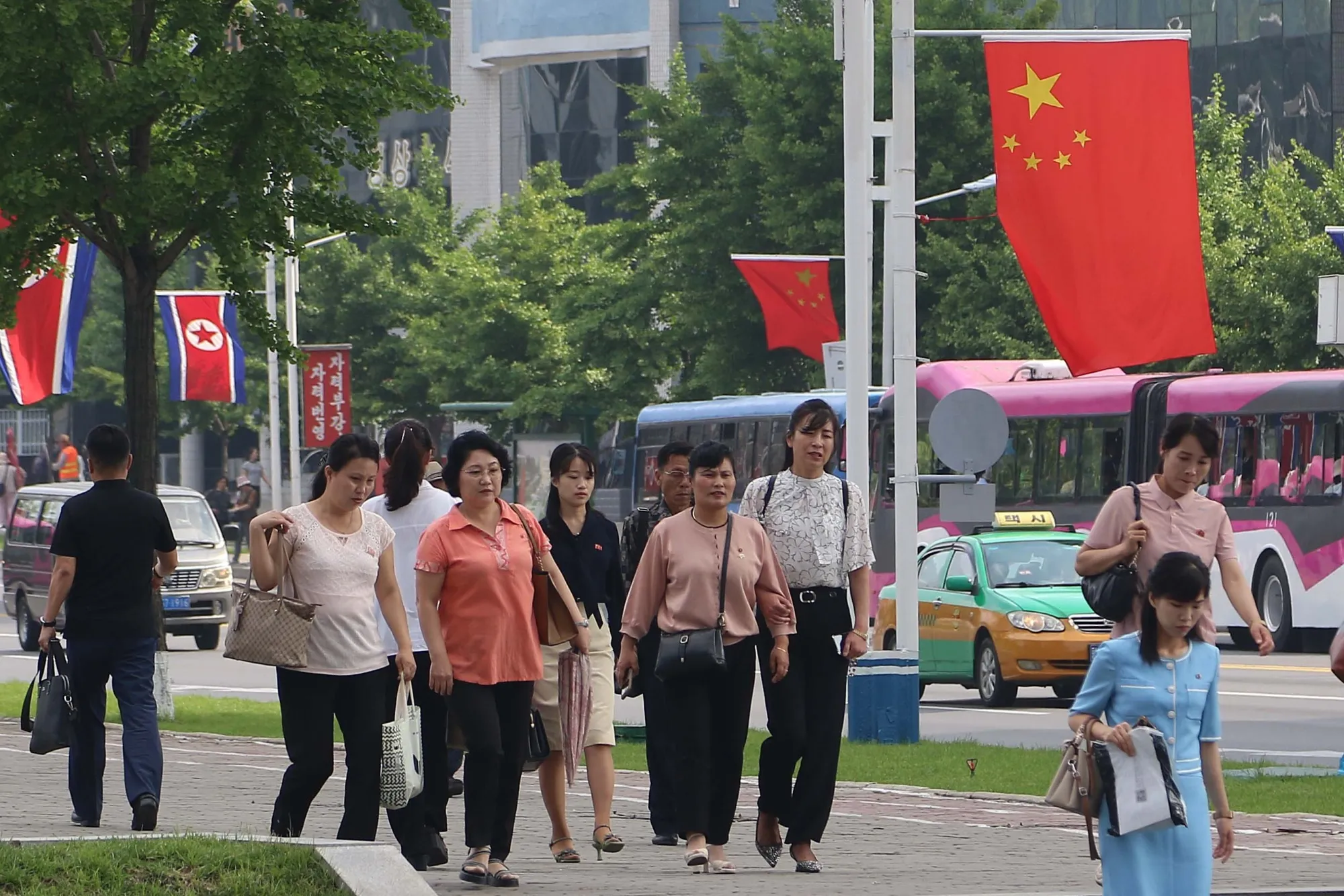
Chinese President Xi Jinping's first state visit to North Korea since 2019 (June 8-9, 2026) represents a significant diplomatic reset with direct implications for cross-border e-commerce supply chains and trade dynamics in East Asia. The two-day bilateral engagement, emphasizing "unbreakable" China-North Korea relations, signals potential shifts in regional economic cooperation frameworks that could reshape logistics corridors, customs procedures, and market access for sellers operating in or sourcing from the Korean peninsula. For cross-border sellers, this diplomatic strengthening creates both opportunities and risks across three critical dimensions.
Supply Chain Reconfiguration Risk: Enhanced China-North Korea relations may influence sourcing strategies for sellers currently routing goods through Chinese manufacturing hubs. Historically, diplomatic warming between Beijing and Pyongyang has preceded incremental trade facilitation measures—including potential customs streamlining at border checkpoints and reduced documentation requirements for bilateral commerce. Sellers with supply chains touching the Korean peninsula should anticipate possible changes to customs clearance timelines (currently 5-10 business days at Dandong/Sinuiju crossings). The timing of this visit, occurring amid evolving geopolitical tensions, suggests China is prioritizing regional stability, which could translate to more predictable trade corridors for sellers routing goods through Chinese ports and logistics networks.
Logistics Corridor Optimization Opportunity: Strengthened bilateral ties may unlock previously constrained logistics routes. Sellers currently using Shanghai, Shenzhen, or Dalian ports for East Asian distribution could benefit from potential improvements to cross-border rail and maritime corridors connecting China to North Korea and onward to South Korea. This could reduce shipping times by 15-25% for sellers targeting Korean markets and create arbitrage opportunities in categories like electronics, apparel, and consumer goods where Korean demand remains strong despite geopolitical constraints.
Regulatory Environment Monitoring: The diplomatic visit underscores China's commitment to maintaining North Korea relations despite international sanctions. For sellers, this means monitoring potential shifts in Chinese export control policies, customs valuation procedures, and trade documentation requirements. Sellers engaged in China-based operations should establish compliance tracking systems to detect regulatory changes that could affect duty calculations, tariff classifications, or documentation requirements for goods transiting through Chinese logistics networks.
Competitive Advantage for China-Based Sellers: Medium to large sellers with established manufacturing relationships in China gain strategic advantage from improved regional stability. Smaller sellers relying on third-party logistics (3PL) providers should negotiate contracts with flexibility clauses addressing potential customs procedure changes. The diplomatic signal suggests a 6-12 month window before any formal trade facilitation measures materialize, creating a timing advantage for sellers who proactively optimize supply chains during this transition period.
Questions 8
How should sellers adjust their 3PL provider contracts given this geopolitical shift?
Sellers should renegotiate 3PL contracts to include flexibility clauses addressing potential customs procedure changes, tariff rate adjustments, and logistics corridor optimization. Specifically, contracts should allow for route adjustments if new rail or maritime corridors open between China and Korea, with cost-sharing mechanisms for efficiency gains. Sellers should also require quarterly compliance updates from 3PL providers regarding Chinese export control policy changes and customs documentation requirements. Medium to large sellers (shipping 500+ units monthly) should consider dual-sourcing strategies with 3PL providers in different Chinese ports (Shanghai, Shenzhen, Dalian) to hedge against regional logistics disruptions. Smaller sellers should prioritize 3PL providers with established relationships at Dandong and Sinuiju checkpoints, as these corridors are most likely to benefit from diplomatic warming.
What tariff arbitrage opportunities emerge from improved China-North Korea relations?
Improved bilateral relations may create tariff arbitrage opportunities if China and North Korea formalize preferential trade agreements reducing tariff rates on specific product categories. Sellers should monitor for potential tariff reductions on electronics (HS 8471-8517), machinery (HS 8401-8483), and apparel (HS 6201-6217) that could reduce landed costs by 5-15%. The diplomatic visit signals China's commitment to regional stability, suggesting formalized trade agreements may emerge within 12-18 months. Sellers should establish tariff monitoring systems tracking HS code-specific rate changes at Chinese Customs and prepare sourcing strategy adjustments if preferential rates materialize. However, sellers must balance tariff savings against geopolitical risk—North Korea remains subject to international sanctions, so tariff benefits may be offset by compliance complexity and reputational risks for sellers operating in Western markets.