

Philippines Earthquake June 2026 | Supply Chain Risk & Emergency Product Demand Surge for Sellers
- Magnitude 7.8 earthquake disrupts Mindanao logistics hub; creates urgent demand for safety/relief products across Southeast Asia marketplace







Overview
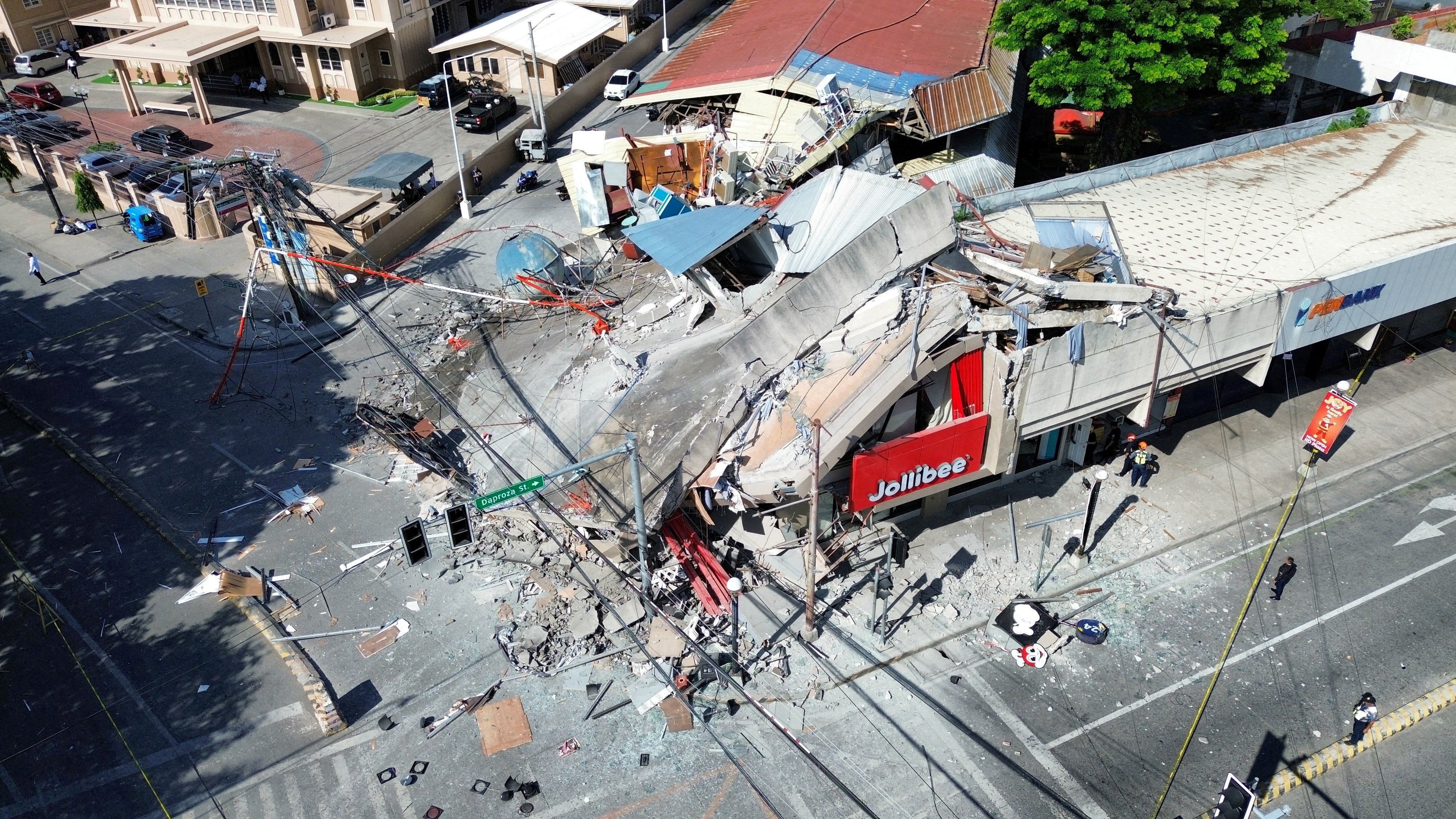
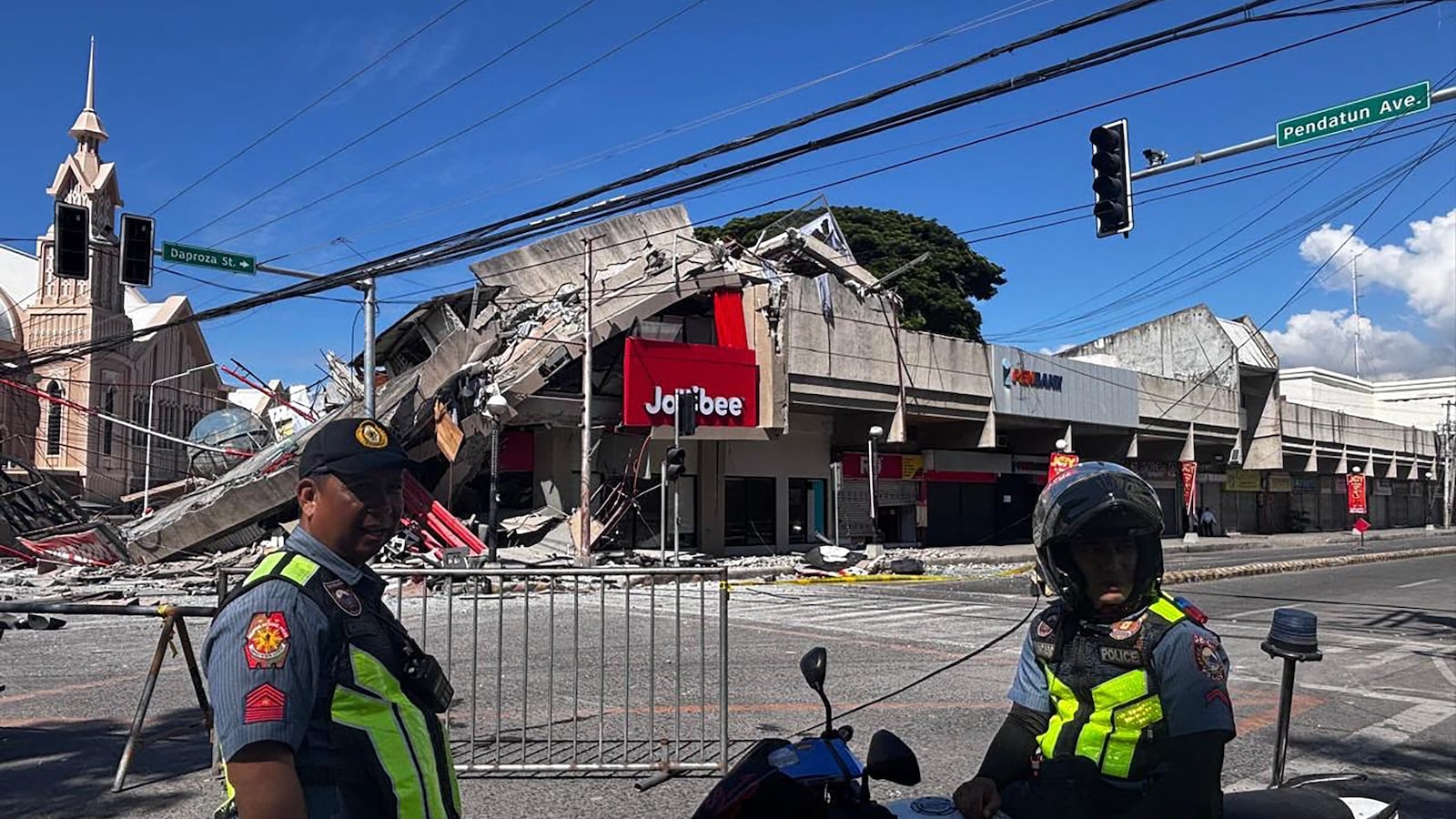
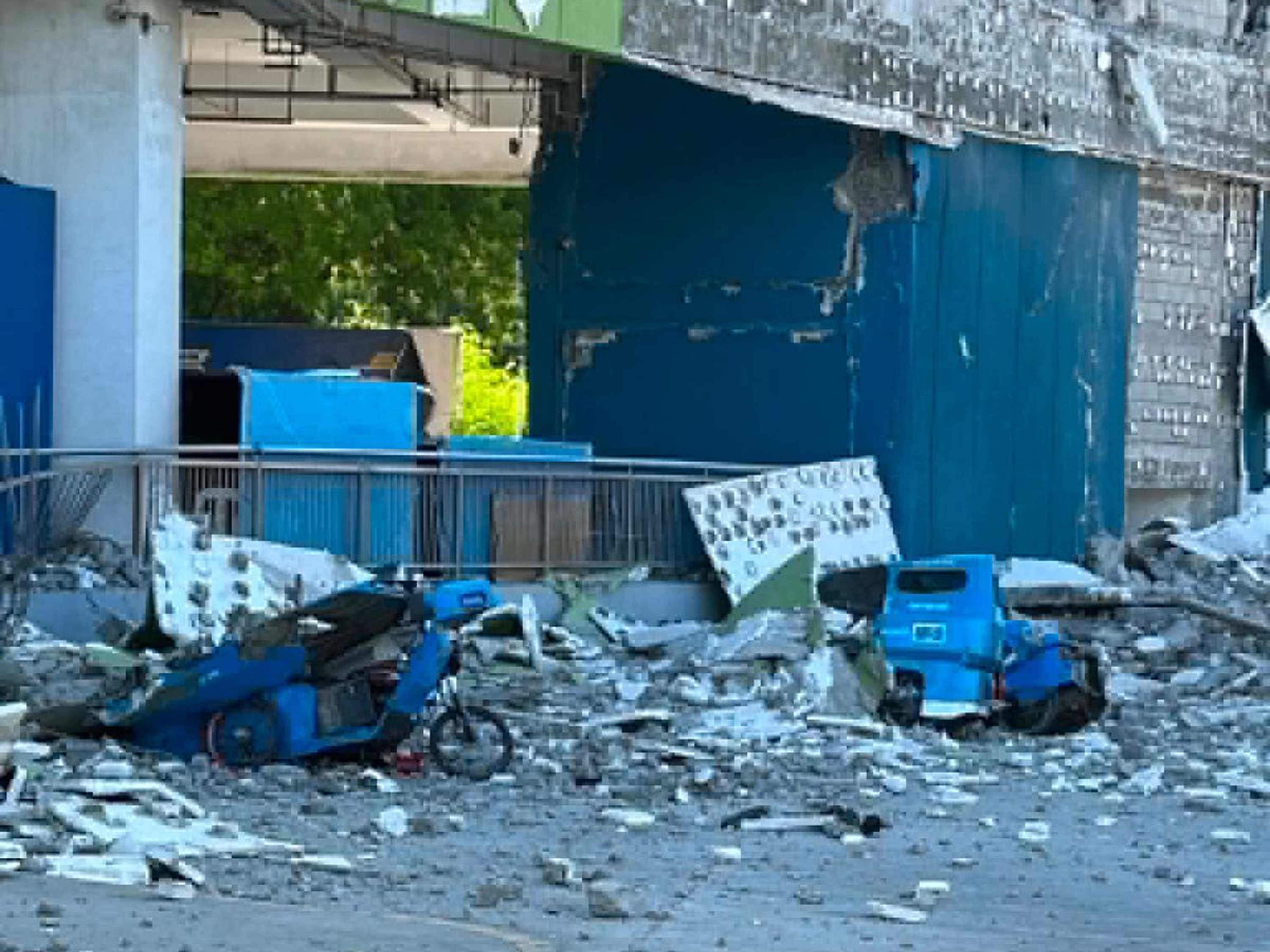
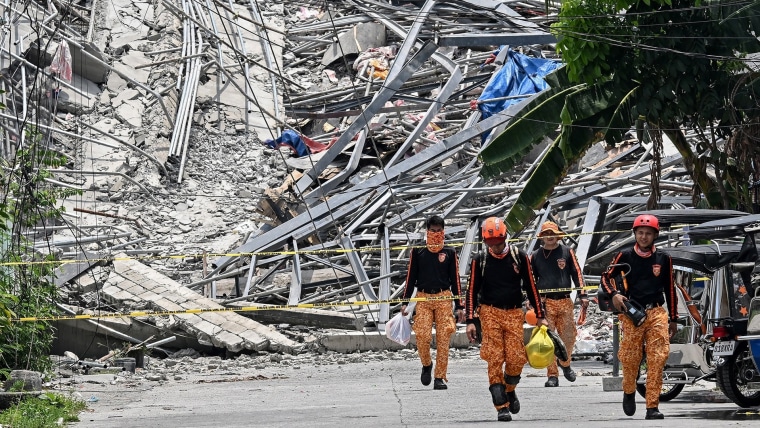
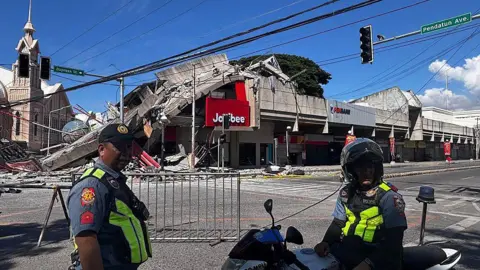
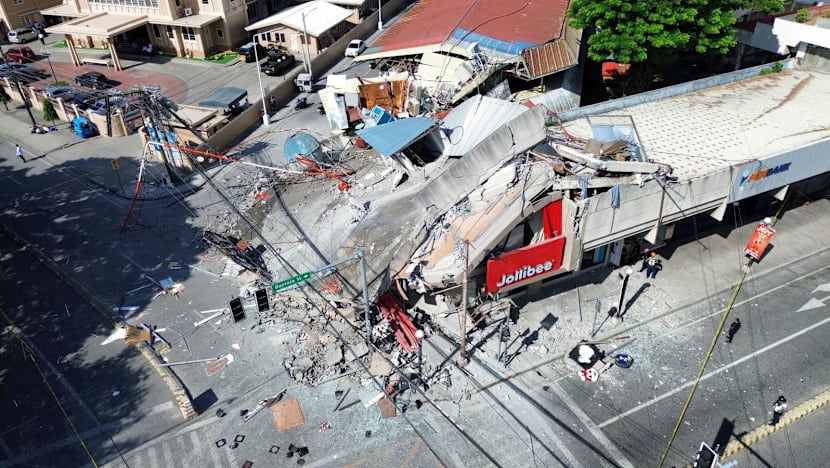
The June 8, 2026 magnitude-7.8 earthquake in southern Philippines represents a critical supply chain disruption and demand catalyst for cross-border sellers. The National Disaster Agency confirmed 19 deaths, 134 injuries, and 12 missing persons, with General Santos City and Davao City—major commercial hubs in Mindanao—experiencing severe infrastructure damage. This event directly impacts sellers with inventory, fulfillment operations, or supplier relationships in the Philippines, while simultaneously creating urgent product demand across Southeast Asian markets.
Supply Chain Implications: General Santos City and Davao City serve as critical logistics nodes for regional e-commerce operations, particularly for electronics, apparel, and food products sourced from or shipped through the Philippines. The ongoing aftershock warnings from the Office of Civil Defense indicate sustained operational disruption for 2-4 weeks minimum. Sellers with 3PL warehouses, manufacturing partners, or fulfillment centers in Mindanao face inventory access delays, shipping delays to Australia/New Zealand, and potential customs processing backlogs. Sellers shipping from Philippines-based suppliers should expect 7-14 day delays and increased freight costs (typically 15-25% premium during disaster recovery periods).
Demand Opportunity Window: Natural disasters historically trigger 40-60% spikes in emergency product categories within 48-72 hours of major events. Sellers should prioritize inventory and marketing for: (1) Safety/Preparedness (first aid kits, flashlights, water purification, emergency radios—typically $15-80 ASP), (2) Building/Repair Materials (tarps, rope, nails, power tools—$20-200 range), (3) Home Comfort (portable generators, batteries, camping gear—$50-400 range), and (4) Health/Hygiene (masks, sanitizers, medications—$5-30 range). These categories see 3-6 month elevated demand in disaster-affected regions as reconstruction begins.
Regional Market Context: The Philippines sits on the Pacific Ring of Fire with recurring seismic activity (6.9-magnitude event September 2025, 7.0-magnitude July 2022). This pattern indicates structural vulnerability across Southeast Asian supply chains and sustained demand for disaster-resilience products. Sellers with Amazon, Shopify, or Lazada presence in Philippines, Indonesia, Malaysia, and Thailand should expect increased search volume for emergency supplies and building materials through Q3 2026.
Operational Risk: Sellers relying on Philippines-based suppliers for electronics, textiles, or agricultural products face 2-6 week sourcing delays. Inventory replenishment timelines should be extended by 50% for products manufactured in Mindanao region. Customs clearance at Manila and Cebu ports may experience 3-5 day delays due to port congestion from disaster relief operations.
Questions 7
What product categories see demand spikes after major earthquakes?
Natural disasters historically drive 40-60% demand increases in emergency preparedness, building materials, and home comfort categories within 72 hours. High-demand products include: first aid kits ($15-80), flashlights and batteries ($10-50), water purification systems ($20-100), tarps and rope ($5-40), portable generators ($200-400), and hygiene products ($5-30). These categories maintain elevated demand for 3-6 months as reconstruction begins. Sellers should increase PPC budgets for these keywords in Philippines, Indonesia, Malaysia, and Thailand marketplaces immediately.
Which Southeast Asian markets will experience secondary demand effects?
The Philippines earthquake creates spillover demand in neighboring countries: Indonesia, Malaysia, Thailand, and Vietnam. Consumers in these Ring of Fire nations increase emergency preparedness purchases when major seismic events occur nearby, fearing similar events. Sellers on Lazada, Shopee, and Amazon Southeast Asia should expect 20-35% traffic increases to emergency product listings in these markets through July 2026. Regional shipping from non-Philippines hubs becomes more competitive during this window.