



Peru Political Uncertainty Reshapes LATAM E-Commerce Demand | Seller Opportunity Analysis
- Election deadlock creates 4-8 week market volatility window; rural demand surge signals emerging market opportunity for sellers targeting Andean regions


Overview
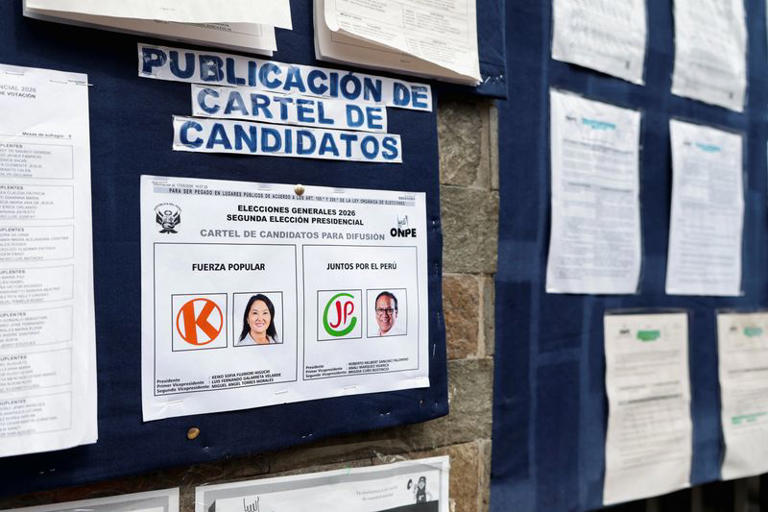
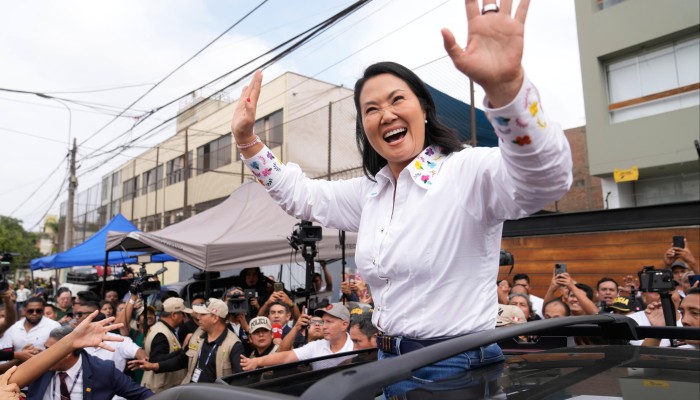
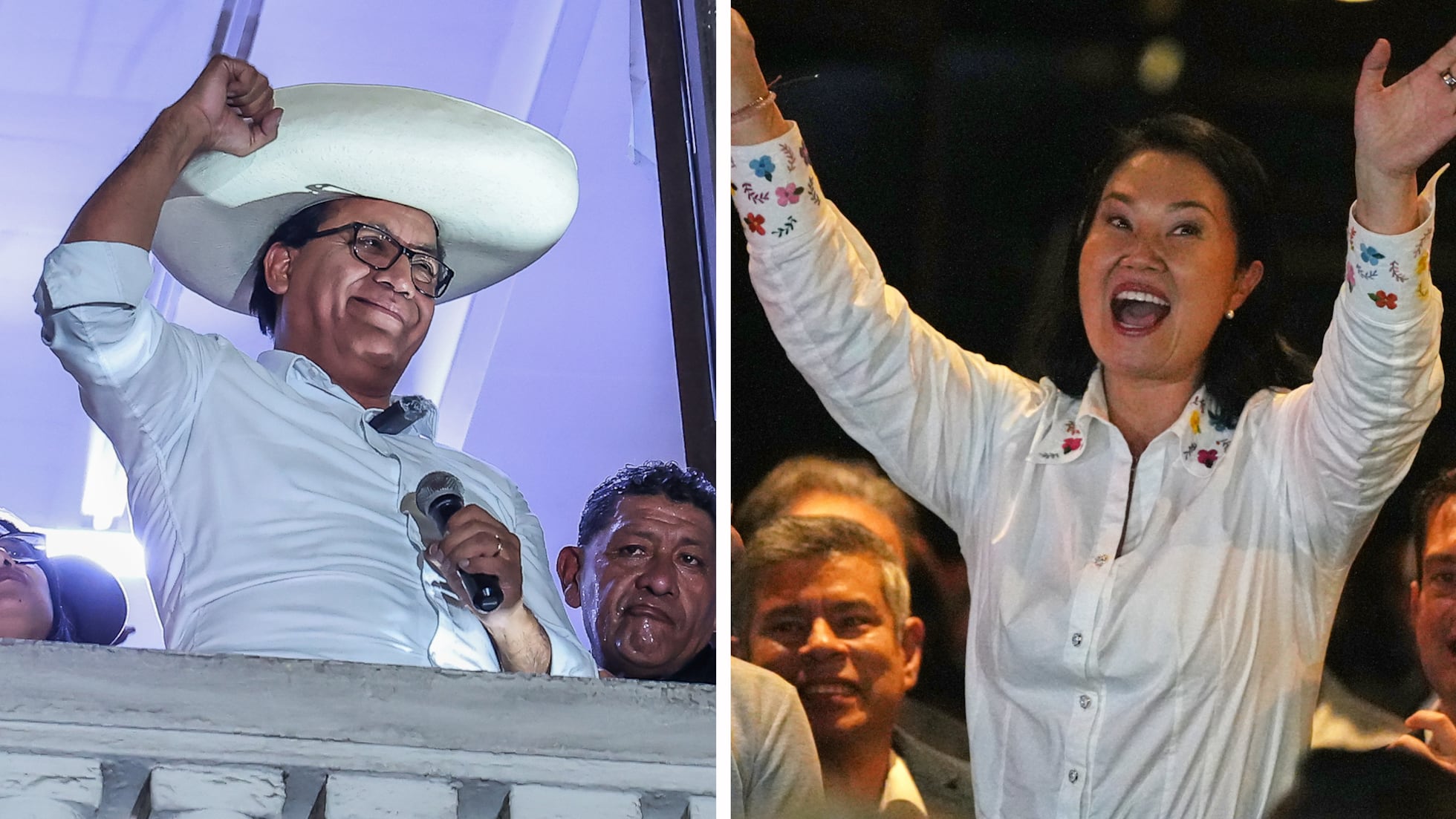
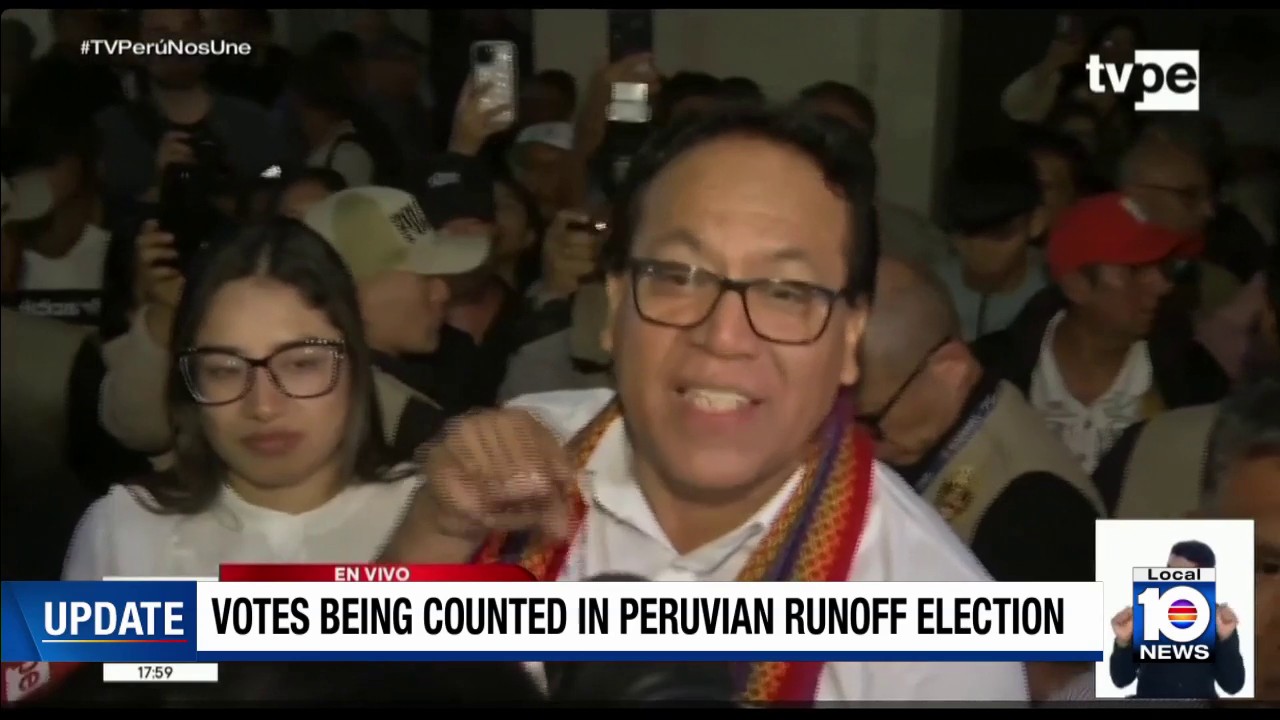
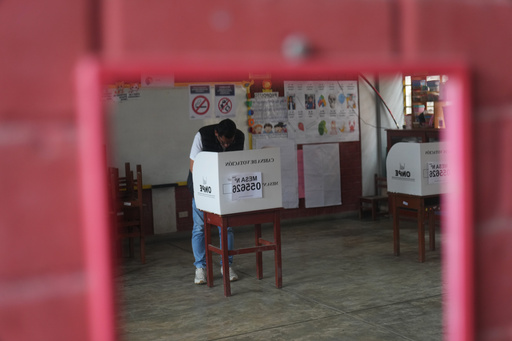
Peru's razor-thin presidential election (50.3% vs 49.7% with 91% votes counted) creates a critical 4-8 week period of political and economic uncertainty that directly impacts cross-border e-commerce sellers targeting Latin America. The statistical dead heat between left-wing Roberto Sánchez (promising state control of natural resources and rural investment) and right-wing Keiko Fujimori (emphasizing crime-fighting policies) has already "rattled financial markets," signaling currency volatility and shifting consumer spending patterns across Peru's distinct geographic markets.
Market Segmentation Opportunity: The election results reveal two distinct consumer segments with divergent purchasing power. Sánchez dominates rural and Andean regions (historically underserved by e-commerce), while Fujimori leads Lima and coastal urban areas (established e-commerce hubs). This geographic split creates a critical insight: rural voters prioritizing economic reform and increased investment represent an emerging market segment with growing disposable income and limited existing online shopping infrastructure. Sellers specializing in affordable consumer goods, agricultural supplies, and basic electronics can capitalize on this underserved demographic during the 4-8 week election resolution period when political messaging emphasizes rural development.
Currency and Payment Risk: The news explicitly states left-wing economic policies have "rattled financial markets," indicating Peruvian sol volatility and potential payment processing complications. Sellers accepting Peruvian currency or operating through regional payment processors (Mercado Pago, Niubiz) face 3-6% currency fluctuation risk during the extended recount period. The prospect of "weeks of uncertainty" and "potential post-election instability" with supporters "willing to protest" creates logistics challenges—potential supply chain disruptions in Lima (Peru's primary port and distribution hub) and increased security costs for 3PL providers operating in high-crime districts like San Juan de Lurigancho.
Consumer Confidence Cycle: Historical precedent from Peru's 2021 similarly close election shows extended uncertainty suppresses discretionary spending for 6-12 weeks post-resolution. However, the winning candidate's policy direction (Sánchez's rural investment vs. Fujimori's security focus) will dramatically reshape category demand. A Sánchez victory signals increased demand for agricultural equipment, rural infrastructure products, and basic consumer goods in Andean regions. A Fujimori victory suggests sustained demand for security products, urban consumer goods, and premium categories in Lima. Sellers should monitor final results to pivot inventory positioning accordingly.
Questions 7
What regulatory changes might result from Peru's election outcome affecting sellers?
Sánchez's platform includes 'greater state control of natural resources' and 'tax system overhaul,' potentially triggering new import duties or VAT changes on cross-border goods. Fujimori's crime-fighting focus may introduce stricter customs inspections in Lima. Sellers should monitor Peru's SIICEX (trade authority) website for post-election tariff announcements. Expect 30-60 day implementation period for new regulations. Prepare documentation for potential tariff code reclassifications and budget 2-4% additional compliance costs for Peru-specific shipments during the first quarter post-election.
What supply chain risks should sellers monitor during Peru's election period?
The news reports potential post-election instability with supporters willing to protest, particularly in high-crime districts like San Juan de Lurigancho. This creates 2-3 week delays for 3PL providers operating in Lima and increased security costs (5-8% premium). Sellers should establish backup fulfillment routes through alternative ports (Callao) and consider temporary inventory repositioning to coastal warehouses outside Lima. Monitor ONPE electoral authority updates for protest schedules that could disrupt logistics during peak delivery windows.