




Middle East Escalation Drives Oil Surge to $98/Barrel | Shipping Cost Crisis for E-Commerce Sellers
- Oil prices jump 2% amid Iran-Israel tensions; air freight costs spike 8-15% for sellers shipping electronics, apparel, and heavy goods globally








Overview
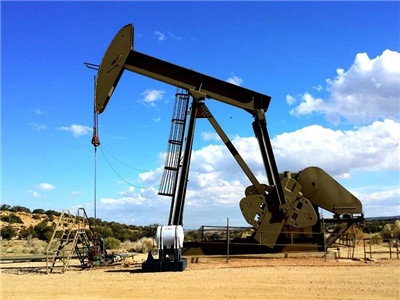
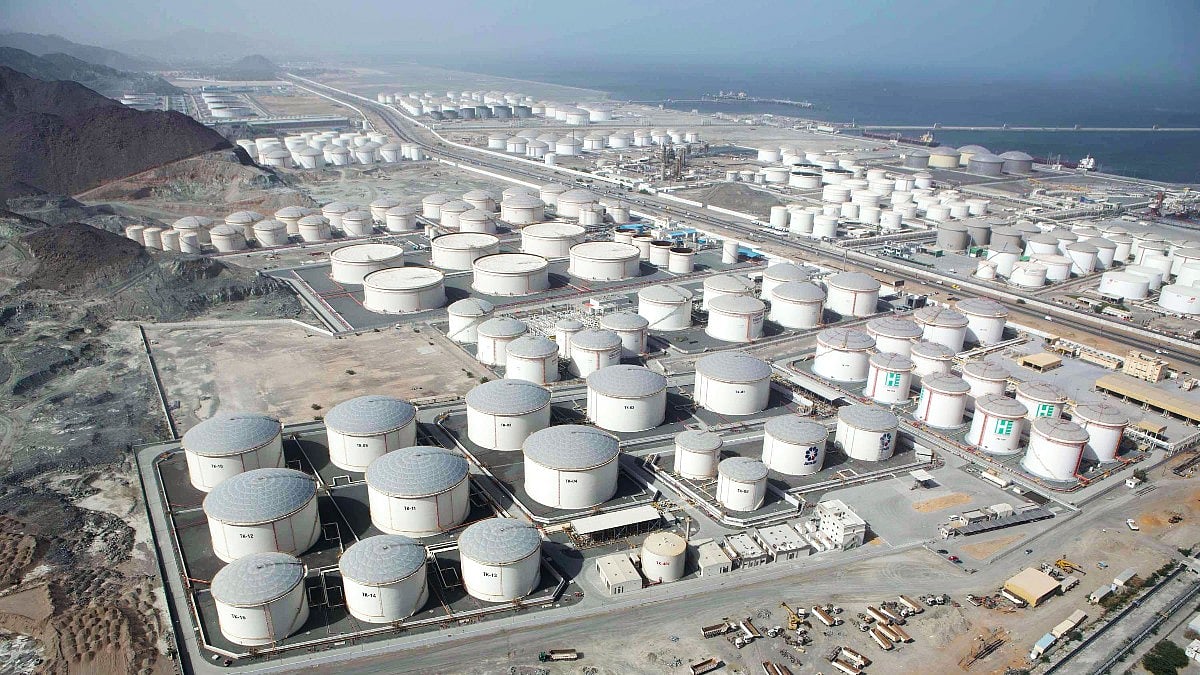
Geopolitical escalation between Iran and Israel has triggered immediate commodity market disruption, with Brent crude futures surging to $98 per barrel—the highest level since April 2026 ceasefire agreement. This represents the first direct military exchange since regional stabilization, creating acute supply chain pressure for cross-border e-commerce sellers. Oil prices jumped $1.48 to $91.88 on Monday, with peak levels reaching $98/barrel, reflecting 2% gains and renewed concerns about Middle Eastern supply disruptions. For sellers, this translates directly to increased logistics costs: air freight expenses rise 8-15% when crude prices spike $5-10 per barrel, while ocean freight costs increase 3-5% per barrel movement. Sellers relying on expedited shipping face the most acute pressure, as aviation fuel represents 25-35% of air freight pricing.
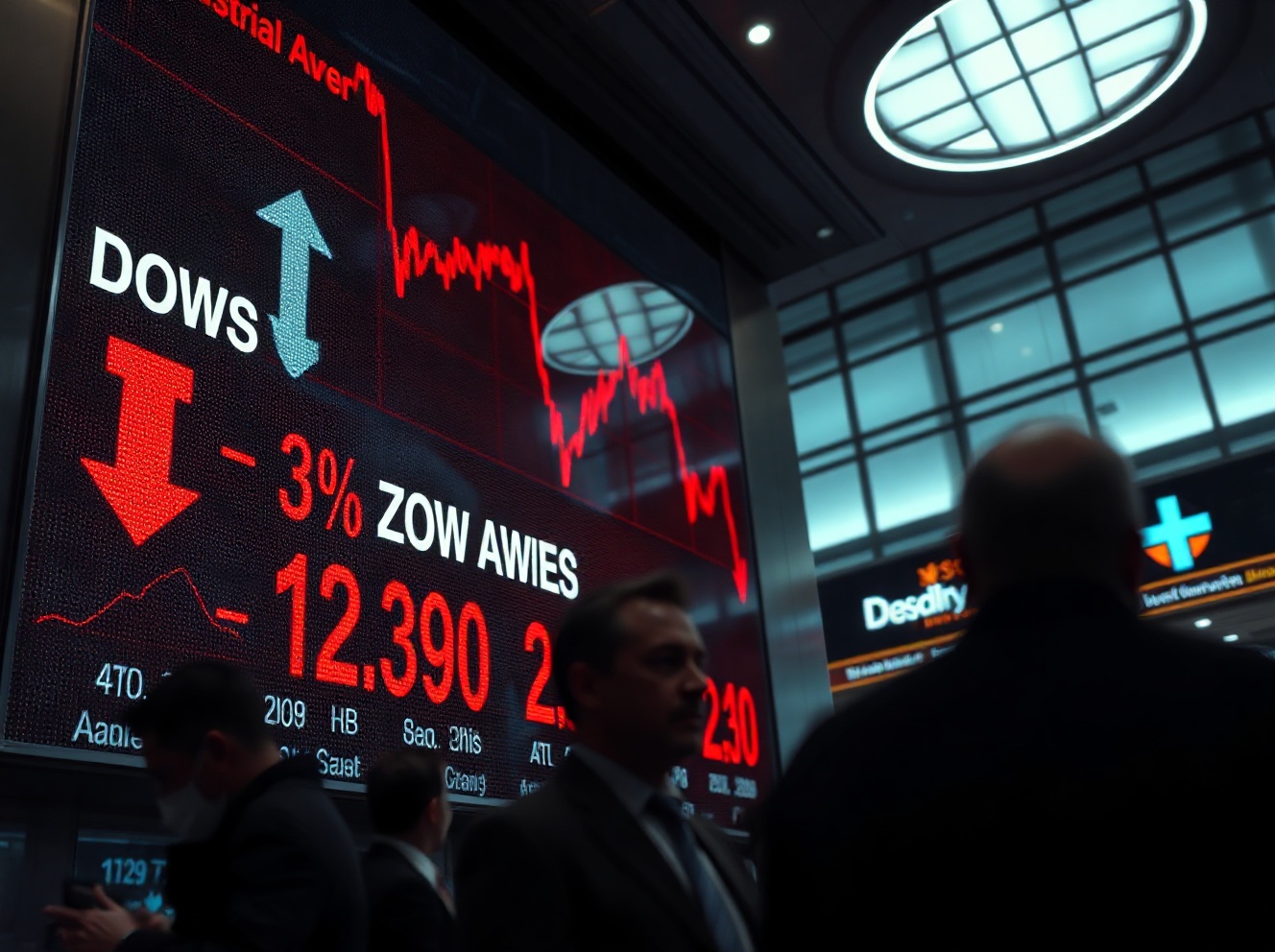
The broader market context amplifies seller challenges. South Korea's Kospi index fell 8%+ driven by semiconductor weakness at Samsung Electronics and SK Hynix, signaling potential supply constraints for electronics-based products sourced from Asia. Simultaneously, U.S. stock market volatility (S&P 500 futures +0.72%, Nasdaq +1.33%) reflects investor caution about discretionary spending, directly impacting consumer demand for non-essential categories. The VIX volatility index declined to 18.76, suggesting markets are pricing in diplomatic resolution, but the fragility of the ceasefire framework means additional escalation could trigger sustained oil price increases throughout 2026. For sellers, this creates a dual pressure: rising logistics costs colliding with potential demand contraction in discretionary categories (apparel, home goods, consumer electronics).
Immediate operational impact varies by seller segment and product category. Sellers shipping heavy goods (furniture, appliances, industrial products) via ocean freight face 3-5% cost increases ($150-400 per 40ft container). Air freight-dependent sellers (electronics, time-sensitive fashion, perishables) face 8-15% increases ($800-2,400 per shipment). Thin-margin sellers (fast fashion, budget electronics, commodity goods) with 10-20% gross margins face margin compression of 1-3 percentage points. Conversely, sellers of premium goods with 40%+ margins have pricing flexibility to absorb costs. The uncertainty surrounding potential further escalation creates supply chain planning challenges—sellers must account for potential additional price spikes or shipping delays, forcing inventory decisions within 2-4 week windows before costs potentially stabilize or escalate further.
Questions 7
How should I adjust my pricing strategy during this oil price spike?
Implement dynamic pricing based on shipping method and margin profile. For air freight-dependent products (electronics, fashion), increase prices 5-10% to offset 8-15% shipping cost increases—this protects margins while remaining competitive. For ocean freight products with 3-5% cost increases, implement 2-3% price increases. Premium goods sellers (40%+ margins) can absorb costs without pricing changes; budget sellers (10-20% margins) must implement price increases or shift to slower shipping methods. Use Amazon's dynamic pricing tools or Shopify's price optimization apps to test elasticity—most categories see 2-5% demand reduction per 10% price increase. Monitor competitor pricing daily; if competitors don't increase prices, consider absorbing costs temporarily to maintain market share.
What supply chain planning actions should I take immediately?
Execute these actions within 7 days: (1) Audit current inventory by shipping method and margin profile to identify vulnerability; (2) Contact your 3PL provider to confirm fuel surcharge policies and lock in rates if possible; (3) Secure 8-12 week forward commitments with critical suppliers before potential further escalation; (4) Reduce discretionary inventory purchases by 10-20% for the next 30 days; (5) Implement 2-week monitoring checkpoints to track oil prices, semiconductor availability, and market sentiment; (6) Test dynamic pricing strategies on 10-20% of SKUs to measure demand elasticity. By week 2, reassess based on whether tensions escalate or stabilize—this determines whether to implement sustained price increases or revert to normal pricing.