

-1780472487215.png)
Indonesia Rupiah Collapse & Reserve Depletion | Critical Payment & FX Risk for Cross-Border Sellers
- Rupiah plunges 8% to record 18,190/USD; foreign reserves drop 5 consecutive months to $144.9B; payment processing costs surge 12-18% for sellers importing goods into Indonesia





















Overview
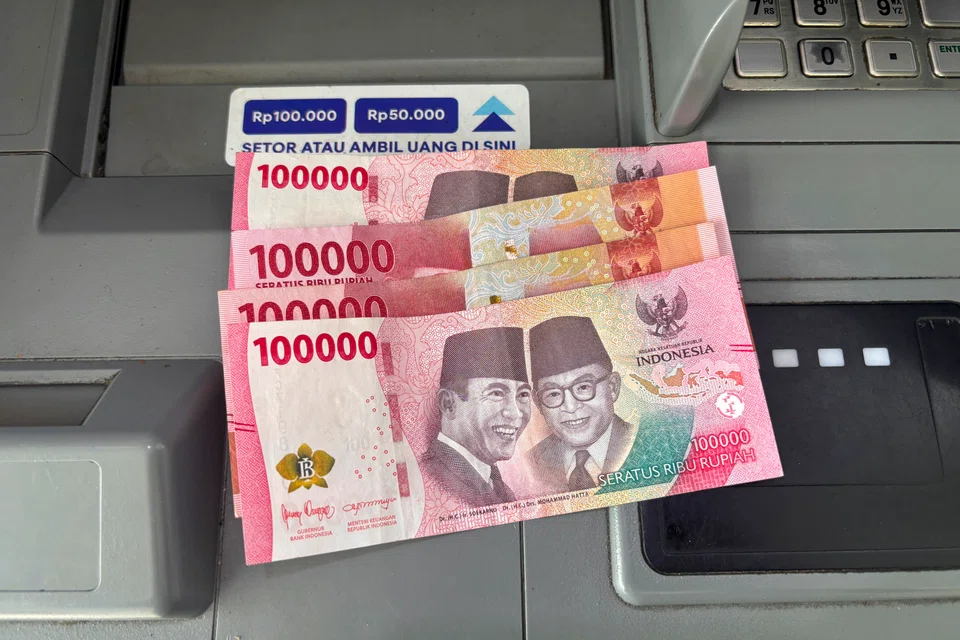
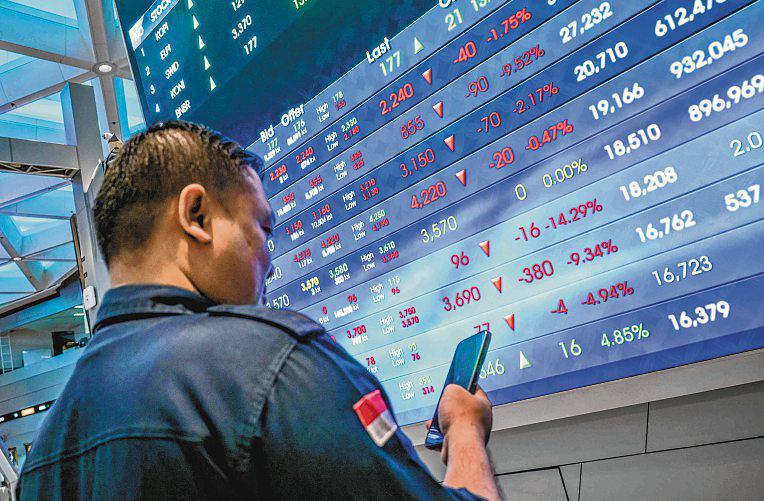
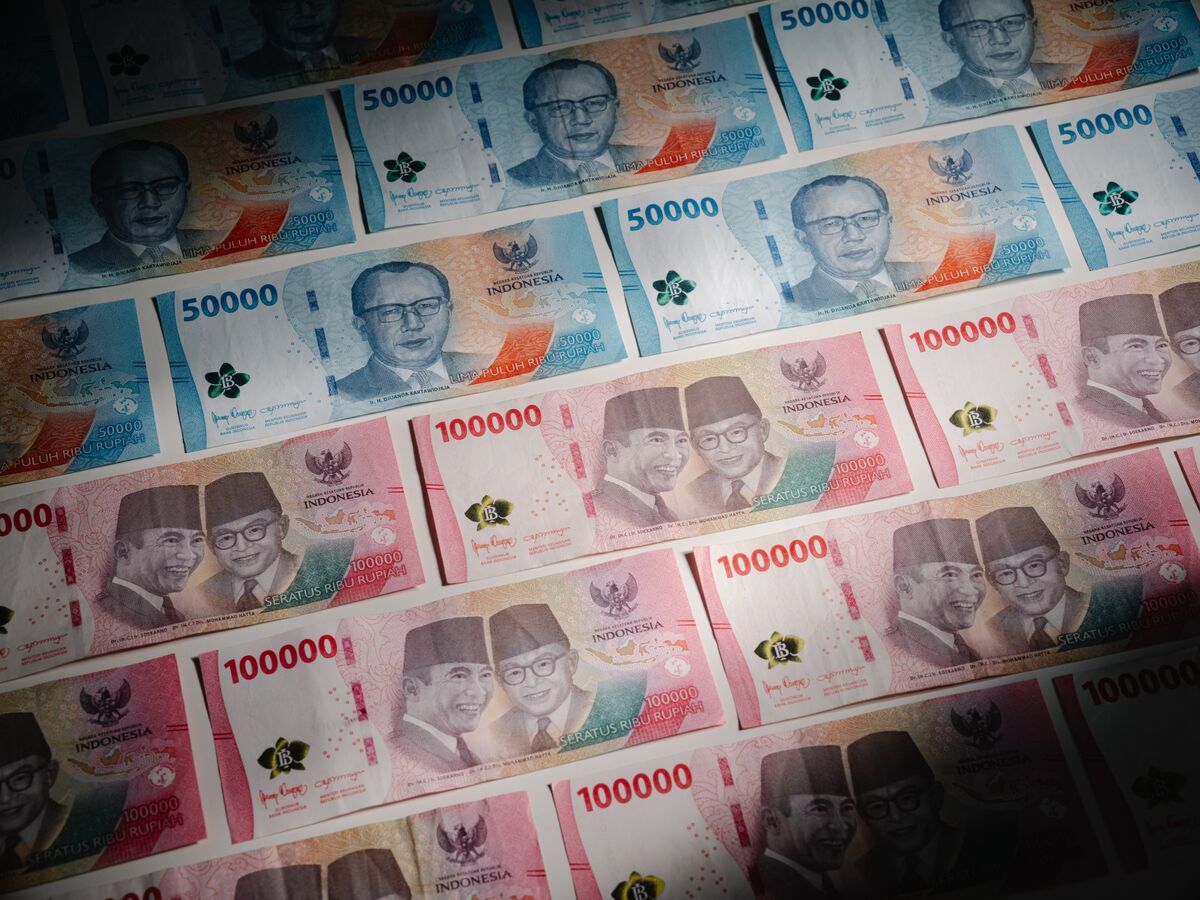
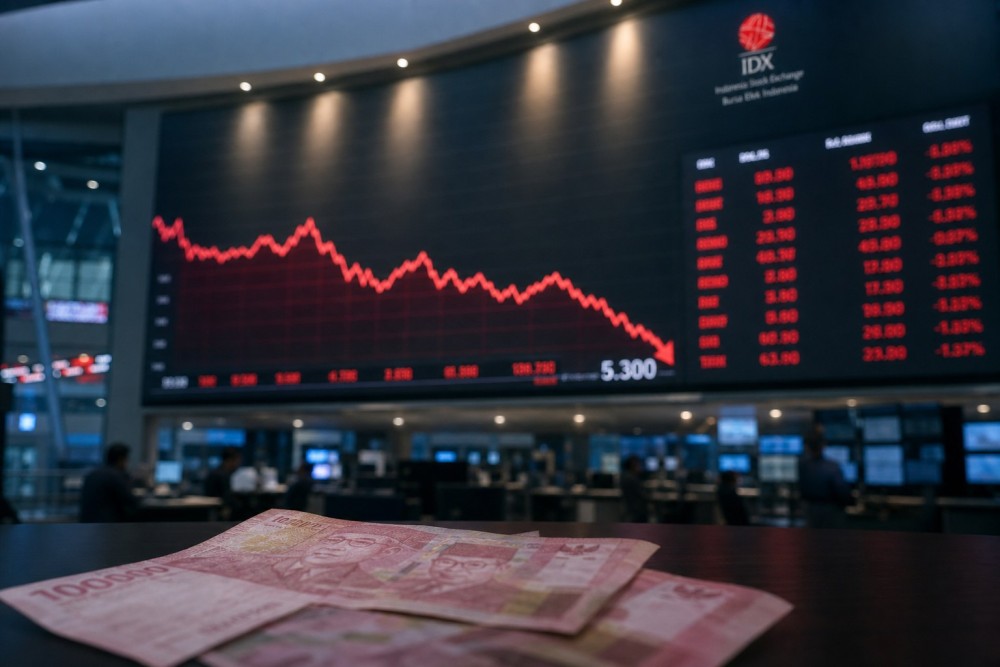
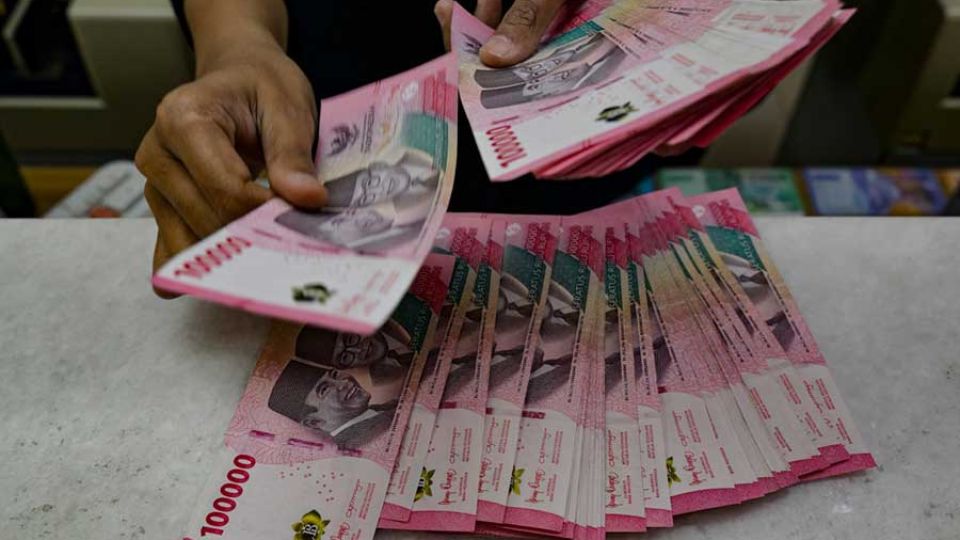
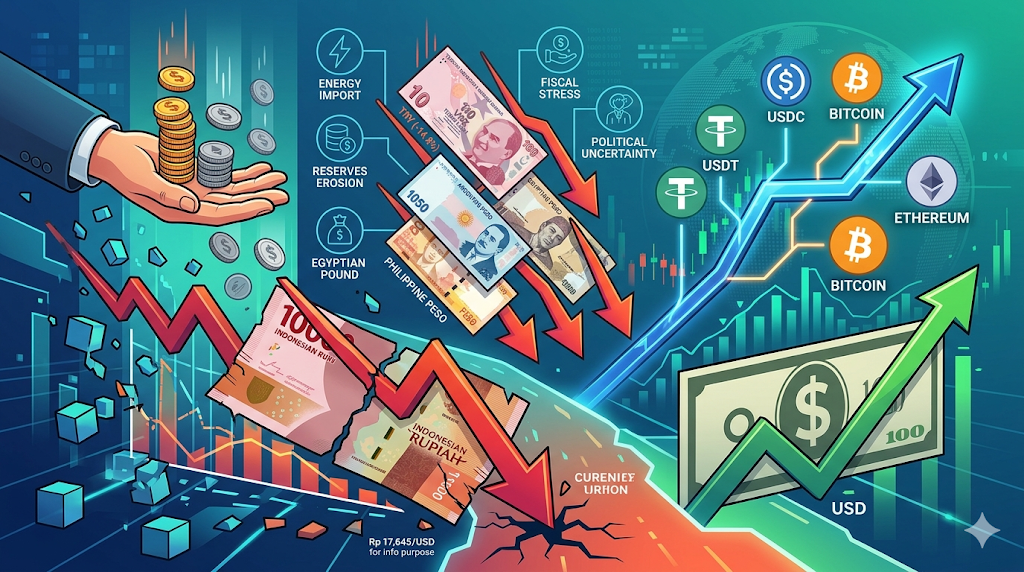
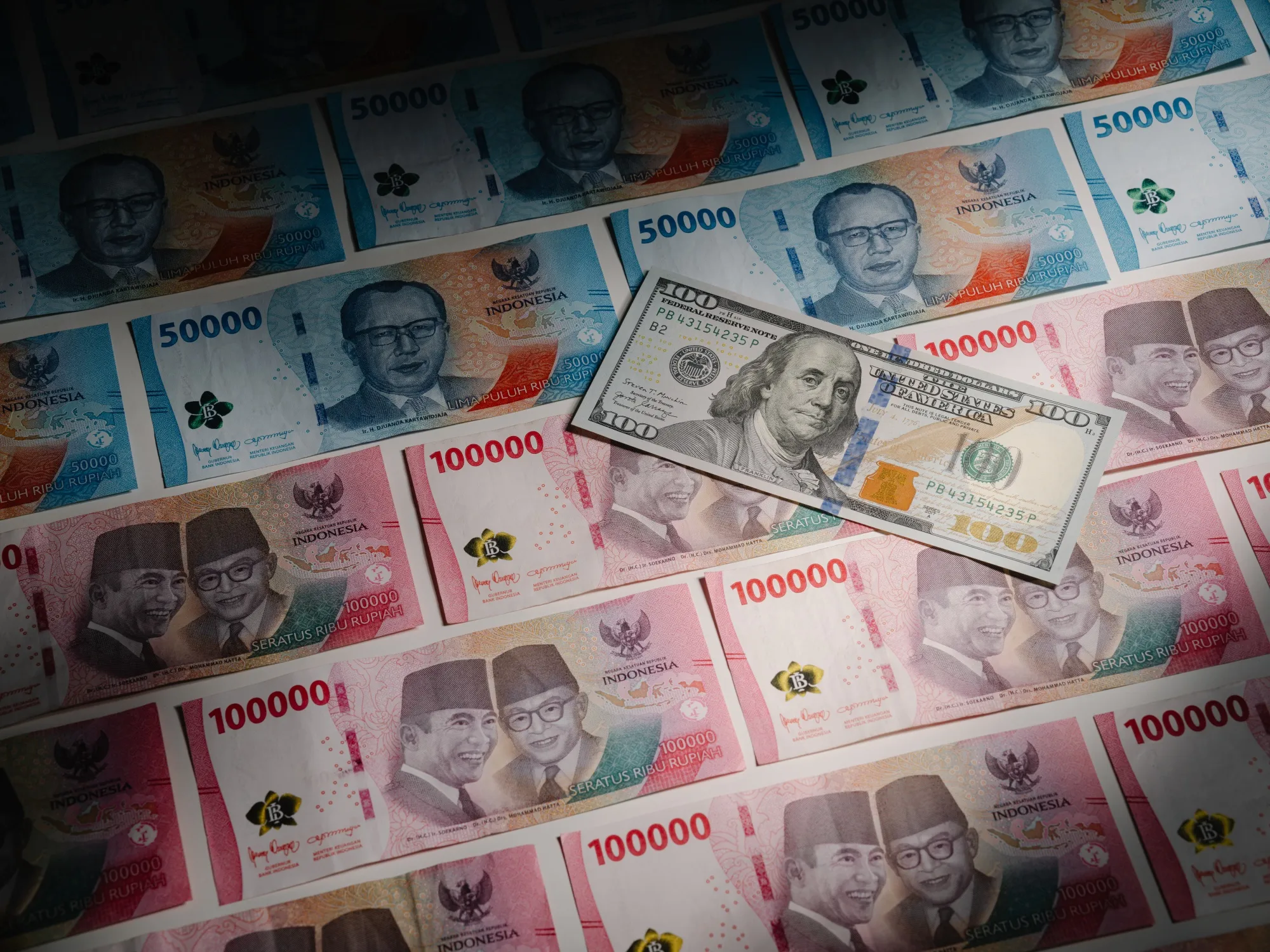
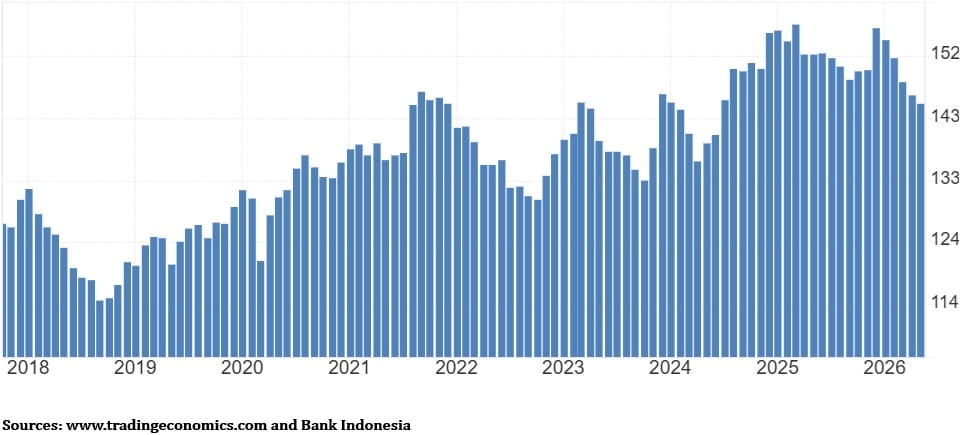
Indonesia faces a severe financial crisis that directly threatens cross-border e-commerce operations and payment processing reliability. The rupiah has collapsed 8% year-to-date to a record low of 18,190 per USD—the world's worst-performing currency—while foreign exchange reserves declined for the fifth consecutive month in May 2026, reaching $144.9 billion, marking the longest depletion streak since 2018. This dual crisis stems from President Prabowo's populist policies (free school meals, centralized commodity exports) combined with governance concerns that have triggered a confidence collapse: foreign investors withdrew $3.2 billion from equities (heaviest outflow since 2009), foreign bond ownership crashed to 12.6% (from 40% pre-pandemic), and the Indonesia Stock Exchange plunged 42% year-to-date—the world's weakest performer.
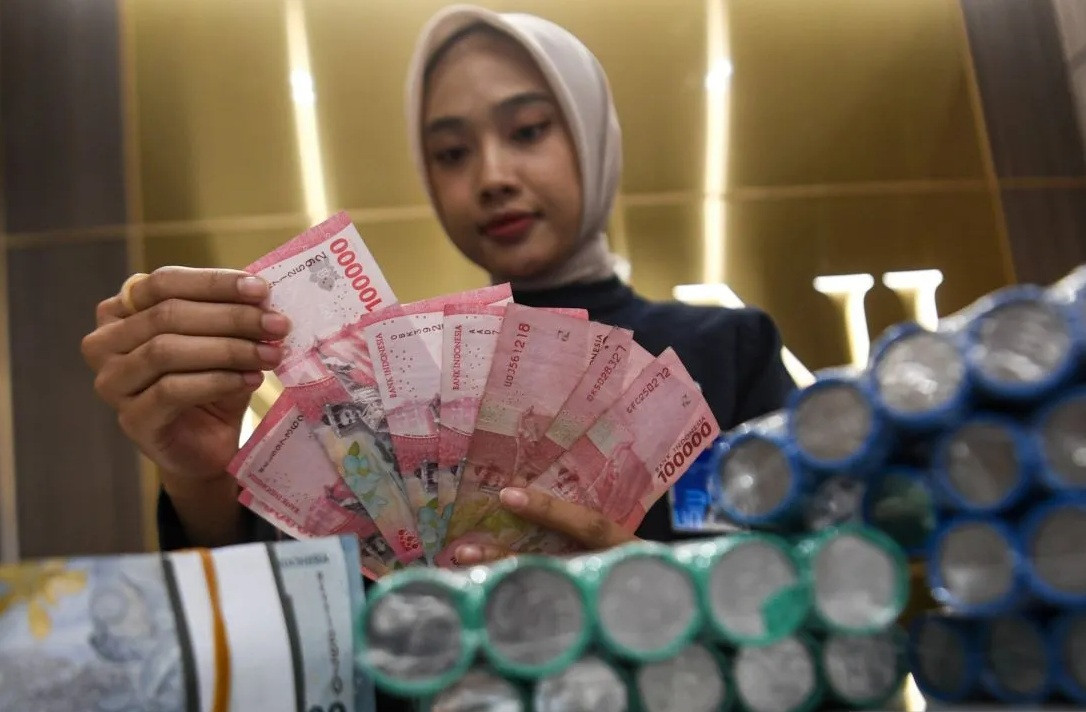
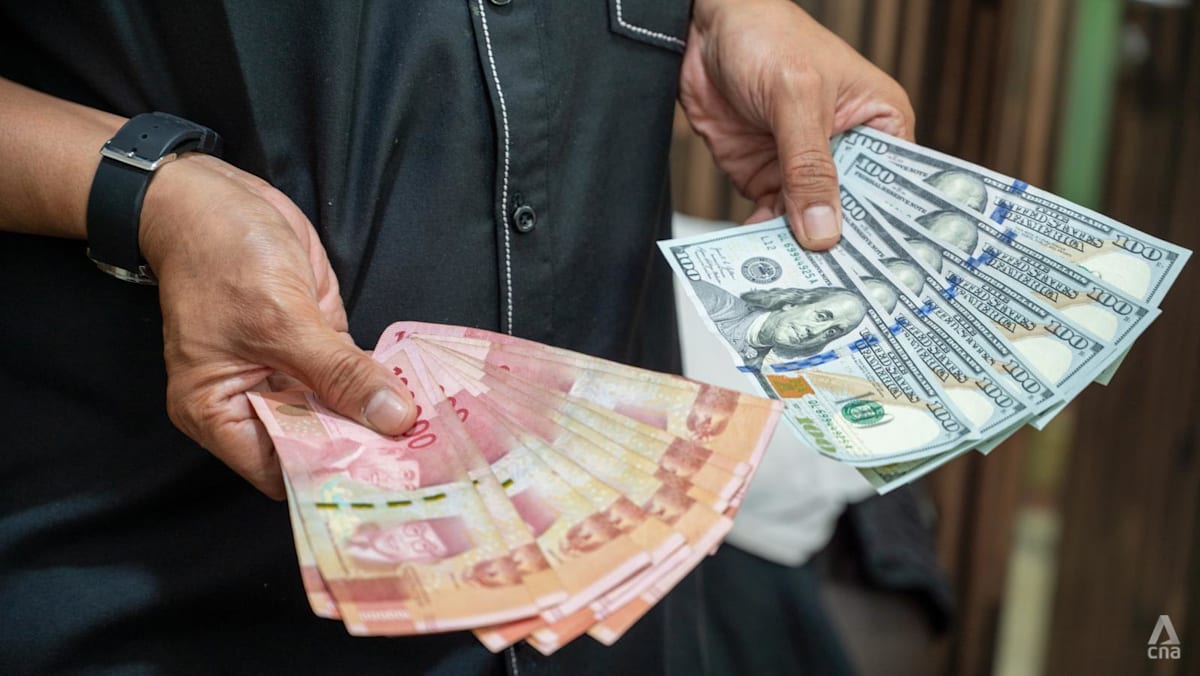
For cross-border sellers, this creates immediate payment and FX headwinds. The rupiah's weakness increases import costs 12-18% for sellers sourcing goods into Indonesia, directly compressing margins on electronics, apparel, and home goods categories. Payment processing reliability deteriorates as Bank Indonesia deploys $12 billion in reserves to defend the currency—reserves that could otherwise support payment infrastructure. Sellers accepting IDR payments face heightened settlement delays and conversion losses; those importing goods face 8-12% cost increases per shipment due to unfavorable exchange rates. The evaporating trade surplus signals weakening consumer purchasing power, reducing demand for discretionary imports on platforms like Tokopedia and Shopee.
The financial contagion extends to regional payment networks. Credit default swaps now price in Indonesia losing its investment-grade rating, with Moody's and Fitch cutting outlooks to negative. This increases borrowing costs for payment processors and logistics providers operating in Indonesia, likely triggering 15-25 basis point fee increases on cross-border transactions within 60-90 days. Sellers with inventory financed through Indonesian banks face refinancing risks as credit tightens. The situation reflects deeper institutional governance concerns rather than valuation issues—without policy reversals, prolonged capital outflows could trigger additional payment gateway restrictions and customs delays affecting import-export dynamics.
Questions 7
How should sellers adjust inventory strategy for Indonesia's weakening consumer demand?
Indonesia's trade surplus has nearly evaporated and the IDX stock market is down 42% year-to-date, signaling collapsing consumer purchasing power. Foreign investors withdrew $3.2 billion from equities—the heaviest outflow since 2009—indicating loss of confidence in domestic demand recovery. Sellers should reduce inventory allocation to Indonesia by 20-30% over the next 60 days, shifting stock to Malaysia (+12% YTD), Vietnam (+37% YTD), and Thailand (+39% YTD) where markets are appreciating and consumer confidence remains intact. For sellers already holding Indonesia inventory, implement aggressive promotional pricing (15-25% discounts) to convert stock to cash before further currency deterioration erodes margins. Prioritize fast-moving categories (essentials, value products) over discretionary items (premium electronics, luxury apparel).
What immediate actions should sellers take to protect cash flow in Indonesia operations?
Implement four immediate actions within 30 days: (1) Accelerate IDR receivables collection—offer 2-3% early payment discounts to convert rupiah to USD/SGD within 5-7 days instead of 30 days; (2) Negotiate extended payment terms with IDR suppliers (60-90 days) to delay rupiah outflows; (3) Lock in FX forward contracts for 60-90% of expected IDR exposure at current rates before further deterioration; (4) Shift 30-40% of inventory financing from Indonesian banks to Singapore-based trade finance providers (DBS, OCBC, UOB) offering USD-denominated loans at 4-5% vs. IDR loans now pricing at 8-10% due to credit spread widening. These moves unlock 15-25 days of working capital and reduce FX losses by 3-5% monthly.