
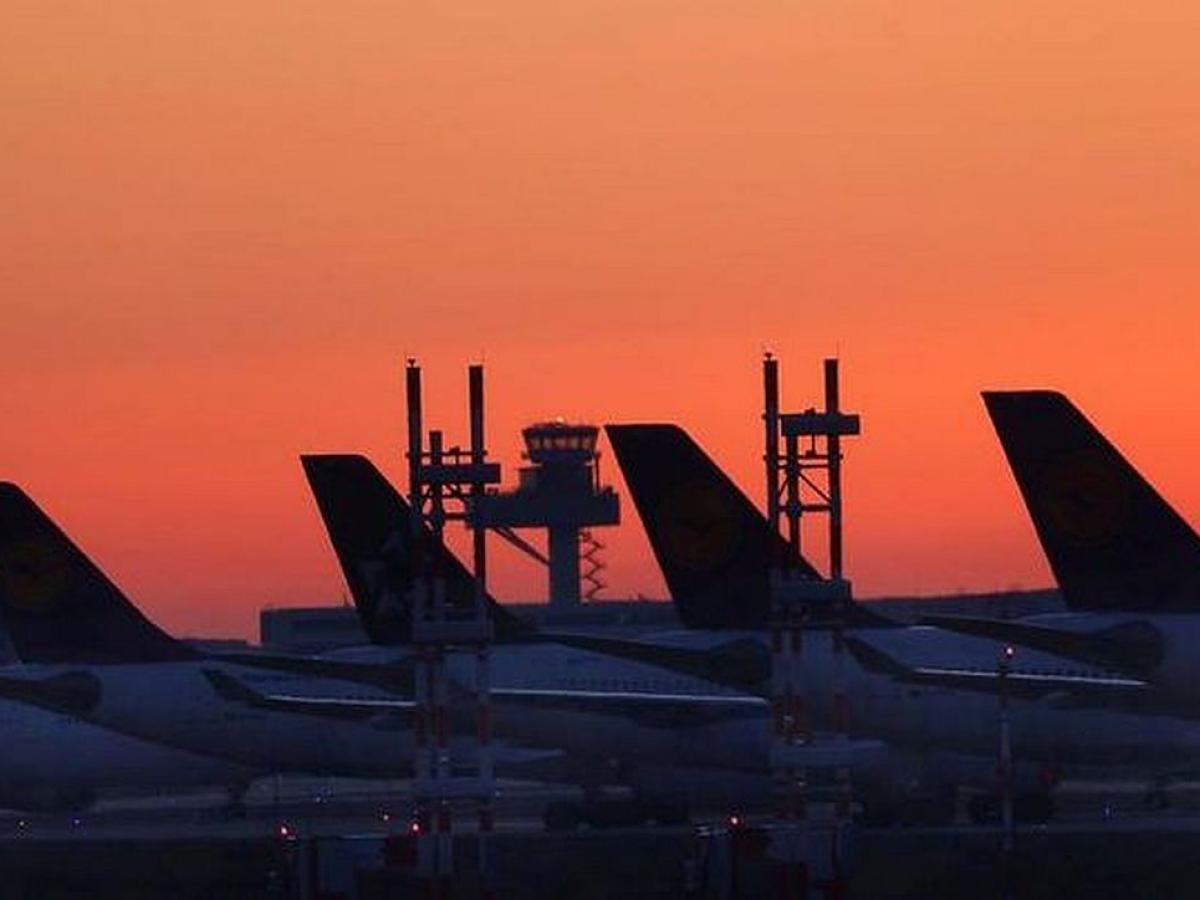



Air Freight Costs Surge 70% | Cross-Border Sellers Face Critical Logistics Crisis
- Jet fuel prices spike to $100+/barrel amid U.S.-Iran conflict; air shipping premiums increase 25-35% for sellers; immediate inventory repositioning required




Overview
The International Air Transport Association (IATA) has issued a critical warning that global airline profits will halve in 2026—plummeting from $45 billion to $23 billion—as jet fuel costs surge by $100 billion year-over-year following the U.S.-Iran conflict beginning February 28, 2026. This represents an unprecedented logistics crisis for cross-border e-commerce sellers relying on air freight for time-sensitive shipments.
Direct Impact on Air Freight Pricing: Jet fuel prices increased 70% above 2025 levels, with March 2026 prices reaching $100+ per barrel—a 103% spike from February alone. U.S. carriers spent $5.06 billion on fuel in March 2026, up 30% from March 2025. This translates directly to air freight surcharges: sellers shipping via air express (DHL, FedEx, UPS) face immediate 25-35% cost increases on per-kilogram rates. For a typical 5kg electronics shipment from China to US (normally $80-120 air freight), expect additional $20-42 in fuel surcharges.
Airline Capacity & Service Degradation: With net profit margins compressing from 4.2% to 2.0%, airlines are reducing capacity and raising fares aggressively. Lufthansa alone anticipates €1.7 billion ($1.96 billion) in additional fuel costs, forcing fleet reductions. This creates a two-tier market: Ryanair (80% fuel hedged) maintains capacity and 40% profit growth, while unhedged European competitors face potential financial failure. For sellers, this means reduced air cargo availability, longer booking lead times (now 2-3 weeks vs. 5-7 days), and priority given to premium-paying shippers.
Consumer Demand Deterioration: IATA data shows 86% of travelers expect fares to correlate with oil prices, while 49% anticipate spending more on travel than 2025. This consumer behavior shift directly impacts cross-border e-commerce: higher airfare costs reduce international travel, suppressing demand for travel-related merchandise (luggage, travel accessories, electronics). Simultaneously, consumers shift spending away from discretionary categories toward essentials, compressing margins for luxury goods sellers.
Strategic Logistics Implications: The crisis creates a bifurcated logistics market. Sellers must immediately shift from air freight to ocean freight for non-urgent shipments (30-45 day lead times acceptable), reserve air capacity NOW for Q2-Q3 peak season, and reposition inventory to regional fulfillment centers (US, EU, Asia) to reduce air dependency. Sellers with hedged fuel contracts or partnerships with carriers like Ryanair gain competitive advantage. The critical uncertainty: how long shippers can sustain higher connectivity costs before demand deteriorates—likely 8-12 weeks before significant volume compression occurs.
Questions 8
How can sellers mitigate air freight cost increases through carrier selection?
Prioritize carriers with fuel hedging contracts: Ryanair (80% summer fuel hedged) maintains capacity and pricing stability, while unhedged competitors face 25-35% surcharges. DHL, FedEx, and UPS offer tiered fuel surcharge programs—negotiate volume commitments for locked-in rates. IATA warns that European competitors without hedging may face financial difficulties or failure if fuel prices remain elevated through summer 2026. Sellers should: (1) Shift volume to hedged carriers (Ryanair, select DHL routes) for 10-15% rate stability; (2) Negotiate 90-day rate locks with carriers before further increases; (3) Consolidate shipments to reduce per-unit air freight costs by 15-20%; (4) Explore alternative carriers (regional Asian carriers, Middle Eastern airlines) for 5-10% cost savings. Lock in carrier contracts NOW before capacity tightens and rates increase further.
What is the total landed cost impact for sellers shipping from Asia to US/EU?
Total landed cost increases 8-15% for air freight routes, 2-4% for ocean freight routes. For a $50 product shipped via air from China to US: base air freight $15-20 + fuel surcharge $5-7 + tariffs $5-8 + storage $2-3 = $27-38 landed cost (vs. $22-28 in 2025). Ocean freight alternative: $3-5 + tariffs $5-8 + storage $1-2 = $9-15 landed cost (30-45 day lead time). Sellers should calculate break-even: if product margin is 40% ($20), air freight cost increase ($5-7) compresses margin to 30-35%. Ocean freight maintains 38-40% margin despite longer lead time. For Q2-Q3 peak season, shift 60-70% of inventory to ocean freight, reserve air freight only for high-margin products (electronics, cosmetics) with 14-day lead time requirements. Monitor fuel prices weekly—if prices exceed $120/barrel, expect additional 10-15% air freight increases.