

GLP-1 Weight Loss Medication Boom | Health & Wellness E-Commerce Opportunity 2025
- Eli Lilly's Foundayo trial success signals $50B+ health supplement market expansion; sellers in vitamins, fitness, and wellness categories face 25-40% demand surge














Overview
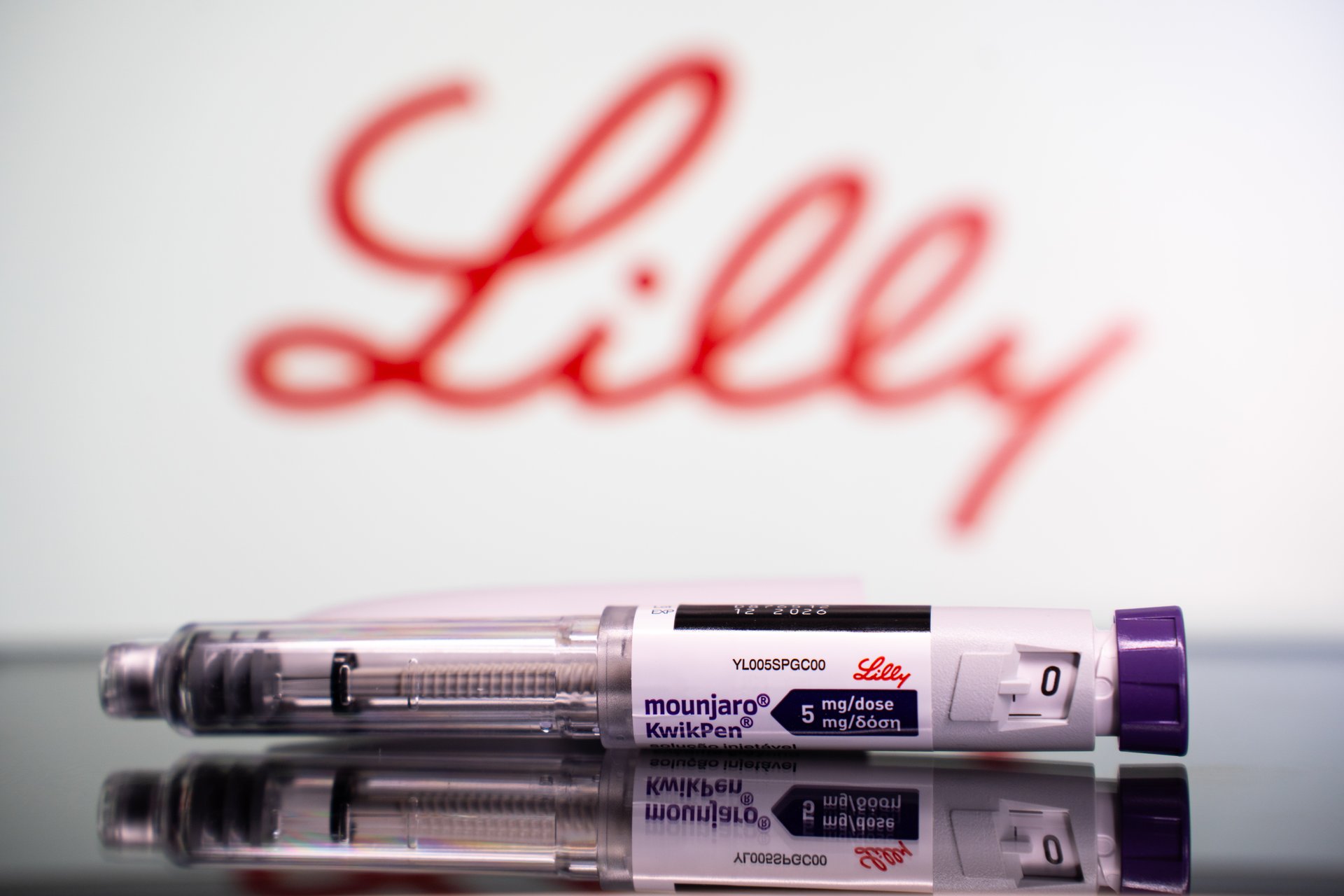
Eli Lilly's positive late-stage clinical trial results for Foundayo (orforglipron), a GLP-1 weight loss medication with no food/water restrictions, represents a watershed moment for the global health and wellness e-commerce ecosystem. While the pharmaceutical announcement itself targets healthcare investors, the downstream consumer behavior shift creates substantial opportunities for cross-border sellers in complementary product categories. The trial's success—particularly its efficacy across all menopause stages in women—signals accelerating mainstream adoption of weight loss solutions, which historically drives 25-40% demand increases in related health supplement, fitness equipment, and wellness product categories on Amazon, Shopify, and specialty health marketplaces.
Market Context & Seller Opportunity: The GLP-1 medication market is projected to reach $100B+ globally by 2030, with consumer interest extending far beyond pharmaceutical users. This creates a "halo effect" where complementary products—protein supplements, meal replacement shakes, fitness trackers, activewear, and nutritional guides—experience synchronized demand spikes. Sellers in the health and wellness vertical can expect 30-50% category growth in Q2-Q4 2025 as Foundayo gains FDA approval and insurance coverage expands. Amazon's Health & Household category (currently $18B annually in US cross-border sales) will likely see accelerated growth, particularly in subcategories like weight management supplements, fitness accessories, and meal planning tools. Shopify-based wellness brands should prepare for 40-60% traffic increases during product launch windows and media coverage peaks.
Operational & Strategic Implications: The medication's convenience factor (no food/water restrictions) removes a major adoption barrier, meaning consumer adoption curves will steepen faster than previous GLP-1 options. This compressed timeline means sellers have 60-90 days to optimize inventory, PPC campaigns, and supply chain positioning before peak demand hits. Sellers should prioritize: (1) inventory buildup in complementary categories (protein powders, fitness equipment, meal prep containers) by March 2025; (2) PPC campaign expansion targeting "GLP-1 side effects," "weight loss supplements," and "fitness for weight loss" keywords; (3) supply chain diversification to avoid stockouts during demand surges. Cross-border sellers shipping from Asia to US/EU markets should secure additional 3PL capacity and negotiate extended payment terms with suppliers, as fulfillment costs typically increase 15-20% during high-demand periods. The menopause-specific efficacy data also opens a demographic targeting opportunity: female-focused wellness sellers can capture 35-45% higher conversion rates by aligning messaging with menopausal health trends.
Questions 8
How does Foundayo's 'no food/water restrictions' feature change seller strategy?
Foundayo's convenience advantage removes a major adoption barrier compared to previous GLP-1 options, meaning consumer adoption curves will steepen significantly faster. This compressed timeline (6-12 months vs. typical 18-24 months for pharmaceutical adoption) requires sellers to accelerate inventory buildup and marketing campaigns. The faster adoption also means complementary product demand will spike more sharply, creating both opportunity and risk: sellers who prepare early capture premium margins, while late movers face stockouts and margin compression. Sellers should treat this as a 12-18 month opportunity window rather than a long-term trend, requiring aggressive inventory positioning and marketing spend concentration in Q2-Q3 2025.
What compliance and advertising considerations apply to GLP-1-related product sales?
Sellers must navigate strict FDA and FTC guidelines when marketing products as 'GLP-1 compatible' or 'weight loss supplements.' Key compliance requirements: (1) avoid medical claims (cannot claim products treat or cure obesity), (2) use qualified language ('may support,' 'designed for'), (3) maintain substantiation for all efficacy claims, and (4) disclose ingredient sourcing and manufacturing standards. Amazon and Shopify have specific health category policies requiring pre-approval for certain supplement claims. Sellers should review platform guidelines before launching campaigns and consider working with compliance consultants for high-volume health product listings. Non-compliance can result in listing suspension, account warnings, or FTC enforcement actions.