





Middle East Escalation Disrupts Red Sea Shipping | Cross-Border Sellers Face Supply Chain Risk
- Houthi threats to Red Sea vessels create 2-4 week shipping delays for sellers; Iran-Israel conflict threatens $15B+ annual trade corridor



















Overview
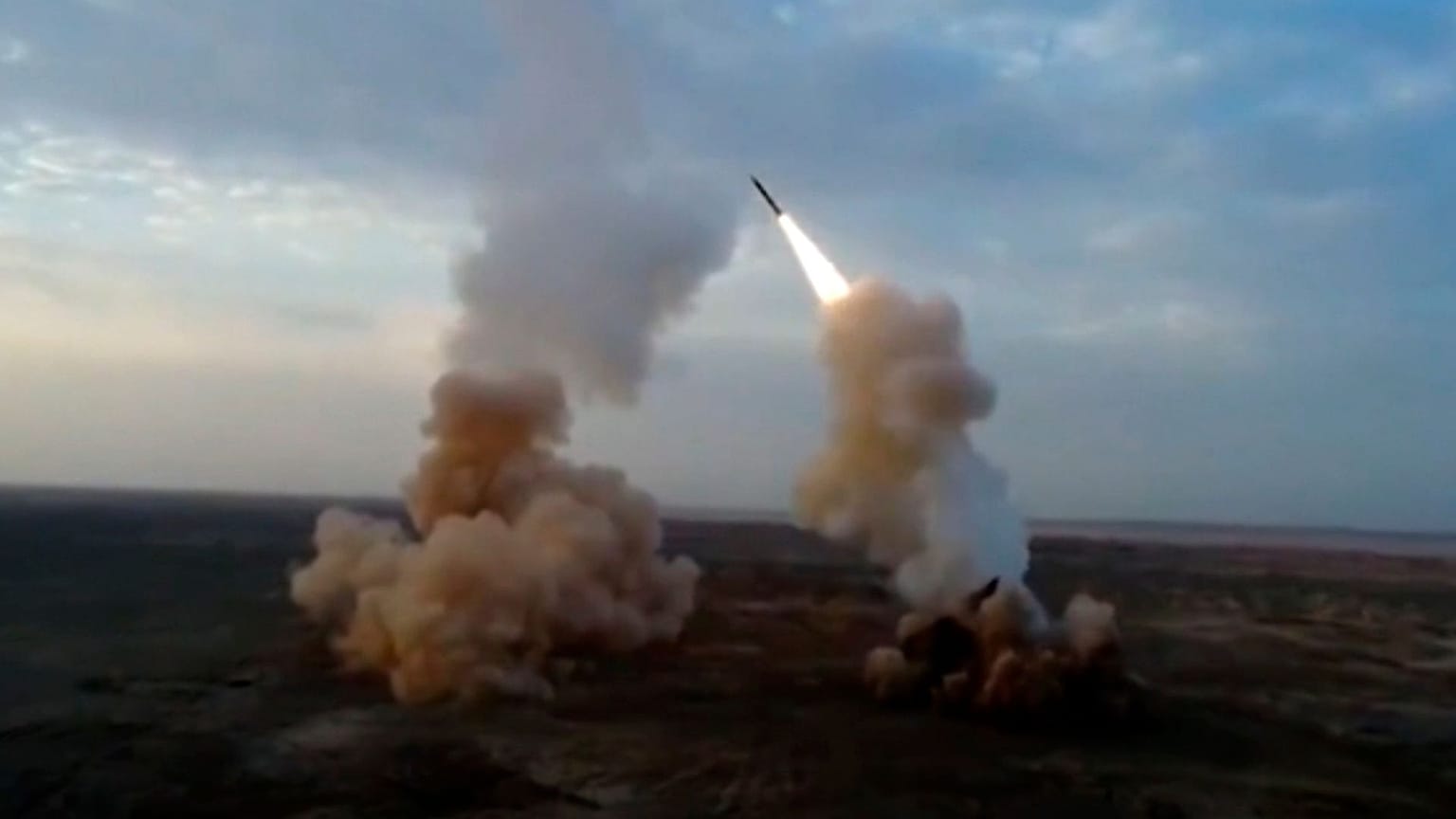
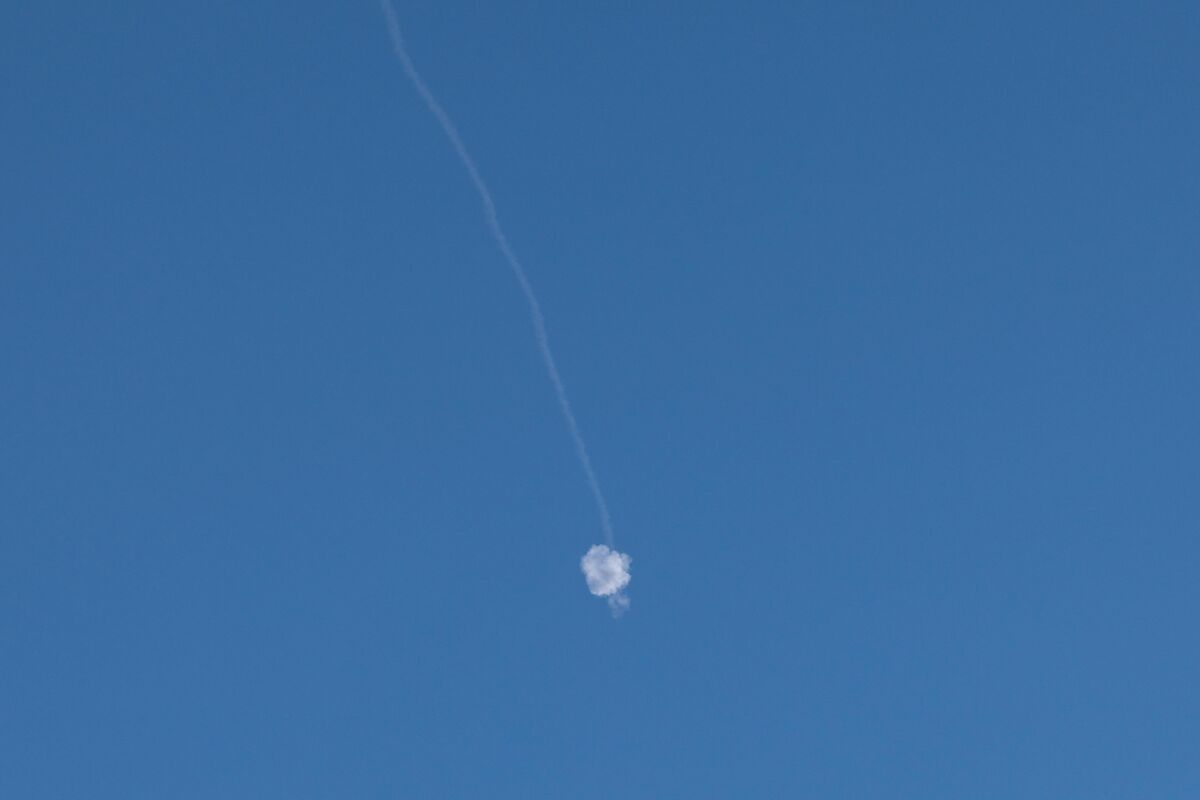
The escalating Israel-Iran military conflict represents a critical supply chain disruption for cross-border e-commerce sellers, particularly those relying on Red Sea shipping routes. The news reports that Yemen's Houthi rebels have escalated attacks, launching missiles at Israel and explicitly threatening Red Sea vessel attacks, while Iran's Revolutionary Guard Corps warned of potential attacks on Gulf infrastructure. This represents the most significant escalation since the April 8 ceasefire agreement, with Israeli Defense Forces preparing for "several days of continued fighting" and Iran threatening "more severe and crushing measures."
For e-commerce sellers, the immediate impact centers on the Red Sea corridor, which handles approximately 12-15% of global maritime trade and is critical for Asia-to-Europe and Asia-to-US shipments. Houthi attacks have historically forced shipping companies to reroute vessels around Africa's Cape of Good Hope, adding 10-14 days to transit times and increasing shipping costs by 40-60% ($800-2,000 per 20ft container). Sellers shipping electronics, apparel, home goods, and beauty products from China, Vietnam, and India to EU and US markets face immediate cost pressures and inventory delays.
Specific seller impacts by segment: Small-to-medium sellers (SMBs) with 500-5,000 monthly units face the highest vulnerability, as they lack negotiating power with freight forwarders and cannot absorb rerouting costs. Large sellers with established 3PL networks can negotiate volume discounts but still face 15-25% cost increases. Sellers with inventory in transit (estimated 30-40% of monthly stock) face 2-4 week delays, directly impacting cash flow and inventory turnover. Amazon FBA sellers experience additional pressure through increased storage fees if inventory arrives late, while Shopify and independent sellers can adjust pricing more flexibly but risk losing sales to competitors with faster delivery.
Strategic sourcing implications: The conflict creates arbitrage opportunities for sellers to shift sourcing from Iran-adjacent suppliers to Vietnam, India, and Indonesia, which offer tariff advantages under CPTPP and RCEP trade agreements. However, these alternatives require 4-8 week lead time adjustments and new supplier vetting. Sellers should immediately audit their supply chain: identify which suppliers source from Iran or rely on Iranian petrochemical inputs (particularly relevant for electronics, plastics, and chemicals), assess inventory in transit, and evaluate alternative logistics providers offering air freight or northern route options (via Suez Canal alternatives through Russia/Arctic routes, though politically sensitive).
Questions 7
What compliance risks do sellers face if sourcing from Iran-adjacent suppliers?
US and EU sanctions against Iran prohibit direct trade and restrict indirect sourcing through Iranian intermediaries. The news reports Israel attacked Iranian petrochemical facilities allegedly used for weapons manufacturing, indicating heightened sanctions enforcement. Sellers must audit suppliers to ensure no Iranian ownership, financing, or material inputs. Violations carry penalties of $250,000+ and account suspension on Amazon/eBay. Sellers should request supplier certifications confirming non-Iranian sourcing and maintain documentation for customs compliance. This is particularly critical for electronics, chemicals, and industrial products.
How long will Red Sea shipping disruptions last, and should I switch to air freight?
The news indicates Israel is preparing for 'several days of continued fighting' with Iran threatening 'more severe and crushing measures,' suggesting sustained disruption for 2-4+ weeks. Ceasefire negotiations are stalled, with Trump expressing confidence they should proceed 'quickly' but both Israel and Iran showing 'significantly less optimism.' Air freight costs $4-8 per kg versus $0.50-1.50 per kg for sea freight, making it viable only for high-margin products (electronics, luxury goods, cosmetics). Sellers should use air freight strategically for inventory arriving in peak selling seasons (Q4, Q1) and maintain sea freight for off-peak periods.