



Obesity Drug Market Consolidation Accelerates | Novo Nordisk & Eli Lilly Dominance Strengthens After Zealand Setback
- Zealand Pharma stock crashes 25-47% YTD as survodutide shows 19% discontinuation rate; market leadership solidifies around proven GLP-1 competitors with superior tolerability profiles
















Overview
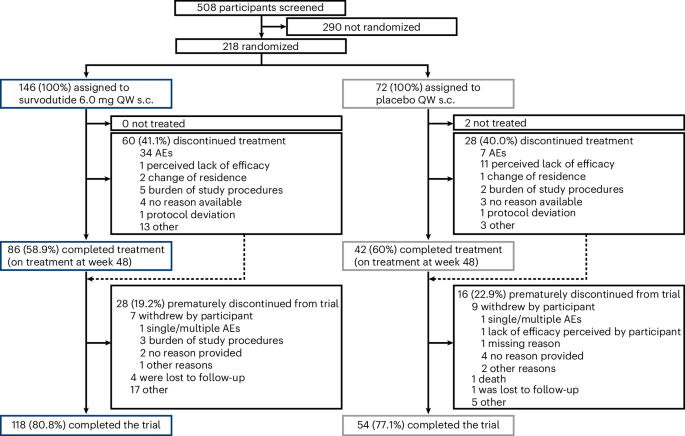
Market Context: Zealand Pharma's experimental obesity drug survodutide experienced a critical setback on June 8, 2026, when Phase 3 clinical trial data revealed a 19% patient discontinuation rate due to gastrointestinal adverse events—compared to just 2.9% on placebo—with over 40% of patients experiencing vomiting. This safety signal directly contradicts the drug's efficacy profile (16.6% average weight loss vs. 3.2% placebo over 76 weeks) and has triggered a 25-26% single-day stock collapse for the Danish pharmaceutical company, compounding year-to-date losses to approximately 47%. The discontinuation rate represents the second major setback for Zealand in three months, following disappointing petrelintide trial data in March 2026.
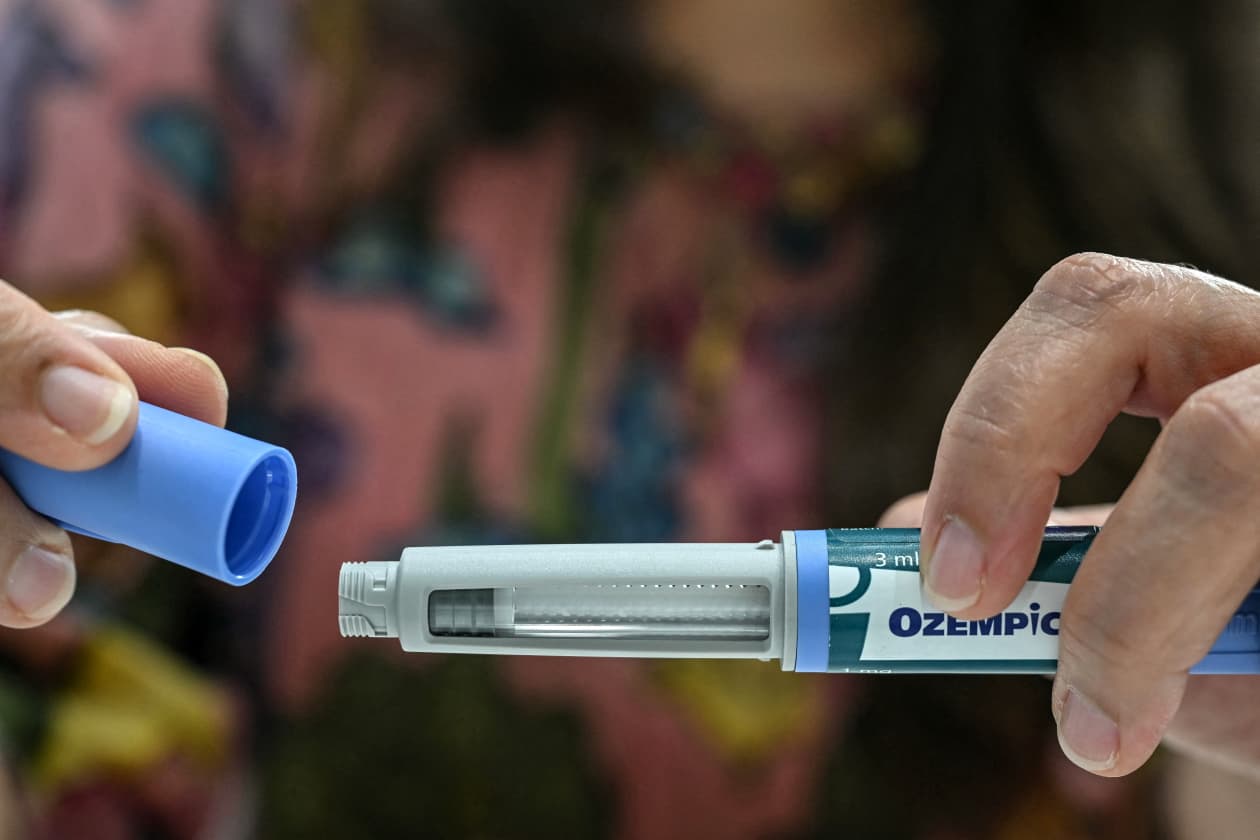
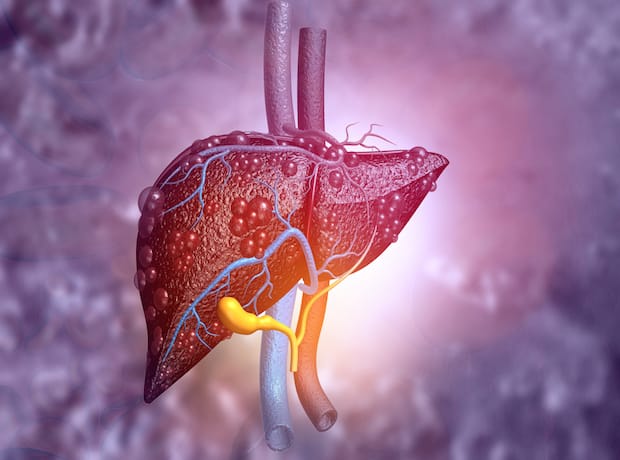
Competitive Landscape Implications: The obesity treatment market, valued at multi-billion dollars globally, remains dominated by Novo Nordisk (semaglutide/Wegovy, Ozempic) and Eli Lilly (tirzepatide/Zepbound, Mounjaro), which have demonstrated superior tolerability profiles in clinical practice. Citi analysts explicitly noted that survodutide's 19% discontinuation rate "is not a rounding error," with nausea, vomiting, diarrhea, and constipation incidence levels exceeding commercially viable thresholds against established competitors. Barclays characterized the safety-tolerability profile as "disappointing" despite positive signals in body composition and liver fat reduction (34% visceral fat reduction, 63.1% liver fat reduction). This creates a critical market dynamic: while survodutide demonstrated meaningful metabolic benefits—particularly in treating metabolic dysfunction-associated fatty liver disease (MASLD) with 84.2% of patients achieving 30%+ liver fat reduction—the tolerability gap makes commercial viability questionable.
Emerging Market Dynamics: The clinical setback accelerates market consolidation around proven therapies. Intensifying competition from Amgen, AstraZeneca, and Altimmune (developing dual GLP-1/glucagon therapies) indicates the market is shifting from pure weight-loss percentages toward differentiation through tolerability, lean mass preservation, and organ-specific fat reduction. Zealand's CEO has advocated for this reframing, arguing the industry has become obsessed with "weight loss olympics," but the market has rejected this positioning when safety profiles don't support it. For investors and market participants, this signals that first-mover advantage in obesity treatment has solidified around companies with proven safety data, making late-stage entrants face significantly higher regulatory and commercial hurdles. The partnership between Boehringer Ingelheim and Zealand may face reassessment, potentially affecting development timelines and commercialization strategies for survodutide globally.
Questions 8
What is the market size and competitive intensity in obesity drug treatment?
The obesity drug market represents a multi-billion-dollar opportunity with intensifying competition from multiple pharmaceutical companies. Market leaders Novo Nordisk and Eli Lilly dominate with proven GLP-1 therapies, while competitors including Amgen, AstraZeneca, and Altimmune are developing alternative approaches. The market has shifted focus from pure weight-loss percentages toward tolerability, lean mass preservation, and organ-specific fat reduction as key differentiators. Zealand's setback indicates that late-stage entrants face significantly higher regulatory and commercial hurdles, with first-mover advantage solidifying around companies with proven safety data.
How might Zealand's setback affect the Boehringer Ingelheim partnership?
The clinical setback may trigger reassessment of the Boehringer Ingelheim-Zealand partnership, potentially affecting development timelines and commercialization strategies for survodutide globally. Boehringer acquired exclusive development and commercialization rights in 2011 with Zealand entitled to royalty payments on global revenue. The 19% discontinuation rate and investor concerns about commercial viability could lead to reduced investment, delayed development timelines, or strategic repositioning of the drug for niche indications (such as MASLD treatment) rather than broad obesity treatment. This represents the second major setback for Zealand in three months, compounding pressure on the partnership.