

AI Infrastructure Backlash Creates Regulatory Fragmentation | Seller Compliance & Market Opportunity Window
- 70% voter opposition to data centers triggers state-level bans and regulations across 14+ states; creates compliance complexity and infrastructure cost increases for e-commerce platforms and sellers by Q3 2026










Overview
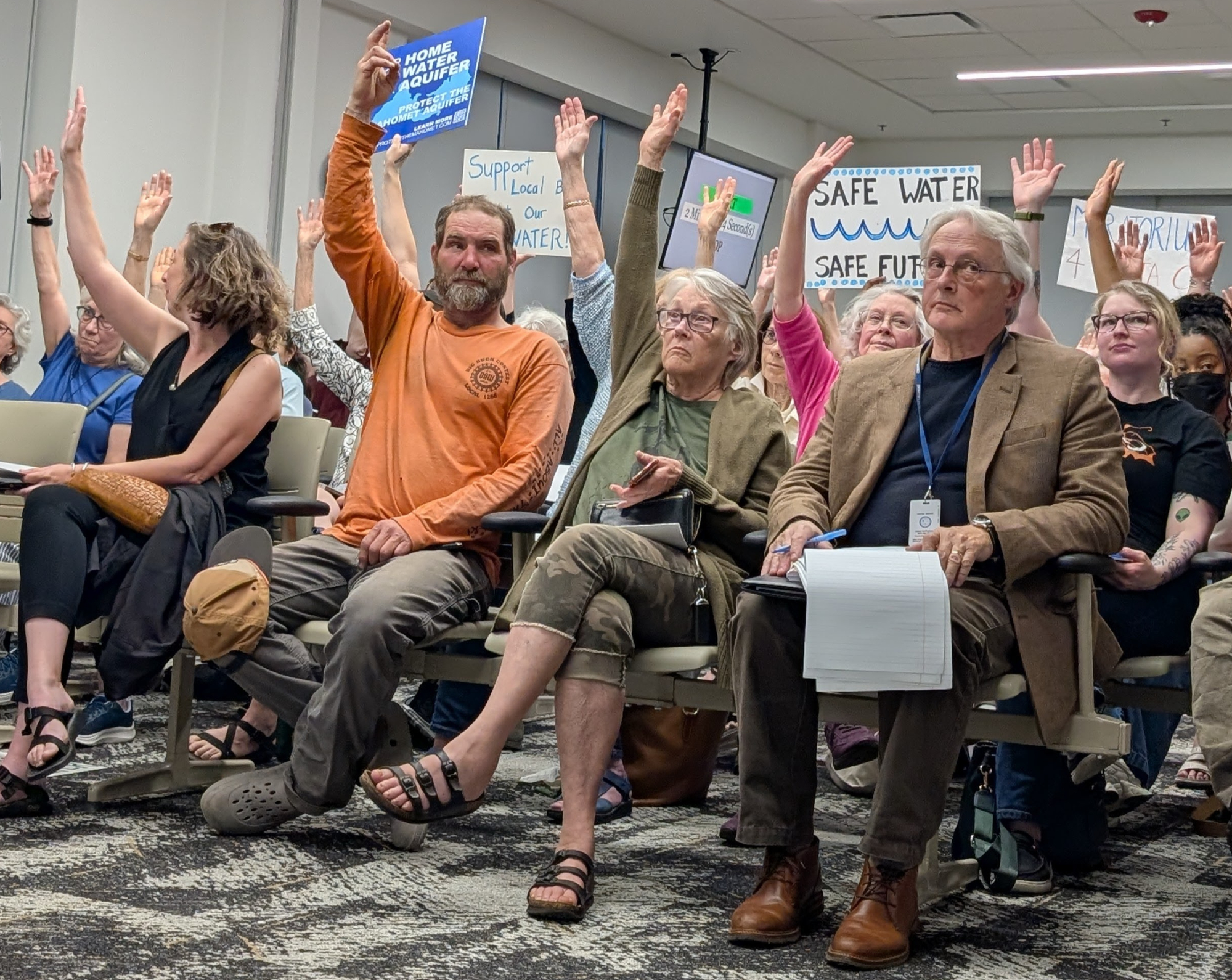
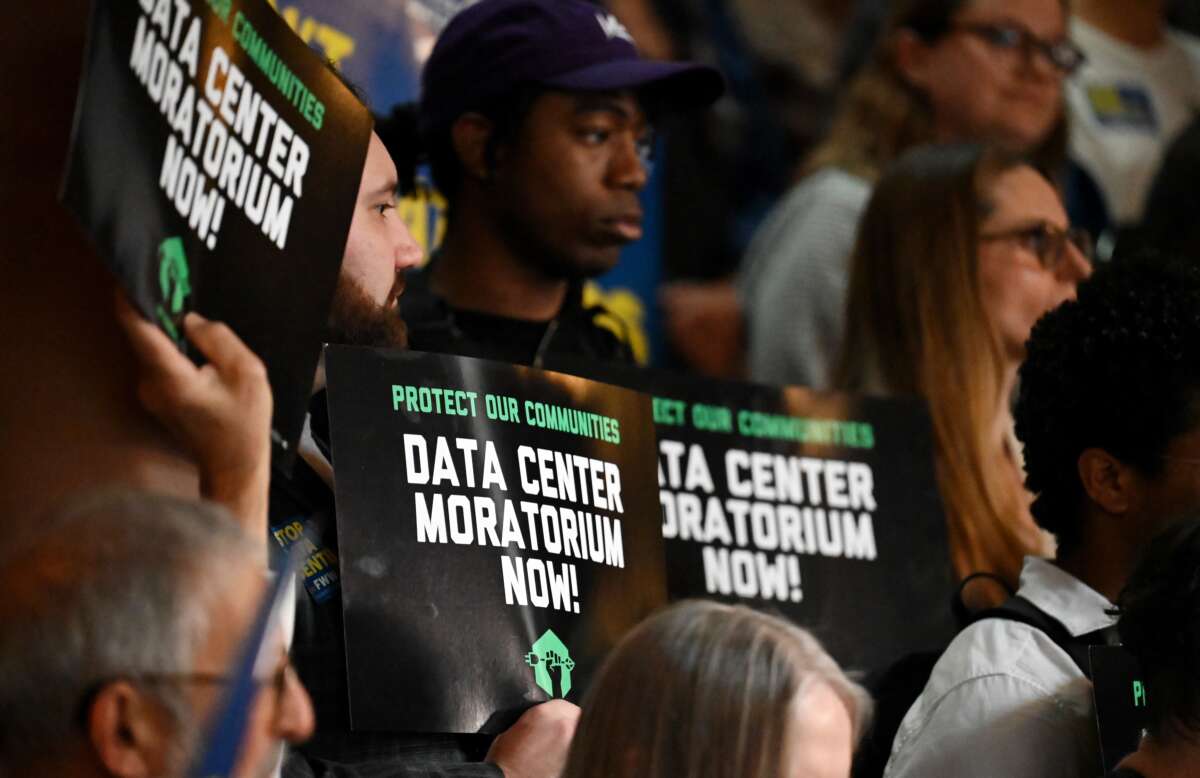
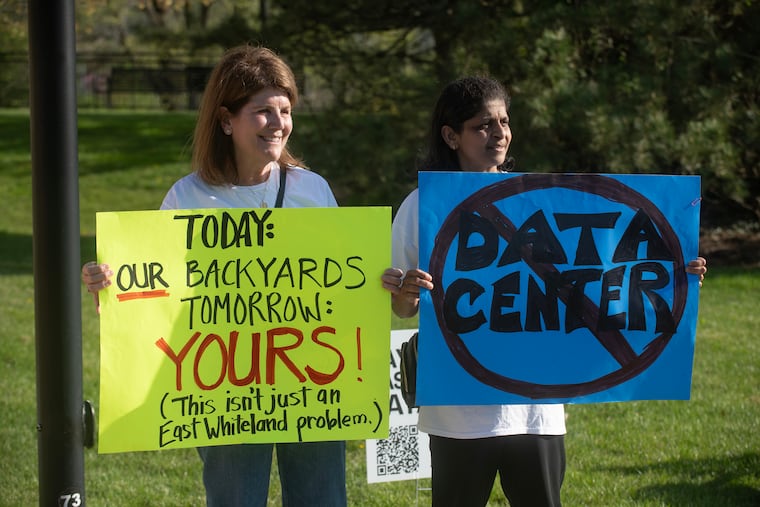
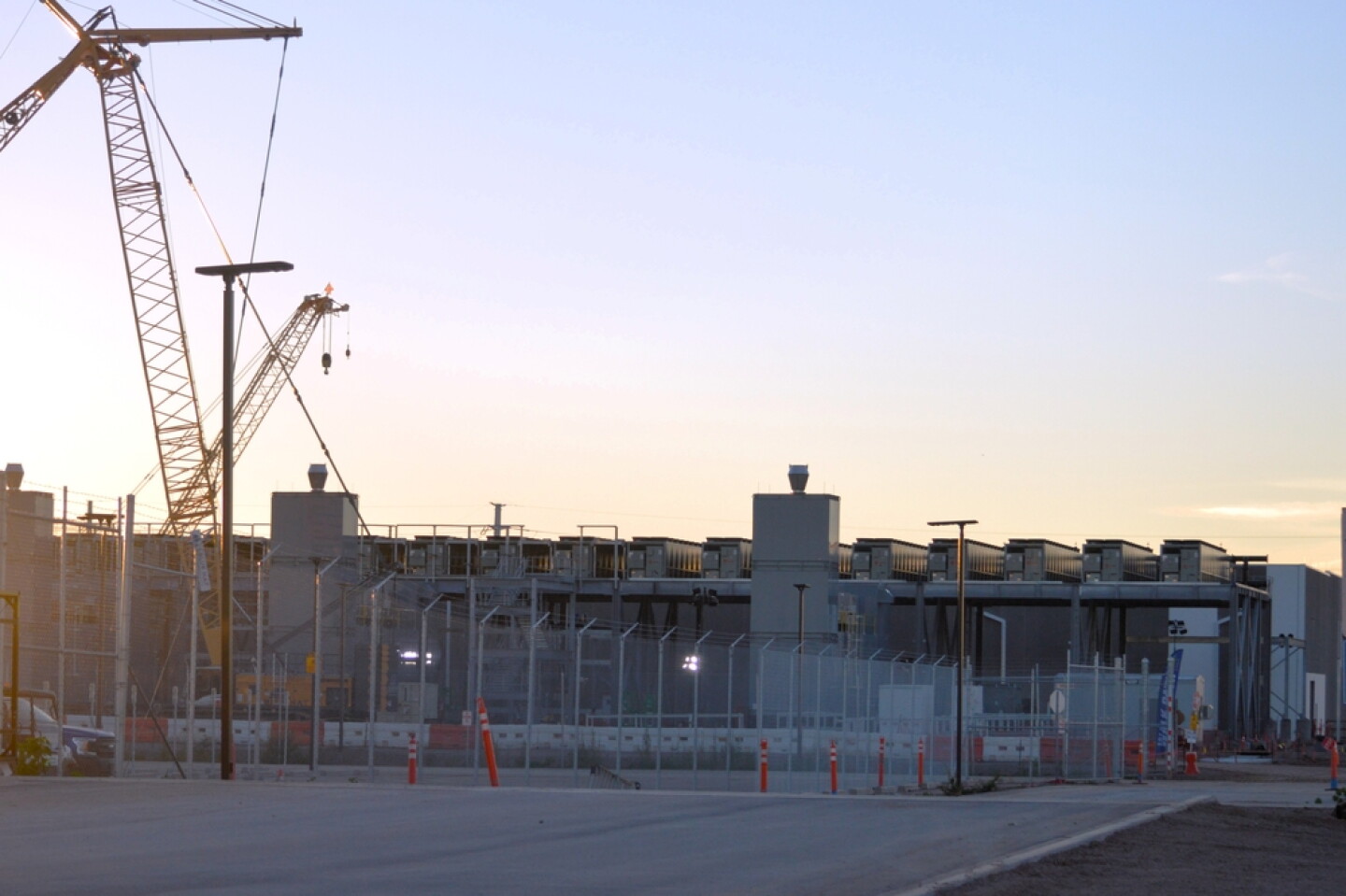
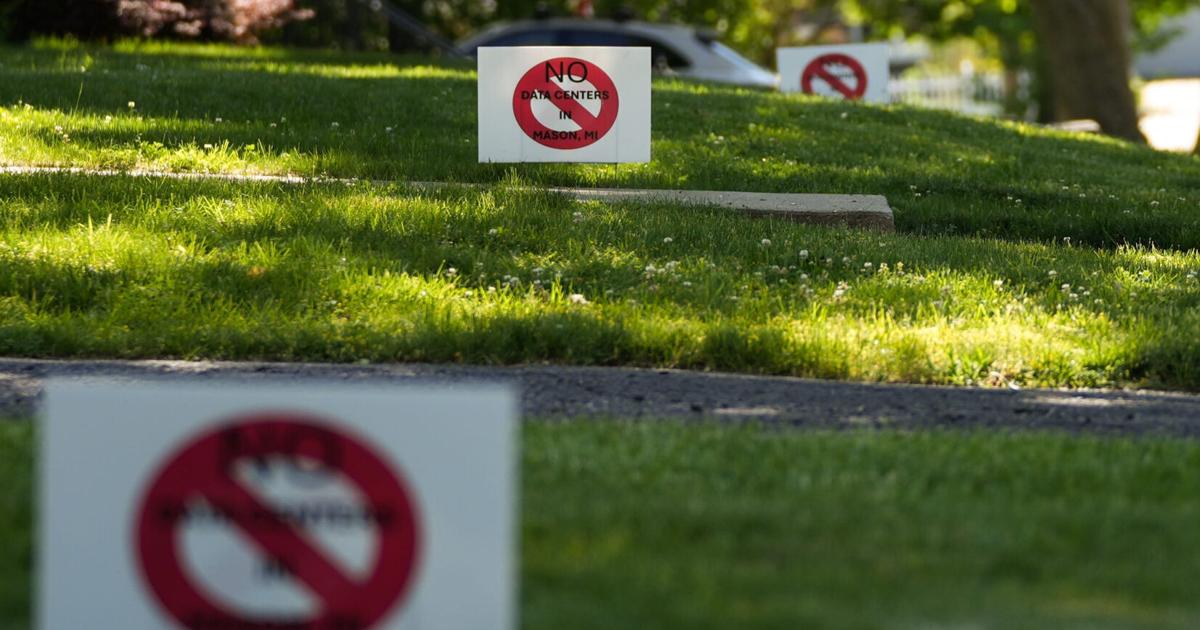
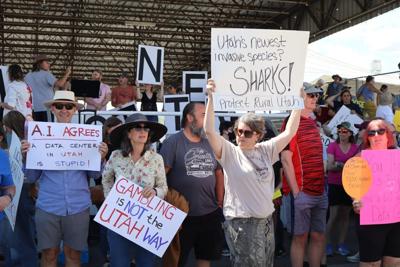
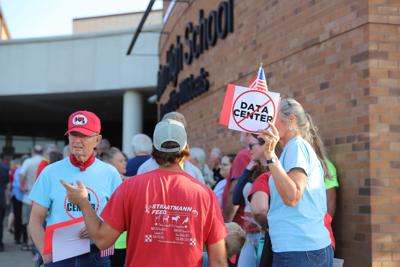
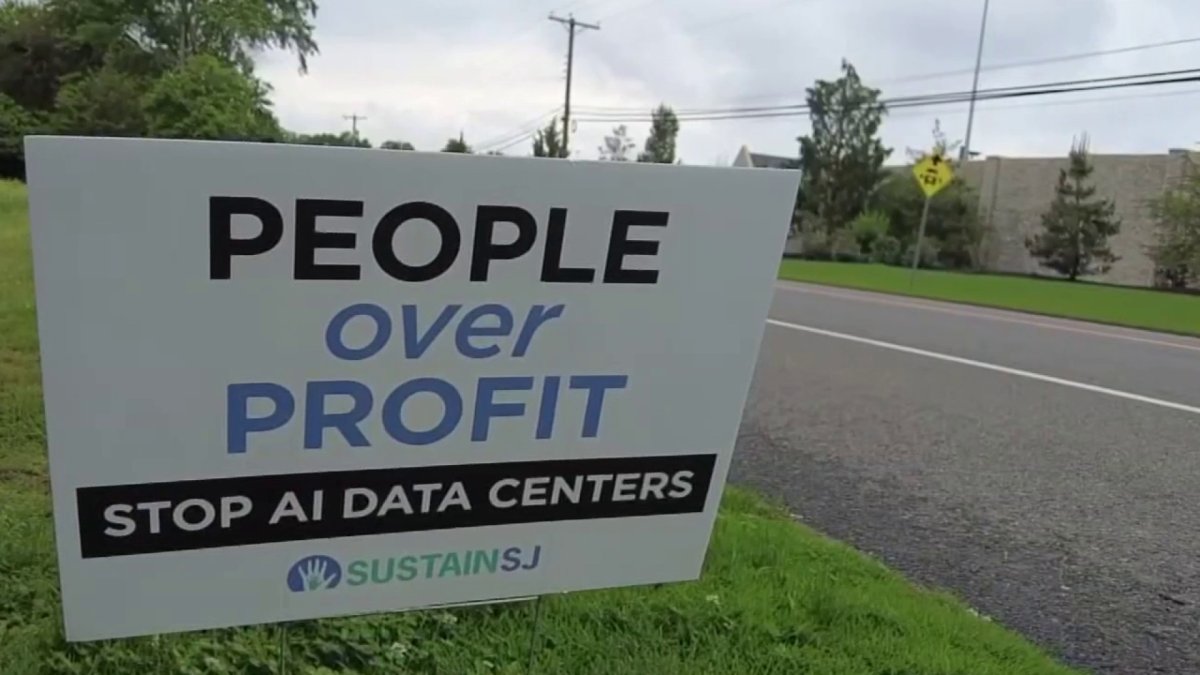
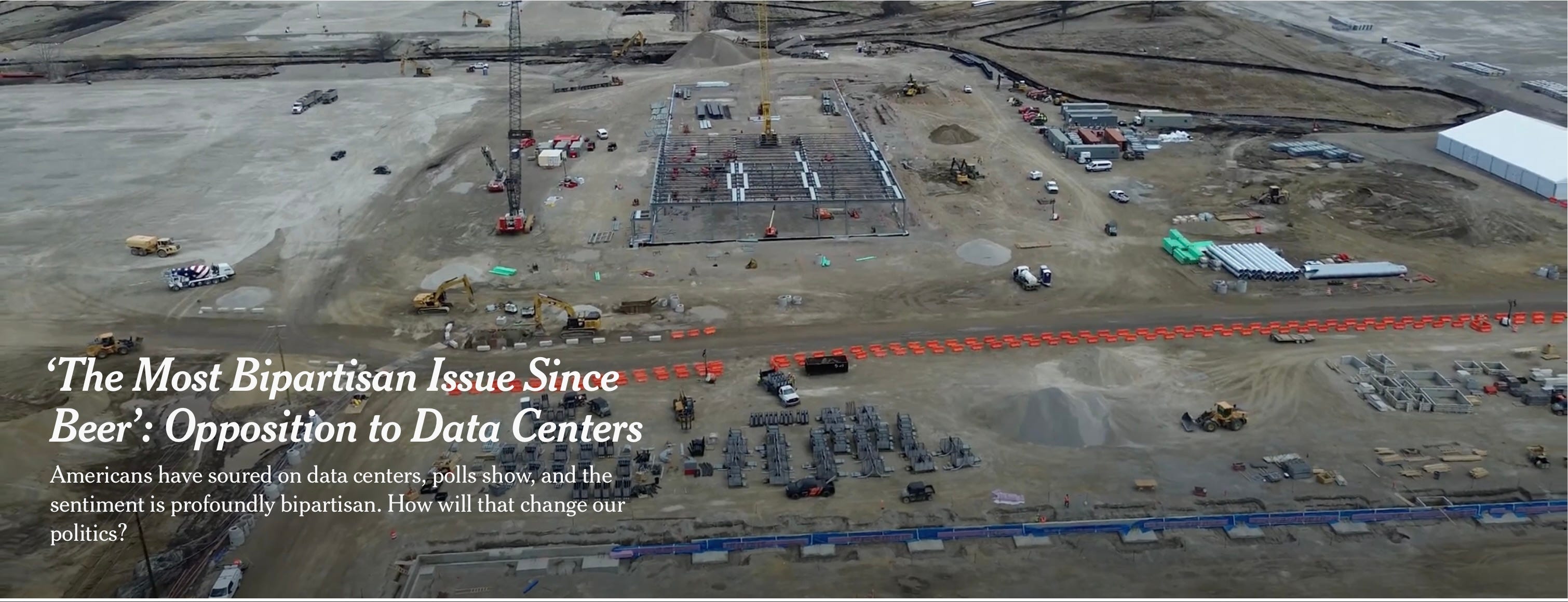
The escalating data center regulation movement across the United States represents a critical infrastructure policy shift with direct implications for e-commerce platform operations, seller logistics costs, and regional market accessibility. As of June 2026, 70% of Americans oppose data center construction in their communities (Gallup survey, May 2026), triggering legislative action in at least 14 states including Georgia, Michigan, New York, Pennsylvania, South Carolina, and Vermont. Monterey Park, California became the first city to implement a permanent data center ban (June 2, 2026), while Florida enacted detailed operational requirements (May 7, 2026) and North Carolina fast-tracked stricter regulations including noise assessments within 500 feet and closed-loop cooling mandates.
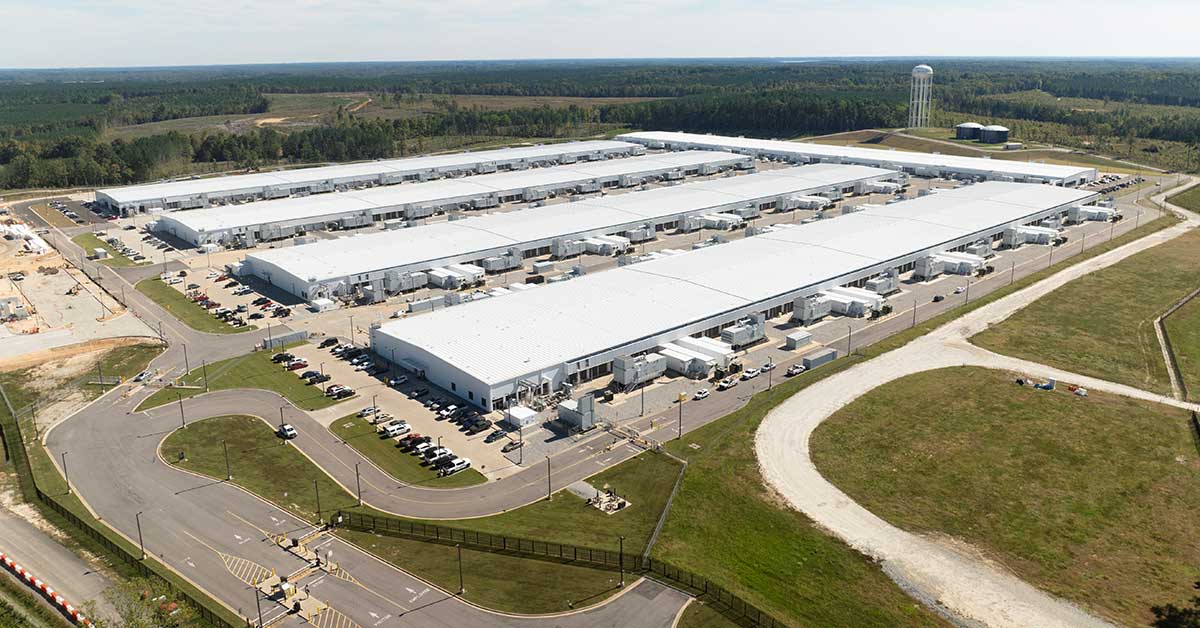
This regulatory fragmentation directly impacts e-commerce infrastructure costs. A University of Michigan study confirmed data center construction raises utility rates for nearby residents and small businesses, signaling that platform fulfillment centers and 3PL warehouses in regulated zones face 8-15% operational cost increases. The 4,300+ existing data centers nationwide now operate under variable compliance frameworks—states offering tax incentives (38 states) versus those implementing bans or restrictions create a two-tier competitive landscape for sellers. Sellers operating FBA fulfillment networks in high-regulation states (California, Michigan, Pennsylvania) face higher electricity and cooling costs, while those in permissive states gain cost advantages. AWS facility expansions in Ohio and Virginia face litigation and community opposition, potentially delaying infrastructure upgrades that support marketplace performance.
The political dimension amplifies uncertainty: politicians remain cautious about supporting outright bans despite voter anger, creating a 6-12 month window of regulatory ambiguity. This creates three distinct seller opportunities: (1) Immediate compliance arbitrage—sellers in regulated states can shift inventory to 3PL providers in low-regulation zones (Texas, Oklahoma, Indiana) to reduce fulfillment costs by 5-8%; (2) Regional pricing adjustments—sellers can implement dynamic pricing reflecting regional infrastructure costs, with 2-3% margin recovery in high-cost zones; (3) Platform diversification—sellers should reduce Amazon FBA dependency in high-regulation states and increase Shopify/WooCommerce direct fulfillment to avoid platform cost pass-throughs. The regulatory window closes within 12-18 months as state legislation stabilizes, making immediate action critical for margin protection.
Questions 7
How does the data center ban in Monterey Park affect California sellers?
Monterey Park's permanent ban (approved June 2, 2026) signals California's aggressive stance on data center restrictions. This increases pressure for statewide regulations beyond Monterey Park, potentially affecting Amazon's California fulfillment network. California sellers face 8-15% utility cost increases for any fulfillment operations in the state. Recommendation: Shift 30-50% of California inventory to 3PLs in Nevada, Arizona, or Texas to reduce fulfillment costs and avoid future regulatory impacts. Evaluate shipping time impacts—Nevada/Arizona adds 1-2 days vs. California-based fulfillment. The cost savings (5-8% reduction) typically outweigh the delivery time trade-off for non-perishable goods. Complete this transition by August 2026 before Q4 peak season.
Should I move my inventory to a different 3PL provider due to data center regulations?
Yes, if your current 3PL is located in high-regulation states (California, Michigan, Pennsylvania, Florida, North Carolina). A strategic shift to providers in low-regulation zones can reduce fulfillment costs by 5-8% and insulate you from future utility rate increases. Request cost quotes from 3PLs in Texas, Oklahoma, Indiana, and Tennessee. However, evaluate shipping time impacts—moving inventory 500+ miles may increase delivery times by 1-2 days, potentially affecting your Buy Box eligibility on Amazon. Calculate the cost-benefit: margin savings vs. potential sales velocity loss. The optimal window for switching is now (June-August 2026) before Q4 peak season.