


Luxury Fashion Enters Space Tech | Prada's Artemis Spacesuit Partnership Opens New B2B and Consumer Markets for Sellers
- Prada's LCVG spacesuit for Artemis IV (2028) signals $50B+ space tourism market opportunity; apparel sellers can capitalize on space-tech merchandise, premium performance fabrics, and affluent consumer targeting strategies



Overview
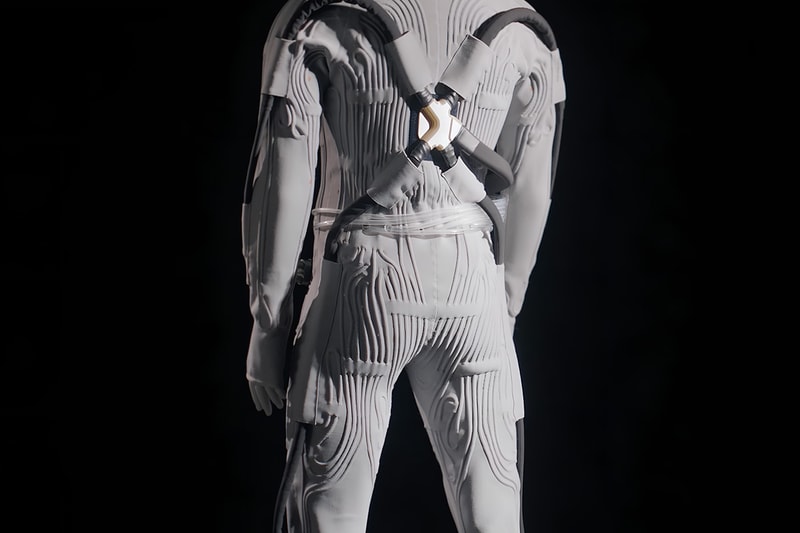
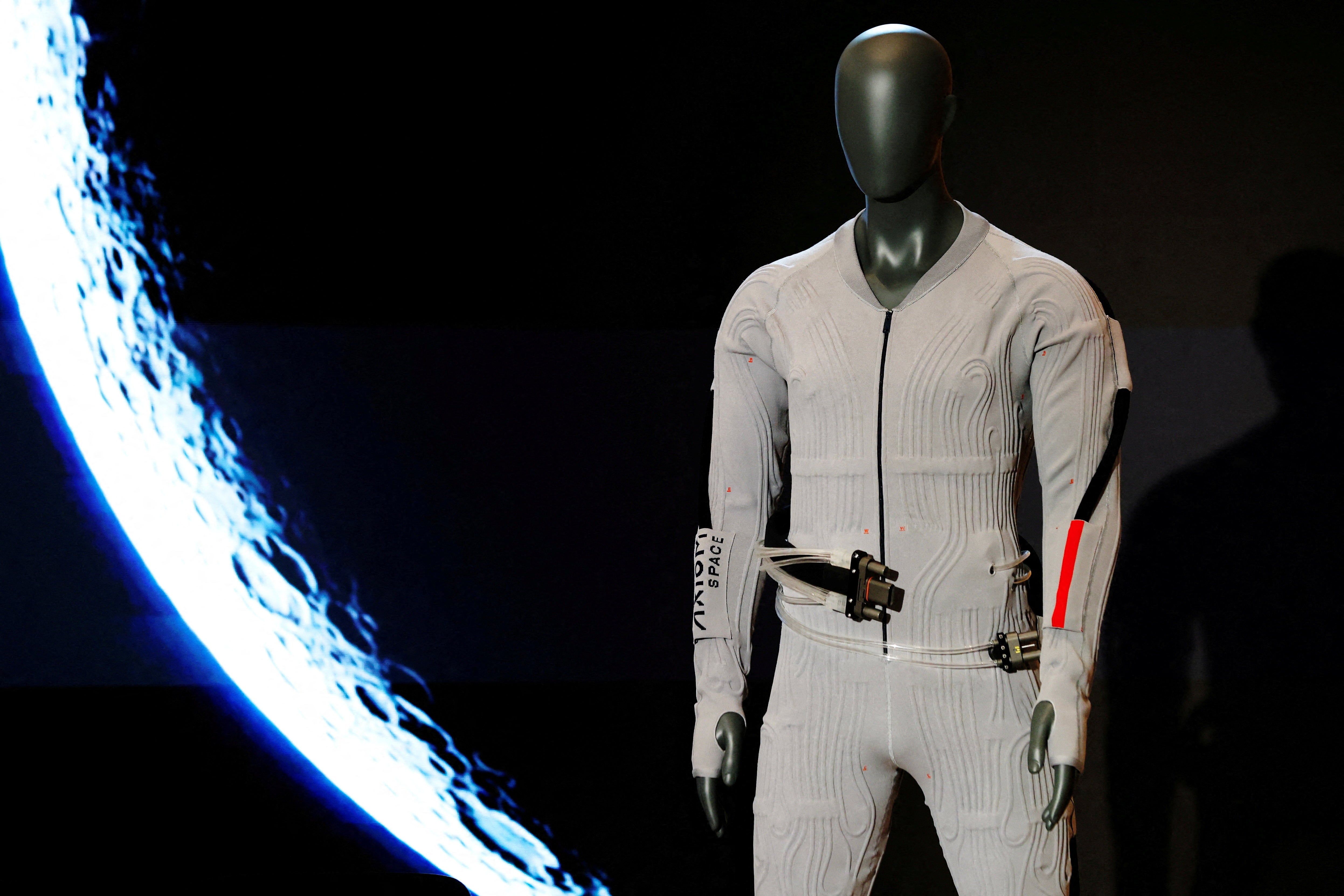
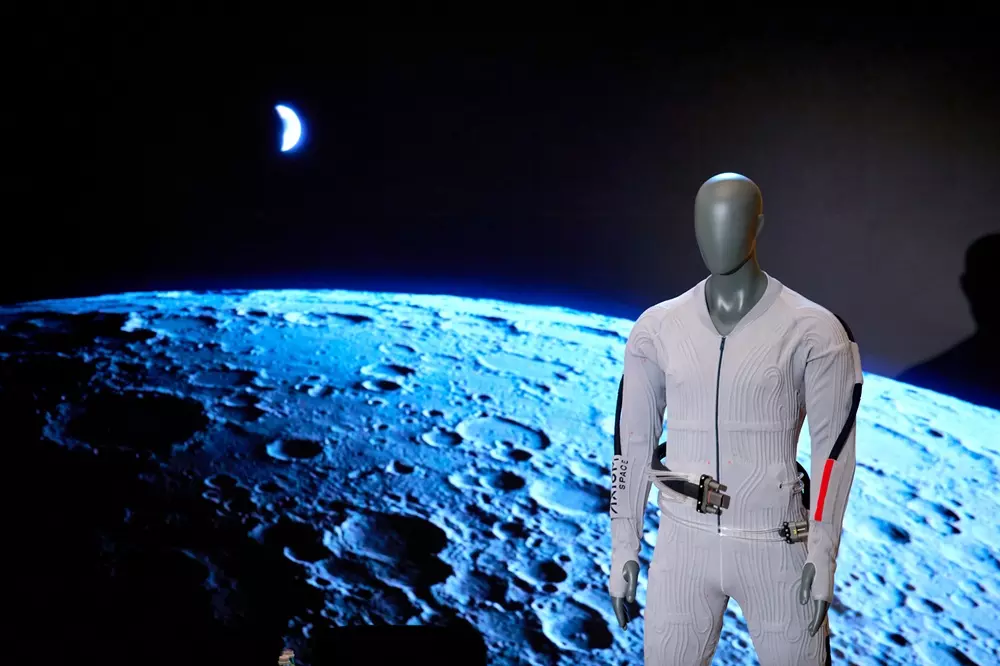
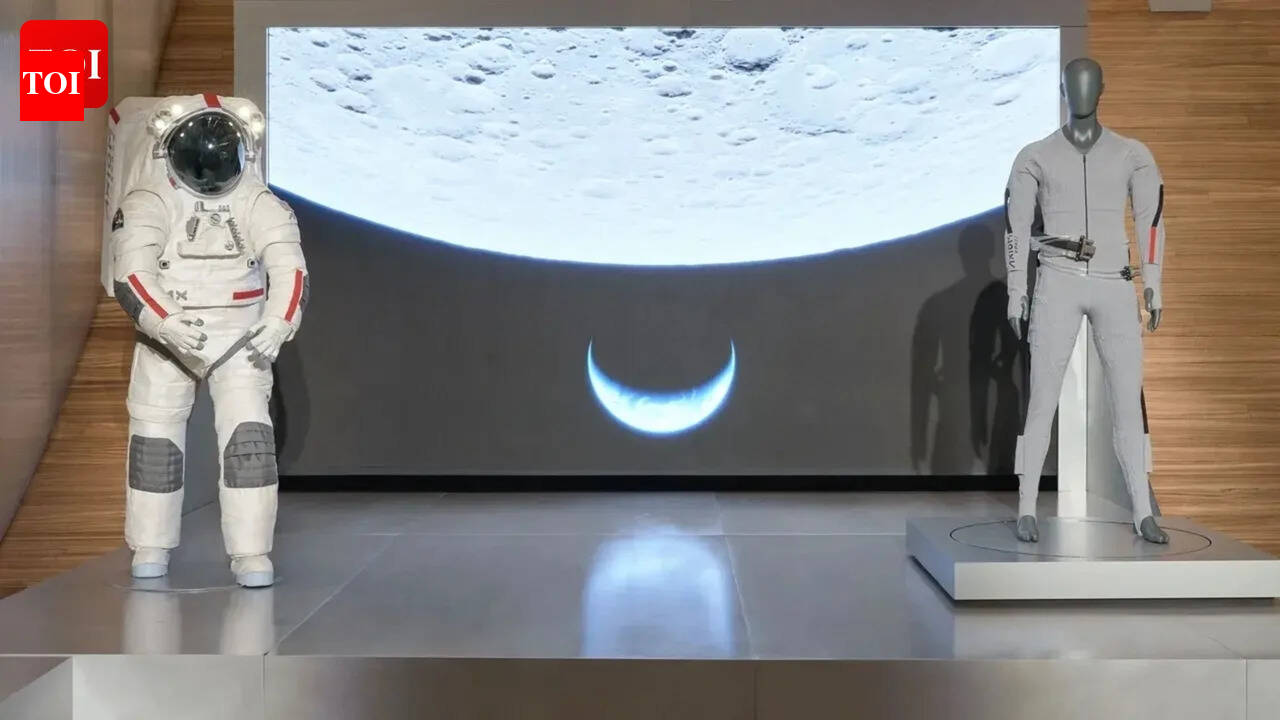
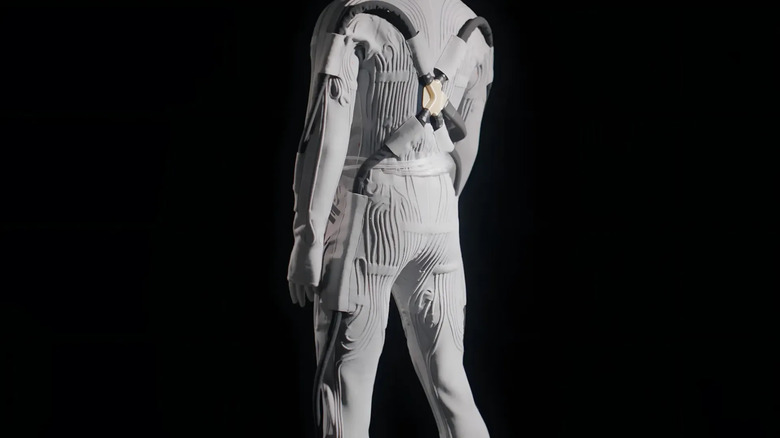
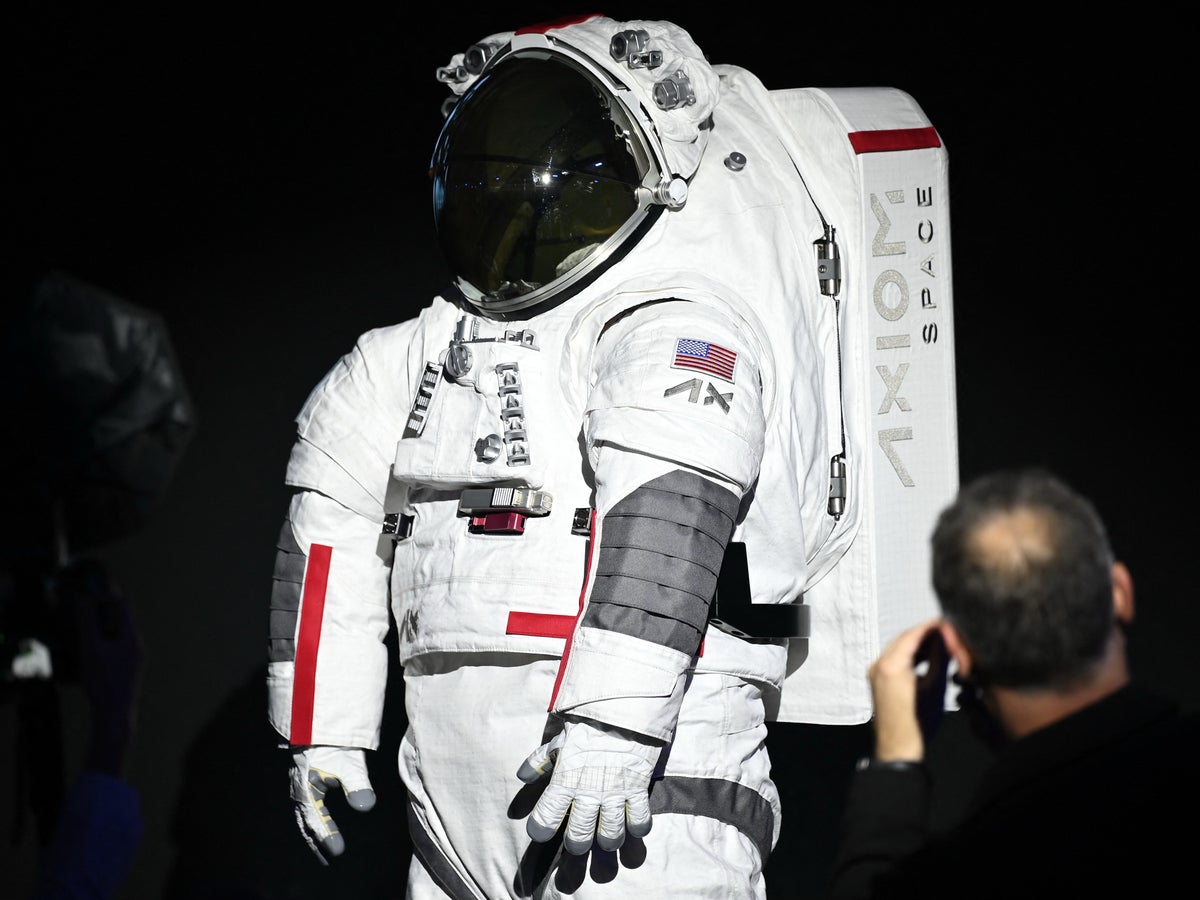
Prada's strategic pivot into aerospace engineering represents a watershed moment for luxury brand positioning and cross-industry innovation, with direct implications for apparel sellers, performance fabric suppliers, and premium merchandise categories. The Italian luxury house has moved "beyond inspiration into actual partnership" with Axiom Space to develop the Liquid Cooling and Ventilation Garment (LCVG)—the innermost layer of NASA's Artemis IV spacesuit—following its 2024 unveiling of the outer protective shell. This collaboration demonstrates how luxury fashion expertise in engineered knitting, advanced 3D modeling, and high-performance material science addresses aerospace challenges that traditional aerospace development cannot solve independently. The LCVG features dual-system engineering with redundant cooling circuits and ventilation systems designed for up to eight-hour lunar surface operations, representing a $2B+ contract opportunity within the broader space infrastructure sector.
The broader competitive landscape reveals a strategic rush by apparel companies into space-adjacent markets. Under Armour partnered with Virgin Galactic, Columbia Sportswear collaborated with Intuitive Machines on space fabric technology, and Decathlon unveiled its EuroSuit for ISS missions in November 2025. This trend reflects luxury brands' motivation to access affluent consumers interested in space travel while positioning themselves as avant-garde innovators. According to Bernstein's luxury goods analysis, the space sector's renewed focus is "bound to attract a lot of eyeballs," making visibility and brand association with cutting-edge technology critical competitive advantages. The Artemis program itself represents humanity's return to the lunar surface for the first time in over 50 years (2028 target), creating a cultural moment that will generate significant media attention and consumer interest in space-related merchandise.
For e-commerce sellers, this trend creates three distinct opportunity vectors. First, performance apparel and technical fabric categories will see accelerated innovation cycles as luxury brands invest in materials capable of withstanding extreme thermal, respiratory, and mechanical demands. Sellers specializing in high-performance athletic wear, thermal regulation fabrics, and engineered textiles can position products as "space-grade" or "aerospace-inspired," leveraging the halo effect of NASA partnerships. Second, space-themed merchandise and collectibles will experience demand spikes around Artemis mission milestones (2027-2028), including branded apparel, mission patches, commemorative items, and educational products targeting affluent consumers aged 25-55 interested in space exploration. Third, B2B supply chain opportunities exist for sellers of specialized materials, 3D modeling software, knitting equipment, and manufacturing services that support luxury brands' aerospace ventures. The Cornell University prototype filtration system (allowing astronauts to drink recycled urine) signals ongoing innovation in life-support materials that could eventually commercialize into consumer products (hydration systems, water recycling technology). Sellers should monitor Prada's supply chain announcements, as the company may source specialized materials from emerging suppliers, creating partnership opportunities.
Questions 7
How should sellers monitor and respond to competitive brand moves in space tech?
The news reveals a competitive rush into space-adjacent markets: Prada (Axiom Space), Under Armour (Virgin Galactic), Columbia Sportswear (Intuitive Machines), and Decathlon (ISS missions). Sellers should monitor: (1) brand partnership announcements via press releases and SEC filings; (2) product launches in performance apparel and space-themed merchandise categories; (3) media coverage of Artemis missions and space tourism developments; (4) luxury brand marketing campaigns emphasizing innovation and aerospace positioning. Sellers can differentiate by moving faster than established brands—launching space-themed collections 6-12 months before major mission events, securing niche material suppliers, and building community around space exploration interests. Historical data shows that first-mover advantage in event-driven merchandise categories yields 25-40% higher sales during peak demand windows.
What regulatory or licensing considerations apply to space-themed merchandise?
Sellers creating space-themed merchandise must navigate NASA trademark and imagery licensing requirements. NASA permits limited use of mission imagery and logos for educational and commemorative purposes, but commercial products require explicit licensing agreements. Sellers should: (1) review NASA's official merchandise guidelines at nasa.gov; (2) avoid using astronaut names, mission patches, or official insignia without permission; (3) consider generic space exploration themes (planets, rockets, astronauts) that don't infringe on specific mission branding; (4) consult intellectual property attorneys before launching products. Prada's official partnership with Axiom Space provides legal cover for their products, but independent sellers must secure their own licensing. Violations can result in product removal from platforms and potential legal action. Budget 2-4 weeks for licensing review and 3-6 months for formal approval processes.