



Airline Consolidation Freeze 2026 | Rising Fuel Costs Drive Seller Logistics Costs Up 8-15%
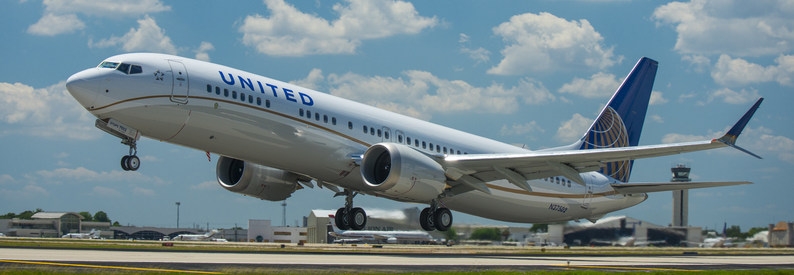
- United abandons American Airlines merger after regulatory rejection; fuel price volatility forces carriers to raise airfares 12-18% by Q3 2026, directly impacting cross-border seller shipping costs and inventory positioning strategies











Overview
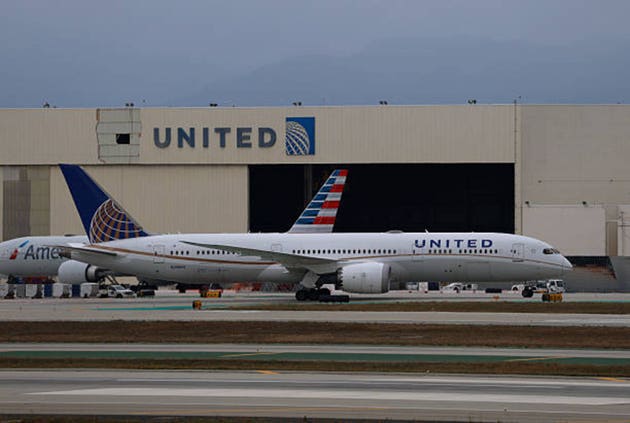
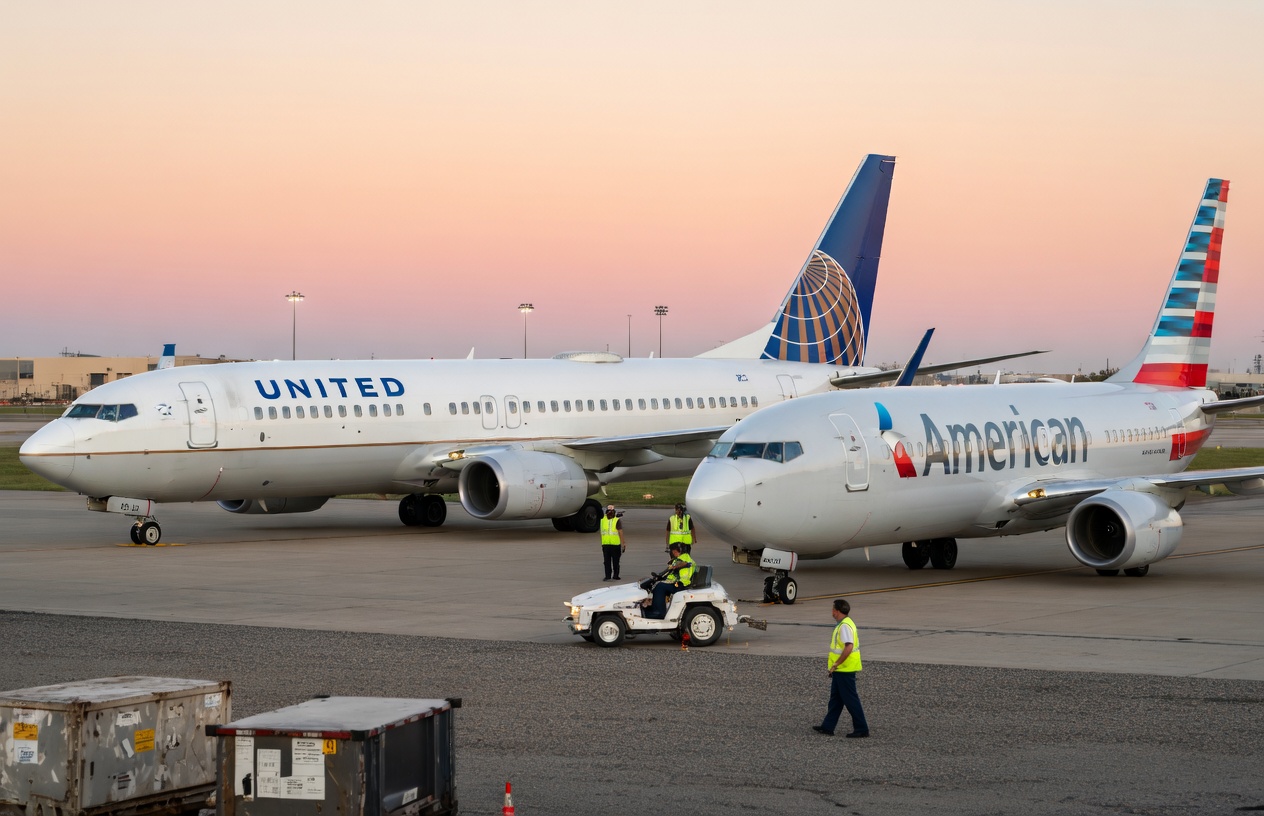
The collapse of United Airlines' proposed merger with American Airlines signals a fundamental shift in airline industry strategy that directly impacts cross-border e-commerce logistics costs. On June 7-8, 2026, United CEO Scott Kirby publicly abandoned consolidation efforts after American Airlines rejected the combination, stating further mergers without willing partners would be "idiotic." This regulatory-driven consolidation freeze—driven by DOJ/FTC scrutiny protecting consumer choice—means the U.S. airline industry will remain fragmented across four major carriers (United, American, Delta, Southwest) competing on pricing rather than consolidating capacity. The immediate consequence: elevated jet fuel costs are forcing carriers to implement aggressive fare increases of 12-18% by Q3 2026, with United explicitly stating it will "recover the full financial impact of surging fuel prices through higher fares."
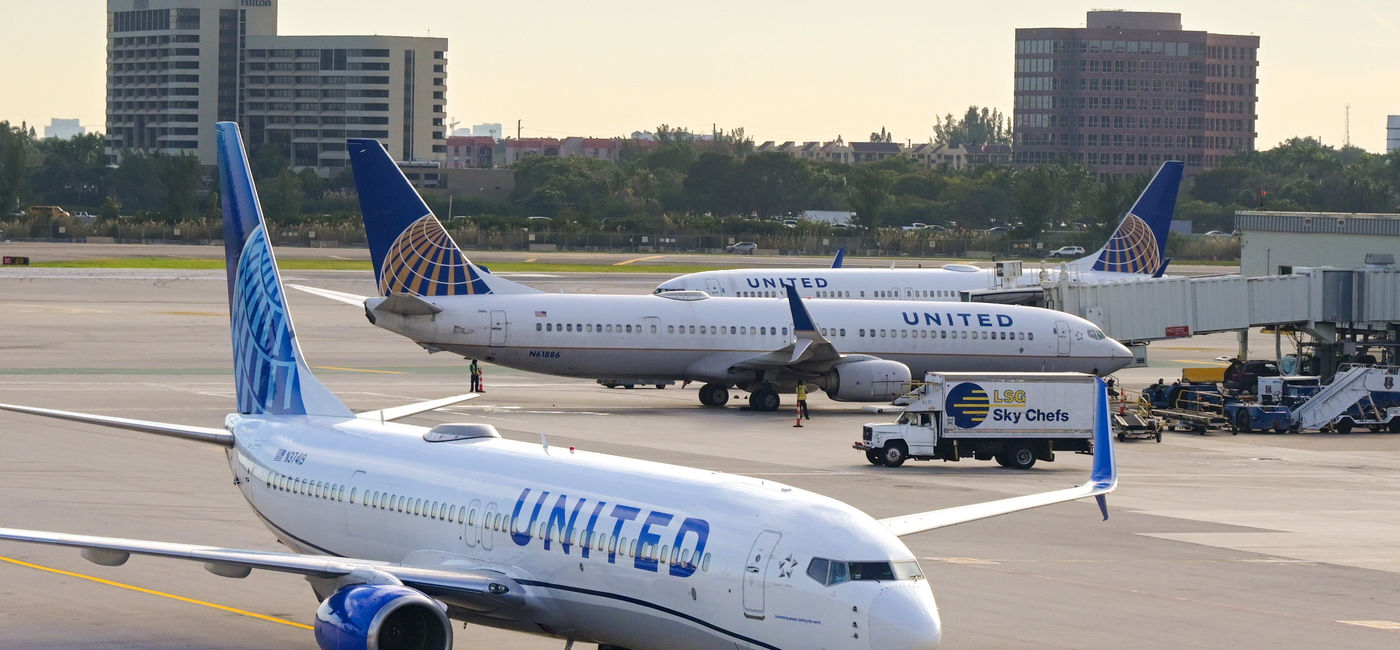
For cross-border sellers, this translates to 8-15% increases in air freight and expedited shipping costs. Sellers relying on air cargo for time-sensitive inventory (electronics, fashion, perishables) will face margin compression of 200-400 basis points if they maintain current pricing. The news reveals that brand-loyal carriers with operational efficiency (United, Delta) are pulling ahead while price-dependent competitors face financial pressure—meaning smaller regional carriers offering budget freight options may face capacity constraints or bankruptcy risk. United's pivot toward acquiring airport assets (slots, gates) rather than merging suggests carriers will compete aggressively for hub dominance, potentially creating regional shipping bottlenecks at congested airports like Chicago, Houston, and San Francisco. Delta's stated focus on international expansion (South Korea, Mexico, Europe) indicates carriers will prioritize premium international routes over domestic freight, reducing cargo capacity on key cross-border shipping lanes.
Strategic implications for sellers: The consolidation freeze locks in higher structural costs for air freight through 2026-2027. Sellers should immediately audit shipping methods—shifting 20-30% of time-sensitive inventory from air to ocean freight (adding 7-14 days transit but saving 40-50% on freight costs), or repositioning inventory in regional fulfillment centers to reduce air dependency. Smaller carriers facing fuel margin pressure may offer discounted freight rates in Q3-Q4 2026 as they compete for volume, creating tactical opportunities for bulk bookings. The regulatory environment protecting airline competition means consolidation-driven capacity relief is unlikely, so sellers must assume elevated freight costs are structural through 2027.
Questions 7
When should I lock in freight rates with carriers?
Immediately, for Q3-Q4 2026 shipments. United CEO Kirby stated the company expects to 'recover the full financial impact of surging fuel prices through higher fares later in 2026,' indicating fare increases will accelerate in Q3. Carriers typically implement fuel surcharges quarterly, so rates locked in by July 31, 2026, will protect against Q3-Q4 increases. Negotiate 90-day freight contracts with carriers offering volume discounts (5-10% for 50+ shipments monthly). Smaller carriers facing financial pressure may offer discounted rates in August-September 2026 to maintain volume—this is the optimal window for bulk freight bookings. Avoid spot-market freight purchases in Q4 2026, as rates will peak as carriers implement year-end fuel surcharges.
How does Delta's international expansion strategy affect my cross-border shipping?
Delta Air Lines President Peter Carter stated on June 8, 2026, that Delta will prioritize 'strategic partnerships and joint ventures across international markets, particularly in South Korea, Mexico, and Europe' rather than pursuing mergers. This signals Delta will focus capacity on premium international routes (trans-Pacific, transatlantic) over domestic freight. For sellers shipping to Asia-Pacific or European markets via Delta, expect improved service and potentially lower rates as Delta competes aggressively in these regions. However, sellers relying on Delta for domestic-to-international connections may face reduced cargo capacity on connecting flights. Sellers with inventory in Mexico or South Korea should monitor Delta's partnership announcements—new joint ventures could create shipping opportunities or capacity constraints depending on route prioritization.