


Europe-Russia Peace Talks Shift | Supply Chain & Tariff Opportunities for Cross-Border Sellers
- European diplomatic leadership creates 3-12 month window for tariff policy changes affecting EU-Russia trade corridors; sellers should monitor frozen asset implications and potential sanctions relief opportunities




Overview
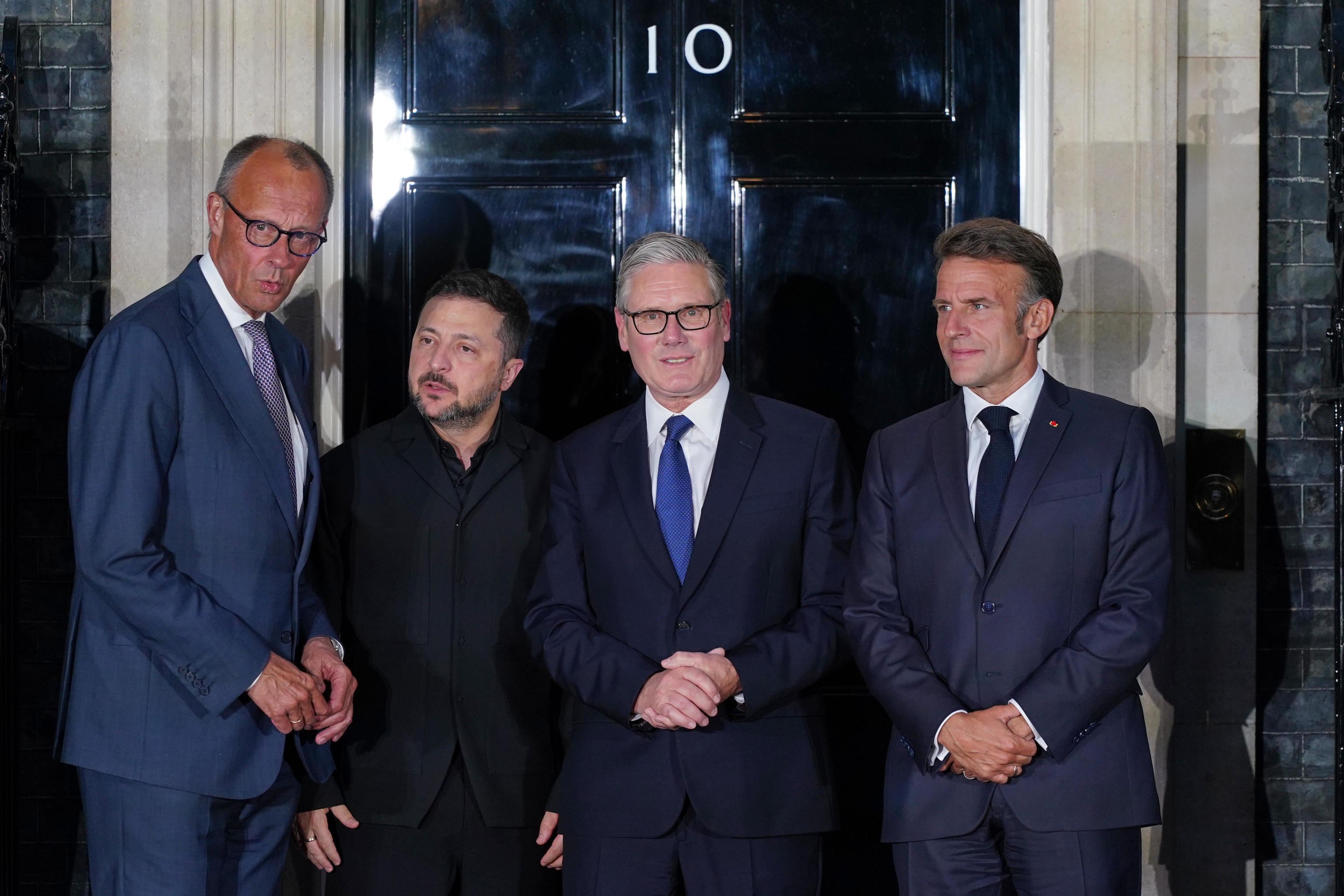
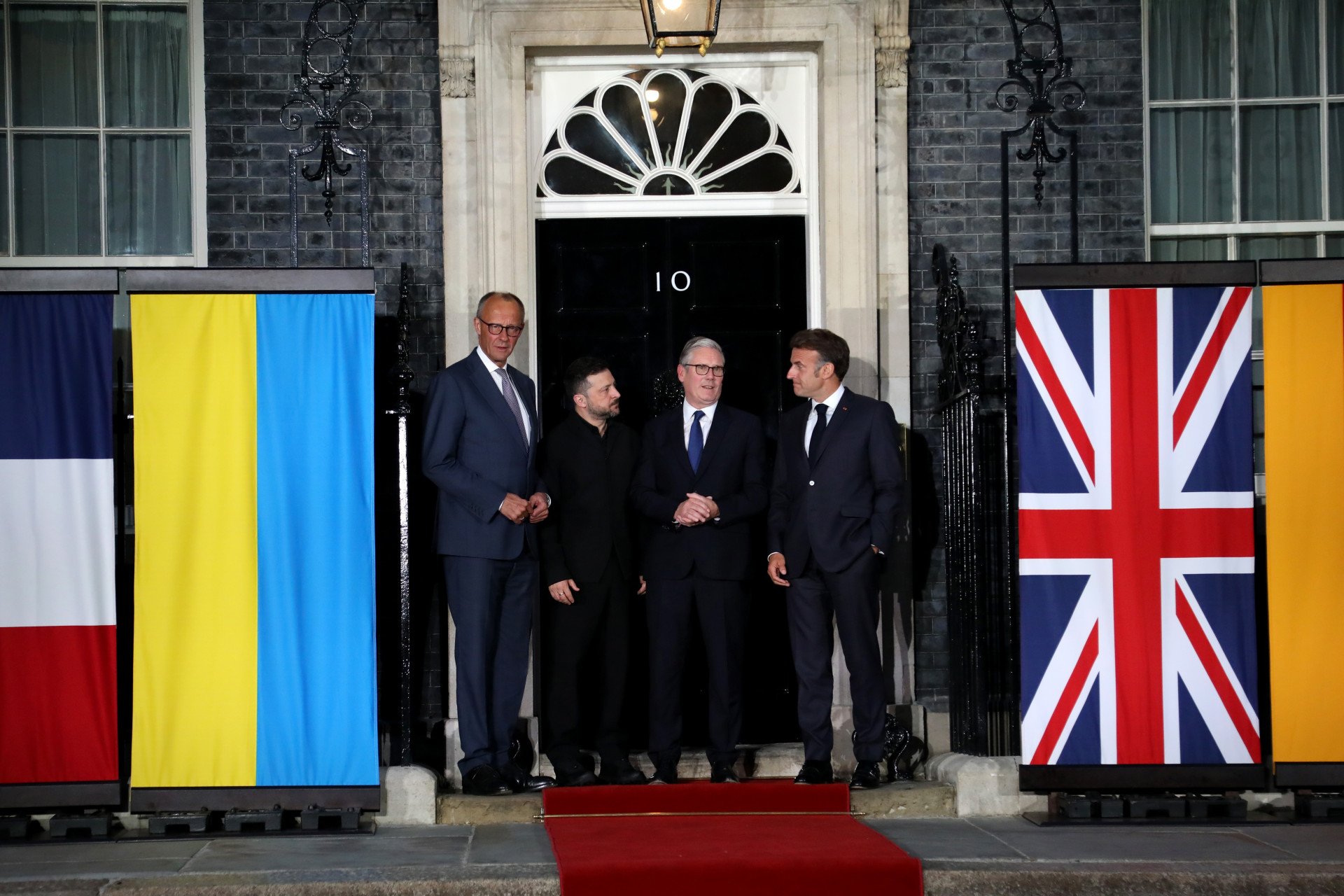
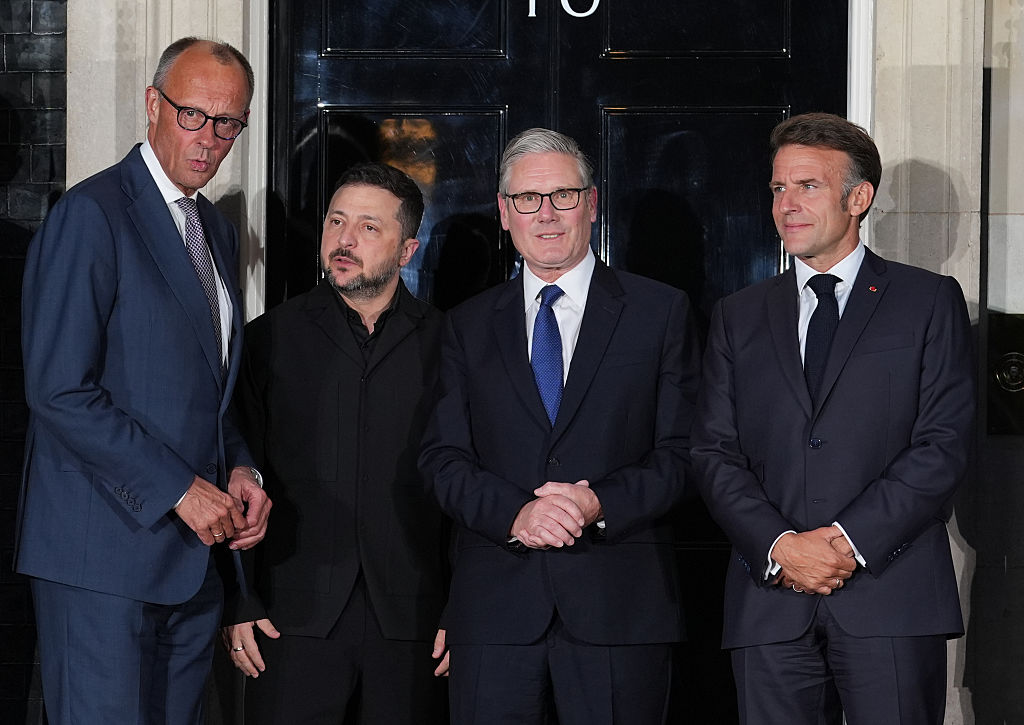
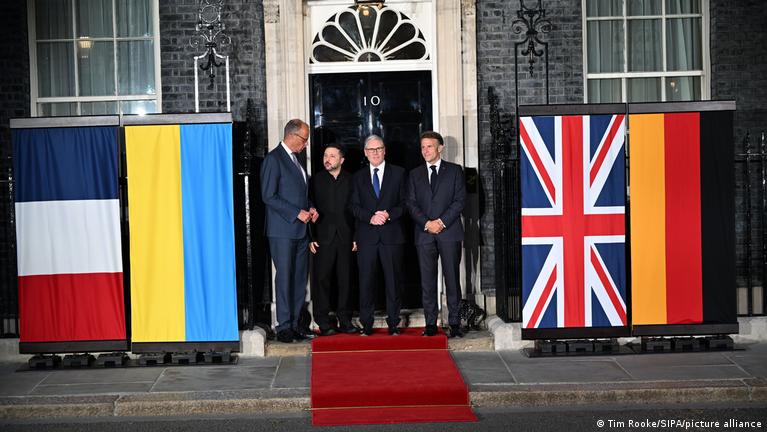
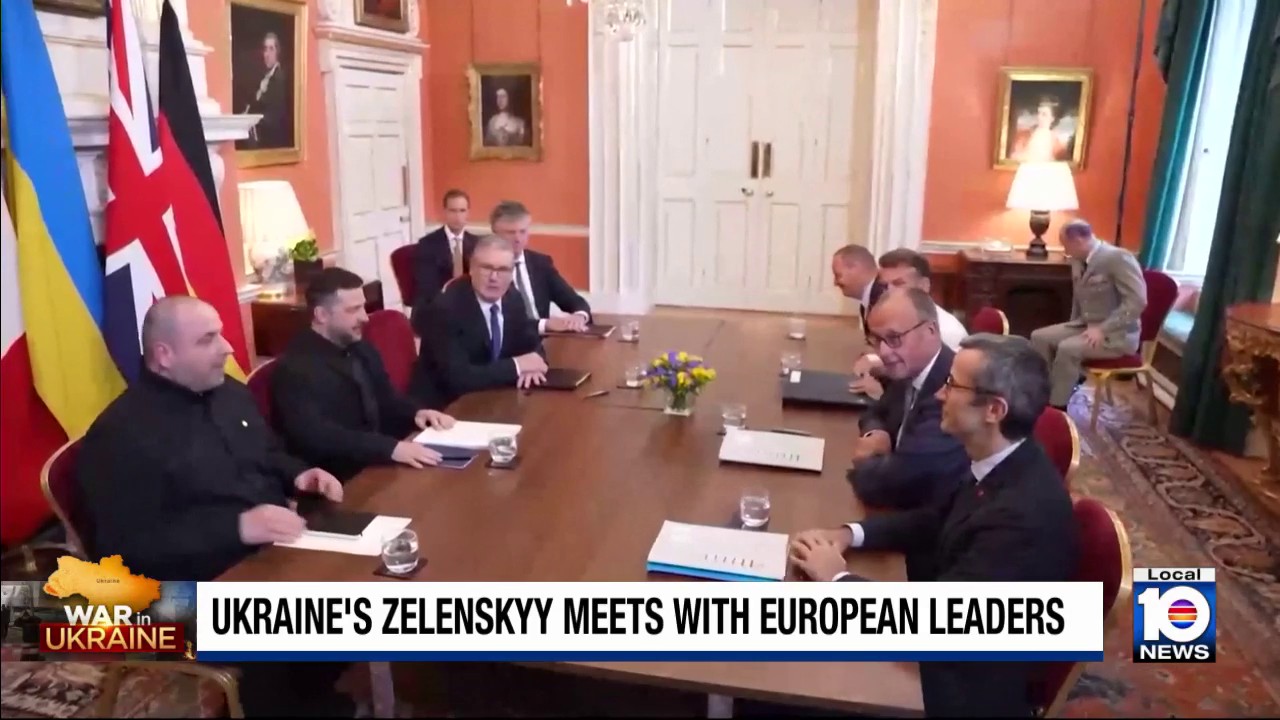
European leaders' shift to lead Ukraine-Russia peace negotiations signals a critical inflection point for cross-border sellers operating in EU and Russia-adjacent markets. The joint statement from UK, France, Germany, and Ukraine (announced Monday following London summit) establishes five negotiation conditions, including ceasefire terms and frozen Russian asset protocols. This represents a fundamental reorientation of geopolitical power—moving negotiations from U.S. envoys Steve Witkoff and Jared Kushner (who have led talks since early 2025 with limited results) to European-led diplomacy, with G7 meetings in Evian and European Council summit in Brussels planned as next coordination points.
For tariff arbitrage specialists, this creates immediate opportunities in three corridors: First, the frozen Russian assets clause signals potential sanctions relief negotiations—sellers currently avoiding Russia-EU trade should monitor policy developments, as tariff reductions on Russian commodities (energy, metals, fertilizers) could reshape sourcing economics for 2-3 years. Second, European negotiation leadership typically favors gradual sanctions unwinding over U.S. "all-or-nothing" approaches, creating 6-12 month windows where selective tariff exemptions emerge before formal policy changes. Third, the emphasis on "legally binding security guarantees" for Ukraine suggests EU will negotiate trade concessions as part of settlement package—sellers in defense-adjacent categories (electronics, industrial equipment, dual-use goods) should prepare for potential tariff shifts on Ukrainian imports.
Competitive advantage shifts by seller segment: Large EU-based sellers with established Russian supply chains gain first-mover advantage if sanctions ease—they can reactivate dormant relationships before U.S. competitors. Mid-market sellers should focus on Ukrainian reconstruction opportunities; the news emphasizes "sustained pressure on Russia" and security guarantees, indicating post-conflict rebuilding will be EU-led, creating demand for infrastructure, logistics, and industrial products. U.S.-based sellers face 3-6 month disadvantage window as European negotiators prioritize EU commercial interests. The timeline uncertainty (Kornelius stated "weeks or months") creates volatility—sellers should avoid major sourcing commitments until G7 Evian meetings conclude and European Council Brussels summit produces concrete policy signals.
Operational implications: Frozen Russian asset protocols mean any seller with outstanding receivables or inventory in Russia faces extended recovery timelines. The news indicates Putin's willingness to negotiate remains uncertain, suggesting policy changes will be incremental rather than sudden—sellers should adopt 90-day monitoring cycles rather than reactive strategies. Ukrainian market access improves as negotiation framework solidifies, but security guarantee requirements suggest continued logistics complexity for 12+ months post-settlement.
Questions 7
What product categories benefit most from potential sanctions relief?
Three categories show highest tariff arbitrage potential: (1) Russian commodities (energy, metals, fertilizers) where tariff reductions reshape sourcing economics; (2) Ukrainian reconstruction goods (industrial equipment, logistics, infrastructure products) as EU-led rebuilding creates demand; (3) Dual-use goods (electronics, industrial equipment) where security guarantee negotiations may create selective tariff exemptions. Sellers in these categories should prepare sourcing strategies now. Monitor HS code classifications for your products and track EU trade policy announcements for category-specific tariff changes post-G7 meetings.
How does the frozen asset clause affect seller compliance and payment processing?
The joint statement stipulates 'Russian assets must remain frozen until the Kremlin ceases its invasion and compensates Ukraine for war damages.' This extends existing sanctions compliance requirements for sellers. Payment processors and banks will maintain heightened screening for Russian transactions. Sellers must verify customer locations and beneficial ownership through compliance systems. Any seller accepting payments from Russian entities risks account suspension. Maintain detailed transaction records and consult compliance counsel before processing any Russia-related transactions, even if customer claims European residency.