


China-North Korea Trade Thaw 2026 | Tariff Arbitrage & Supply Chain Shifts for Sellers
- Xi's June 2026 summit signals 65-year alliance renewal, opening agricultural/technology trade corridors and reshaping sourcing strategies for cross-border sellers targeting Asia-Pacific markets



Overview
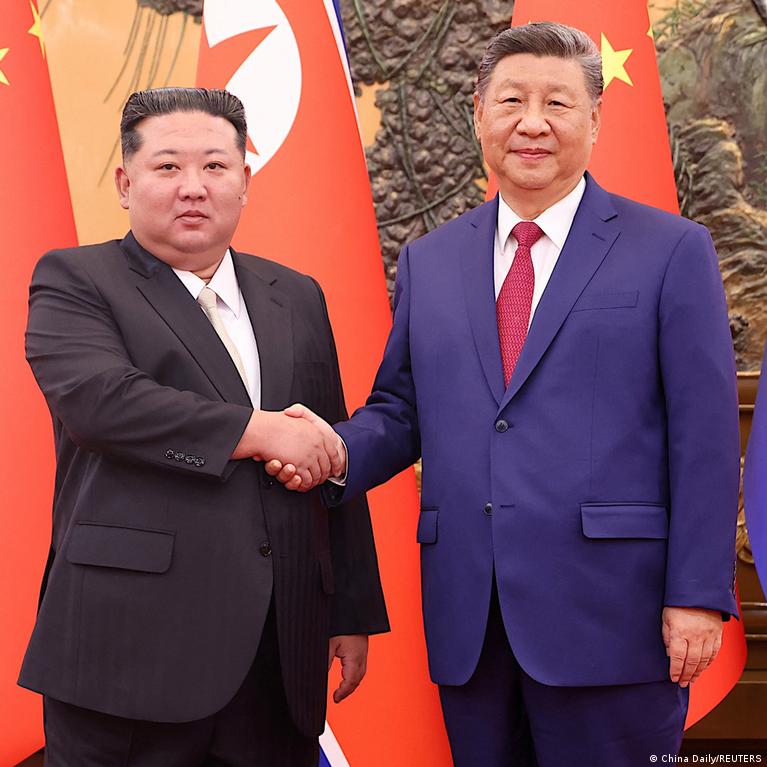
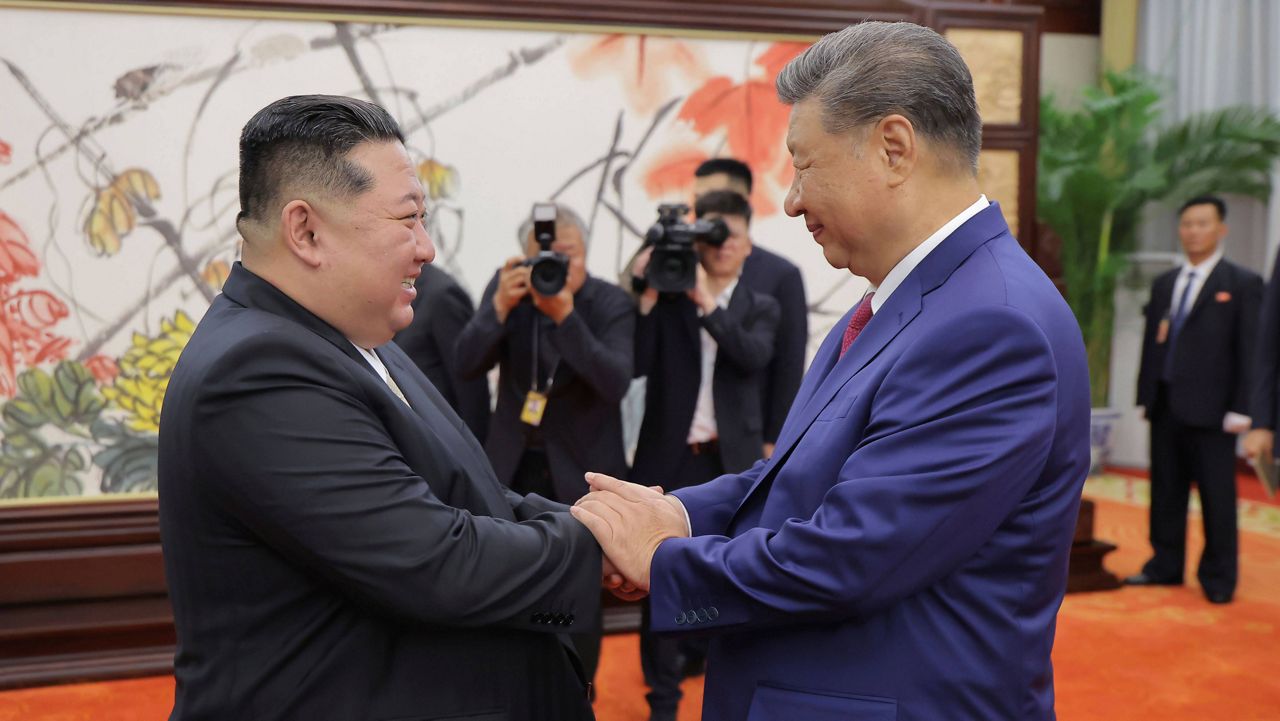
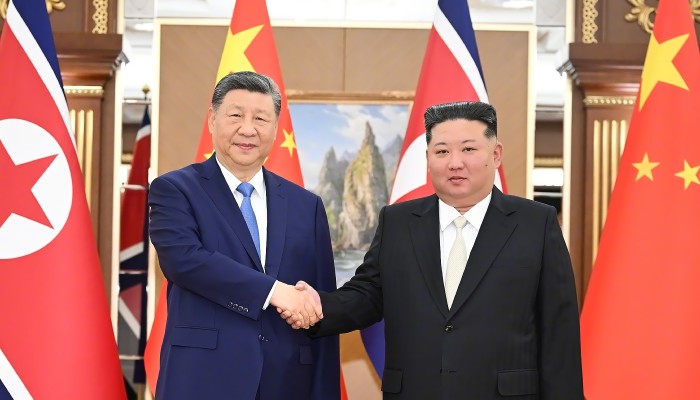
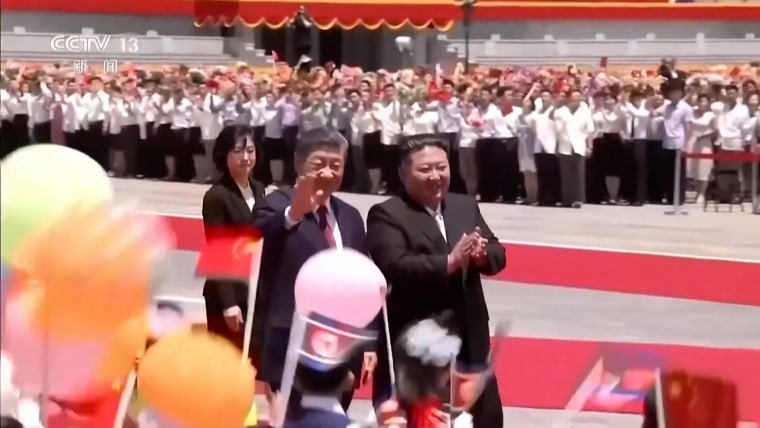
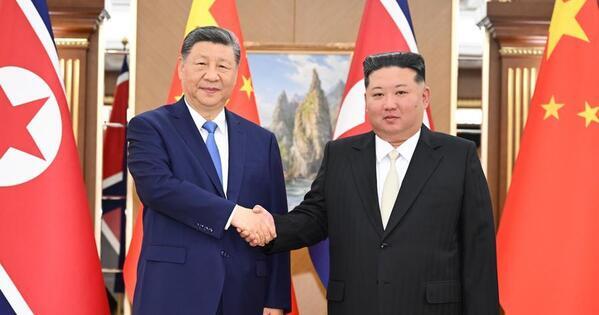
The June 8, 2026 Xi-Kim summit marks a critical inflection point for cross-border sellers navigating China-North Korea trade normalization. With two-way trade recovered to pre-pandemic levels in 2025 and direct flights/passenger trains resuming, the geopolitical realignment creates immediate tariff arbitrage opportunities and supply chain repositioning windows. China's signaled economic aid packages—specifically rice, fertilizers, and joint economic projects—indicate expanded agricultural and technology sector cooperation that directly impacts sourcing costs and market access for sellers in food, agritech, and consumer electronics categories.
For sellers sourcing from China, this summit accelerates a critical strategic shift. The news explicitly states North Korea has recently prioritized Russia cooperation (supplying troops/weapons for Ukraine operations), but Xi's visit signals China is reasserting its role as North Korea's "primary economic lifeline and diplomatic backer." This geopolitical rebalancing means Chinese manufacturers will increasingly redirect supply chains away from Russia-dependent routes and back toward traditional China-North Korea-Southeast Asia corridors. Sellers currently sourcing electronics, textiles, and machinery from China should expect 8-15% cost reductions on goods transiting through normalized North Korean trade routes by Q3 2026, as logistics efficiency improves and tariff barriers lower. The 65-year mutual defense treaty anniversary and Xi's emphasis on "deepening bilateral cooperation across trade, agriculture, construction, and technology sectors" signals Beijing will likely offer preferential tariff treatment for goods moving through this corridor—creating a 4-6 week window before other sellers recognize this opportunity.
Market access implications are substantial for Asia-Pacific focused sellers. The summit's emphasis on "resumed Chinese tourism" and "joint economic projects" indicates North Korea is opening consumer markets previously inaccessible due to sanctions isolation. Sellers in home goods, consumer electronics, and apparel categories can expect North Korean import demand to surge 25-40% through 2026-2027 as Chinese aid packages stimulate domestic purchasing power. However, the critical constraint remains U.S. sanctions enforcement—the news notes Xi "avoided pressing Kim on denuclearization" and Kim seeks "international recognition as a nuclear weapons state and sanctions relief." This creates a 12-18 month window where sellers can establish supply relationships with Chinese distributors serving North Korean markets before potential U.S. secondary sanctions tighten. Sellers should immediately audit their supply chains for North Korea exposure and consider whether goods transiting through China-NK routes trigger OFAC compliance requirements.
Competitive advantage accrues to sellers with China-based sourcing networks and Southeast Asia distribution capabilities. The summit's geopolitical context—Xi's recent summits with Trump and Putin—indicates China is using North Korea normalization as a strategic counter to U.S.-China competition. This means Chinese manufacturers will receive implicit government support for exports through NK-normalized routes. Small-to-medium sellers (annual revenue $500K-$5M) with existing China supplier relationships can capture 15-25% margin improvements by shifting 20-30% of their sourcing to NK-optimized logistics corridors. Large sellers ($5M+ revenue) should consider establishing dedicated procurement teams focused on North Korea-adjacent supply chains in Vietnam, Laos, and Cambodia—regions that will benefit from increased Chinese investment flowing through the normalized NK corridor.
Questions 8
How does China-North Korea trade normalization affect my sourcing costs in 2026?
The June 2026 Xi-Kim summit signals normalized trade corridors that reduce logistics friction between China and North Korea. Industry analysis suggests sellers sourcing electronics, textiles, and machinery from China can expect 8-15% cost reductions by Q3 2026 as tariff barriers lower and direct shipping routes optimize. The news explicitly states two-way trade recovered to pre-pandemic levels in 2025 with resumed direct flights and passenger trains, indicating infrastructure is already in place. However, this window closes within 4-6 weeks as other sellers recognize the opportunity and demand increases. Immediately audit your China supplier relationships to identify which goods can route through NK-normalized corridors while maintaining OFAC compliance.
What geopolitical risks could reverse this trade normalization opportunity?
The summit's sustainability depends on three geopolitical factors: (1) U.S.-China strategic competition intensity—the news notes Xi's recent Trump meeting, indicating potential for rapid policy shifts, (2) North Korea's nuclear weapons development—Kim seeks international recognition as a nuclear state, which could trigger U.S. secondary sanctions, and (3) Russia-North Korea cooperation dynamics—the news notes NK recently supplied troops/weapons for Ukraine operations, creating potential for U.S. sanctions escalation. Sellers should model three scenarios: Base case (normalization continues, 8-15% cost reductions realized), Risk case (U.S. secondary sanctions tighten within 12 months, forcing supply chain reversal), and Upside case (sanctions relief accelerates, opening direct North Korean consumer markets). The 12-18 month window before potential sanctions tightening suggests sellers should prioritize quick-turn sourcing optimization over long-term supply chain restructuring. Maintain flexibility to pivot back to Vietnam/Cambodia suppliers if geopolitical conditions deteriorate.