



Tech Bubble Burst & Market Rotation: $2T Selloff Reshapes E-Commerce Funding & Consumer Spending
- Nasdaq drops 4.18%, semiconductor index plunges 10% as Fed rate hike expectations surge; capital rotates to healthcare (+2.3%), consumer staples (+1%), and real estate (+1.5%)

































Overview
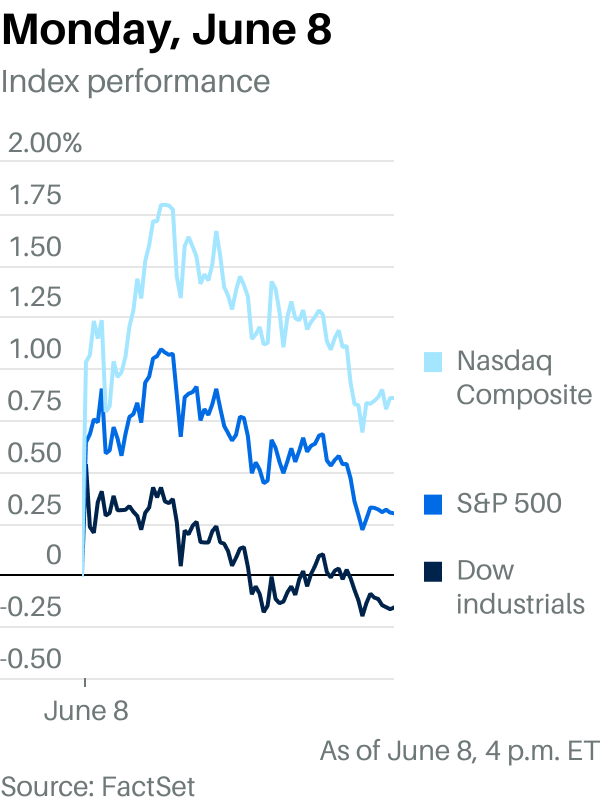
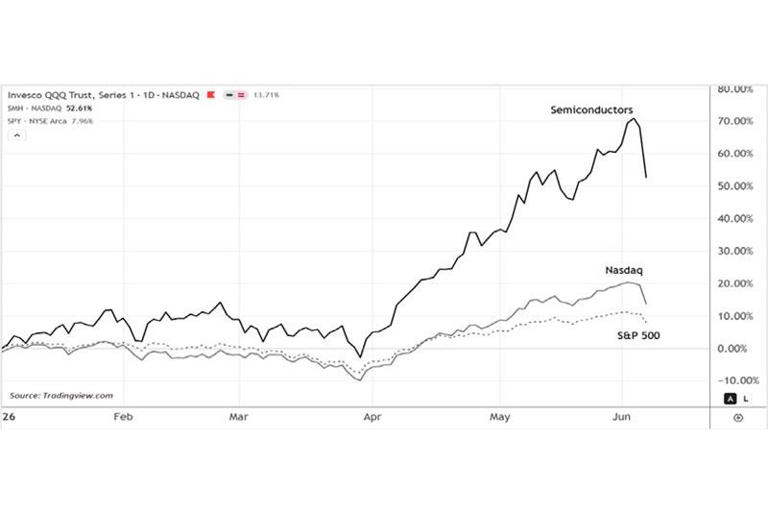
Critical Market Inflection Point for E-Commerce Sellers: Top financial analysts including JPMorgan CEO Jamie Dimon and Bridgewater founder Ray Dalio are warning of a potential market bubble in June 2026, drawing direct parallels to the 1999 dot-com era. On June 3, Acadian Asset Management's Owen Lamont published analysis revealing that expected long-term S&P 500 earnings growth hit 20.2%—exceeding 2000's pre-crash high of 18.6%—while actual realized growth since 1985 averaged only 7% against predicted 13%. The Nasdaq experienced its worst selloff since October on June 7, dropping 4.18% to 25,709.43, triggered by stronger-than-expected jobs data (172,000 new jobs) and Broadcom's weak guidance, wiping approximately $2 trillion from U.S. equity values. The semiconductor index (SOX) plunged 10%—its worst day since the 2020 pandemic—with South Korea's Kospi falling 8%, affecting Samsung Electronics and SK Hynix.
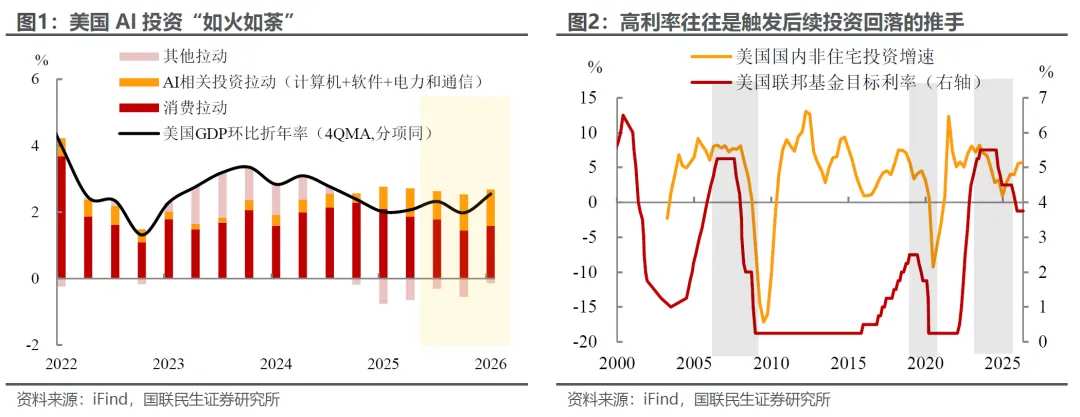
The Divergent Economy Threatens E-Commerce Capital Access: JPMorgan Asset Management's David Kelly outlined a "divergent economy" where the top 10% of U.S. households own 62% of assets, the top 10 S&P 500 companies account for 41% of index market cap, and hyperscaler capital spending is projected to jump 78% in 2026 from $416 billion to $739 billion. Critically, consumer sentiment hit all-time lows despite equity indices reaching record highs—a dangerous disconnect for sellers. Goldman Sachs projects $5.3 trillion in AI capital expenditure through 2030, yet Citi's bear market checklist shows 11.5 of 18 red flags flashing, the frothiest level since 2008. Rising Treasury yields (10-year yield reached 4.537%, highest in two weeks) pressure technology valuations, forcing companies like Alphabet to choose equity offerings over debt financing due to rising borrowing costs. Markets now price in a 25-basis-point Fed rate hike by December, reversing earlier expectations for three cuts.
Immediate Seller Impact: Capital Reallocation & Advertising Cost Volatility: The market rotation is already underway—equal-weighted S&P 500 declined only 0.5% while tech-heavy indices crashed, indicating capital flight to economically sensitive sectors. Healthcare stocks rose 2.3%, financials gained 1.3%, real estate increased 1.5%, and consumer staples climbed 1%. For e-commerce sellers, this creates three immediate risks: (1) Venture-backed platforms face funding pressure—if earnings growth fails to meet inflated expectations, valuations contract sharply, affecting platform investment in infrastructure and seller tools; (2) Amazon, Meta, and Alphabet advertising costs may spike as these mega-cap tech companies face margin pressure and shift spending priorities; (3) Consumer spending erosion—May's strong jobs report masks underlying weakness: average hourly earnings grew 3.4% annually while inflation reached 3.8%, eroding purchasing power. Sellers dependent on discretionary consumer spending in electronics, apparel, and home categories face elevated risk. Conversely, sellers in healthcare products, consumer staples, and essential goods may see relative demand stability as capital rotates to defensive sectors. The geopolitical dimension—Israel-Iran military escalation sent oil prices sharply higher—compounds inflation concerns, making supply-driven cost increases difficult for the Fed to address through rate hikes alone.
Questions 7
Should I reduce inventory or increase cash reserves given the bubble warning?
Asset manager Lawrence Fuller's strategy is instructive: maintain high cash balances to capitalize on opportunities as volatility persists and valuations normalize. For sellers, this translates to: (1) Reduce inventory by 15-20% over the next 60 days, converting excess stock to cash; (2) Maintain 3-6 months of operating expenses in cash reserves (vs. typical 1-2 months); (3) Avoid major capital investments (new equipment, warehouse expansion) until market stabilizes; (4) Prepare to acquire inventory at 20-30% discounts if suppliers face liquidity pressure during the correction. Citi's bear market checklist shows 11.5 of 18 red flags flashing—historically, once red flag counts reach double digits, they accelerate rapidly. The correction could extend 3-6 months. Sellers with strong cash positions will be able to capitalize on distressed inventory sales and negotiate better supplier terms.
Will rising Treasury yields (4.537%) increase my borrowing costs for inventory?
Yes, directly. The 10-year Treasury yield reached 4.537%—its highest in two weeks—and markets now price in a 25-basis-point Fed rate hike by December. For sellers using inventory financing (Shopify Capital, Amazon Lending, traditional business loans), this translates to 0.25-0.50% immediate rate increases, with further increases likely by year-end. A seller with $100,000 in outstanding inventory loans will see monthly costs increase by $20-40 immediately, and potentially $50-100 by December. Companies like Alphabet are already shifting from debt to equity financing due to rising borrowing costs. Sellers should lock in fixed-rate financing now before rates rise further, and consider reducing inventory levels to minimize financing needs.