




Pope's Spain Visit Signals Institutional Accountability Shift | Consumer Trust & Religious Product Opportunities for Sellers
- 1.2M attendees at papal Mass creates merchandise demand spike; institutional transparency trend reshapes Catholic-focused product categories across EU markets
















Overview
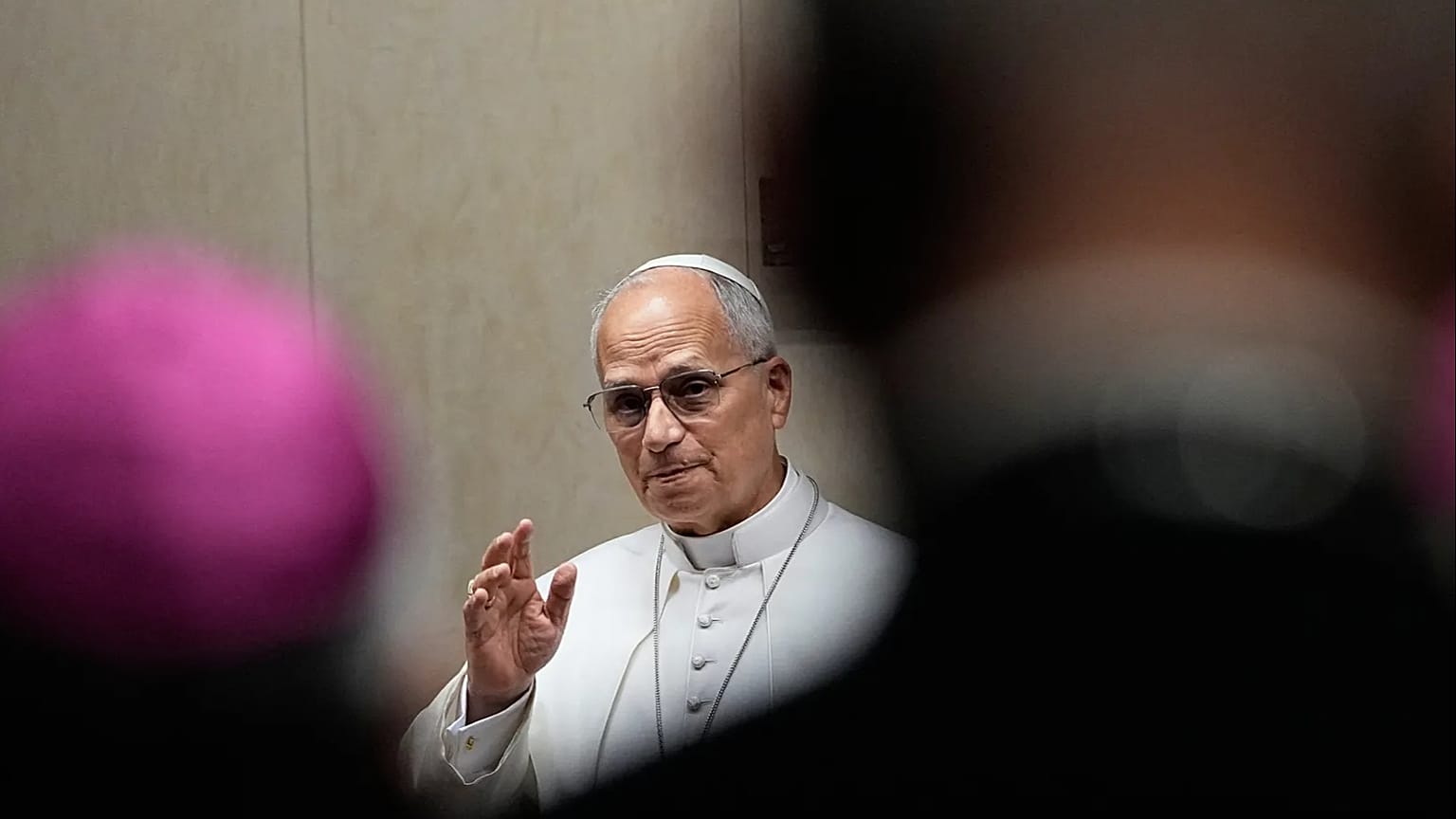
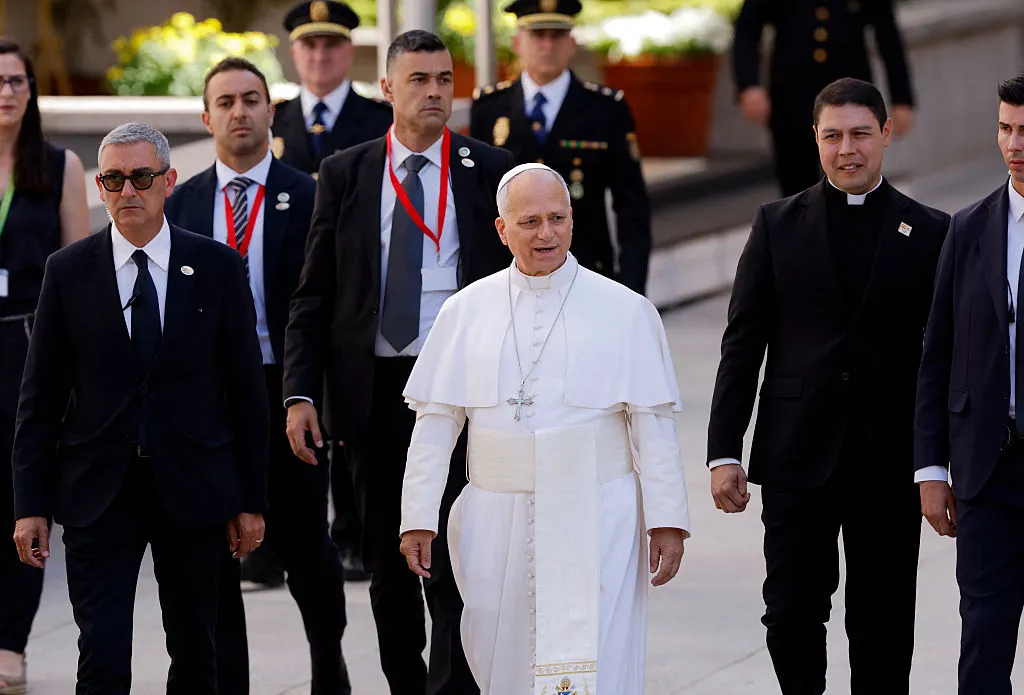
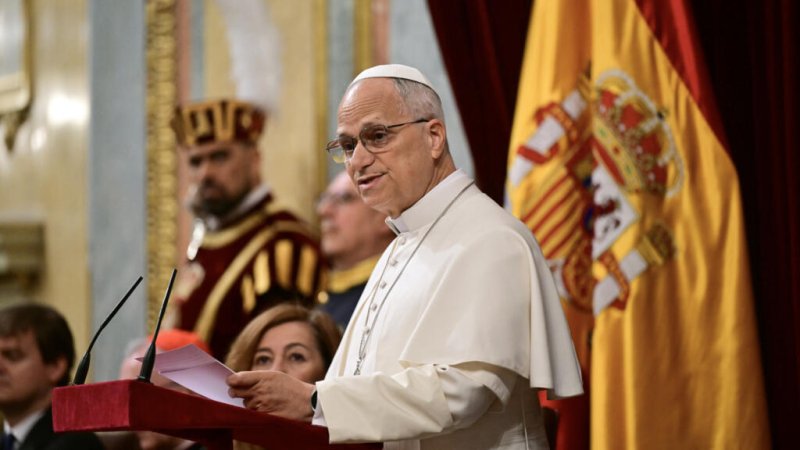
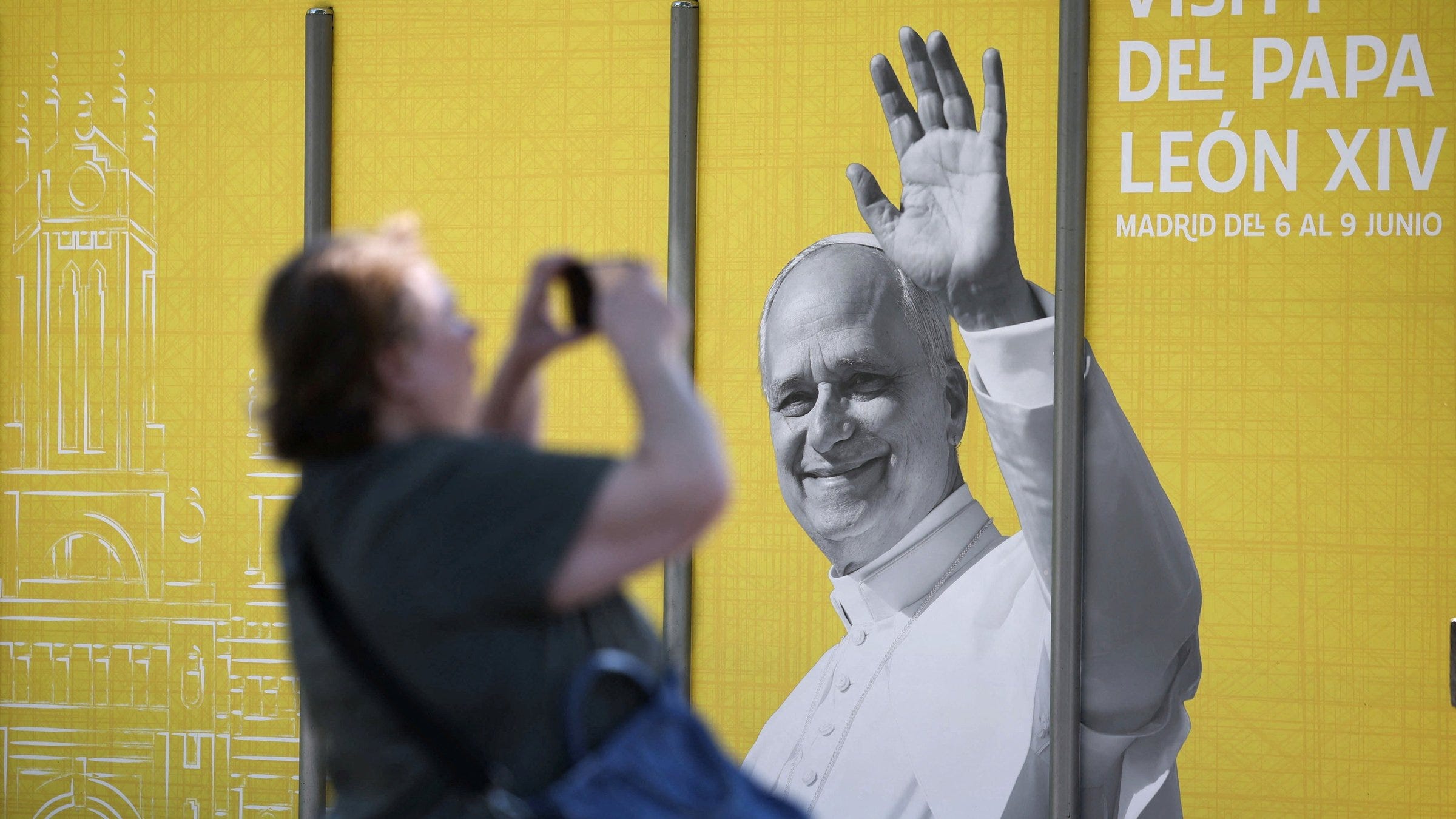
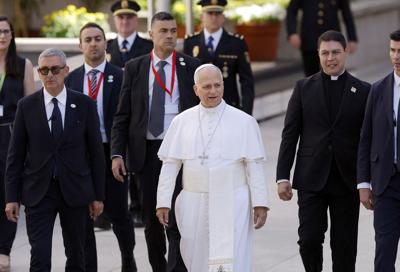
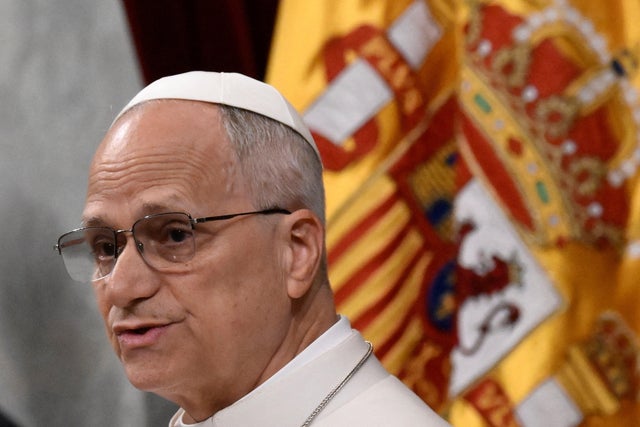
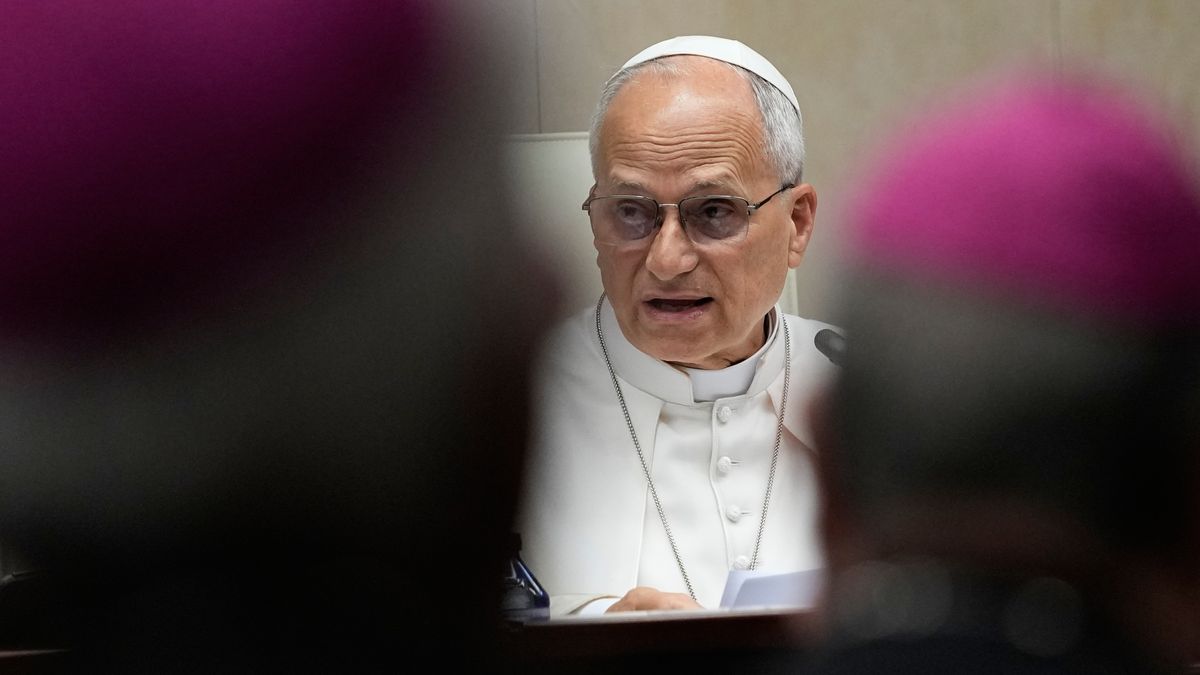
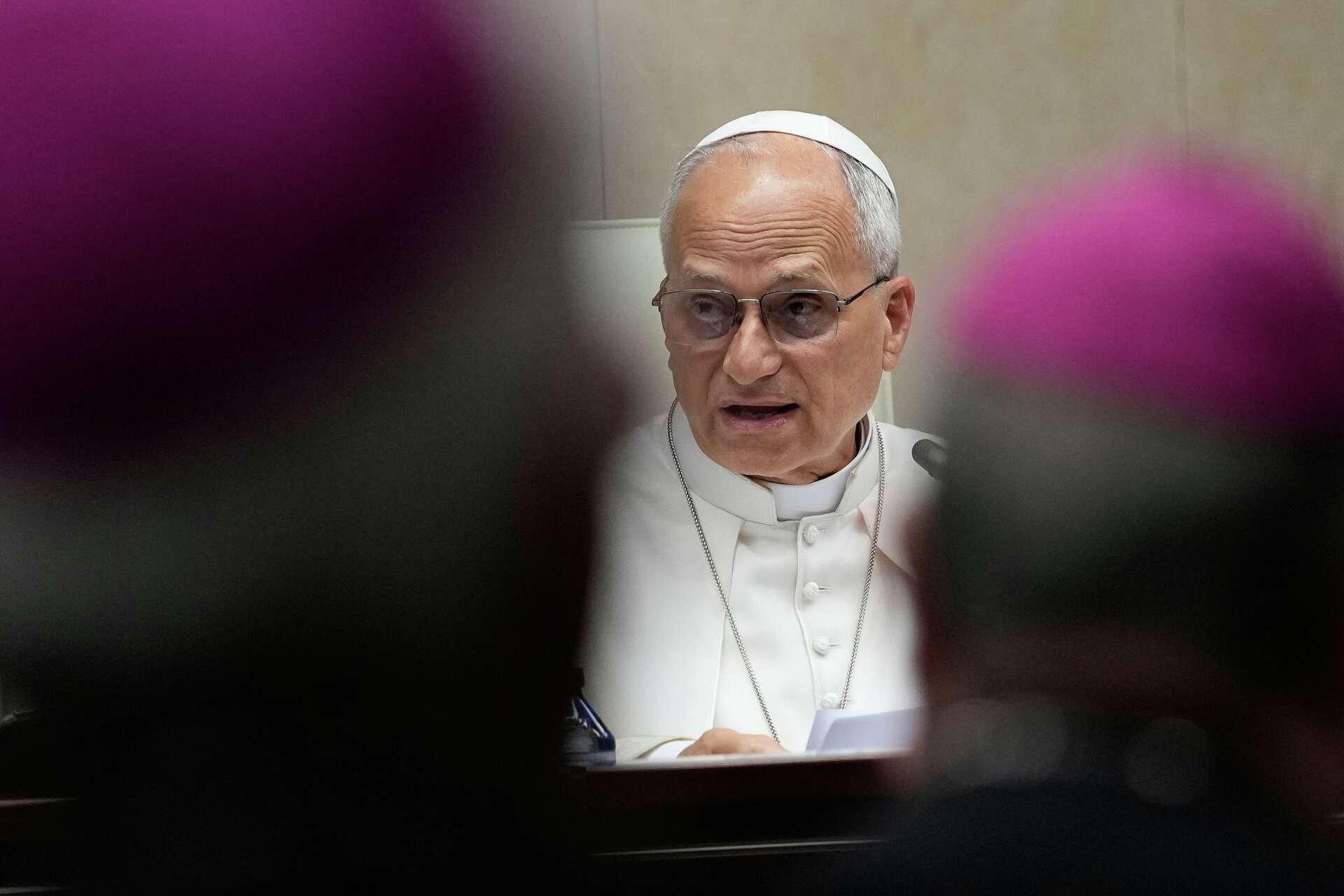
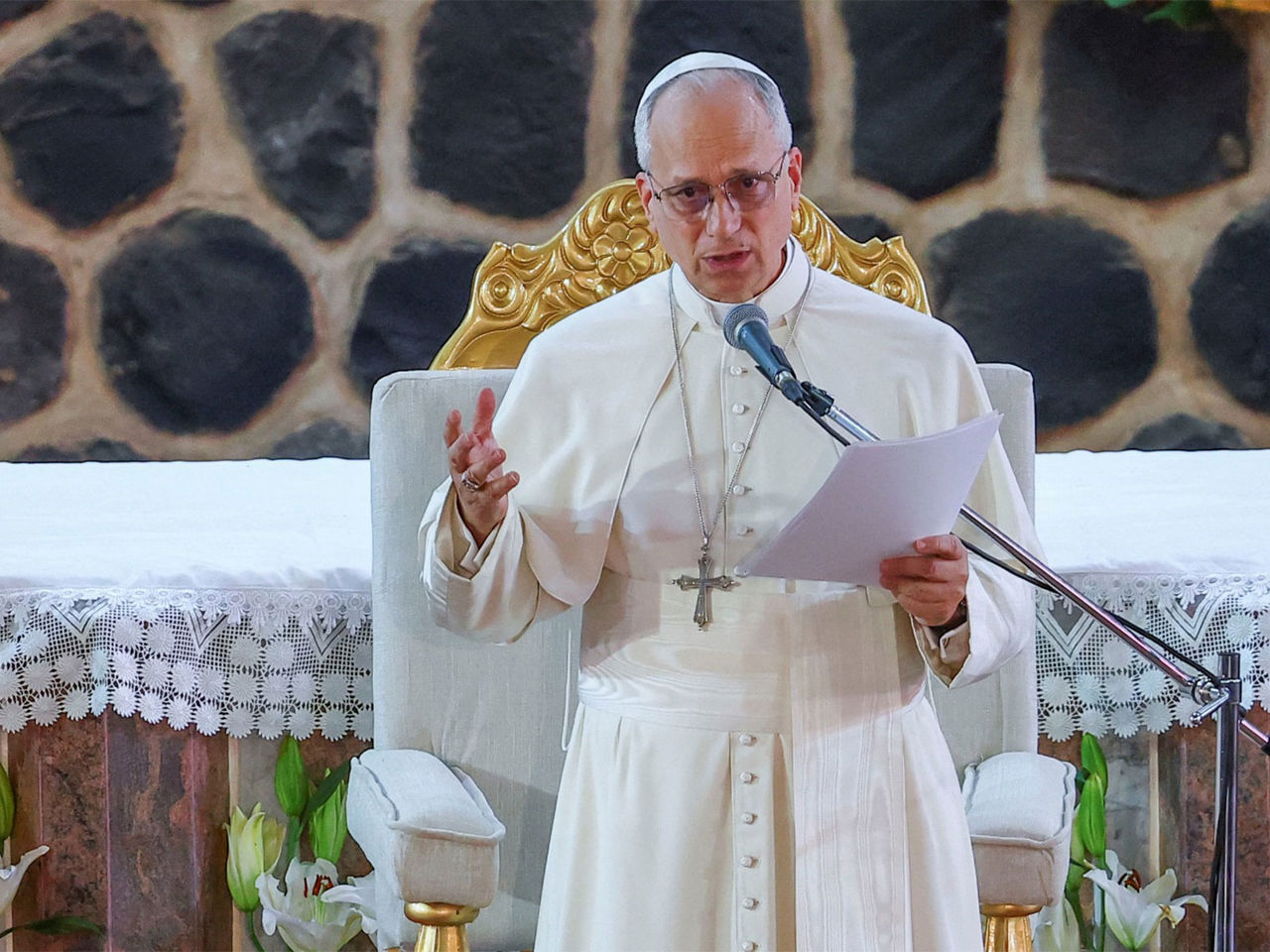
Pope Leo XIV's June 2026 visit to Spain represents a significant institutional pivot toward transparency and accountability within the Catholic Church, with direct implications for sellers in religious merchandise, faith-based content, and institutional trust-dependent categories. The pontiff's engagement with 1.2 million attendees at a Madrid Mass, combined with his unprecedented parliamentary address and private meetings with six abuse survivors, signals a major shift in how religious institutions communicate with consumers—a trend that reshapes demand for Catholic-related products and services across European markets.
The Institutional Transparency Trend Drives Product Demand: The papal visit generated approximately 1.2 million attendees at a single Mass event, demonstrating sustained consumer interest in Catholic institutional messaging despite historical credibility damage from abuse scandals. This represents a significant consumer engagement opportunity for sellers in several categories: religious merchandise (crucifixes, prayer books, papal memorabilia), faith-based media (documentaries, educational content about Church reform), and institutional accountability products (books on Church transparency, healing resources). The visit's focus on "reparations" and "victim-centered remedies" signals that European consumers increasingly value institutional accountability—a trend that extends beyond religious products to broader categories where trust and transparency are competitive differentiators. Sellers offering products positioned around healing, reconciliation, and institutional reform narratives can capitalize on this consumer sentiment shift.
Regional Market Implications for EU-Based Sellers: Spain's 2023 ombudsman report documented approximately 200,000 minors affected by clergy abuse since 1940, indicating substantial consumer awareness and emotional investment in this issue across the Spanish market. The papal visit's emphasis on "listening, truth, justice, reparation and prevention" creates a cultural moment where Spanish and broader European consumers are actively engaging with institutional accountability narratives. This creates opportunities for sellers in Spain and EU markets to develop product lines addressing trauma recovery, institutional reform education, and faith-based healing—categories that historically underperform but are now experiencing demand acceleration due to heightened institutional transparency. The visit also highlights the Canary Islands and Barcelona as high-traffic pilgrimage destinations, creating logistics opportunities for sellers targeting religious tourism merchandise and event-specific products.
Consumer Psychology Shift Toward Institutional Accountability: The news indicates a fundamental consumer behavior change: buyers increasingly reward institutions that publicly acknowledge failures and implement concrete remedies. This extends beyond religious products to any category where institutional trust matters—from educational materials to wellness products to financial services. Sellers can leverage this trend by emphasizing transparency, accountability, and victim-centered approaches in product positioning and marketing narratives. The papal visit demonstrates that consumers will engage with institutions undergoing reform if leadership demonstrates genuine commitment to change, creating opportunities for sellers to position products as supporting institutional healing and societal reconciliation.
Questions 7
What is the long-term market impact of institutional accountability trends on seller strategy?
The papal visit signals a sustained consumer preference for institutional transparency and accountability—a trend that will reshape product positioning across multiple categories beyond religious merchandise. Sellers should anticipate increased consumer demand for products supporting institutional reform narratives, trauma recovery, and reconciliation themes. This creates opportunities for sellers to develop product lines addressing healing, educational content on institutional accountability, and faith-based social impact products. The trend suggests that institutional trust will become an increasingly important competitive differentiator across categories, requiring sellers to integrate transparency and accountability messaging into brand positioning and product development strategies over the 2026-2028 period.
How does the papal visit affect cross-border shipping and logistics for religious products?
The papal visit highlights Spain and the Canary Islands as high-traffic pilgrimage destinations, creating logistics opportunities for sellers shipping religious merchandise to these regions. EU sellers should evaluate 3PL providers with strong Spanish and Mediterranean logistics networks to capture event-driven demand spikes. The visit's focus on migration and social justice messaging also creates opportunities for sellers offering faith-based social impact products. Sellers should monitor Spanish customs and VAT compliance requirements for religious merchandise imports, as institutional accountability messaging may influence regulatory scrutiny of religious product categories in EU markets.