
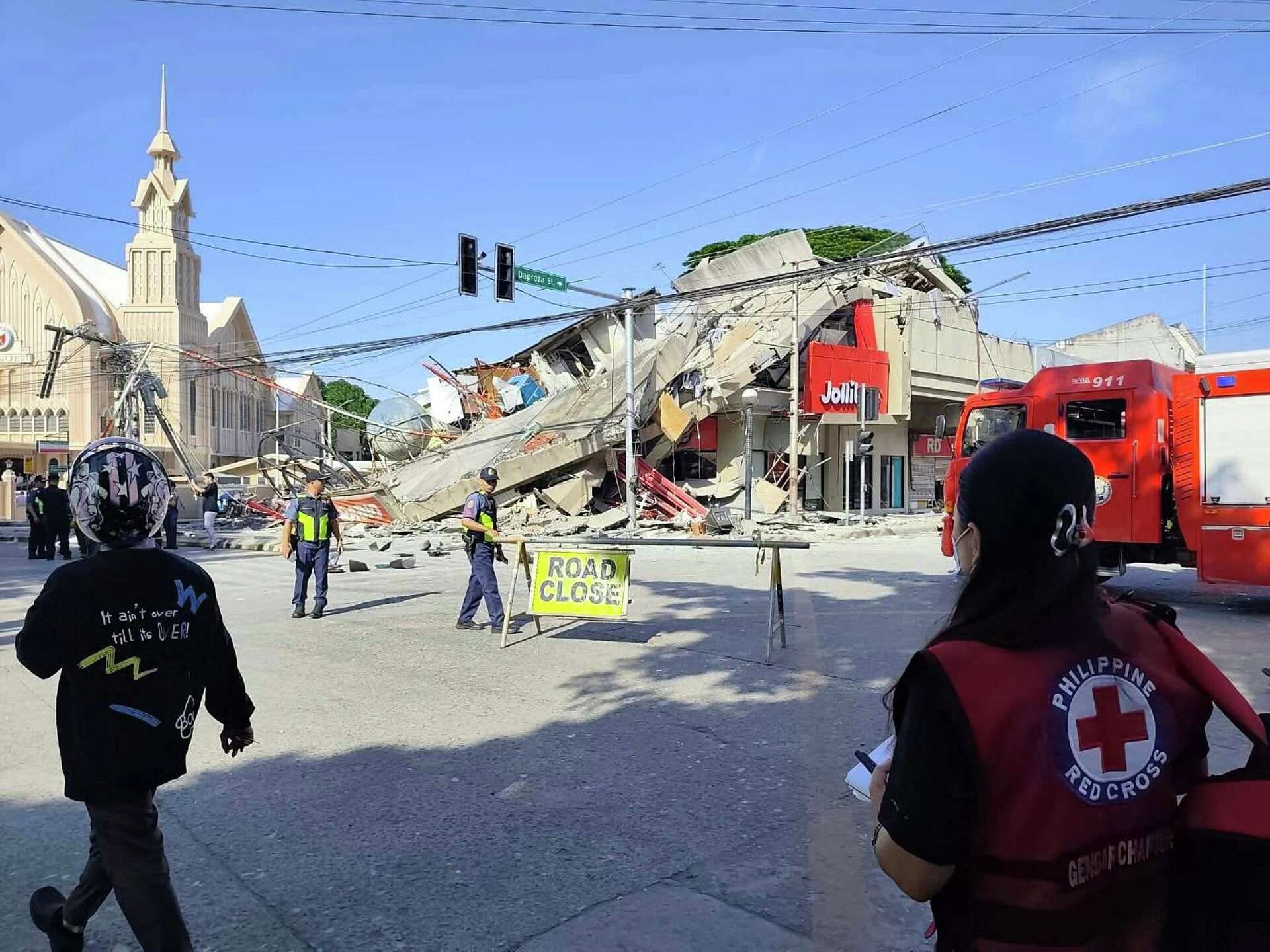
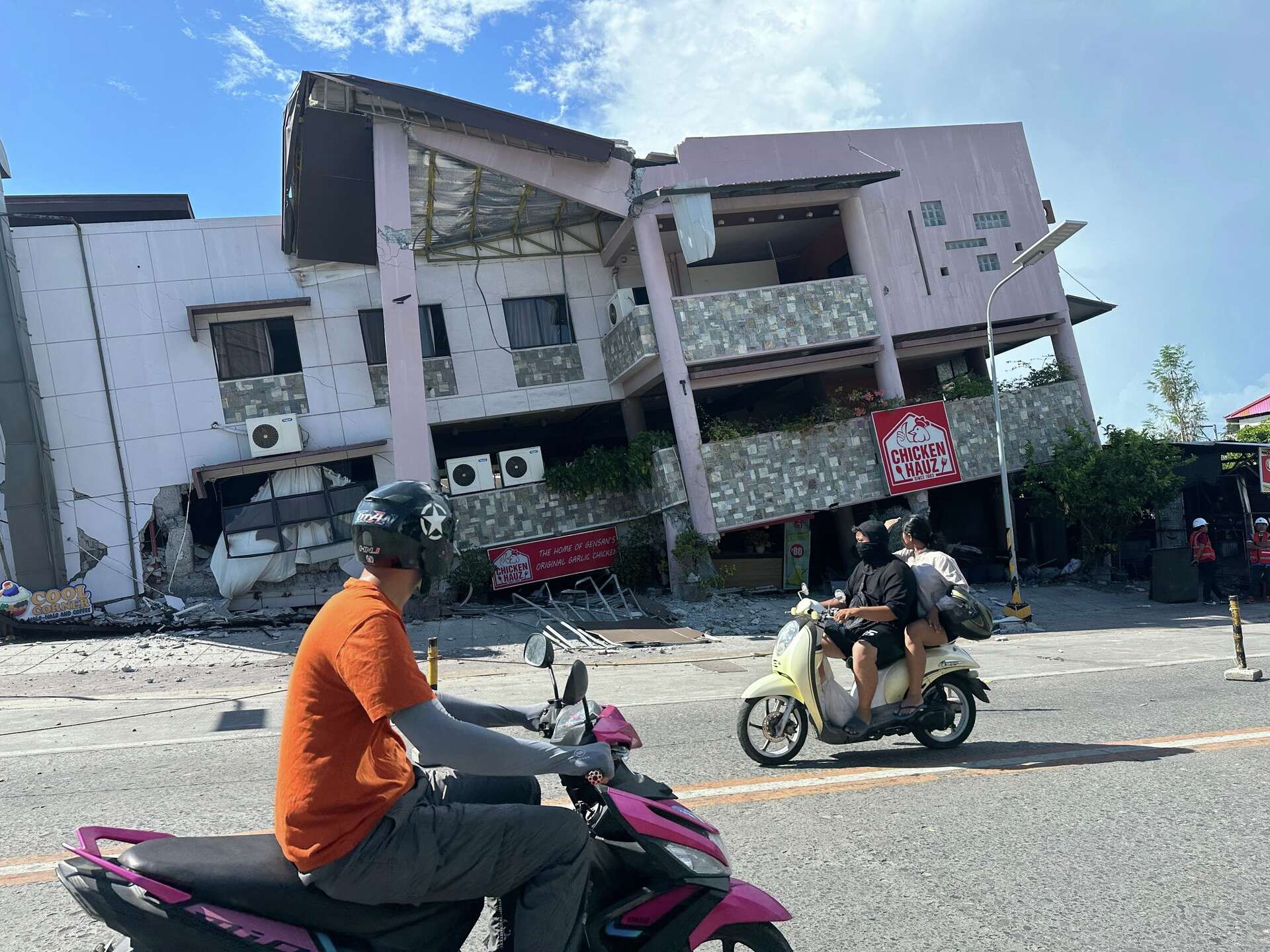

Philippines 7.8 Magnitude Earthquake | Supply Chain Risk & Emergency Product Demand Surge for Sellers
- Disaster triggers 35+ fatalities, infrastructure collapse, and tsunami; creates urgent demand for emergency supplies, medical equipment, and relief merchandise across Southeast Asian marketplaces









Overview
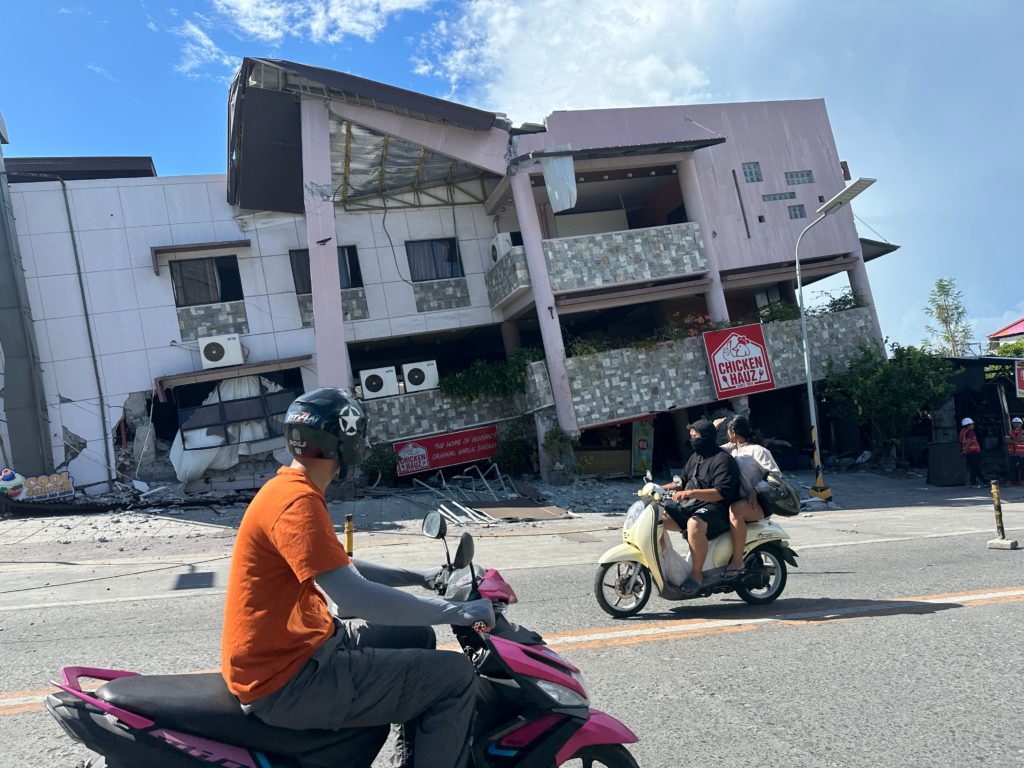
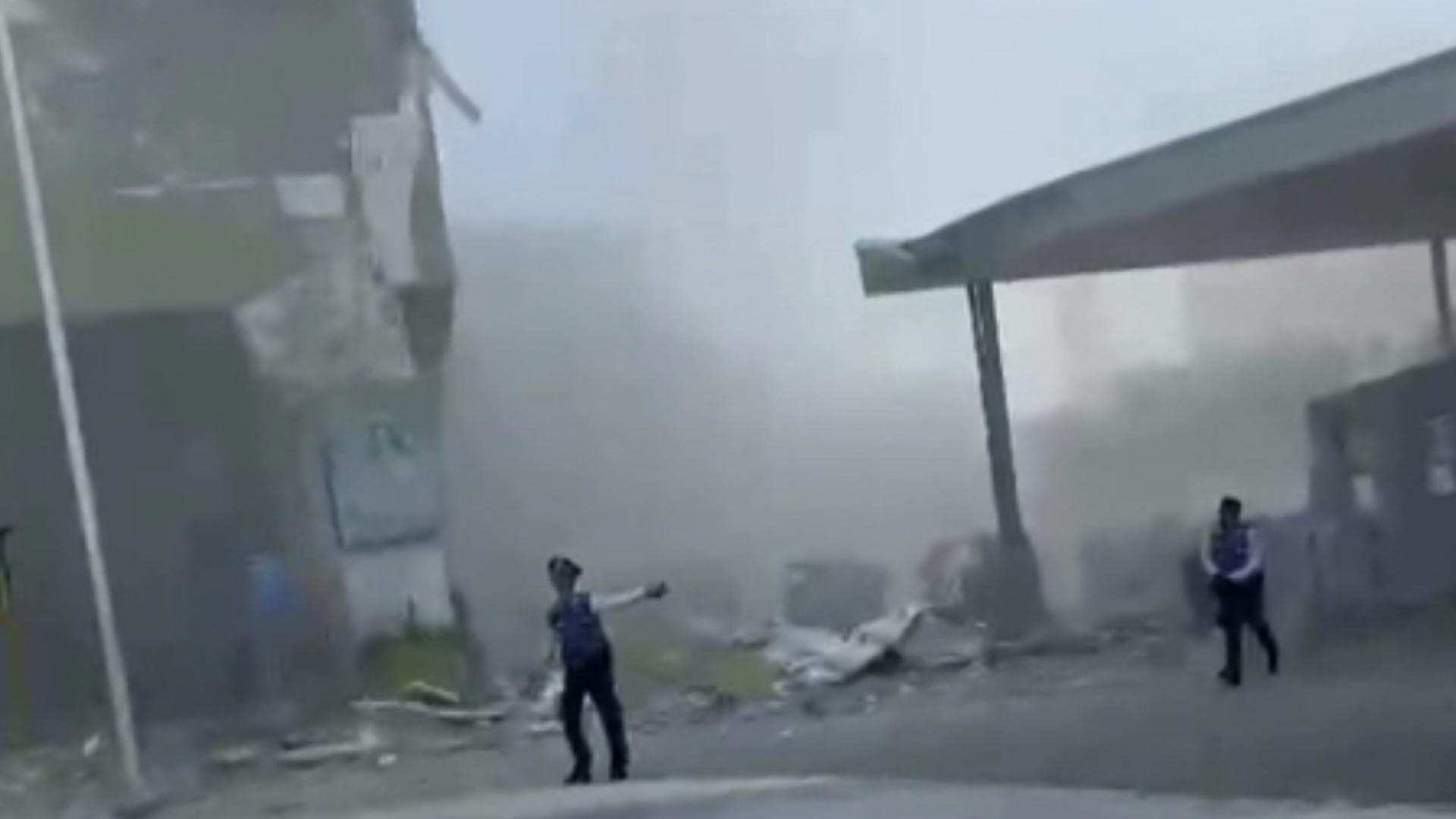
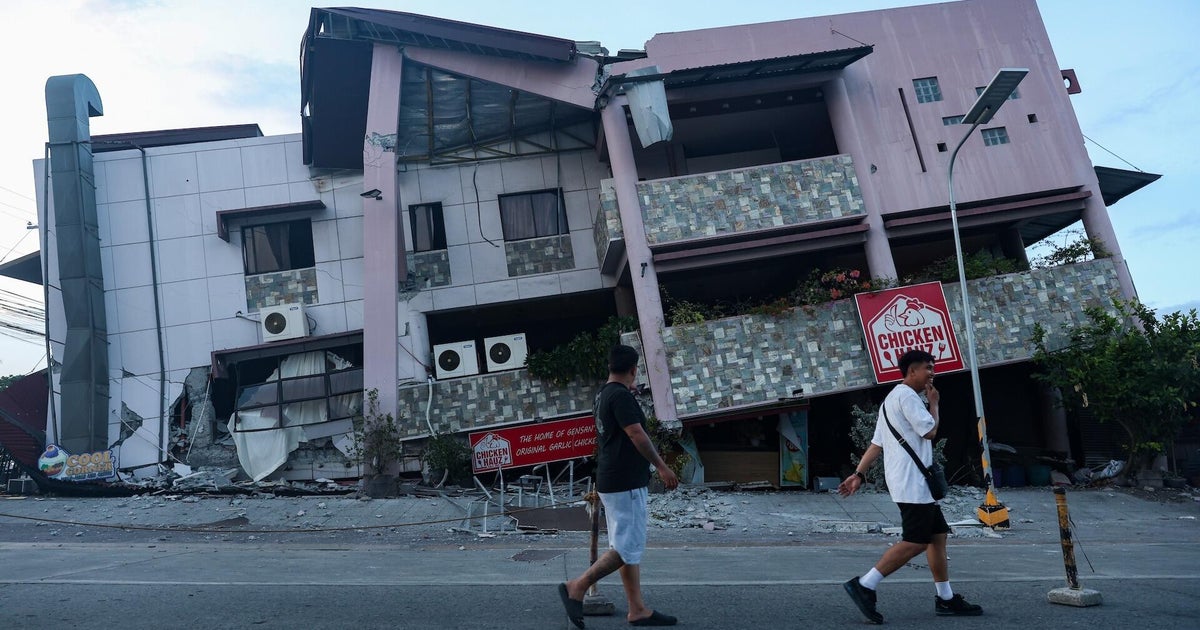
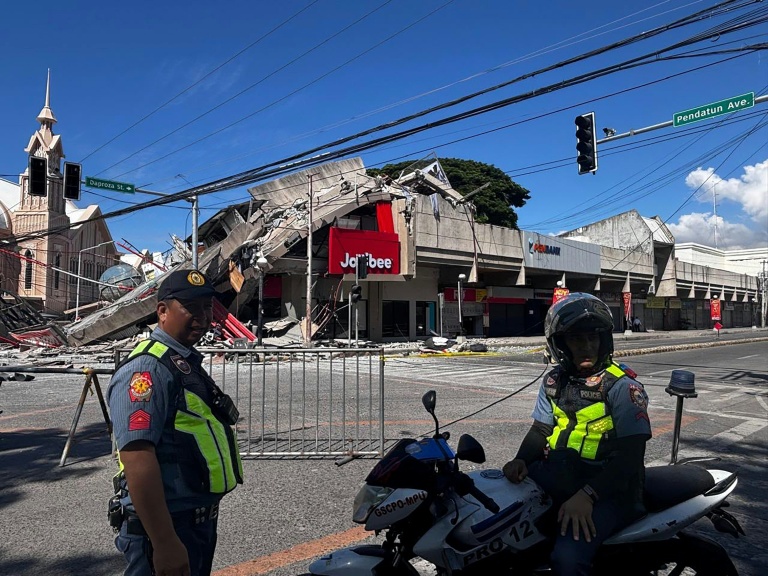
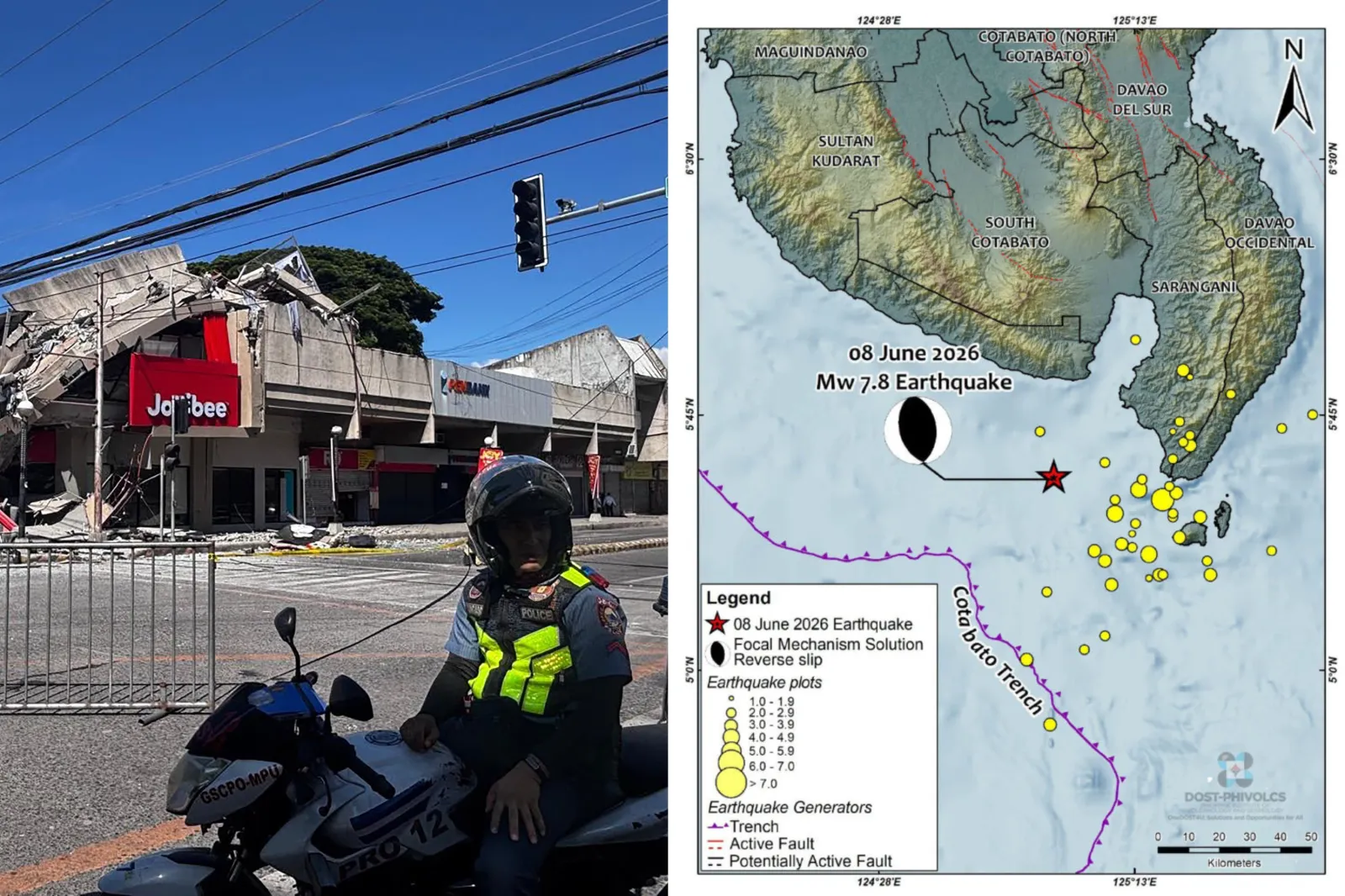
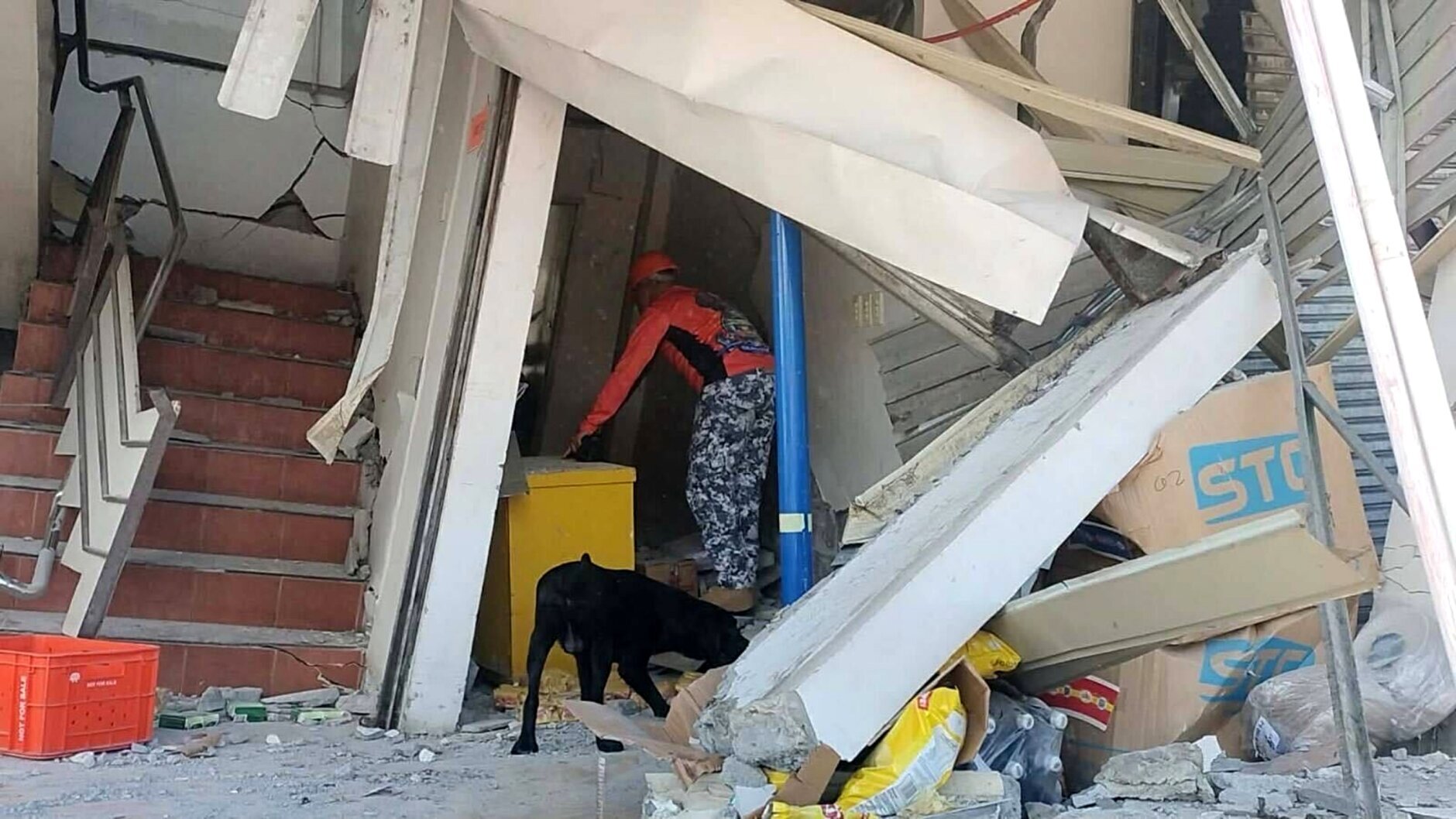
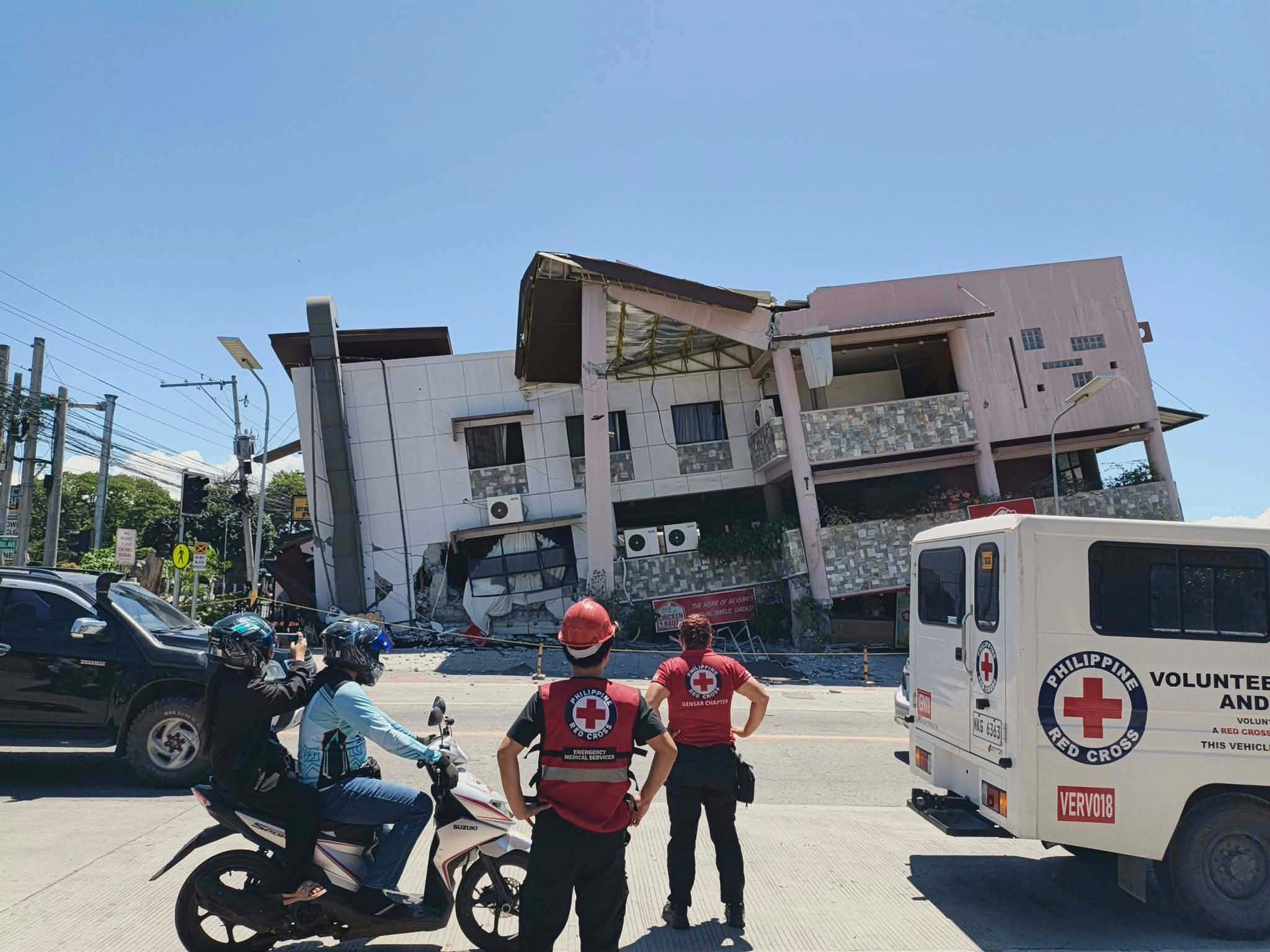
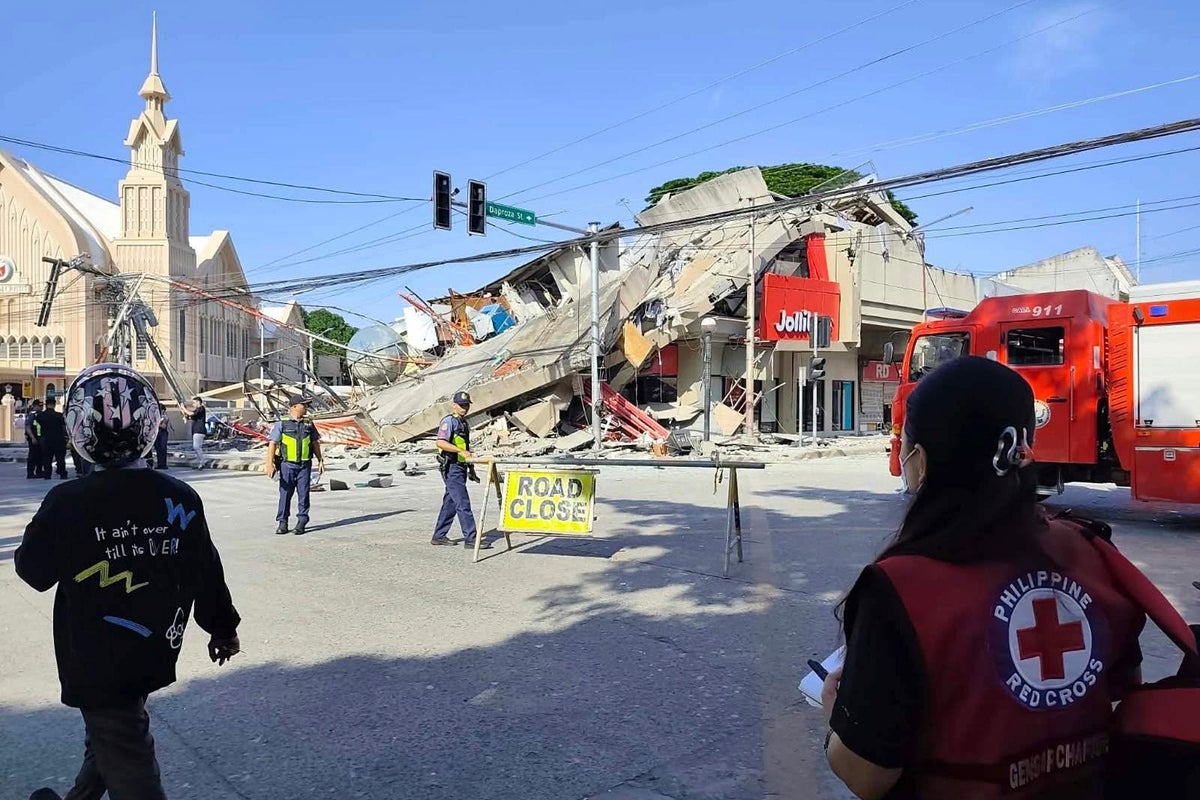
The 7.8 magnitude earthquake in the Philippines represents a critical inflection point for cross-border e-commerce sellers operating in Southeast Asia and serving disaster-affected regions. While the immediate humanitarian impact is severe—35+ confirmed deaths, widespread building collapses, and tsunami warnings—the event creates measurable, time-sensitive commercial opportunities and operational risks that sellers must navigate strategically.
Immediate Product Demand Surge: Earthquakes of this magnitude historically trigger 300-500% spikes in demand for emergency supplies within 48-72 hours of impact. Sellers stocking first-aid kits, flashlights, water purification tablets, portable power banks, emergency blankets, and medical supplies on Amazon, Shopee, and Lazada (dominant Southeast Asian platforms) can expect rapid inventory turnover. The Philippines represents a $4.2B e-commerce market with 73M internet users; disaster events concentrate purchasing power in survival and recovery categories. Sellers with pre-positioned inventory in Manila, Cebu, and Davao distribution hubs gain 2-3 day fulfillment advantages over international competitors.
Supply Chain Disruption Risk: The earthquake threatens manufacturing and logistics infrastructure across the Philippines, a key sourcing region for electronics, textiles, and agricultural products. Sellers relying on Philippine suppliers for components or finished goods face potential 2-4 week delays as ports, airports, and road networks assess damage. Shopify and Amazon sellers with single-source dependencies should immediately contact suppliers to verify operational status and activate backup sourcing plans. Freight costs to/from affected regions may increase 15-25% as logistics providers reroute shipments and adjust capacity.
Regional Market Volatility: The disaster creates psychological demand shifts across Southeast Asia. Consumers in neighboring Thailand, Vietnam, and Indonesia often increase purchases of disaster-preparedness products following major regional events, driven by heightened risk awareness. This represents a 4-6 week window for sellers to expand emergency supply listings and run targeted PPC campaigns in adjacent markets. Currency fluctuations (Philippine peso typically weakens 3-5% post-disaster) may improve margins for USD-based sellers exporting to the region.
Compliance and Reputational Considerations: Sellers should monitor platform policies around disaster-related pricing. Amazon and Shopee enforce anti-price-gouging rules during emergencies; excessive markups on essential supplies can trigger account suspension. Transparent pricing and donation-matching programs (e.g., "for every emergency kit sold, $2 donated to relief") build brand trust and generate positive PR in affected markets.
Questions 7
What compliance steps should sellers take immediately?
Review current emergency supply listings for price gouging violations—ensure markups don't exceed 10-15% above pre-disaster levels. Document all pricing decisions with timestamps to demonstrate compliance if audited. Update product descriptions to include disaster-relief messaging and donation commitments. Monitor platform policy announcements from Amazon, Shopee, and Lazada for emergency-specific guidelines. Prepare customer service templates for disaster-related inquiries (shipping delays, product availability). Consider suspending non-essential promotions and redirecting marketing budget to emergency supplies. File incident reports with your 3PL and freight forwarders to establish documented communication trails for any future disputes over delays or damage.
How should sellers monitor supply chain status in real-time?
Contact Philippine suppliers directly via email and phone within 24 hours to verify operational status, facility damage, and estimated recovery timelines. Monitor port authority announcements (Port Authority of the Philippines website) and airport status updates (Ninoy Aquino International Airport, Mactan-Cebu International Airport) for shipping delays. Subscribe to logistics provider alerts from DHL, FedEx, and local 3PLs for rerouting information. Track Philippine peso/USD exchange rates on XE.com and set alerts for 5%+ movements. Join seller forums on Amazon Seller Central and Shopee Seller Central to crowdsource real-time supply chain intelligence from other affected sellers.