





Iran-Israel Ceasefire Stabilizes Oil Prices | E-Commerce Shipping Cost Relief Through 2026
- Brent crude retreats to $94.38/barrel as geopolitical tensions ease; cross-border sellers gain 4-8% logistics margin relief during peak selling season

















Overview
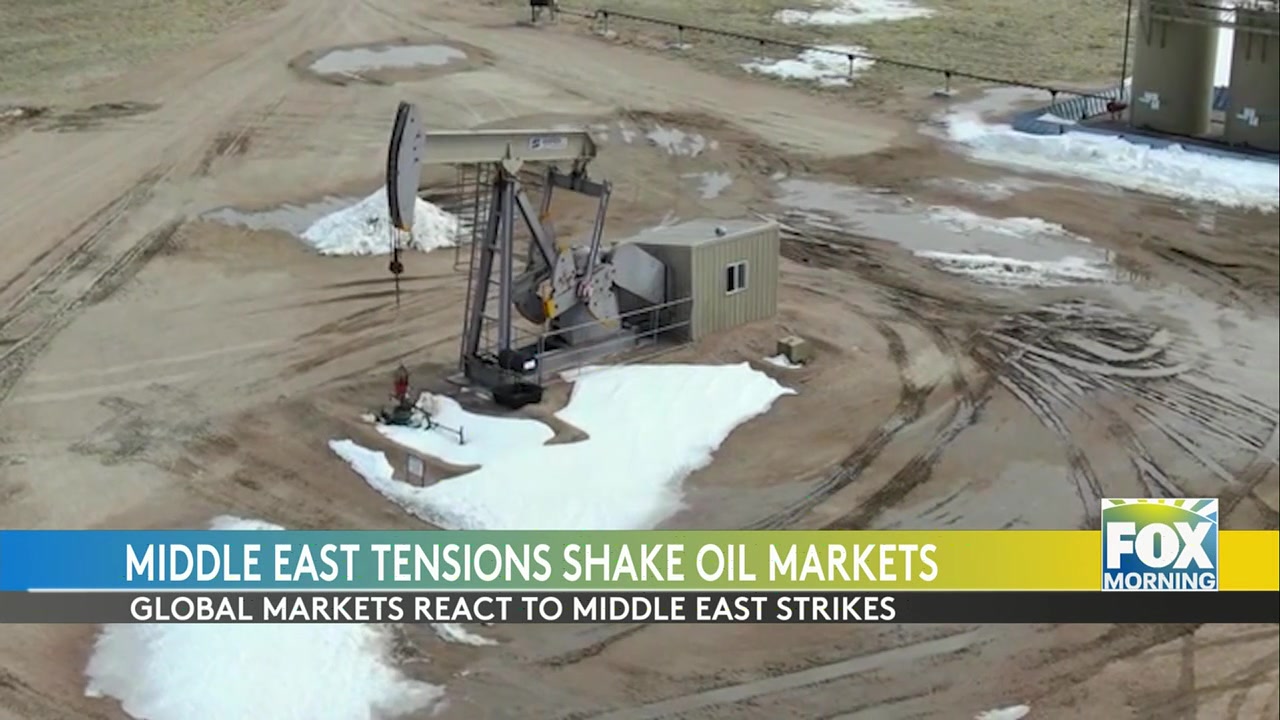
The Iran-Israel ceasefire announced in June 2026 represents a critical turning point for global energy markets and cross-border e-commerce logistics costs. Following weeks of escalating Middle East tensions that drove Brent crude to elevated levels, both nations confirmed a mutual halt to offensive operations. Oil prices retreated modestly, with Brent crude futures at $94.38/barrel (0.14% gain) and West Texas Intermediate at $91.41/barrel (0.12% gain) as of June 9, 2026, reflecting investor uncertainty about the ceasefire's durability rather than confidence in lasting peace.
For cross-border e-commerce sellers, this development directly impacts operational margins through shipping cost stabilization. Elevated oil prices during the conflict period had spiked fuel surcharges on international logistics, compressing margins for sellers managing Amazon FBA fulfillment, 3PL networks, and international shipping routes. The ceasefire provides breathing room for margin management during peak selling seasons—particularly critical for Amazon Prime Day and summer sales events where logistics costs represent 8-15% of total fulfillment expenses. Sellers managing inventory across multiple regions benefit from more predictable transportation costs, though the situation remains fragile with both Iran and Israel explicitly reserving the right to resume hostilities.
A critical unresolved issue involves the Strait of Hormuz blockade, through which approximately 20% of global oil supply previously flowed before U.S. and Israeli airstrikes in late February 2026. The blockade remains in effect, with U.S. forces recently disabling oil tankers attempting to reach Iranian ports. This persistent supply constraint means oil prices could spike rapidly if tensions reignite, creating downside risk for sellers' logistics budgets. Market analysts emphasize the temporary nature of current relief—Tim Waterer (KCM Trade) noted investors are "not convinced the truce will hold," with markets pricing in continued geopolitical uncertainty rather than lasting resolution.
For sellers, the immediate opportunity window extends through Q3-Q4 2026, when sustained peace could support stable logistics pricing. However, the fragile ceasefire creates asymmetric risk: any renewed Iran-Israel escalation could trigger 5-12% oil price spikes within days, immediately raising fuel surcharges on international shipments. Sellers managing tight profit margins in competitive categories (electronics, apparel, home goods) should capitalize on current pricing stability to lock in logistics contracts and optimize inventory positioning before potential renewed tensions.
Questions 7
How do market analysts assess the durability of the current Iran-Israel ceasefire for logistics planning purposes?
Market analysts express significant skepticism about ceasefire durability. **Tim Waterer (KCM Trade) stated investors are 'not convinced the truce will hold,'** with markets pricing in continued uncertainty rather than lasting resolution. **Tony Sycamore (IG) noted the geopolitical backdrop remains tense despite the pause.** Both Iran and Israel explicitly reserved the right to resume hostilities—Iran reserved the right to resume strikes if Israel continued attacking Hezbollah in Lebanon, while Israeli PM Netanyahu stated Israel would respond with force if attacked. This conditional ceasefire structure means escalation could occur rapidly with minimal warning. For logistics planning, sellers should assume the ceasefire provides a 3-6 month window of relative stability (through Q3-Q4 2026) but plan contingencies for potential renewed tensions. The unresolved Strait of Hormuz blockade represents a persistent supply constraint that could trigger oil spikes even without major escalation. Sellers should monitor ceasefire status weekly and maintain flexibility in logistics contracts to respond quickly to changing conditions.
What timeline should sellers use for planning around this ceasefire and oil price volatility?
The immediate opportunity window extends through **Q3-Q4 2026** (June-December), when sustained peace could support stable logistics pricing. This is the critical period for sellers to lock in favorable shipping contracts and optimize inventory positioning. **Short-term risk horizon (1-4 weeks)**: Monitor daily ceasefire status and oil prices; any escalation signals warrant immediate logistics cost review. **Medium-term planning (1-3 months)**: Implement supply chain diversification and 3PL contract renegotiations while pricing is favorable. **Extended outlook (3-12 months)**: Assume elevated baseline oil prices ($90-100/barrel range) persist through 2026 due to Strait of Hormuz blockade, even with ceasefire holding. Industry observers note that a lasting peace agreement remains elusive, so sellers should plan conservatively for continued geopolitical uncertainty. The fragile ceasefire means any margin gains should be captured immediately rather than assumed permanent.