



Tech Stock Rebound & Oil Volatility | Critical Supply Chain & Payment Cost Implications for E-Commerce Sellers
- Semiconductor supply constraints and AI chip demand surge create 15-25% component cost increases; geopolitical tensions spike shipping costs 8-12% as oil prices approach $98/barrel















Overview
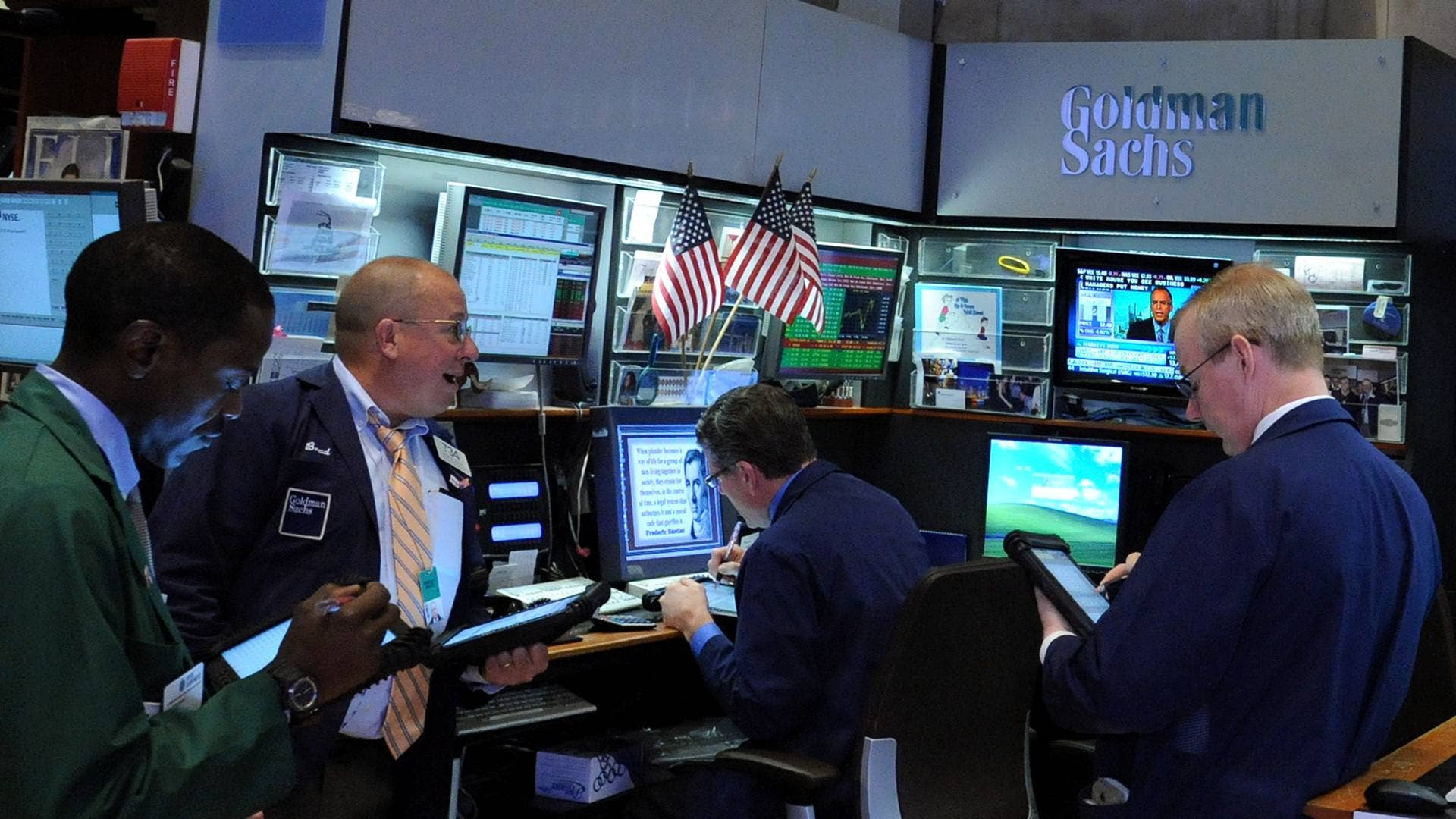
Market volatility on June 8, 2026 reveals critical supply chain and financial pressures for cross-border e-commerce sellers. The Nasdaq's 1.6% rebound led by semiconductor stocks (Nvidia +2%, Micron +9%) masks underlying supply constraints: Google's 3 million TPU chip order signals AI-driven demand surge while TSMC struggles with capacity, directly impacting electronics sellers' component sourcing costs. Simultaneously, Iran-Israel geopolitical tensions pushed Brent crude toward $98/barrel, creating immediate shipping cost inflation for sellers relying on air freight and ocean container services.
For electronics and tech accessory sellers, the supply-demand imbalance presents dual financial pressures. Semiconductor component costs are rising 15-25% as major cloud providers (Google, Oracle) compete for limited chip capacity through 2027-2028. This directly affects sellers of AI-enabled devices, smart home products, and computing peripherals—categories that generated $180B+ in cross-border sales in 2025. Sellers sourcing from Taiwan, South Korea, and Southeast Asia face extended lead times (now 12-16 weeks vs. historical 8-10 weeks) and premium pricing from contract manufacturers. Payment costs compound the problem: USD/CNY and USD/TWD exchange rates are volatile amid Fed rate-hike expectations (strong May jobs report signals 2026 rate increases), creating 2-4% FX headwinds for sellers paying suppliers in local currencies.
Oil price volatility directly impacts logistics costs across all categories. Brent crude at $98/barrel translates to 8-12% increases in air freight rates (critical for time-sensitive inventory) and 5-8% increases in ocean freight premiums. For sellers shipping 500+ containers monthly from Asia to US/EU, this represents $40,000-80,000 in additional monthly logistics costs. The geopolitical risk premium is pricing into Suez Canal insurance and routing costs—sellers may face $2,000-5,000 additional per 40ft container if forced to reroute around Africa. Currency volatility compounds logistics costs: fuel surcharges are typically USD-denominated, so sellers with EUR or GBP revenue face additional FX conversion losses of 3-5% on shipping expenses.
Working capital pressure intensifies as inventory carrying costs rise. Higher component costs mean sellers must increase inventory investment by 15-20% to maintain stock levels, while extended payment terms from suppliers (now 60-90 days vs. historical 45 days) stretch cash conversion cycles. Sellers with $1-5M annual revenue face 30-45 day delays in converting inventory to cash, creating immediate liquidity gaps. The Fed's expected rate increases will push working capital financing costs from current 6-8% APR to 8-11% APR by Q3 2026, adding $15,000-30,000 annually for sellers financing $500K inventory positions.
Questions 8
Should sellers adjust pricing strategies amid supply chain cost increases?
Component costs are rising 15-25%, logistics costs 8-12%, and financing costs 2-3 percentage points. Sellers have 60-90 days before these costs fully flow through to margins. Recommended pricing strategy: increase prices 8-12% on high-demand items (AI devices, smart home) where demand exceeds supply, and 4-6% on commodity electronics where competition is higher. Test price elasticity: increase prices 5% on 10% of inventory to measure demand impact before broad implementation. For sellers with 30-40% gross margins, a 10% price increase protects margins while supply constraints persist. Monitor competitor pricing weekly and adjust within 24-48 hours to maintain competitiveness. Consider dynamic pricing tools (Repricing Central, Keepa) to optimize prices based on demand and inventory levels.
How does the $1 trillion tech stock selloff impact seller financing availability?
The Friday tech selloff reduced venture capital and growth equity funding for fintech lenders, which may tighten seller financing availability by Q3 2026. However, traditional lenders (banks, invoice factoring firms) are increasing seller lending as e-commerce growth accelerates. Sellers should secure financing NOW before rates rise further: lock in 6-8% APR inventory loans before Fed rate increases push rates to 8-11% by Q3. Sellers with 12+ months Amazon history can access Amazon Lending at current rates; those without should pursue alternative lenders (Fundbox, Clearco, Kabbage) immediately. For sellers needing $100K-500K, factoring remains available at 1.5-3% monthly cost, though rates may increase 0.5-1% if fintech funding dries up.