



Fed Rate Hikes 2026 | Critical Impact on E-Commerce Seller Financing & Currency Risk
- 72% probability of rate increases by mid-2027 threatens inventory financing costs and USD strength, affecting cross-border sellers' margins and international competitiveness

















Overview
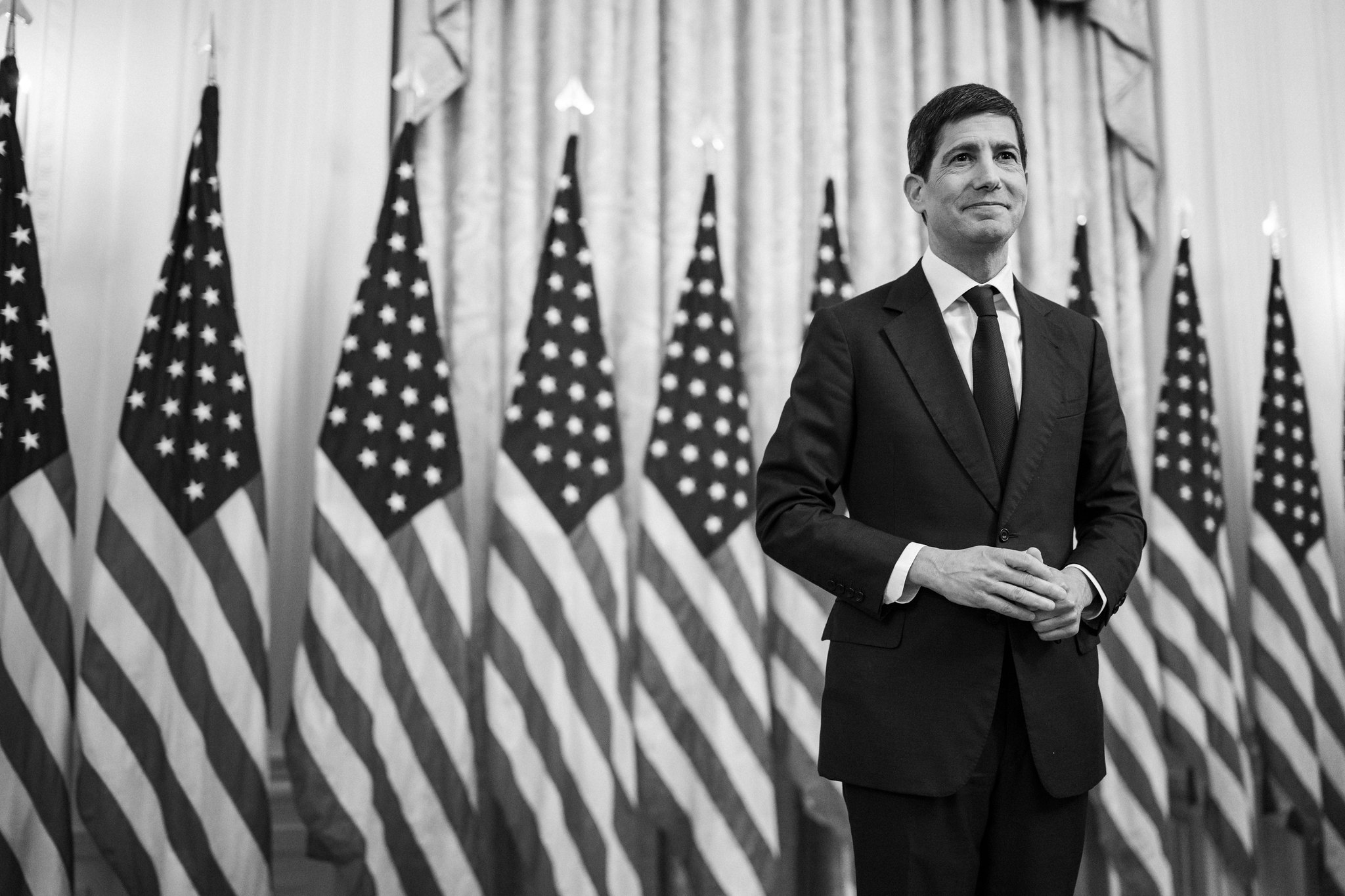
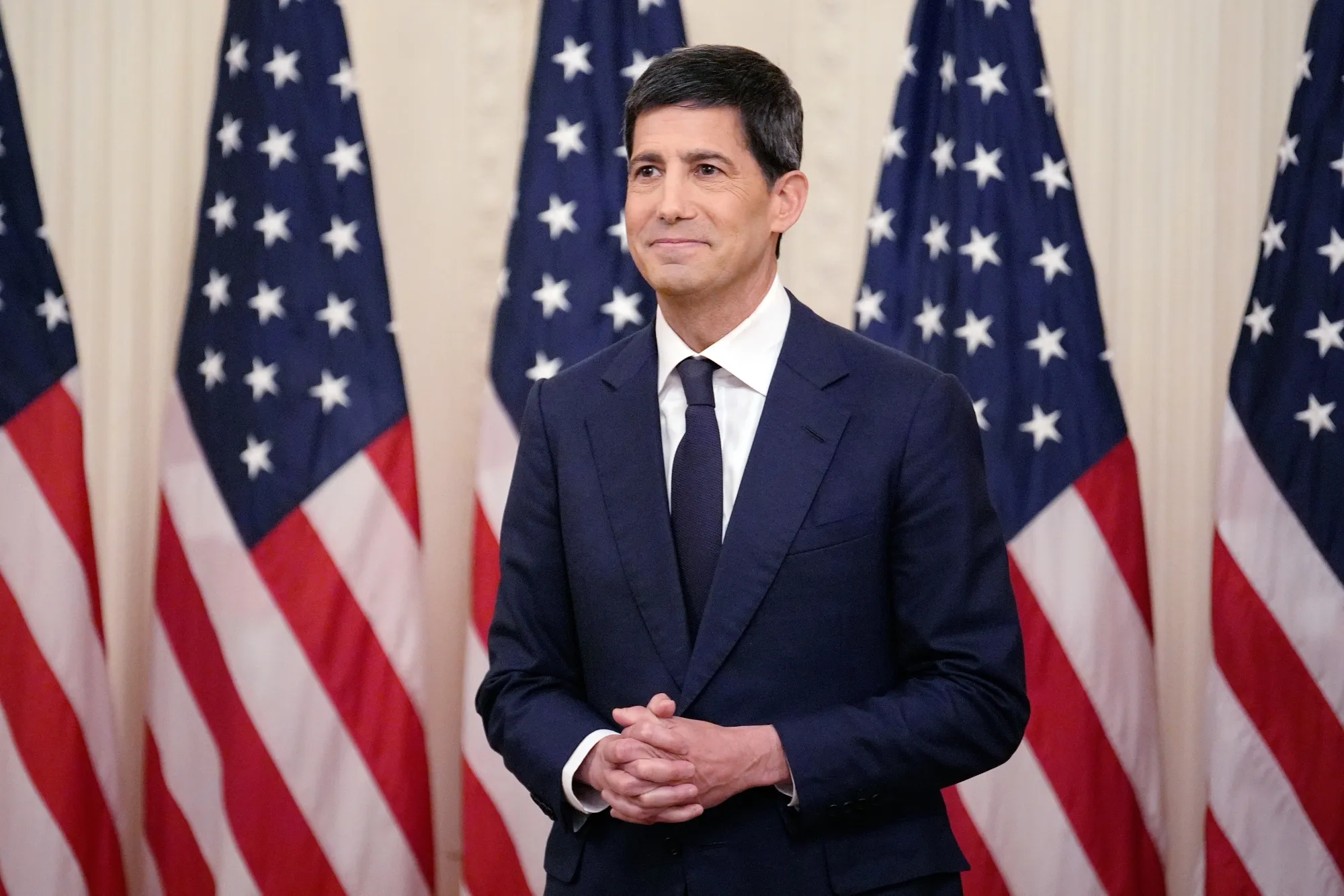
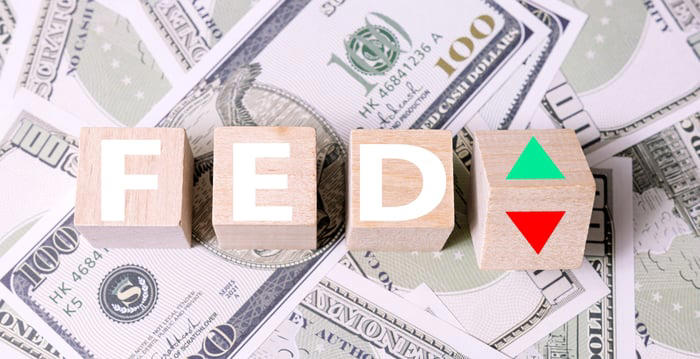
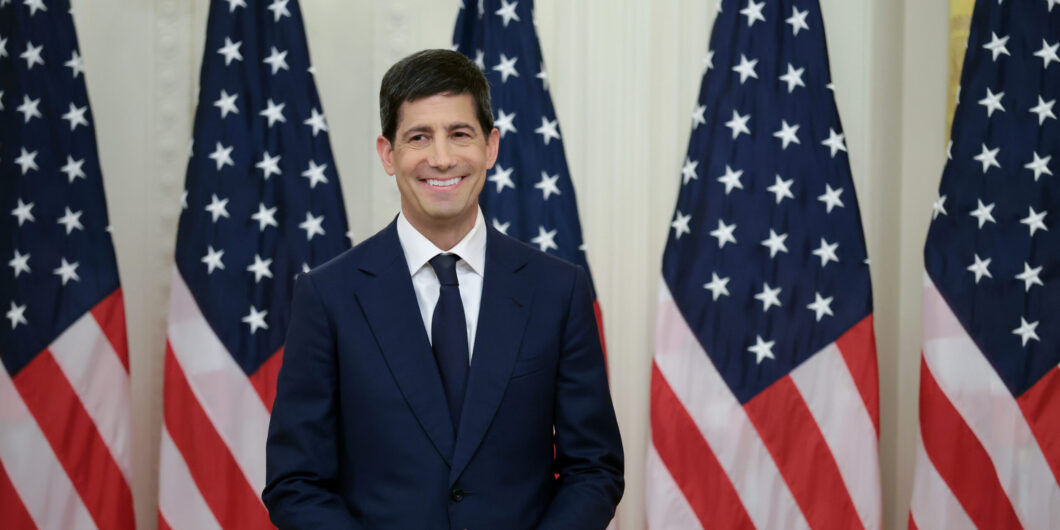
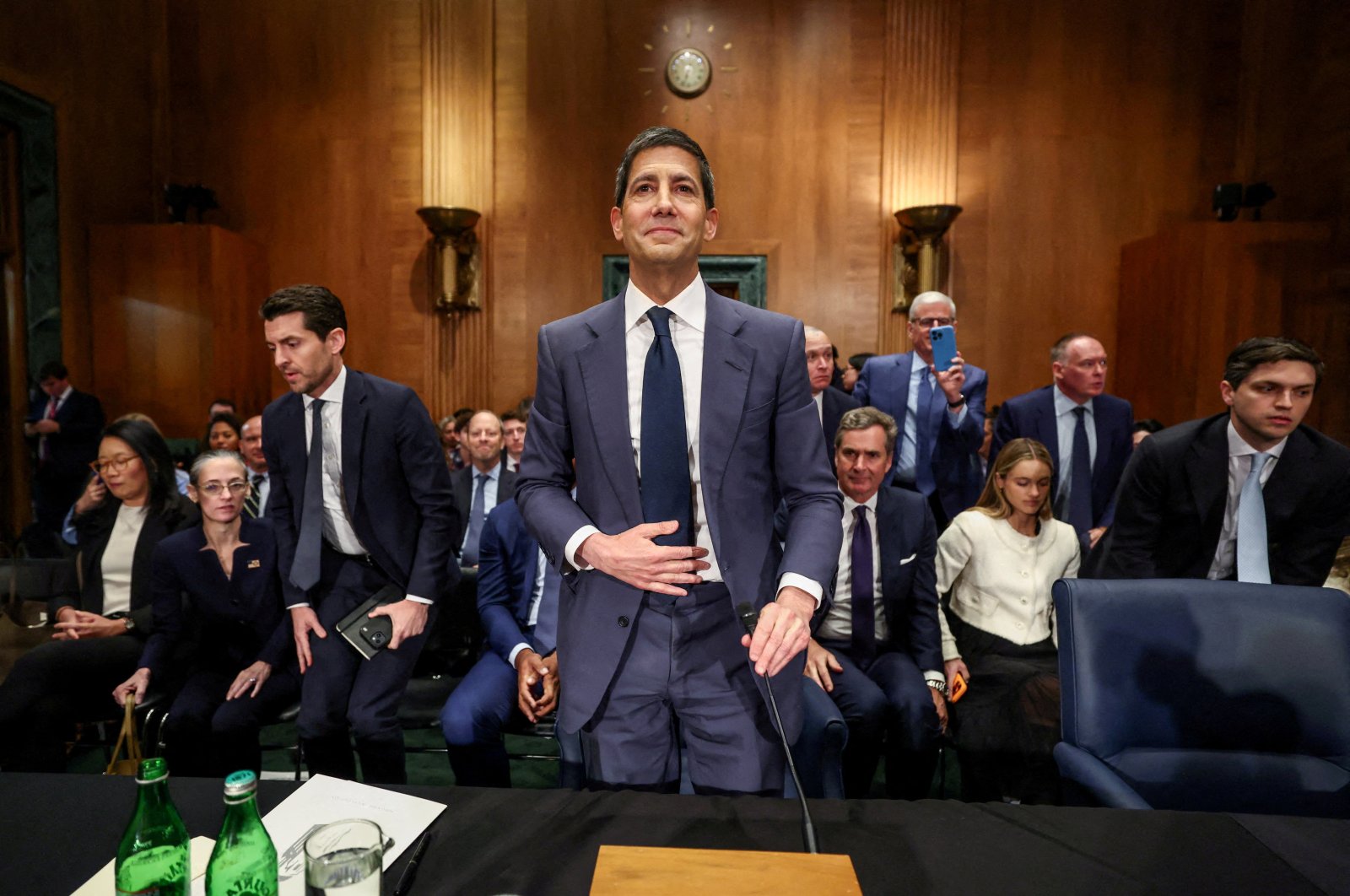
Kevin Warsh's appointment as Federal Reserve Chair creates unprecedented uncertainty for cross-border e-commerce sellers facing a collision between political pressure for rate cuts and economic data demanding rate increases. The Consumer Price Index stands at 3.8%—nearly double the Fed's 2% target—with CME FedWatch data showing only a 3.6% probability of rate cuts in 2026, while rate increase probability reaches 50.9% by year-end and 72% by mid-2027. This monetary tightening trajectory directly impacts seller operations across three critical dimensions: financing costs, currency dynamics, and consumer spending patterns.
Financing Impact: Higher interest rates increase borrowing costs for inventory financing, working capital loans, and business expansion—the lifeblood of cross-border sellers managing cash flow across multiple markets. Sellers currently financing $50,000 in inventory at 6-8% rates face potential increases to 8-10% by Q4 2026, translating to $1,000-$2,000 in additional annual interest expense per $50K borrowed. For mid-sized sellers with $200K+ inventory positions, this represents $4,000-$8,000 in incremental financing costs annually. Amazon FBA sellers relying on inventory loans to maintain stock levels during peak seasons (Q3-Q4) face compressed margins if borrowing costs rise faster than product pricing can adjust.
Currency Headwinds: Rate increases typically strengthen the U.S. dollar, creating dual pressures on American sellers exporting goods. A stronger dollar makes US-manufactured products more expensive for international buyers, reducing demand from EU, UK, and Asia-Pacific markets. Simultaneously, sellers importing products from China, Vietnam, and India face currency headwinds that compress margins when converting foreign earnings back to USD. The bond market is already pricing in rate increases, with 10-year Treasury yields rising significantly—a leading indicator of dollar strength. Sellers with 30-40% of revenue from international markets face potential 5-8% margin compression from currency effects alone.
Consumer Spending Contraction: Higher rates dampen consumer spending by increasing credit card rates, auto loan costs, and mortgage payments. This reduces discretionary spending on categories like electronics, home goods, apparel, and beauty products—core e-commerce categories. Historical data shows consumer spending growth slows 0.5-1.5% for every 1% increase in Fed rates. With rate increases potentially reaching 2-3% by mid-2027, overall e-commerce volume growth could decelerate from current 8-12% annual rates to 5-7%, directly impacting seller revenue across all platforms.
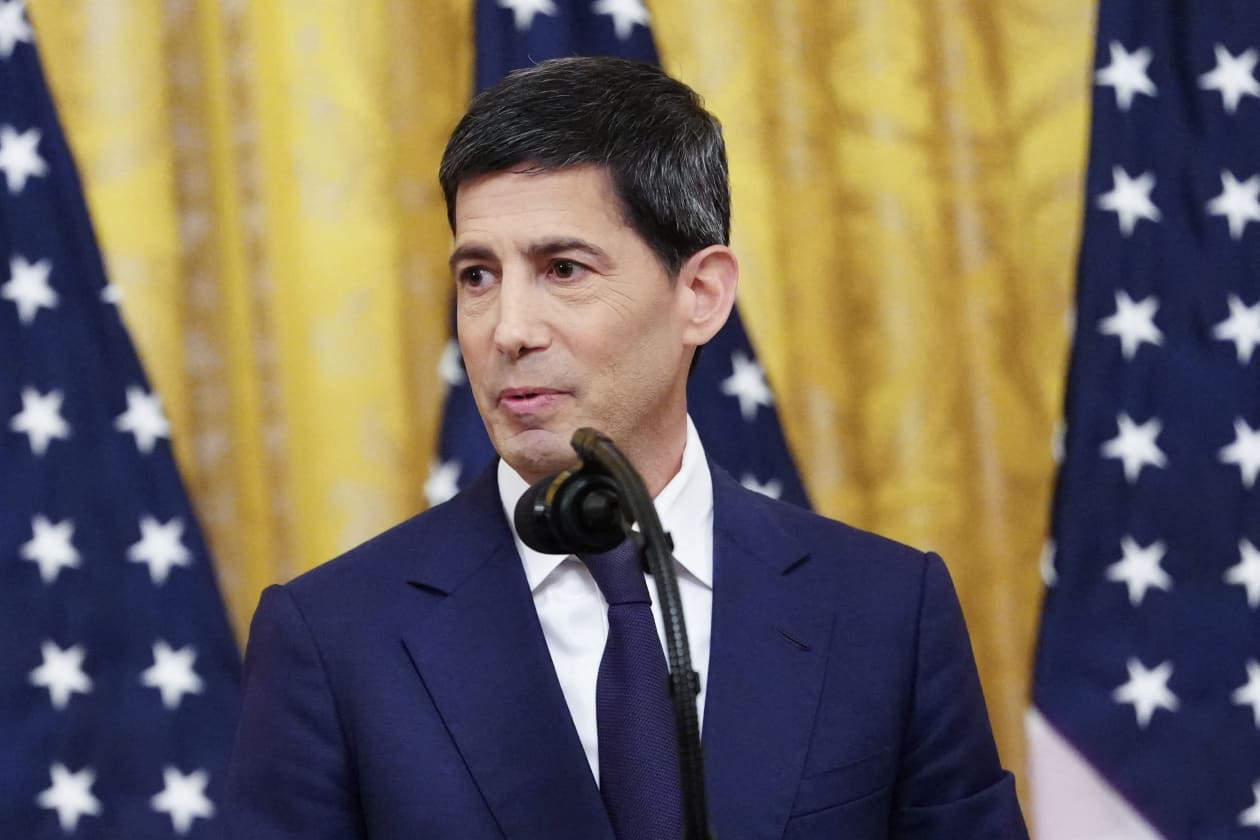
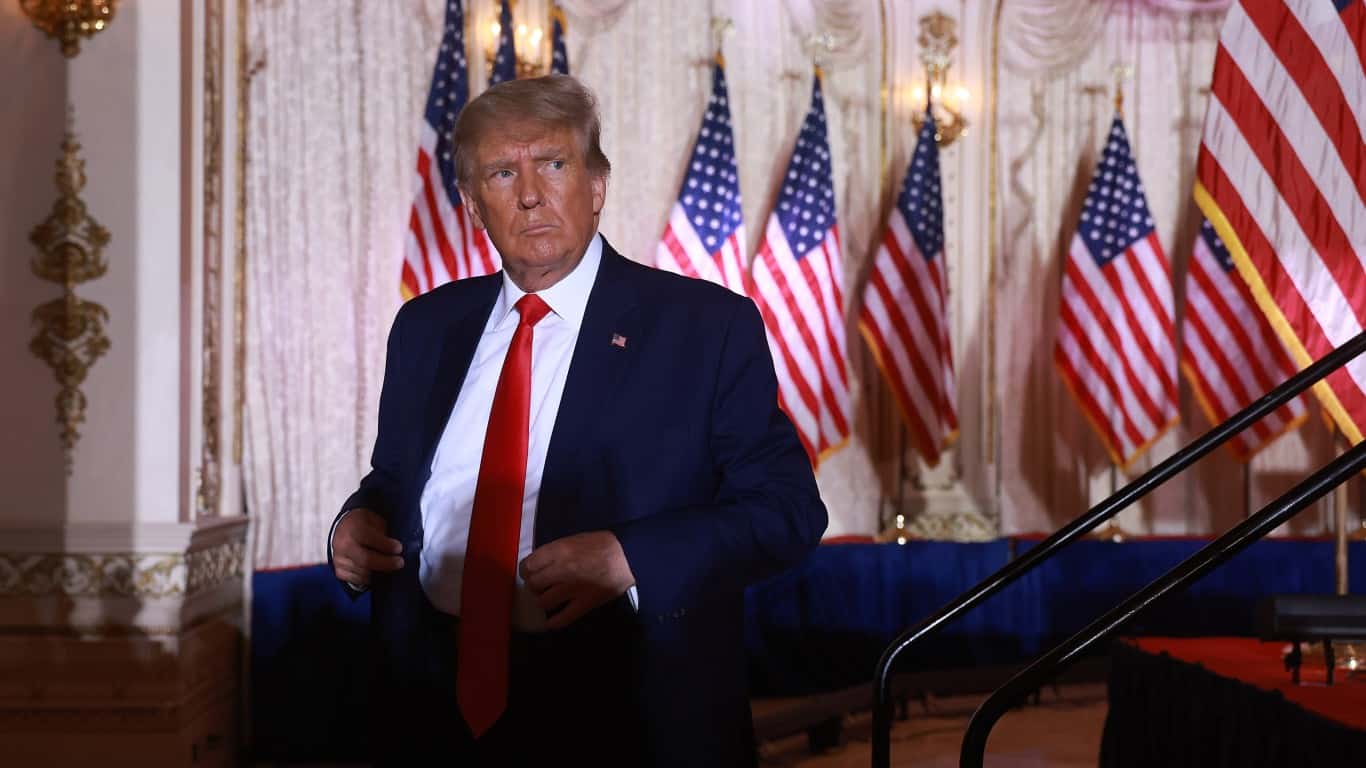
The Political Uncertainty Factor: Warsh holds only one vote among 12 FOMC members, creating ambiguity about actual policy direction. While Trump publicly praised Warsh and stated "You get the interest rates down, everybody's going to be very, very happy," economic data increasingly contradicts this expectation. The strong June 2026 jobs report shifted market expectations toward tightening, with Wall Street banks forecasting rate increases beginning December 2026. This uncertainty makes financial planning difficult for sellers who cannot reliably forecast borrowing costs or currency movements beyond 2-3 months.
Questions 8
What's the probability the Fed will actually raise rates despite Trump's pressure on Kevin Warsh?
CME FedWatch data shows 72% probability of rate increases by mid-2027, despite Trump's public statements favoring cuts. The strong June 2026 jobs report and 3.8% inflation (vs. 2% target) are forcing the Fed's hand toward tightening regardless of political pressure. Warsh has only one vote among 12 FOMC members, so even if he votes for cuts, other members will likely determine policy. Wall Street banks are forecasting rate increases beginning December 2026. Sellers should plan for 2-3 rate hikes by end of 2026 and budget accordingly for higher financing costs and reduced consumer spending.
How will higher interest rates impact overall e-commerce demand and my sales volume?
Higher rates reduce consumer spending by increasing credit card rates, auto loans, and mortgage payments. Historical data shows e-commerce growth slows 0.5-1.5% for every 1% Fed rate increase. With 2-3 rate hikes likely by mid-2027, overall e-commerce volume growth could decelerate from 8-12% to 5-7% annually. This particularly impacts discretionary categories like electronics, home goods, and apparel. Sellers should prepare for 5-10% lower sales volumes in Q4 2026 and Q1 2027, diversify into essential categories (health, beauty basics), and optimize PPC campaigns to maintain visibility during lower-traffic periods.