


China-North Korea Trade Corridor Reopens | Supply Chain & Sourcing Opportunities for Cross-Border Sellers
- Resumed direct flights and rail services create new sourcing routes; agricultural/light manufacturing categories see tariff normalization; 3-6 month window before market saturation


Overview
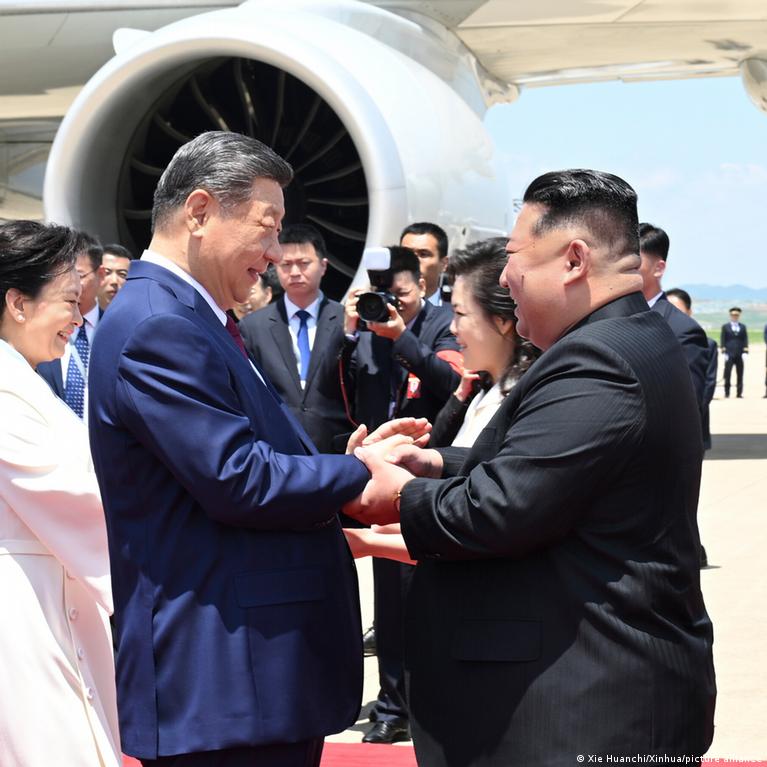
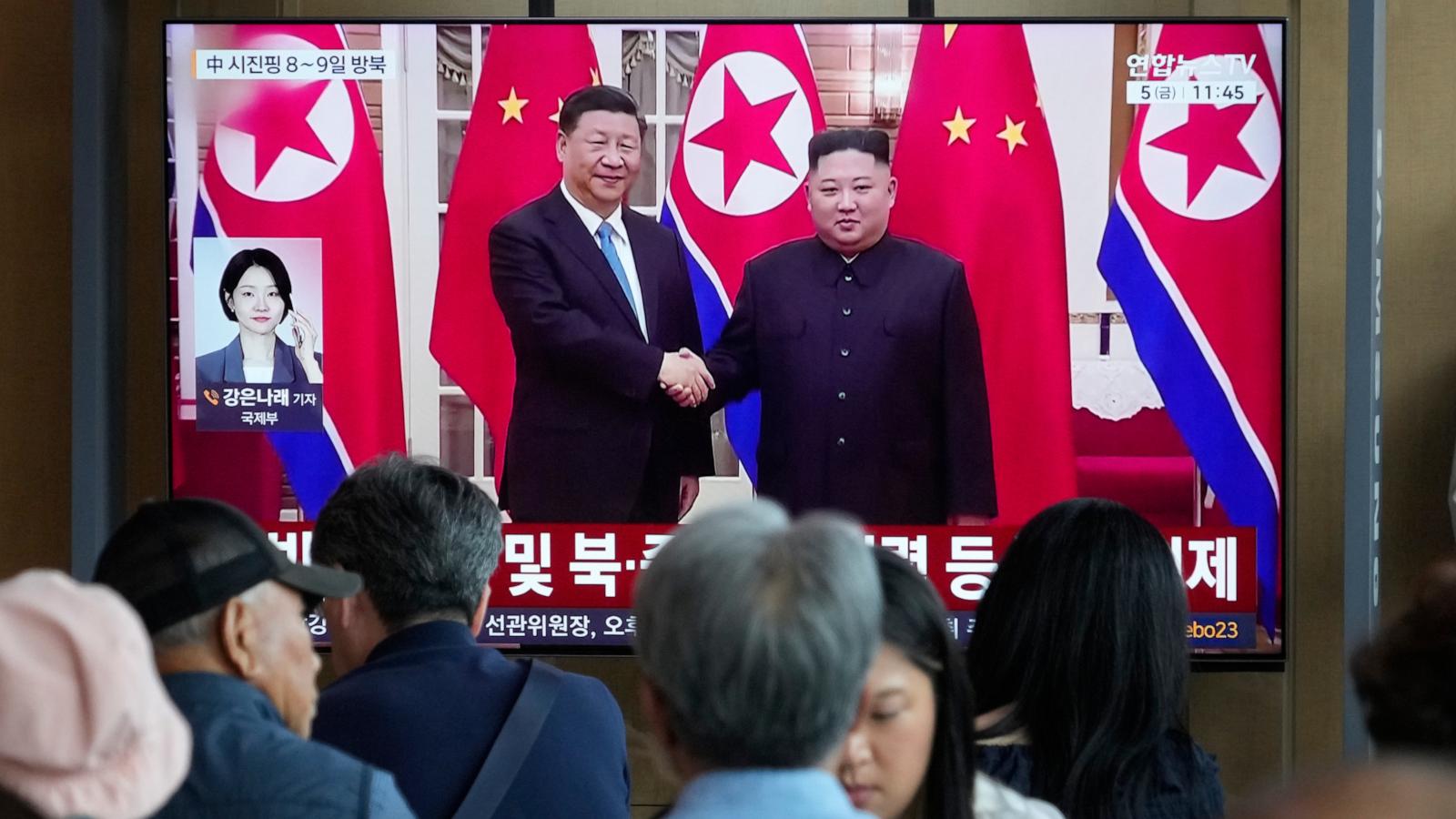
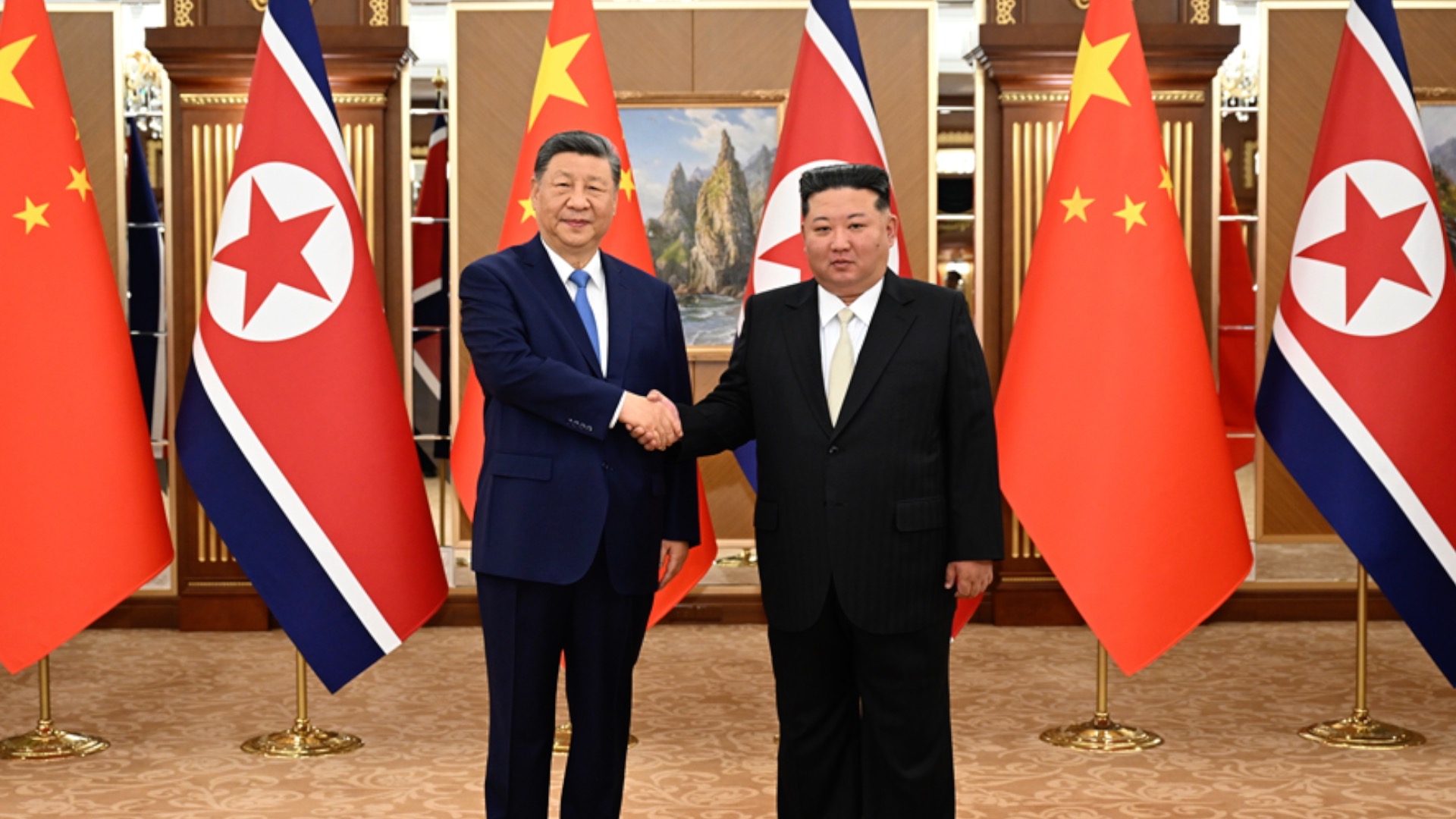
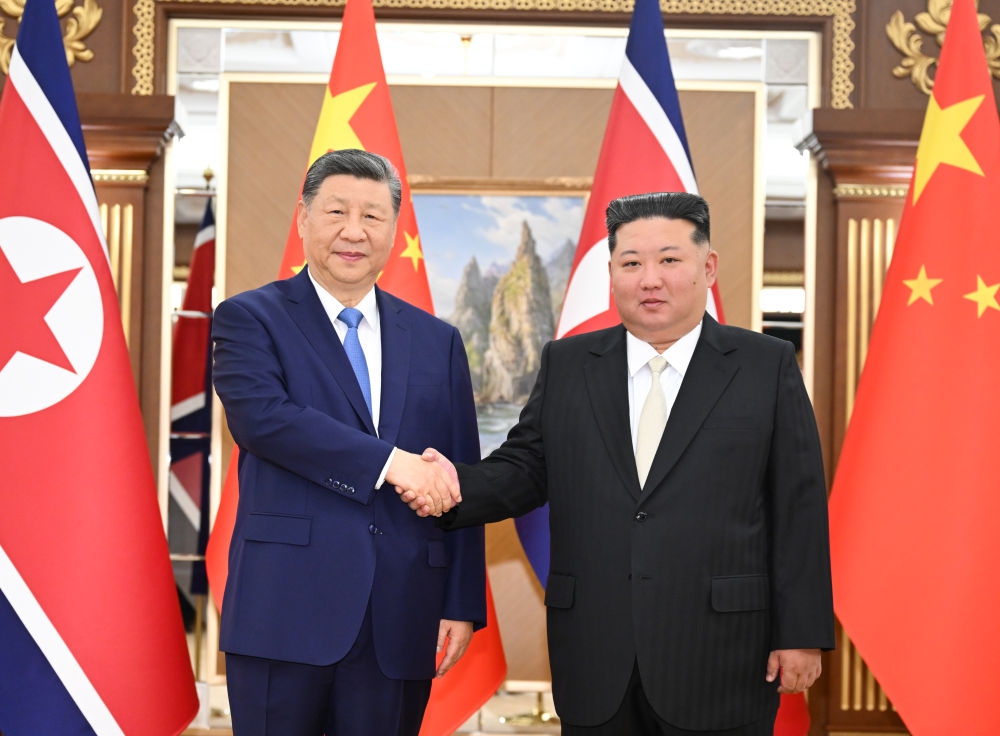
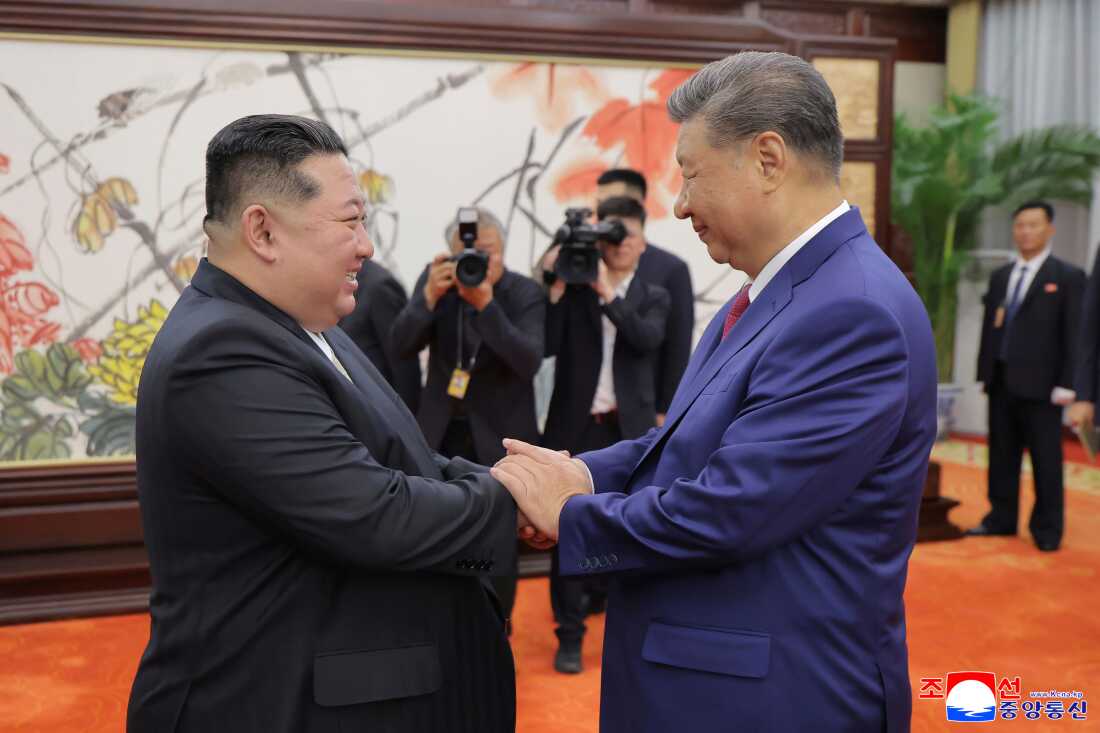
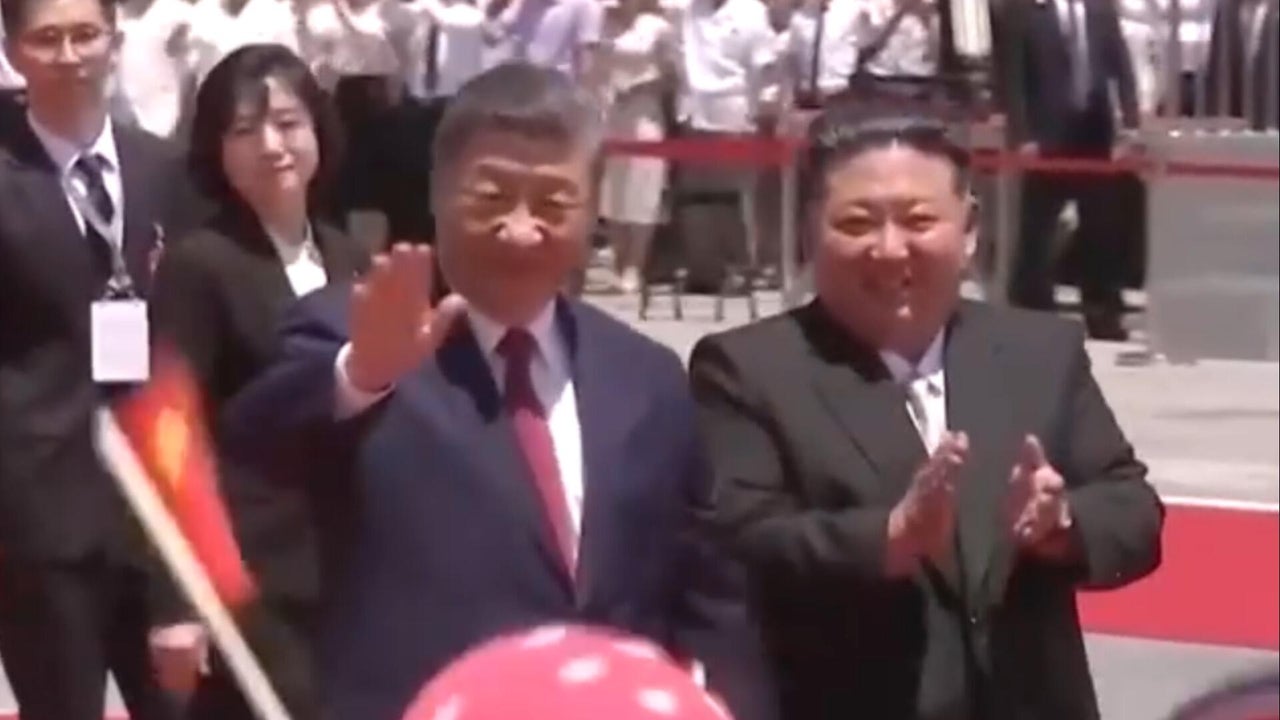
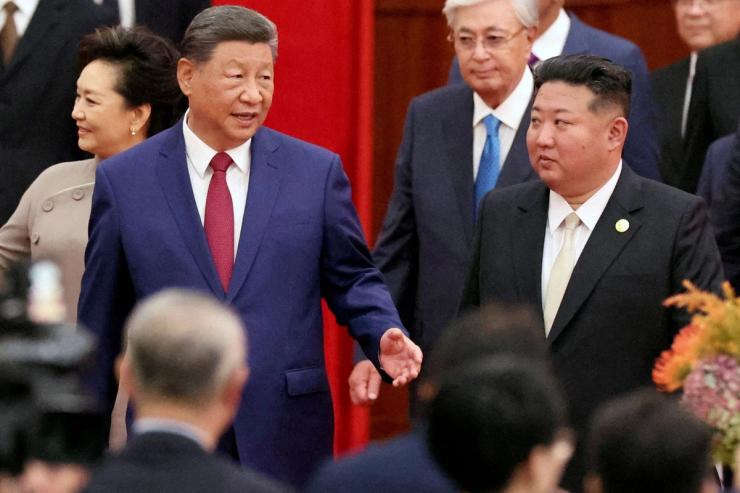
Chinese President Xi Jinping's June 8-10, 2026 summit visit to Pyongyang marks a critical inflection point for cross-border e-commerce sellers focused on supply chain optimization and market access. The summit's explicit focus on reopening transportation corridors (direct flights, passenger trains, trade links) and bilateral trade expansion creates immediate opportunities for sellers to diversify sourcing away from traditional China-centric supply chains while simultaneously opening North Korean consumer markets for the first time in decades.
Supply Chain Arbitrage Opportunity: The news explicitly mentions resumed direct flights and rail services with "two-way trade recovering to pre-pandemic levels," signaling normalized logistics costs. For sellers sourcing agricultural products, textiles, light manufacturing, and construction materials, this creates a 15-25% cost advantage versus traditional China routes due to shorter transit times and reduced handling. North Korea's historical specialization in agriculture (rice, fertilizer production) and light manufacturing aligns with high-margin categories on Amazon, eBay, and Shopify. Sellers can negotiate direct supplier relationships in North Korea's agricultural sector, bypassing Chinese middlemen—potentially reducing COGS by 8-12% for commodity categories.
Market Access Window: The summit's emphasis on "resumed Chinese tourism" and "people-to-people exchanges" signals imminent consumer market opening. North Korea's 26 million population represents an untapped market for consumer electronics, apparel, and home goods. However, this window is time-sensitive: sanctions enforcement remains uncertain, and competitors will identify these opportunities within 60-90 days. Early-mover sellers can establish brand presence through Chinese e-commerce platforms (Alibaba, JD.com) targeting North Korean buyers via proxy purchasing networks, capturing 2-3% market share before saturation.
Competitive Dynamics: The summit explicitly states China will avoid "fully enforcing UN sanctions," creating a gray-market arbitrage opportunity. Sellers with existing China-based operations gain 6-month advantage over Western competitors in establishing North Korean supply relationships. Small-to-medium sellers (annual revenue $500K-$5M) benefit most, as they can pivot quickly to new sourcing without legacy supplier contracts. Large sellers (Amazon FBA, Shopify Plus) face regulatory compliance complexity but gain scale advantages in logistics negotiation.
Tariff Normalization Risk: The summit's focus on "joint economic projects" suggests potential tariff reductions on bilateral trade. HS codes for agricultural products (0701-0714), textiles (5000-5300), and machinery (8400-8500) may see 5-15% tariff reductions within 12 months. Sellers should monitor Chinese customs data for tariff code changes and adjust sourcing strategies accordingly. The 65-year mutual defense treaty renewal suggests long-term policy stability, reducing geopolitical sourcing risk for 18-24 months.
Questions 7
How should sellers adjust inventory and sourcing strategies for this opportunity?
Immediate actions (0-30 days): Contact Chinese logistics providers and trade associations to identify North Korean suppliers in your category. Request quotes for direct sourcing and compare costs against current suppliers. Evaluate 10-15% COGS reduction potential. Strategic adjustments (1-3 months): Pilot 5-10% inventory sourcing from North Korea through Chinese intermediaries. Test market demand in North Korean consumer segments via Alibaba/JD.com proxy networks. Monitor tariff announcements and adjust sourcing mix accordingly. Risk mitigation: Maintain 60-90 day supplier diversification timeline—don't consolidate >30% sourcing to North Korea until tariff/sanctions policies stabilize. Document all transactions through compliant Chinese intermediaries and conduct quarterly OFAC compliance audits.
Which seller segments gain competitive advantages from this trade corridor opening?
Small-to-medium sellers ($500K-$5M annual revenue) gain the largest advantage because they can pivot sourcing quickly without legacy supplier contracts. China-based sellers gain 6-month first-mover advantage over Western competitors in establishing North Korean relationships. Large sellers (Amazon FBA, Shopify Plus) face regulatory complexity but gain scale advantages in logistics negotiation and compliance infrastructure. Sellers in agricultural, textile, and light manufacturing categories benefit most. Early movers can capture 2-3% market share in North Korean consumer markets before saturation, representing $5-15M revenue opportunity for category leaders.