


Hyundai's 30K Annual Robots by 2028 | Warehouse Automation Reshapes Fulfillment Costs for E-Commerce Sellers
- Nvidia-backed robotics scale threatens 3PL pricing models; sellers face 8-15% fulfillment cost increases within 3-5 years as warehouse automation accelerates









Overview
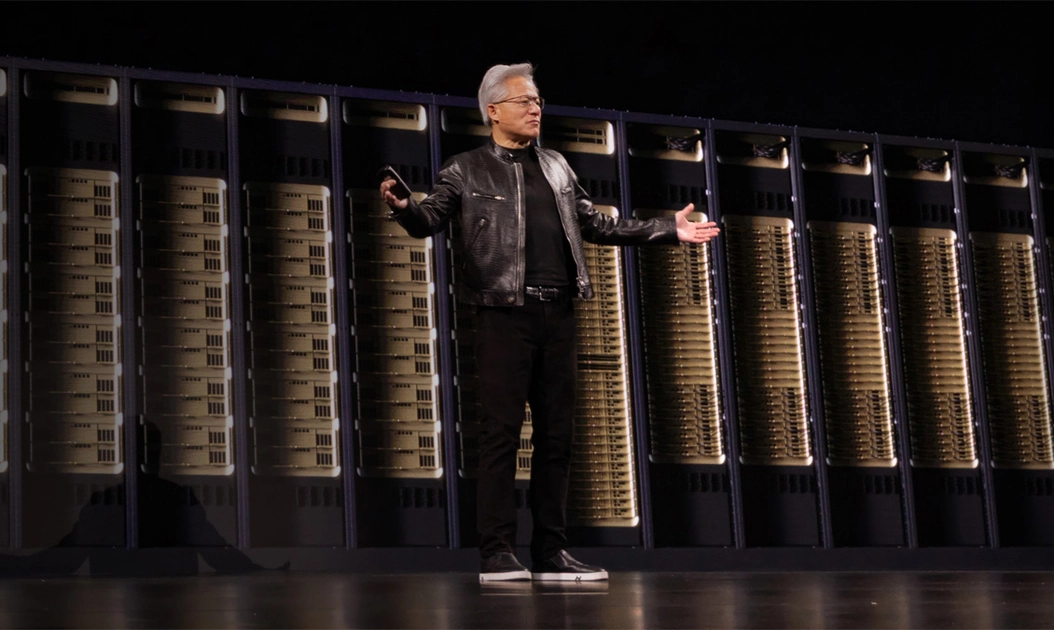
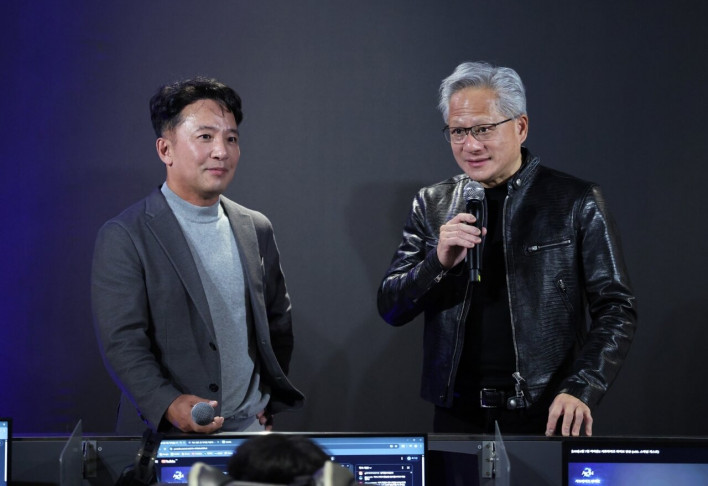
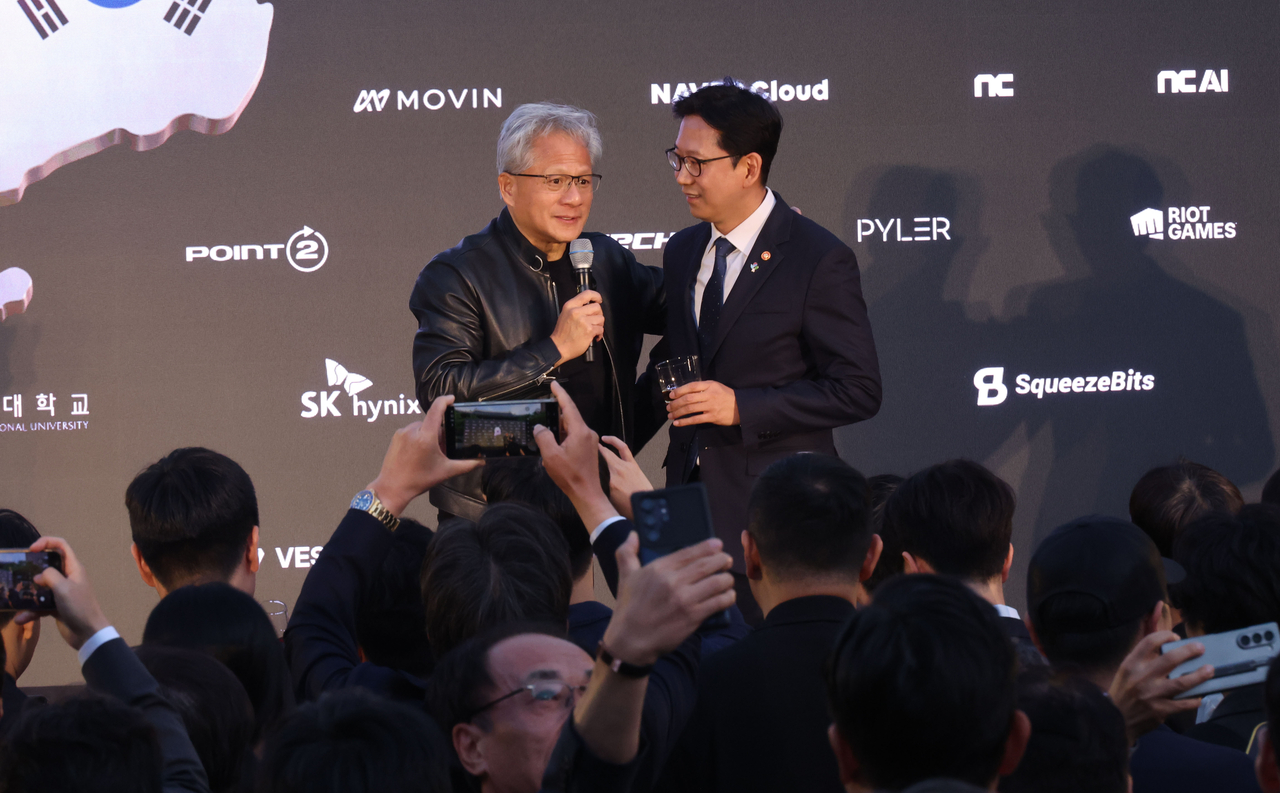
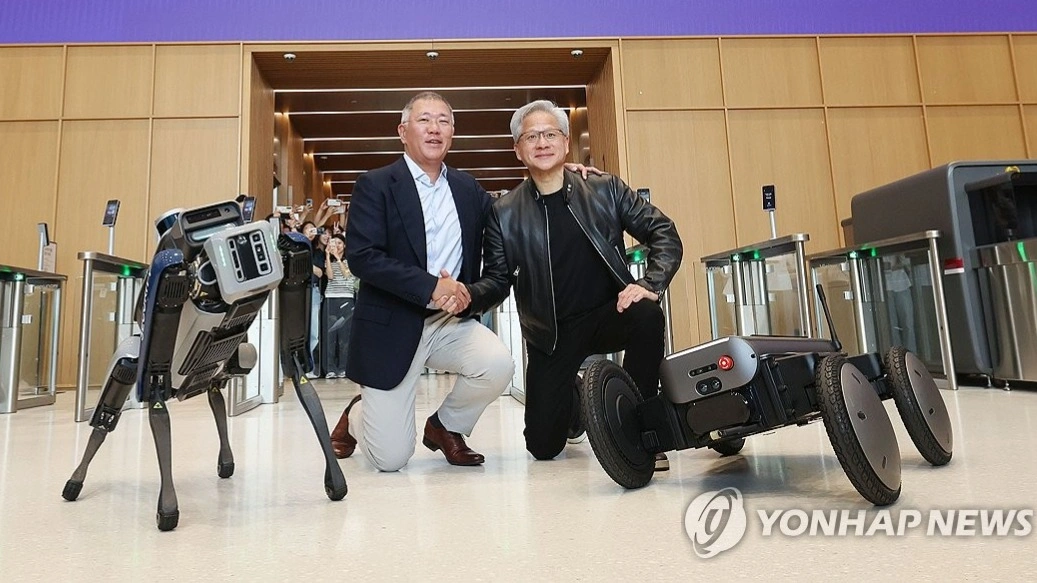
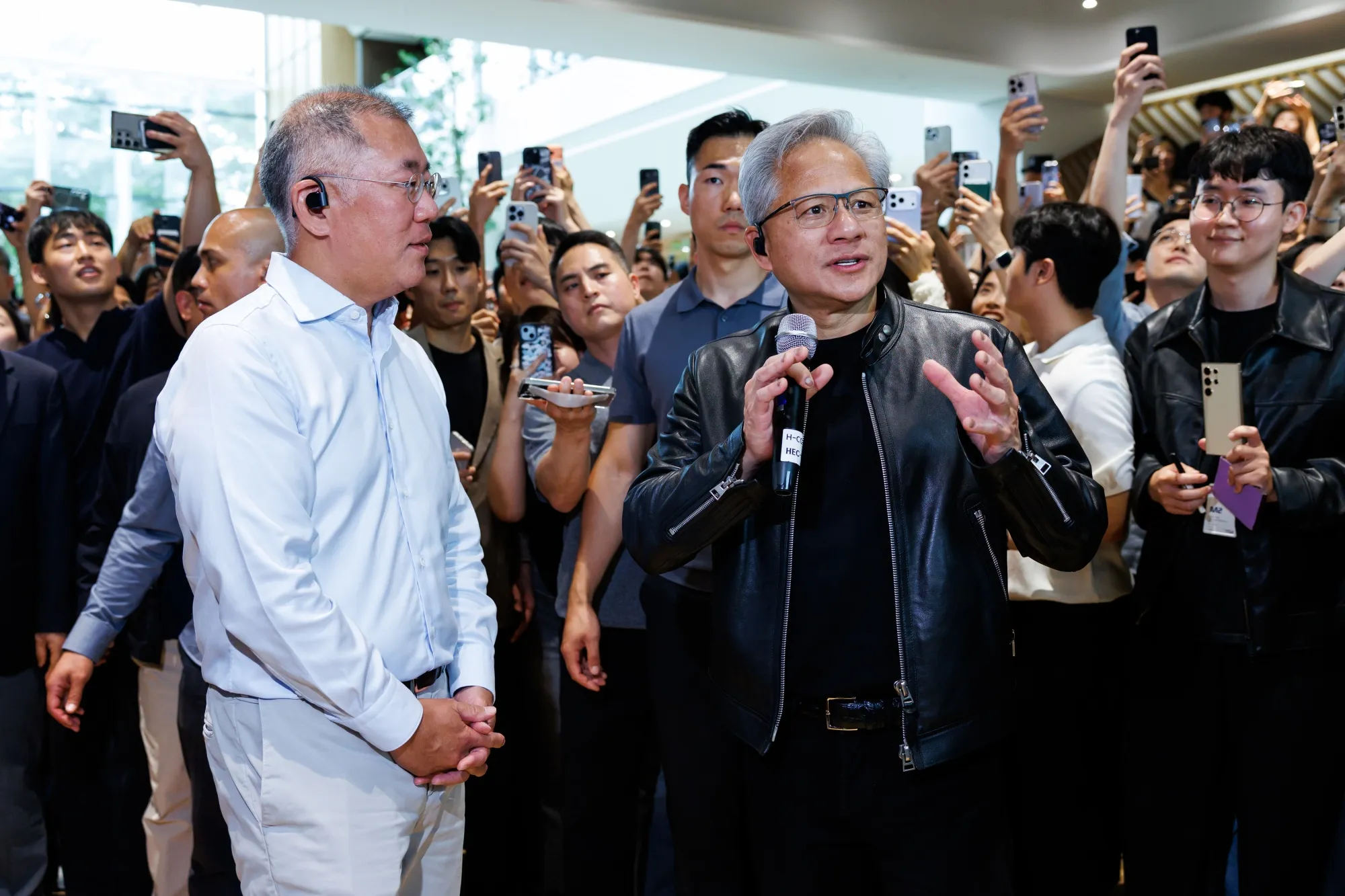
Hyundai's robotics industrialization, backed by Nvidia CEO Jensen Huang's public endorsement, signals an imminent transformation in warehouse automation that will directly impact e-commerce fulfillment economics. The company plans to manufacture 30,000 Atlas humanoid robots annually by 2028 at its Georgia "Metaplant" facility near Savannah, with initial deployment in automotive manufacturing followed by rapid integration into logistics and warehouse operations globally. Huang's statement that "no one is in a better position" than Hyundai to industrialize robotics at scale—combined with Nvidia-Hyundai's expanded partnership in mobility, manufacturing, and robotics—signals that commercial robot deployment is imminent, not theoretical.
For cross-border e-commerce sellers, this development creates a critical 3-5 year window where fulfillment economics will fundamentally shift. Hyundai's North American robot deployment will first impact Amazon FBA fulfillment centers, 3PL warehouses, and logistics partners operating in the US. As robots handle pick-pack-ship operations currently performed by human workers, 3PL providers face two strategic choices: (1) absorb automation costs and maintain current pricing, or (2) pass cost savings to sellers through lower fulfillment fees. Industry precedent suggests a mixed outcome—some providers will reduce fees by 5-8% to gain market share, while others will maintain pricing to fund robot capital expenditure. Sellers shipping 500+ units monthly to FBA or using 3PL services will experience the most direct impact.
The competitive intelligence angle is critical: sellers who understand this timeline can optimize fulfillment strategies NOW before pricing models shift. Sellers currently locked into long-term 3PL contracts (2-3 years) should begin renegotiating terms to include automation-related price adjustments. Those using Amazon FBA should monitor fulfillment fee trends closely—Amazon typically adopts new logistics technologies faster than competitors, potentially creating a 6-12 month window where FBA fees drop before 3PL providers follow. Additionally, sellers in high-volume categories (electronics, apparel, home goods) should evaluate whether nearshoring inventory to Georgia or other robot-enabled hubs could reduce fulfillment costs by 10-15% by 2027-2028. The Metaplant location near Savannah positions Hyundai to serve East Coast fulfillment demand efficiently, making this a strategic geographic advantage for sellers shipping to US East Coast customers.
Immediate AI-powered opportunities exist for sellers to gain competitive advantage: Use AI tools to analyze your current fulfillment cost structure (FBA fees, 3PL rates, shipping costs) and model scenarios where robot-driven automation reduces costs by 5-15%. Predictive analytics can identify which product categories will benefit most from faster, cheaper fulfillment—typically high-volume, lower-margin items where fulfillment cost reduction directly improves profitability. Sellers should also use competitive intelligence AI to track which 3PL providers are investing in automation partnerships; those aligned with Hyundai or similar robotics companies will likely offer better pricing within 18-24 months.
Questions 8
What is the timeline for Hyundai robot deployment in North American fulfillment centers?
Based on the news, Nvidia and Hyundai are "very very close" to industrializing robotics, suggesting pilot deployments in 2025-2026, with meaningful scale (1,000+ robots) by 2027. Hyundai's plan to manufacture 30,000 robots annually by 2028 indicates production ramp-up begins in 2025-2026. Amazon FBA fulfillment centers will likely be first adopters (2026-2027), followed by major 3PL providers (2027-2028). Sellers should monitor Hyundai and Nvidia announcements quarterly for deployment updates. The critical window for sellers to adjust fulfillment strategies is 2025-2026, before automation-driven pricing changes become widespread.
How can sellers use AI to predict fulfillment cost changes from robot automation?
Use predictive analytics to model three scenarios: (1) current fulfillment costs remain flat, (2) costs decrease 5-8% by 2027, (3) costs decrease 10-15% by 2028. Input your current FBA fees, 3PL rates, and shipping costs into AI forecasting tools (Tableau, Power BI, or specialized e-commerce analytics platforms) to calculate breakeven points for nearshoring, inventory repositioning, or 3PL switching. AI can also analyze competitor fulfillment strategies by tracking their shipping times and estimated costs, revealing which sellers are already optimizing for automation-driven logistics. Sellers who complete this analysis by Q2 2025 can lock in favorable 3PL contracts before automation pricing becomes standard.