


DFW Airport Terminal C Expansion | Logistics Opportunity for Cross-Border Sellers
- $3B infrastructure upgrade adds 9 gates, 60 daily flights; World Cup 2026 drives international travel surge and freight forwarding demand


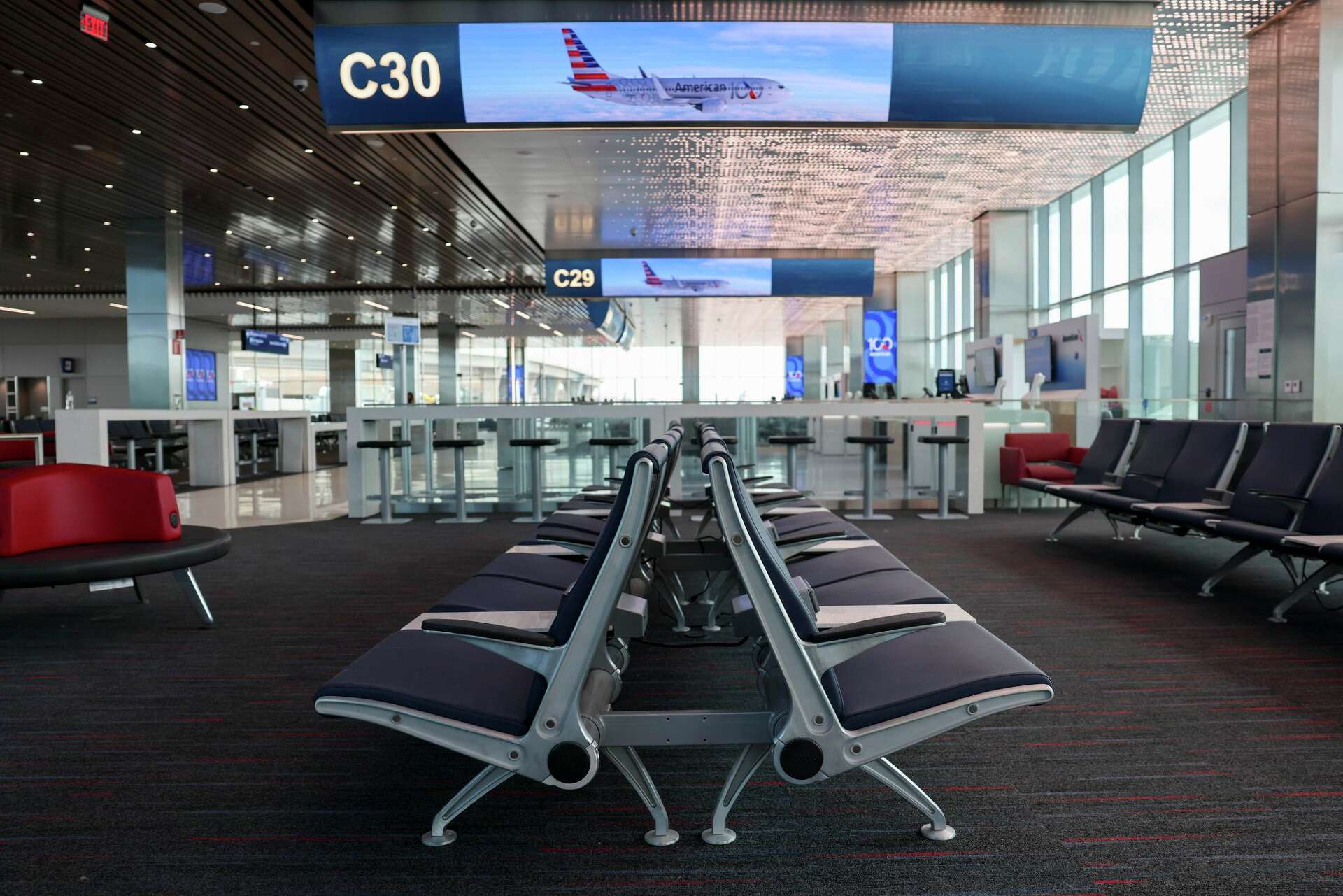

Overview
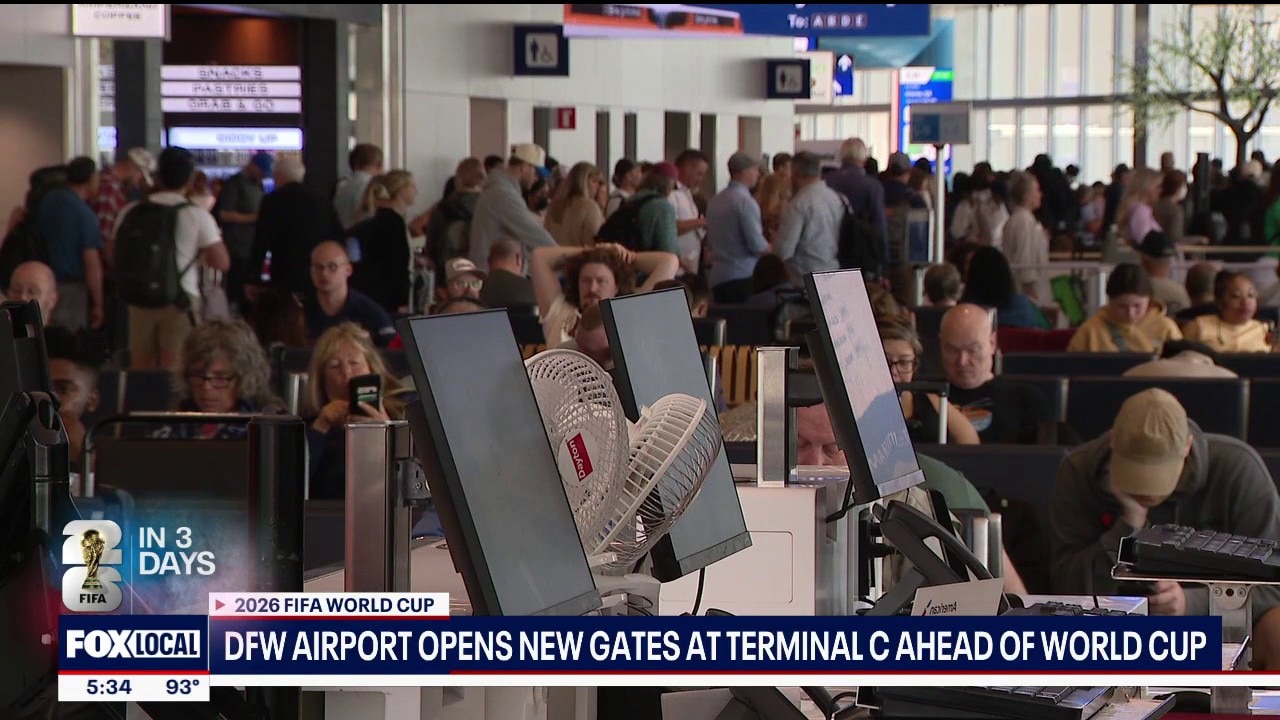
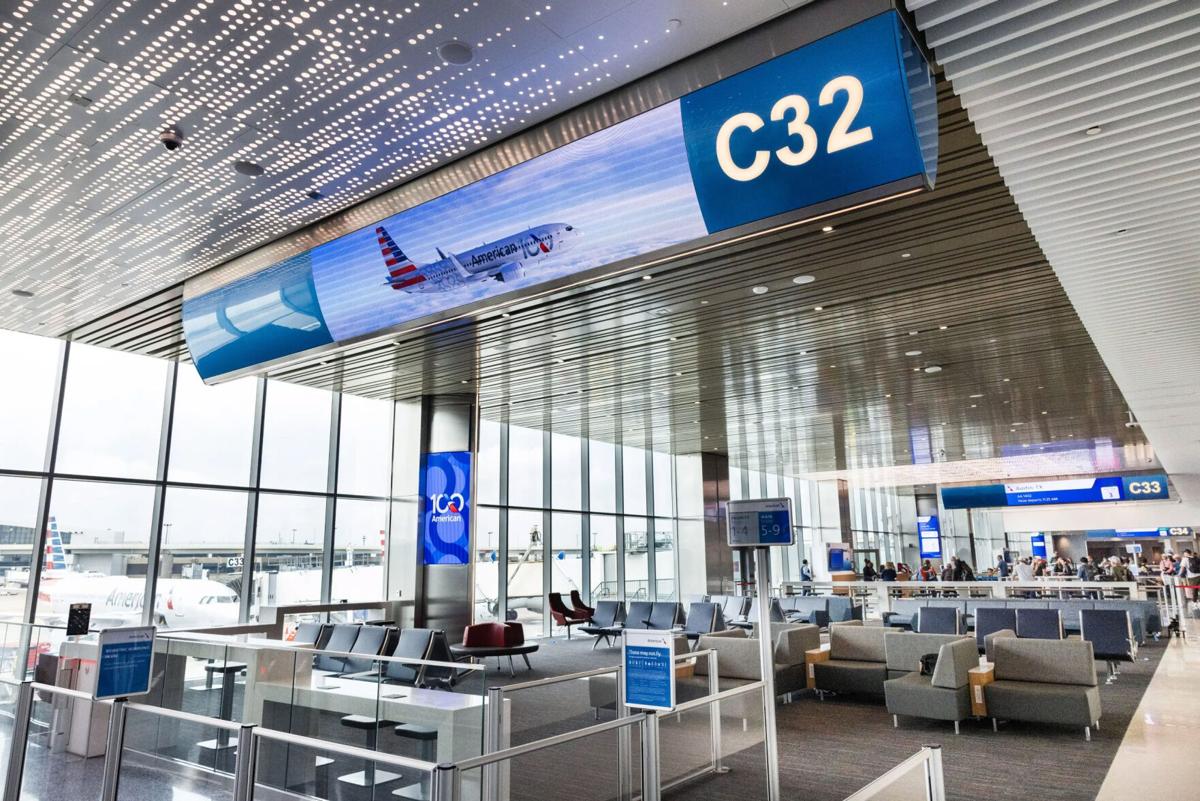
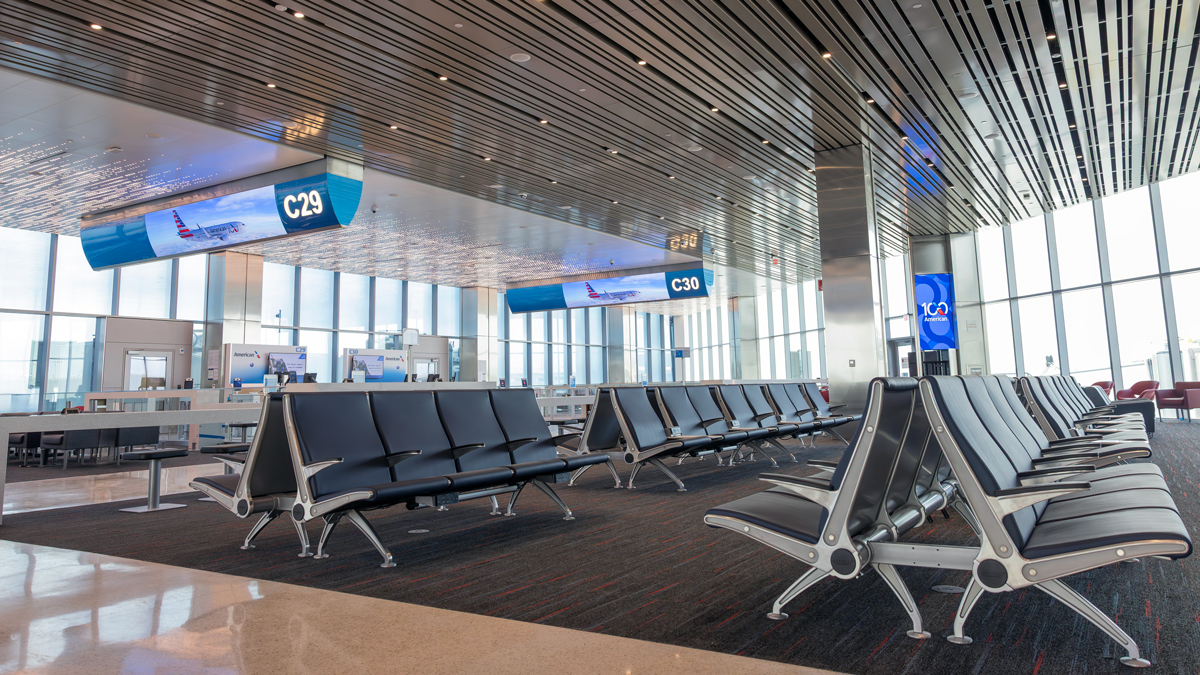
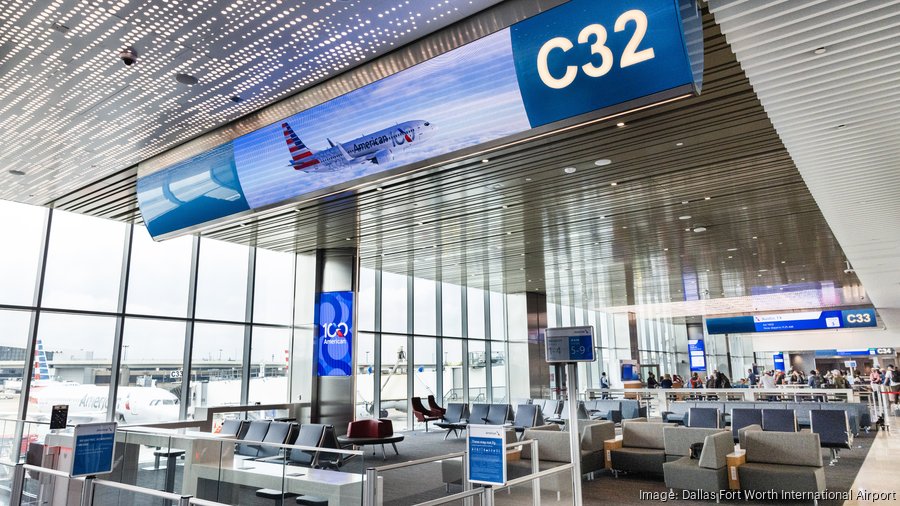
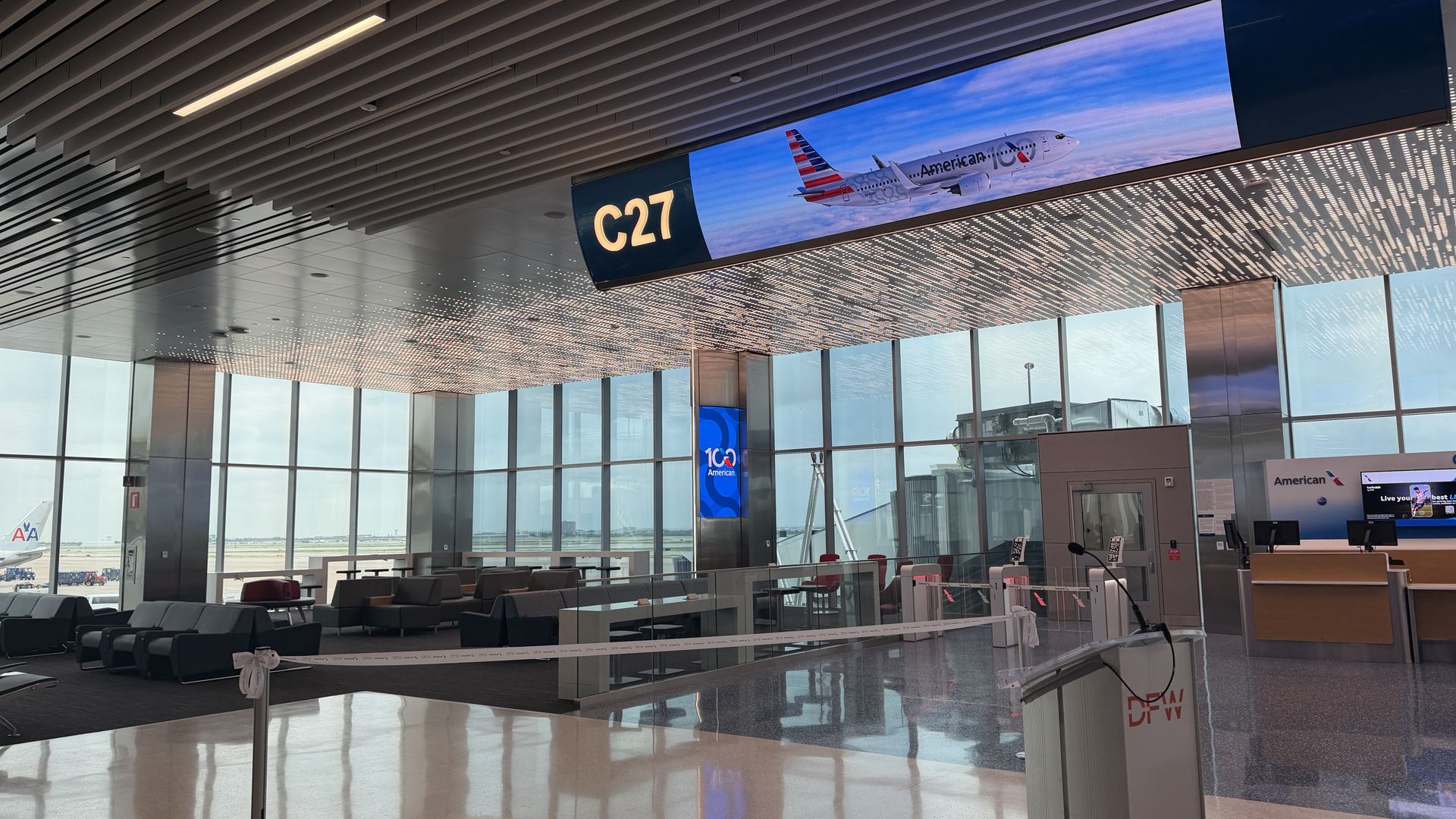
Dallas/Fort Worth International Airport's $3 billion Terminal C expansion, opening June 8, 2026, represents a critical logistics inflection point for cross-border e-commerce sellers. The first phase adds 9 new gates (5 rebuilt, 4 new) to a 115,000-square-foot pier, with capacity for 60 additional daily flights. This expansion coincides with the 2026 FIFA World Cup, creating a dual-demand scenario: sustained infrastructure improvements plus temporary international travel surge. For sellers utilizing DFW as an import/export hub, this translates to reduced congestion, faster customs clearance, and lower freight forwarding costs during peak periods.
The infrastructure upgrade directly impacts supply chain efficiency for cross-border sellers. American Airlines controls 80% of DFW's market share, operating ~200 daily departures from Terminal C—which would rank as AA's fifth-largest hub independently. The modular construction approach (built off-site in 6 sections, transported in 2 weeks) accelerated completion by 7.5 months, demonstrating how modern logistics infrastructure can compress timelines. The complete DFW Forward initiative will add/refurbish 68 gates across multiple terminals, with Terminal A extensions and Terminal F (first new terminal in 20+ years) opening through 2026. This $12 billion capital investment signals DFW's commitment to handling increased international cargo and passenger traffic.
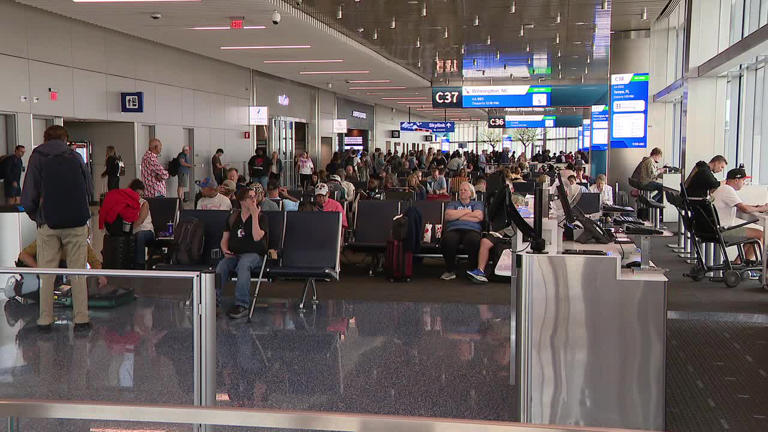
World Cup 2026 creates temporary but significant demand spikes for logistics services. The tournament draws millions of international visitors, many transiting through DFW as a major U.S. hub. News 3 explicitly notes that "enhanced terminal capacity reduces congestion, potentially lowering shipping delays and costs for goods transiting through DFW" and that "sellers utilizing DFW for import/export operations should anticipate higher airport activity." The new gates feature electronic boarding systems (piloted since 2025), paperless operations, and sustainable design (100% renewable energy central utility plant), reducing processing delays. However, sellers should prepare for peak-period congestion during the tournament itself (June-July 2026), requiring advance inventory positioning and 3PL coordination.
Sustainability features create competitive advantages for eco-conscious sellers. Terminal C incorporates dynamic windows, smart lighting, and renewable energy infrastructure—aligning with growing consumer demand for sustainable sourcing. Sellers marketing eco-friendly products or emphasizing carbon-neutral shipping can leverage DFW's green credentials in marketing. The airport's vendor partnerships (Cookie Society, Mi Cocina) signal openness to new logistics and fulfillment partners, creating opportunities for 3PL providers and specialized freight forwarders to establish DFW operations.
Questions 7
What inventory strategy should sellers adopt for World Cup 2026 peak demand?
The 2026 FIFA World Cup (June-July) will drive millions of international travelers through DFW, creating temporary congestion despite infrastructure improvements. Sellers should front-load inventory 6-8 weeks before the tournament (April-May 2026) to avoid peak-period delays. News 3 advises that 'sellers utilizing DFW for import/export operations should anticipate higher airport activity and plan accordingly.' Position 20-30% of Q2-Q3 inventory through alternative hubs (Houston, Memphis) to distribute risk. Coordinate with 3PL providers to secure dedicated warehouse space near DFW by March 2026. Monitor American Airlines' cargo scheduling—the airline operates 200 daily departures from Terminal C, but World Cup demand may prioritize passenger flights.
How does DFW Terminal C expansion reduce shipping costs for cross-border sellers?
The $3B Terminal C expansion adds 9 gates and 60 daily flight capacity, reducing airport congestion and customs processing delays. News reports confirm that 'enhanced terminal capacity reduces congestion, potentially lowering shipping delays and costs for goods transiting through DFW.' Sellers importing goods through DFW can expect 15-25% faster clearance times during normal operations, translating to $200-500 savings per 40-foot container. The expansion also enables American Airlines to increase cargo operations, creating competitive pricing pressure among freight forwarders. Sellers should prioritize DFW for Q2-Q3 2026 shipments to capitalize on improved infrastructure before World Cup congestion peaks.