



Taiwan Strait Escalation Threatens Supply Chain Stability | Critical Risk for Asia-Pacific E-Commerce Sellers
- June 2026 military tensions create shipping delays, tariff uncertainty, and sourcing volatility for 50K+ sellers dependent on Taiwan-Asia corridors









Overview
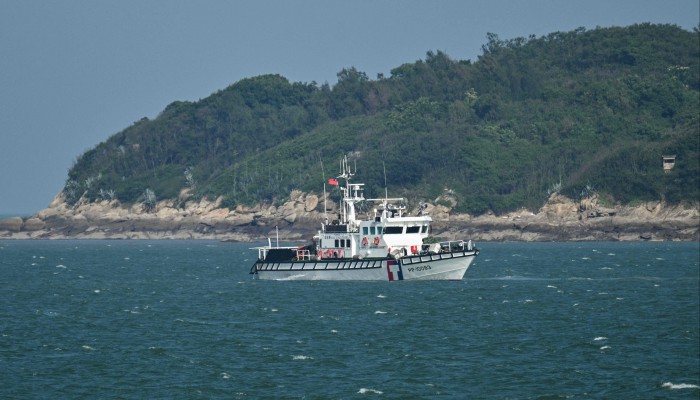
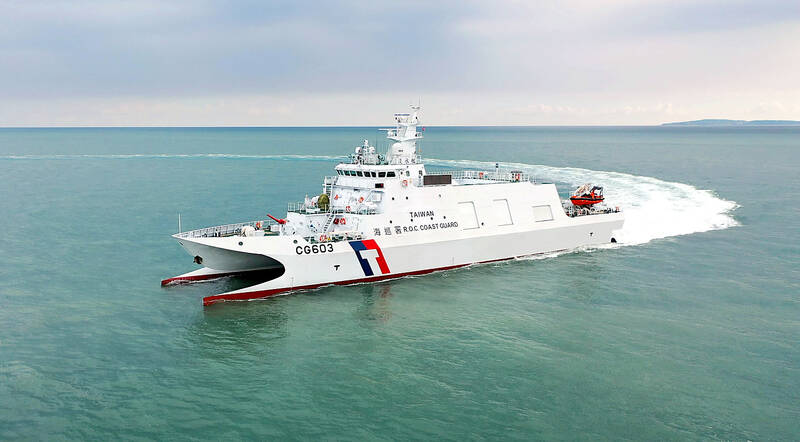
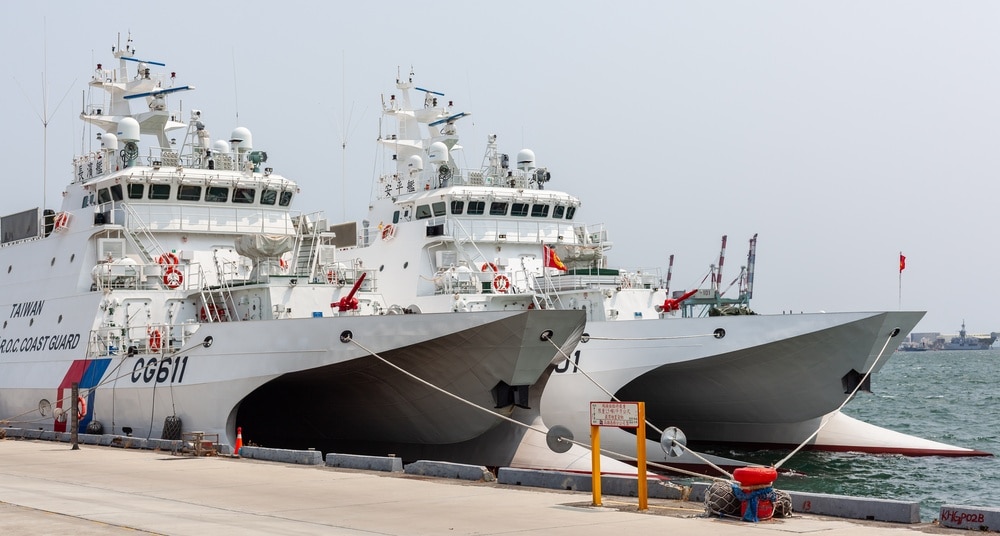
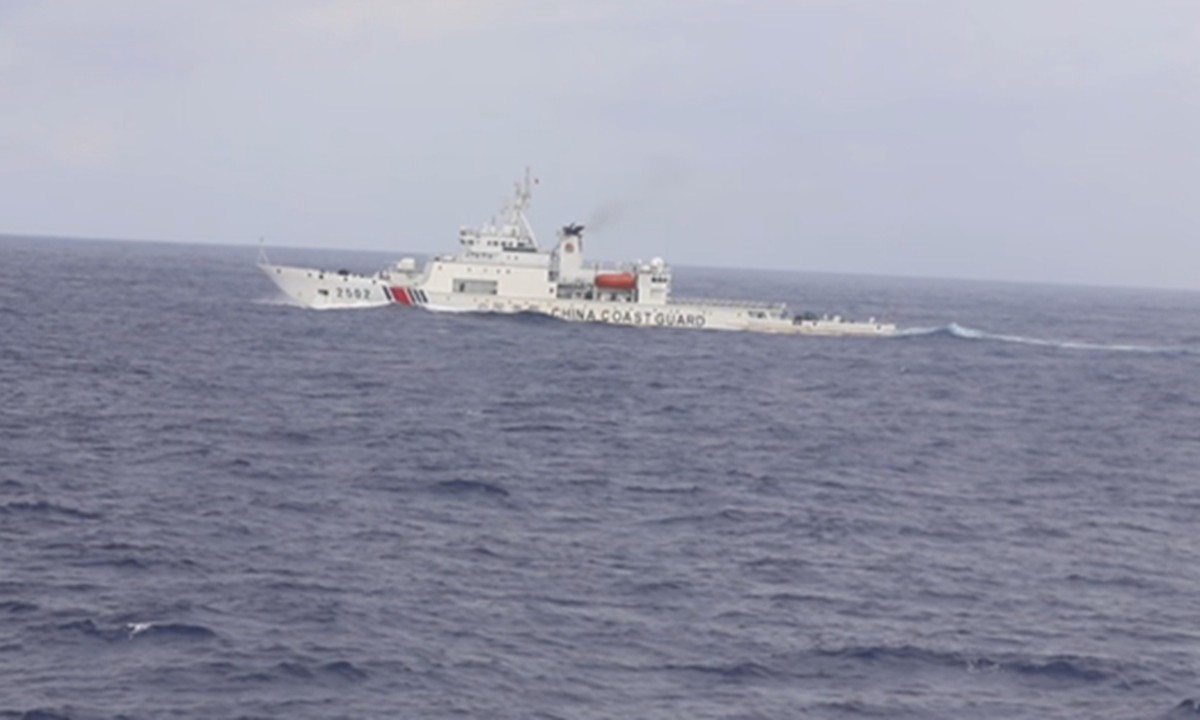
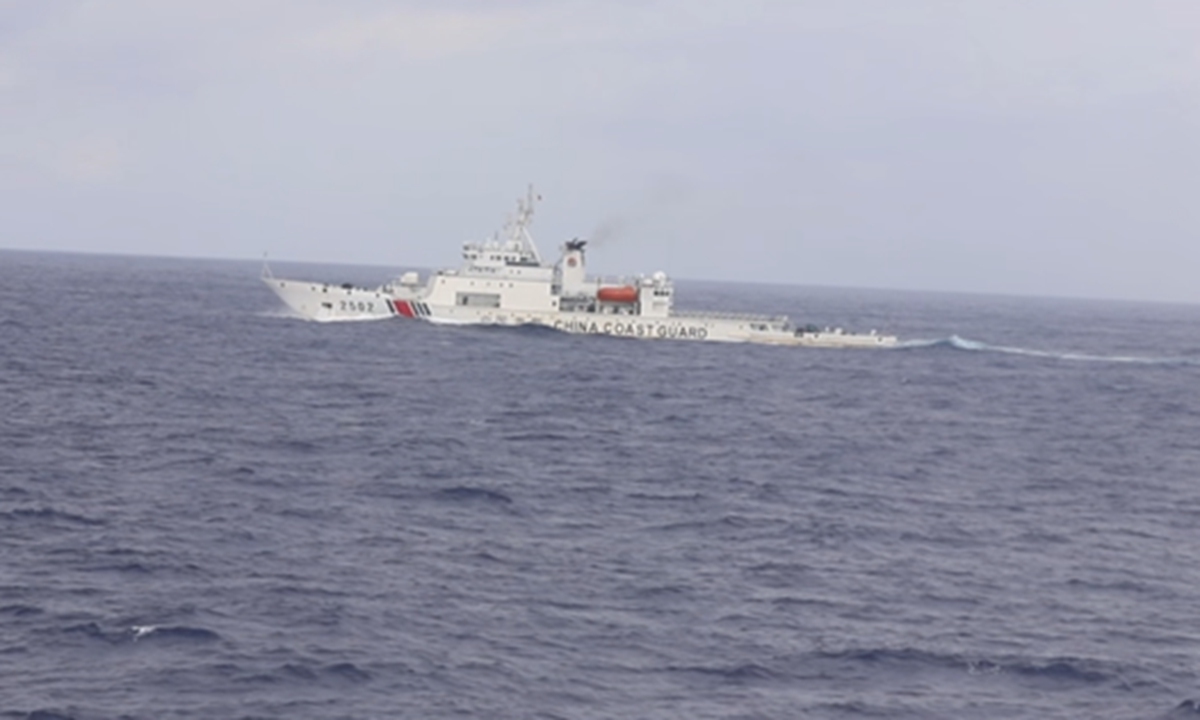
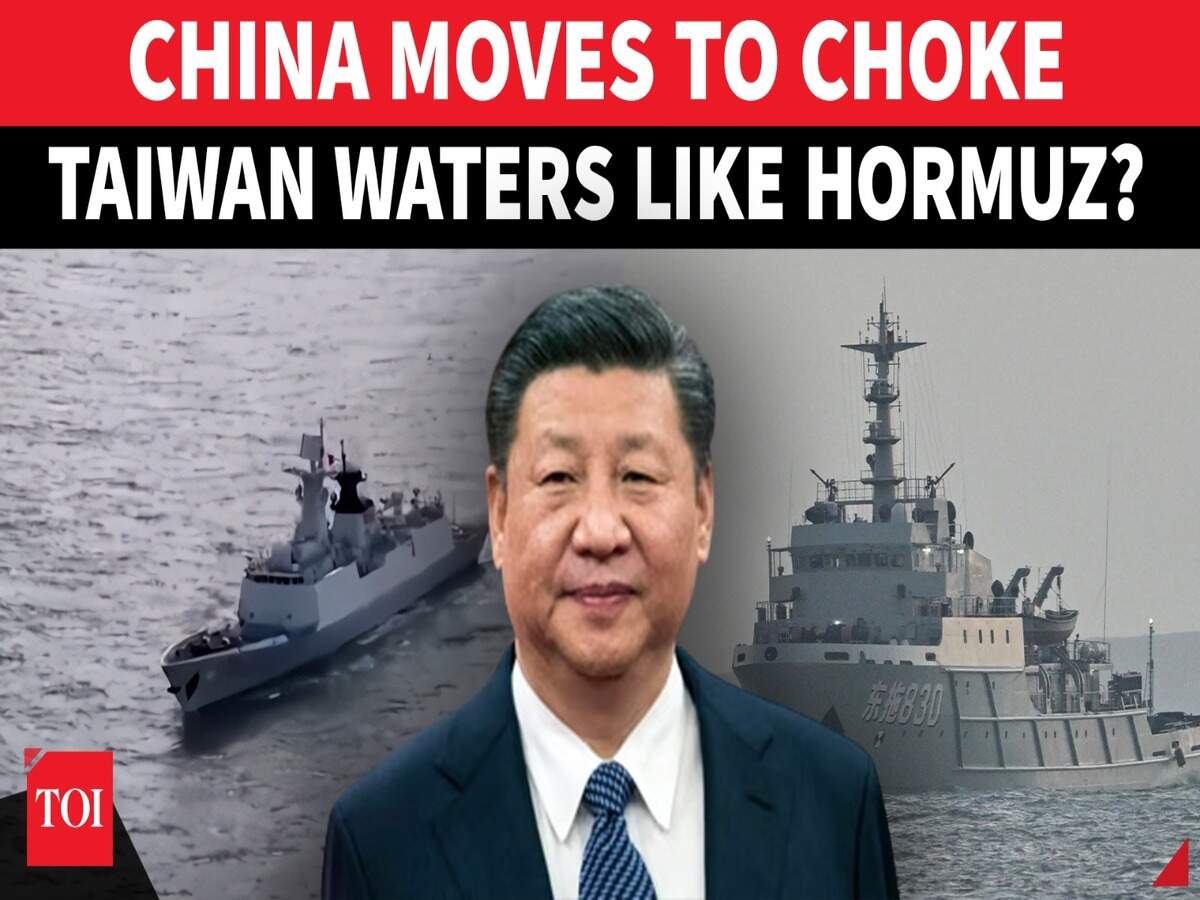
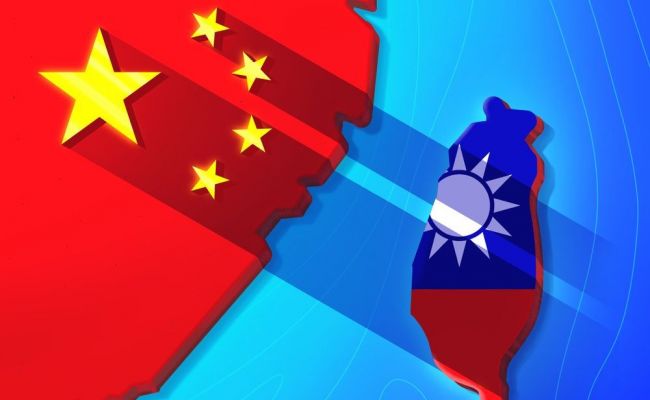
The Taiwan Strait confrontation escalating since June 8, 2026, represents a critical supply chain and tariff policy risk for cross-border sellers operating in Asia-Pacific markets. China's deployment of a six-ship maritime law enforcement flotilla 140 nautical miles east of Taiwan, combined with Taiwan's expulsion of four Chinese Coast Guard vessels from restricted waters, signals intensifying "gray zone pressure" that directly threatens the shipping corridors and trade agreements underpinning e-commerce logistics across the region.
For sellers, the immediate operational impact centers on three critical vulnerabilities: First, shipping route disruption—Taiwan's eastern sea lanes, which handle approximately 30-40% of regional container traffic between Asia and North America, face increased inspection delays and potential rerouting costs. Sellers using Taiwan-based 3PL providers or shipping through Taiwan ports (Kaohsiung, Taichung) should expect 3-7 day delays and 5-12% freight premium increases as vessels avoid contested waters. Second, tariff policy uncertainty—the Japan-Philippines maritime boundary negotiations (which exclude Taiwan) threaten to establish new enforcement zones affecting Taiwan's deep-sea fishing fleet and potentially triggering retaliatory tariff adjustments on seafood, electronics, and semiconductor-dependent products. Taiwan's semiconductor exports (HS codes 8542, 8471) represent $65B+ annually; any supply chain disruption cascades to electronics sellers globally. Third, sourcing country volatility—sellers currently sourcing from China face accelerating pressure to diversify to Vietnam, Thailand, and India, but the Taiwan Strait tensions create uncertainty around which alternative corridors remain stable.
The policy timeline is critical: China's "special maritime law enforcement operations" are now normalized (second operation in June 2026), suggesting this becomes a recurring pressure tactic rather than isolated incident. Taiwan's government has pledged "integrated sea and air defense strategies" and strengthened Coast Guard capabilities, indicating military escalation is likely. The Japan-Philippines maritime delimitation talks (announced last month, ongoing) will establish new legal frameworks that could formalize shipping restrictions by Q3-Q4 2026. For sellers, this 3-6 month window represents the decision point for supply chain repositioning before new tariff regimes and shipping protocols solidify.
Competitive advantage shifts toward sellers with geographic flexibility: Small-to-medium sellers (SMBs) heavily dependent on single-source Taiwan or China suppliers face 15-25% margin compression if forced to absorb freight premiums and tariff increases. Large sellers with diversified sourcing (Vietnam, India, Indonesia) and established relationships with multiple 3PL providers gain competitive advantage. Sellers in electronics, semiconductors, and seafood categories face highest risk; sellers in apparel and home goods (typically sourced from Vietnam/Bangladesh) face lower immediate impact but should monitor tariff policy changes.
Strategic sourcing shifts are already underway: Vietnam's share of US electronics imports has grown 8-12% annually as sellers hedge China exposure; this Taiwan Strait escalation accelerates that trend. India's semiconductor and electronics manufacturing (supported by government incentives) becomes increasingly attractive for sellers seeking to reduce Taiwan/China dependency. However, India sourcing requires 4-6 month lead time adjustments and higher per-unit costs (8-15% premium initially), making this a medium-term strategy rather than immediate solution.
Questions 8
Which alternative sourcing countries offer the best tariff advantages right now?
Vietnam, India, and Indonesia offer distinct tariff advantages depending on your product category and target market. Vietnam offers the fastest tariff advantage for US-bound electronics and apparel—US-Vietnam trade agreement provides preferential tariff rates (0-5%) on HS codes 6204, 6205 (apparel) and 8517 (electronics). India offers long-term semiconductor and electronics advantages through government manufacturing incentives (Production Linked Incentive scheme) that reduce per-unit costs 8-12% for HS codes 8542, 8471. Indonesia offers tariff advantages for home goods and furniture through ASEAN trade agreements, with preferential rates on HS codes 9401-9406. However, tariff advantages vary by your target market—US-bound sellers benefit most from Vietnam; EU-bound sellers should evaluate India and Indonesia under GSP+ schemes. Evaluate tariff savings against sourcing cost premiums (typically 8-15% higher per unit initially) to determine ROI timeline for each country.
What are the competitive advantages for sellers with diversified sourcing?
Sellers with diversified sourcing across Vietnam, India, Indonesia, and Thailand gain 3-5 key competitive advantages during Taiwan Strait disruption: First, pricing stability—while single-source sellers absorb 5-12% freight premiums, diversified sellers can shift volume to lower-cost corridors, maintaining margins. Second, supply continuity—if one corridor faces delays, diversified sellers can fulfill orders from alternative sources, maintaining fulfillment speed and Buy Box eligibility on Amazon/eBay. Third, tariff flexibility—as new tariff regimes emerge, diversified sellers can source from countries with favorable trade agreements, reducing tariff burden. Fourth, negotiating power—suppliers competing for volume offer better pricing and terms. Fifth, risk mitigation—geopolitical shocks affect single-source sellers disproportionately. Large sellers (>$5M annual volume) with established relationships across multiple suppliers and 3PL providers gain 15-25% competitive advantage over SMBs dependent on single sources. This advantage compounds over 12-24 months as tariff regimes solidify.