



European Defense Fragmentation Signals Supply Chain Consolidation Opportunity for Aerospace & Defense Suppliers
- €100B+ project collapse creates 18-24 month procurement uncertainty; defense contractors face 15-30% budget reallocation; alternative sourcing markets (UK, Italy, Japan) gain competitive advantage




















Overview
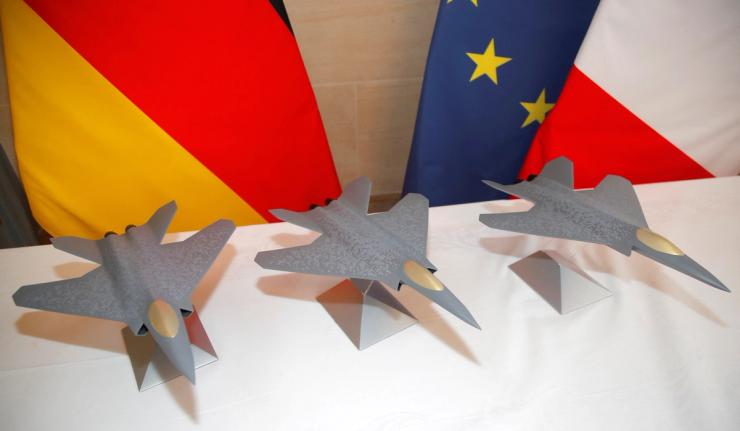
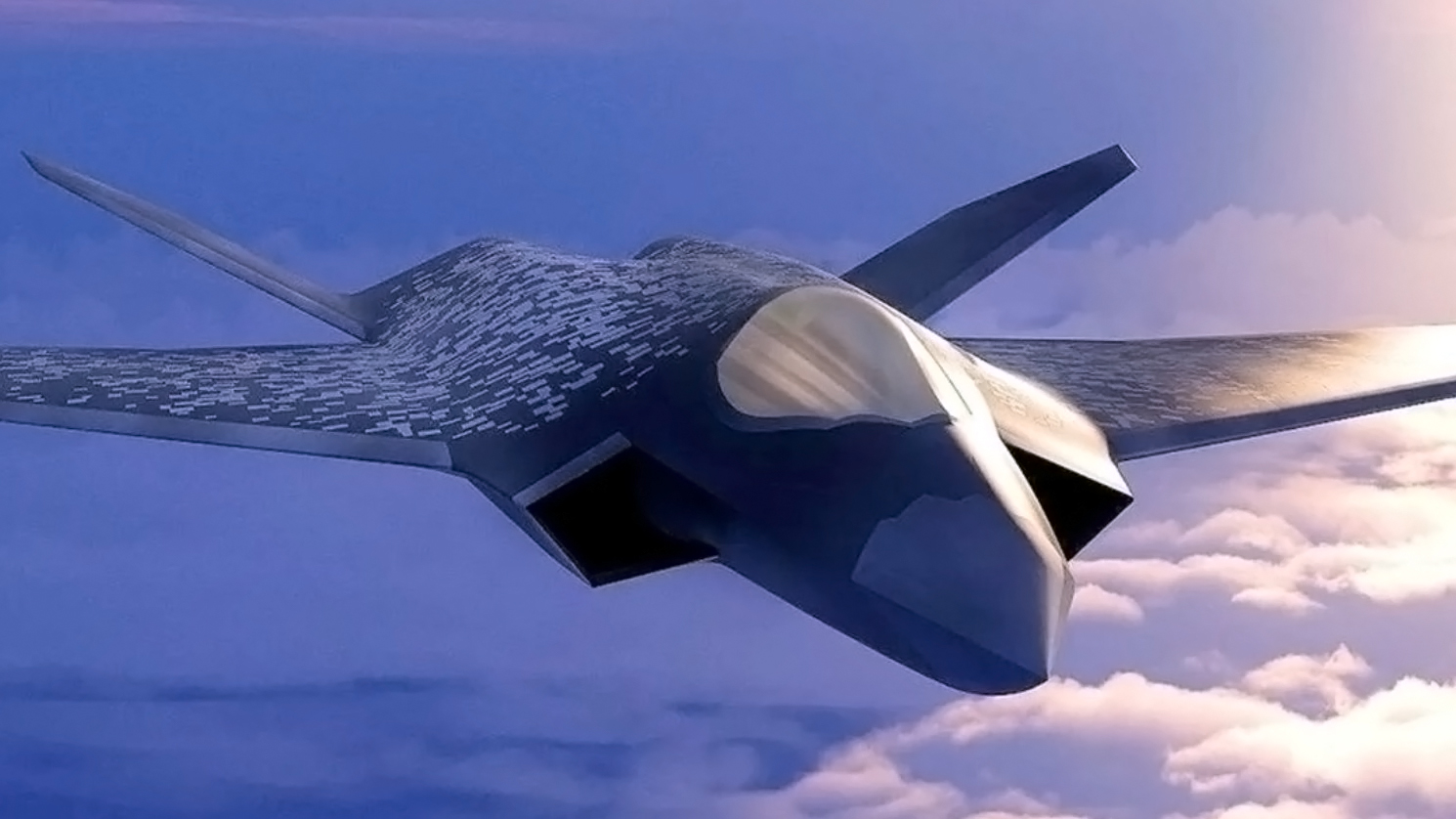
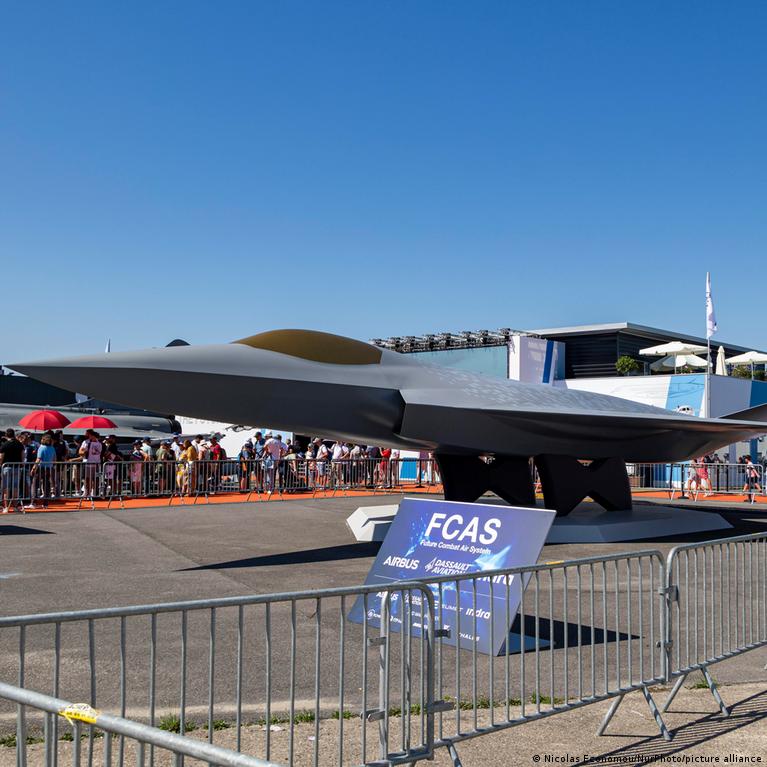
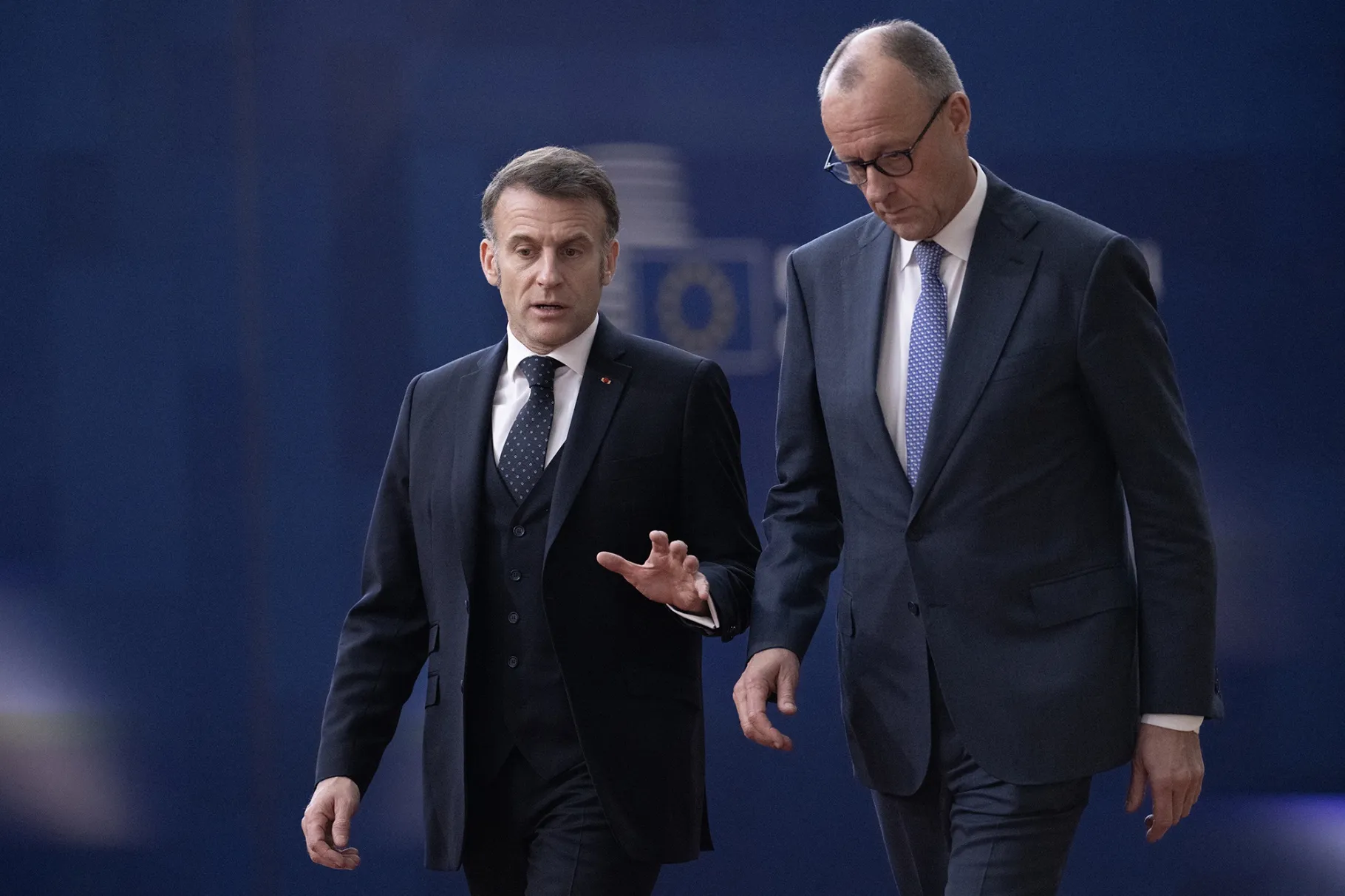
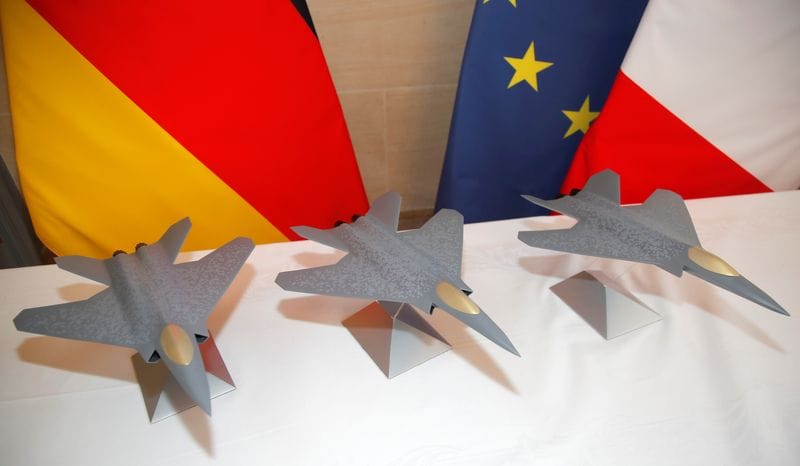
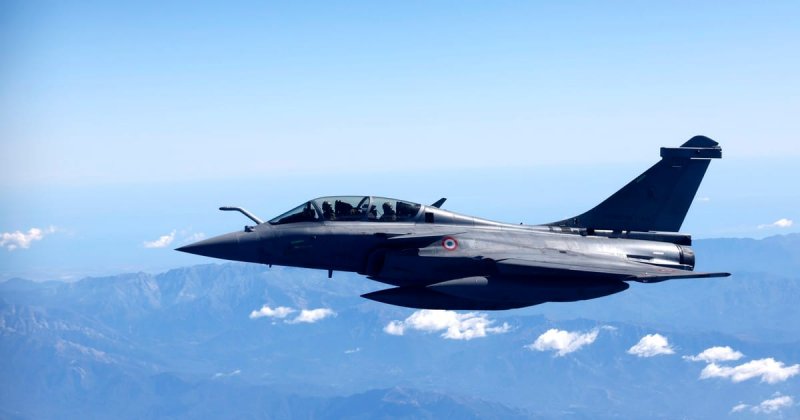
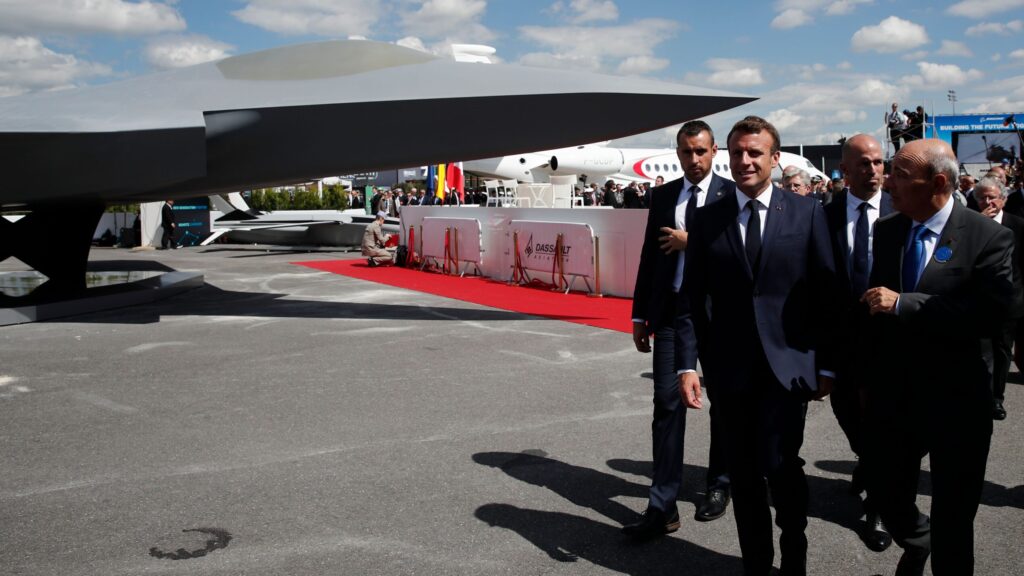
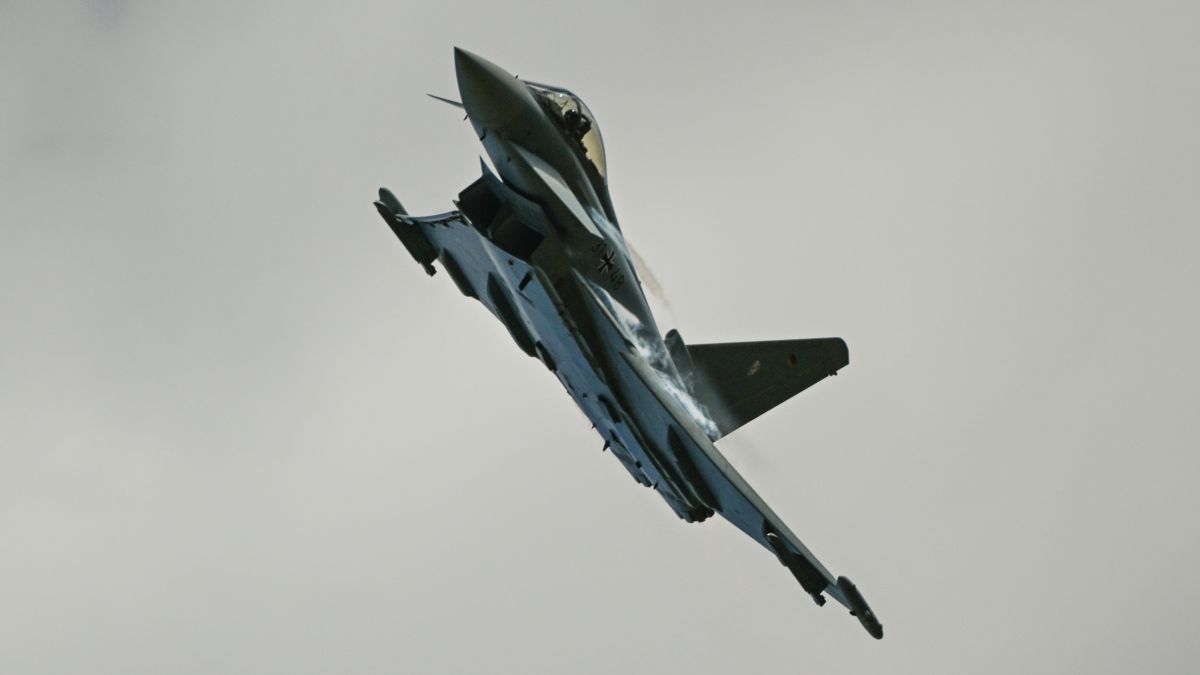
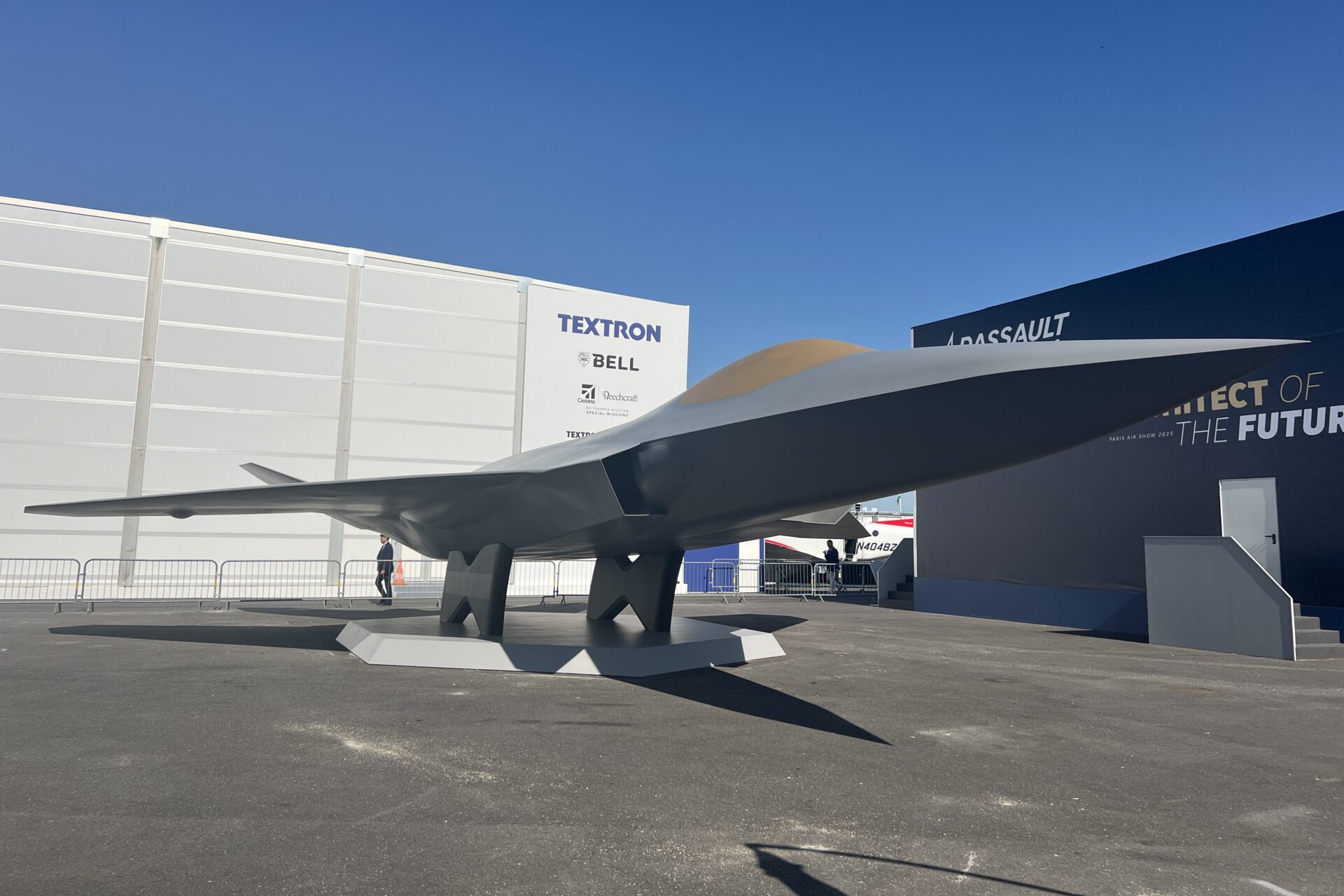
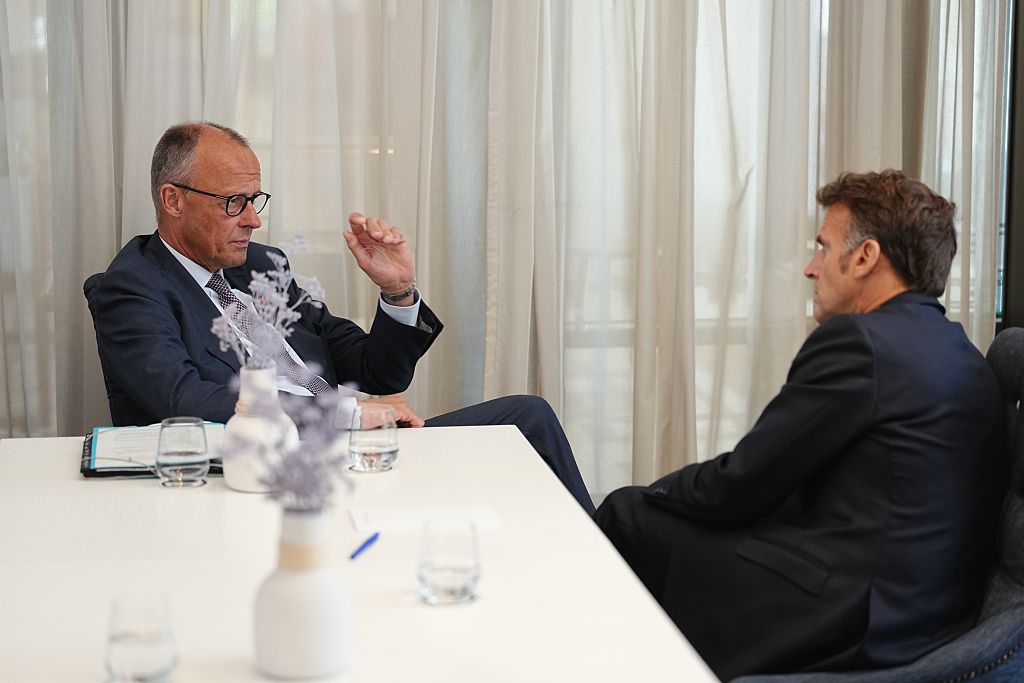
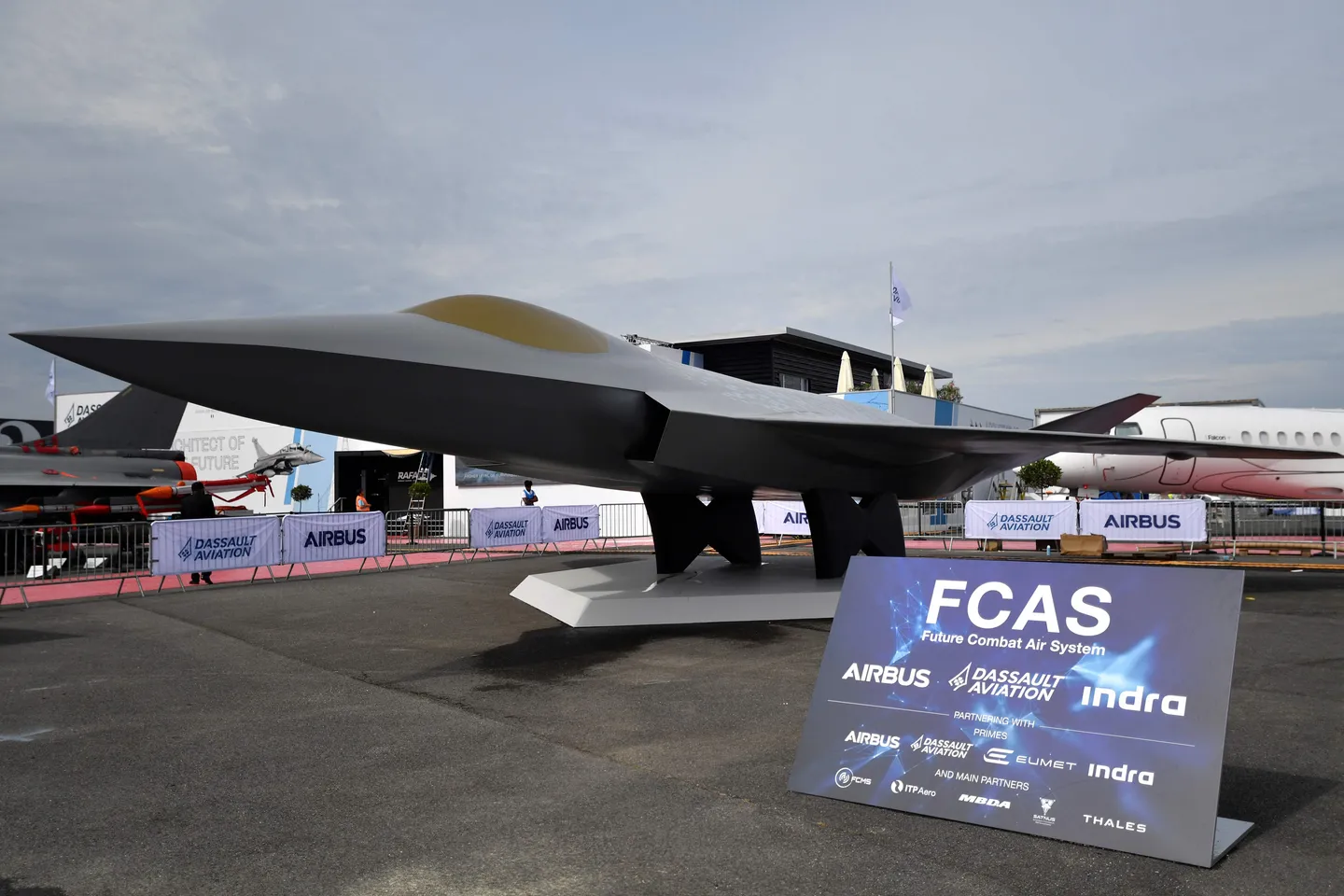
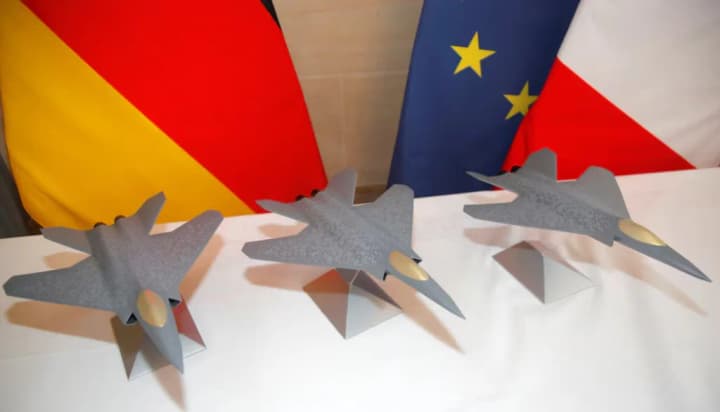
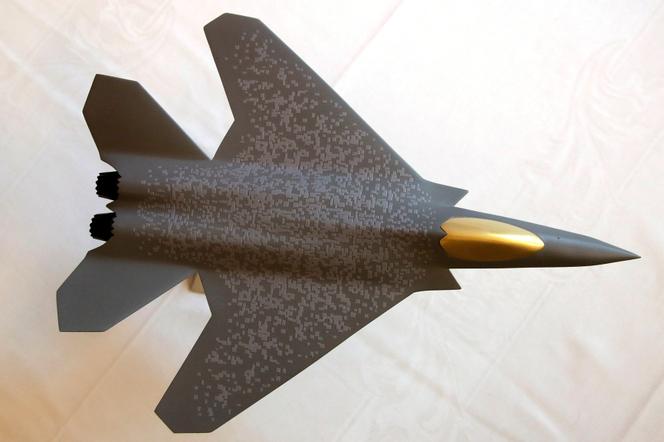
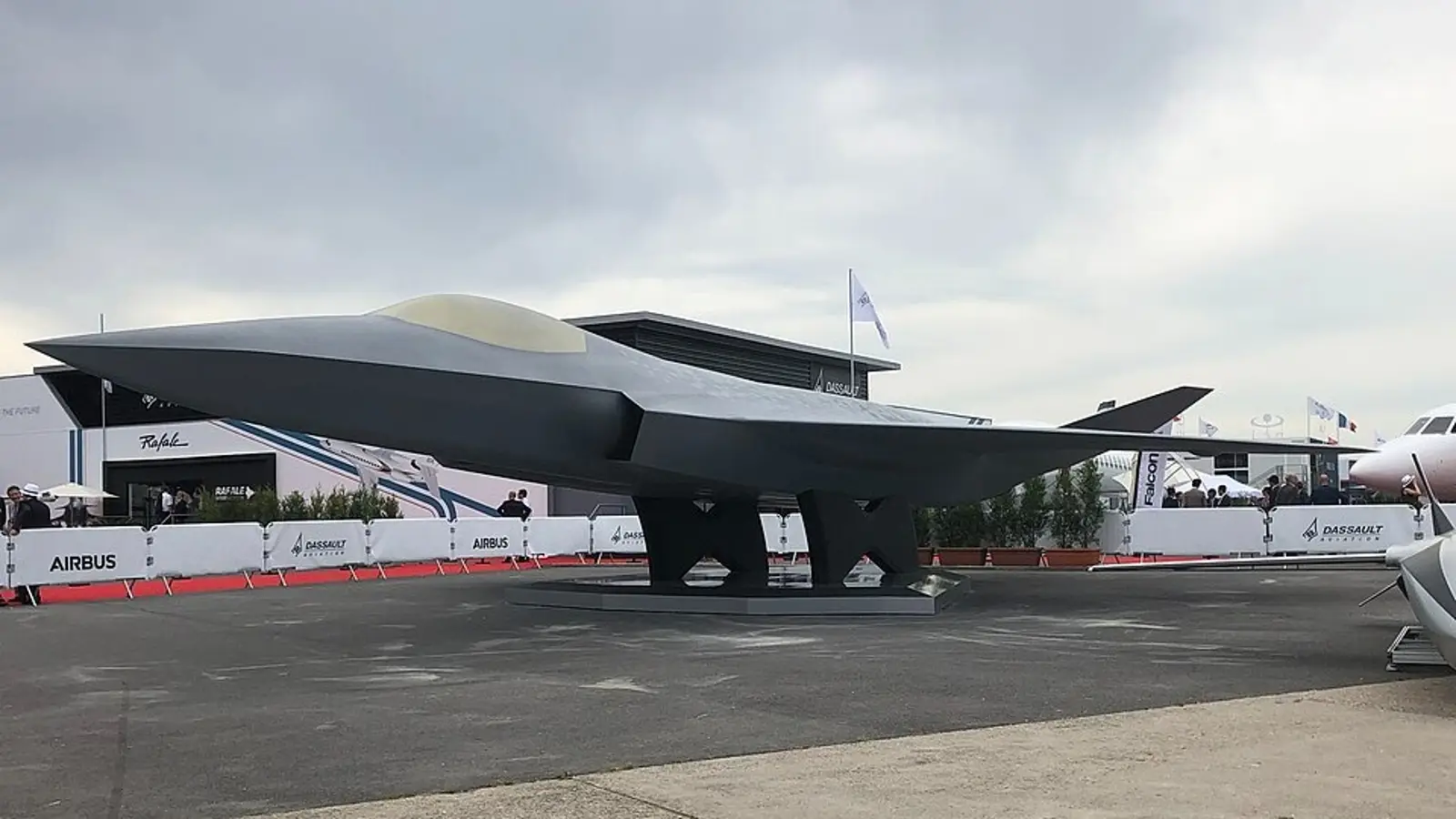
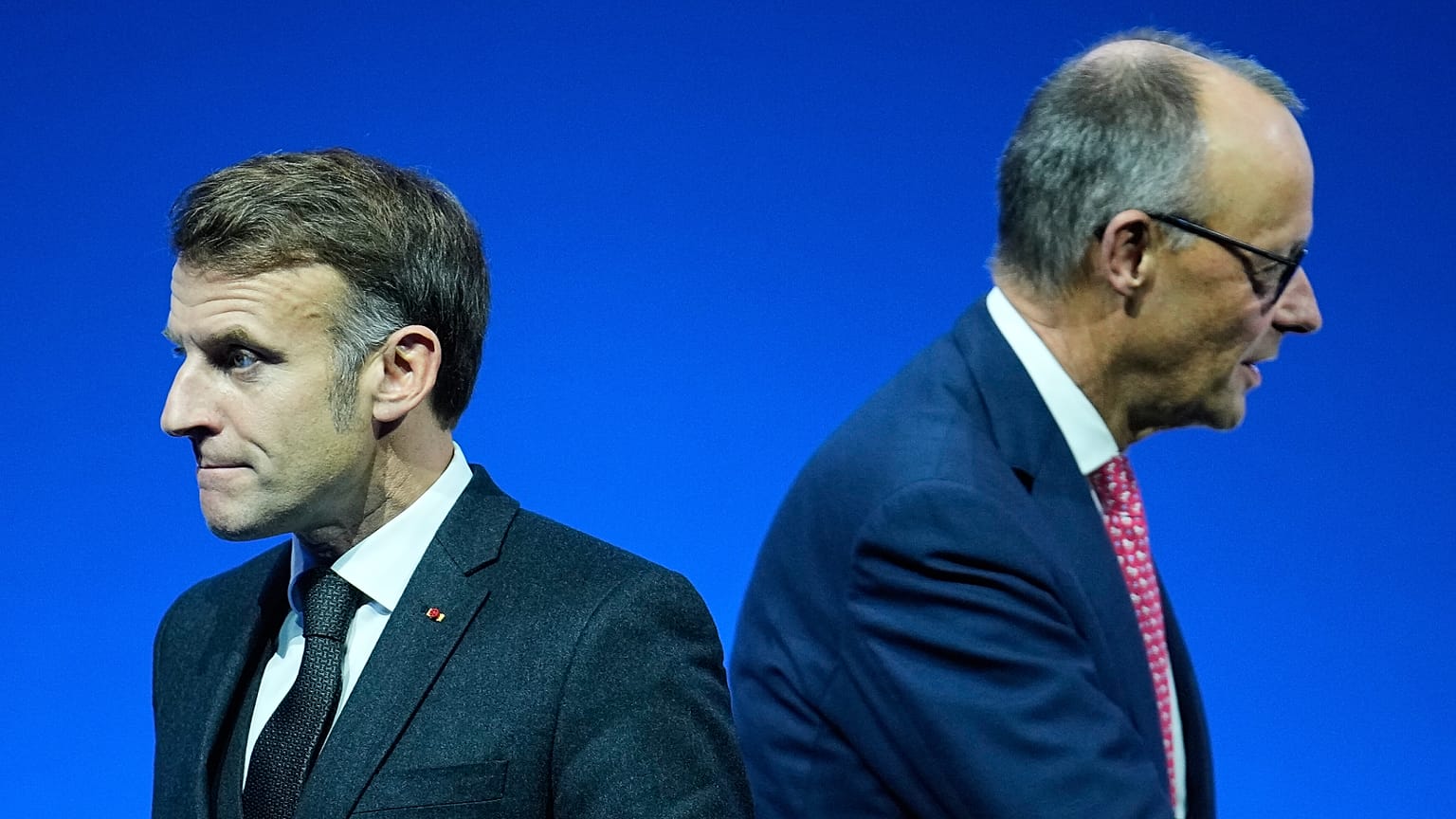
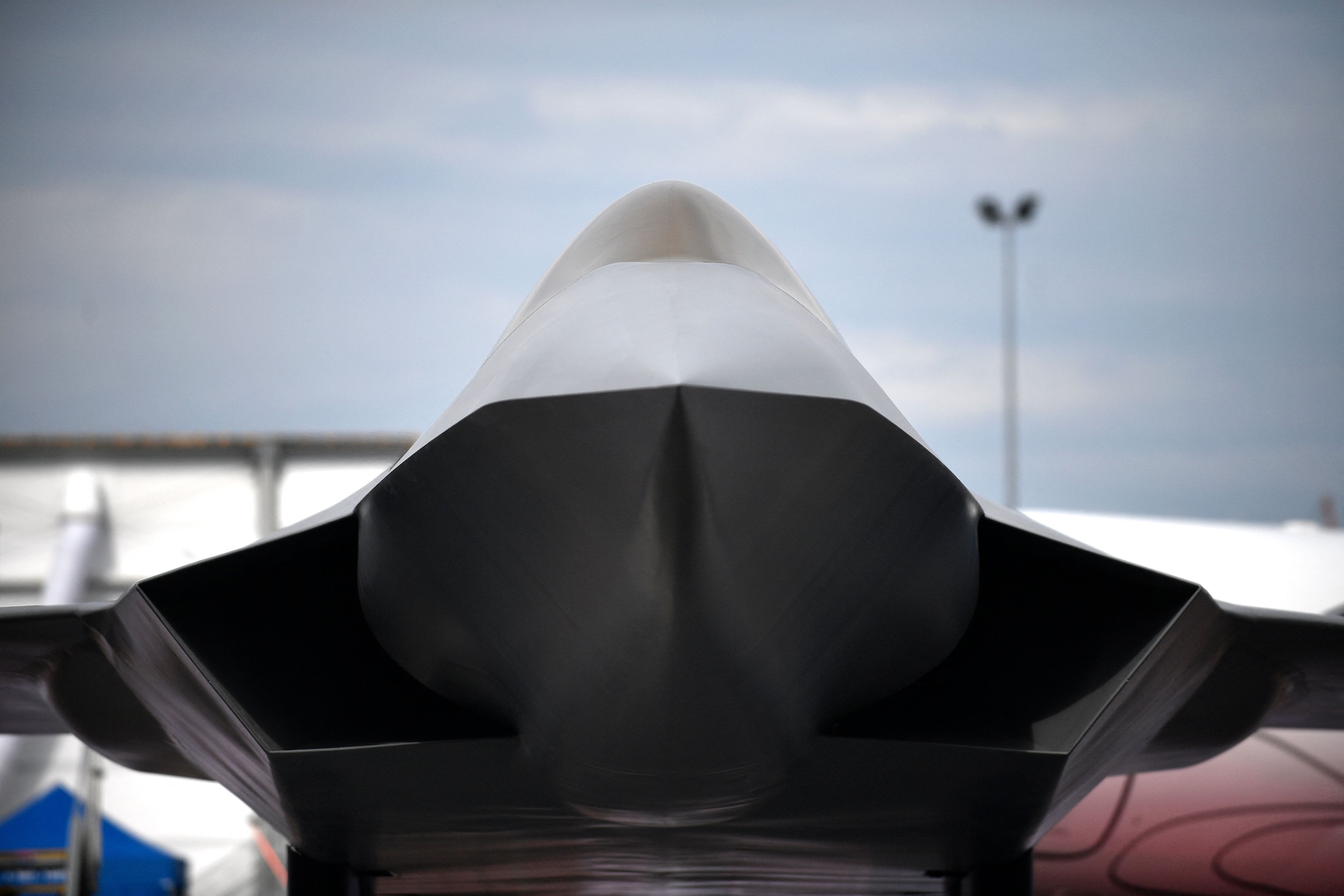
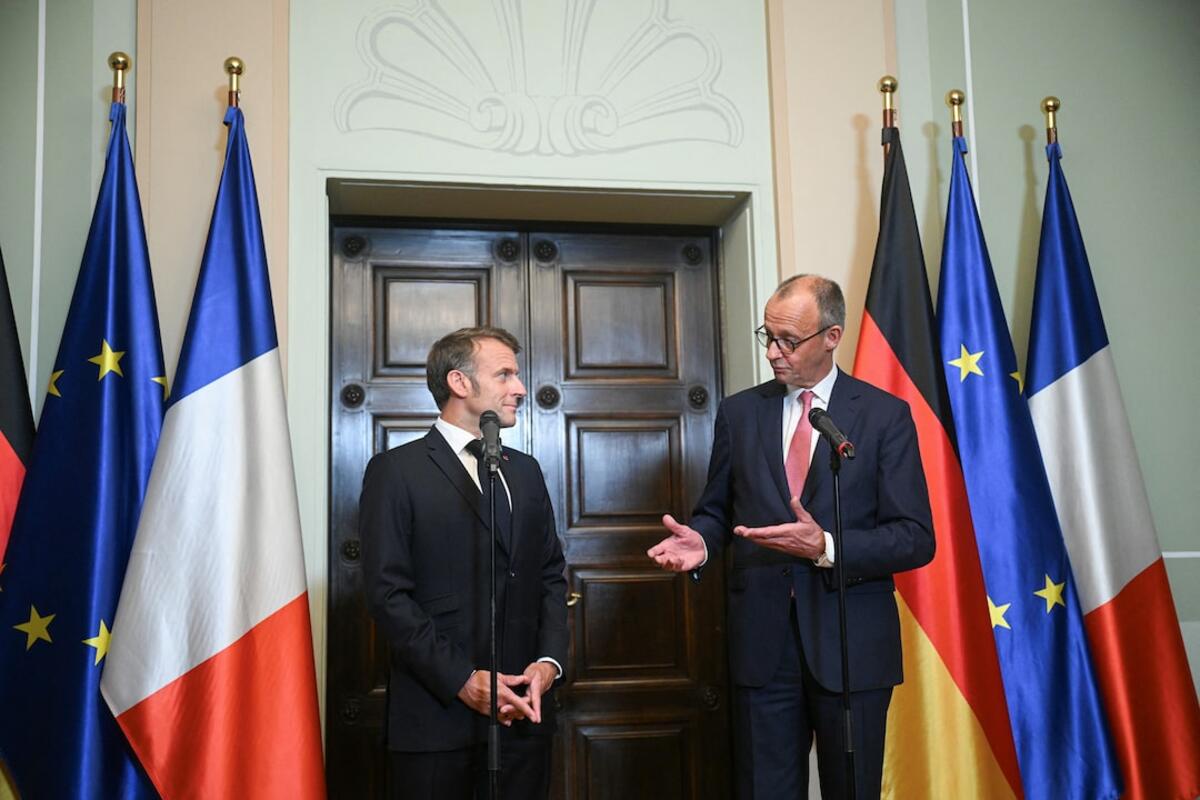
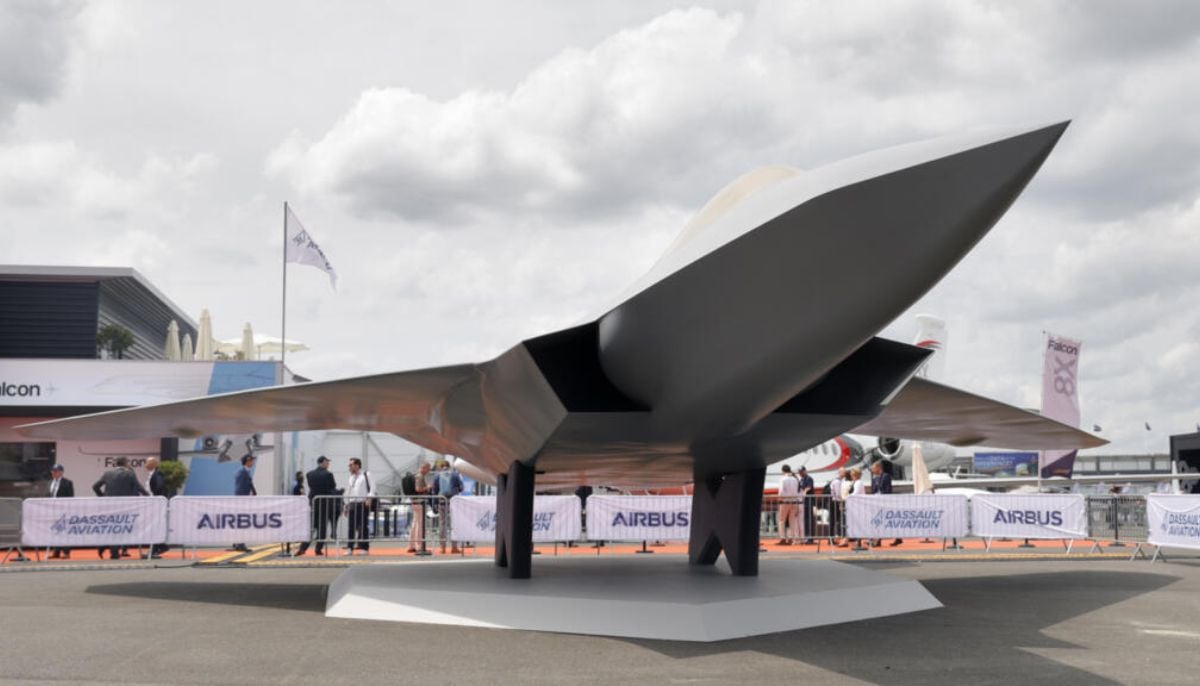
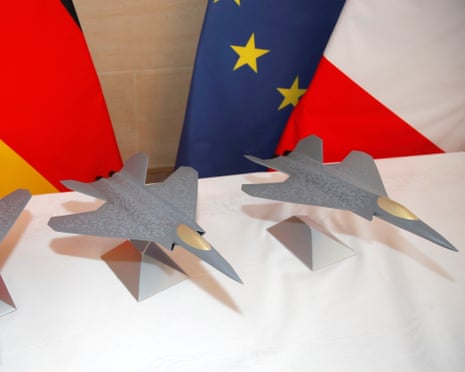
The June 8, 2026 collapse of the Future Combat Air System (FCAS) project—a €100+ billion Franco-German defense initiative—represents a watershed moment in European defense procurement strategy with significant implications for cross-border suppliers, logistics providers, and B2B e-commerce platforms serving the aerospace and defense sectors. The project's termination, announced by German Chancellor Friedrich Merz and French President Emmanuel Macron following the EU-Western Balkans summit in Montenegro, stems from irreconcilable governance disputes between Dassault Aviation (France) and Airbus Defence and Space (Germany/Spain) over intellectual property control, development phase leadership, and aircraft specifications. The core disagreement centered on whether Dassault would lead with Airbus as subcontractor versus maintaining equal partnership—a structural conflict that mirrors broader European defense collaboration failures affecting maritime patrol aircraft, next-generation tank systems, and artillery platforms.
For B2B suppliers and defense logistics providers, this collapse creates a critical 18-24 month procurement window. Germany's €10+ billion annual defense spending, previously allocated to FCAS development, will now redirect toward independent national programs and alternative multinational partnerships. News 3 explicitly identifies this impact: "For defense-sector suppliers and logistics providers supporting European military procurement, this signals potential contract cancellations and supply chain disruptions." The IG Metall union's support for the decision (News 2) indicates German government prioritization of domestic aerospace hub consolidation, suggesting increased procurement from German-based suppliers and logistics providers. Simultaneously, the project's failure strengthens competing programs—particularly the Global Combat Air Programme led by Italy, Japan, and the United Kingdom, which Germany may now join. This geopolitical shift creates tariff arbitrage opportunities: suppliers currently serving Franco-German contracts can pivot to UK-Japan-Italy supply chains, potentially accessing preferential trade terms under post-Brexit arrangements and CPTPP frameworks.
The strategic sourcing implication is profound. The €100B reallocation signals European nations will pursue "realistic, relevant projects" with clearer governance structures (News 1), meaning future defense procurement will favor modular, component-based systems over integrated platforms. This benefits specialized suppliers in electronics, composite materials, and sensor systems who can serve multiple national programs simultaneously—a shift from the previous monolithic FCAS approach. Defense contractors supporting Airbus and Dassault face 15-30% budget compression in 2026-2027, creating acquisition opportunities for mid-market suppliers to consolidate market share. Additionally, the project's failure to achieve Franco-German consensus signals weakening European defense integration, increasing likelihood of unilateral national procurement—a competitive advantage for suppliers with established relationships in UK, Poland, and Nordic defense ecosystems. The 3-year "life support" period (News 2) indicates procurement delays already embedded in supply chains; suppliers should expect 6-9 month contract renegotiations and potential 10-15% price reductions as defense budgets shift toward proven systems rather than developmental programs.
Questions 7
What supply chain consolidation opportunities emerge from FCAS contractor job losses?
News 3 identifies 'thousands of jobs across Airbus, Dassault, and supporting contractors' facing elimination. This creates acquisition opportunities for mid-market suppliers to consolidate market share and acquire specialized talent/capabilities from distressed contractors. Historical precedent: similar defense program failures (Eurofighter program delays in 1980s) led to 30-40% consolidation among second-tier suppliers. Expect 12-18 month window for strategic acquisitions before contractors stabilize. Suppliers should identify acquisition targets among Airbus/Dassault subcontractors facing 20-30% revenue compression. Additionally, the shift toward modular systems creates opportunities for specialized suppliers to expand market share by serving multiple national programs simultaneously—a capability advantage over integrated contractors.
How should B2B suppliers assess risk from broader European defense collaboration failures?
The FCAS collapse reflects systemic European defense integration challenges: 'This failure reflects broader challenges in European multinational defense programs, including stalled maritime patrol aircraft, next-generation tank, and artillery system initiatives' (News 1). This signals increasing likelihood of unilateral national procurement strategies, reducing opportunities for pan-European suppliers. Suppliers should diversify across multiple national programs rather than betting on integrated European initiatives. Risk assessment should include: (1) governance structure clarity in future contracts, (2) IP control frameworks, (3) national procurement preference policies. The IG Metall union's support for FCAS termination indicates German government will prioritize domestic suppliers, creating competitive disadvantage for non-German European suppliers. Suppliers outside Germany should accelerate UK-Italy-Japan market entry strategies.