


Semiconductor Supply Stabilization Signals Lower Hardware Costs for E-Commerce Sellers in Q2-Q3 2026
- Memory chip sector rebounds 3-8% as production capacity constraints ease; DRAM prices projected to rise 58-63% but supply reliability improves for electronics sellers







Overview
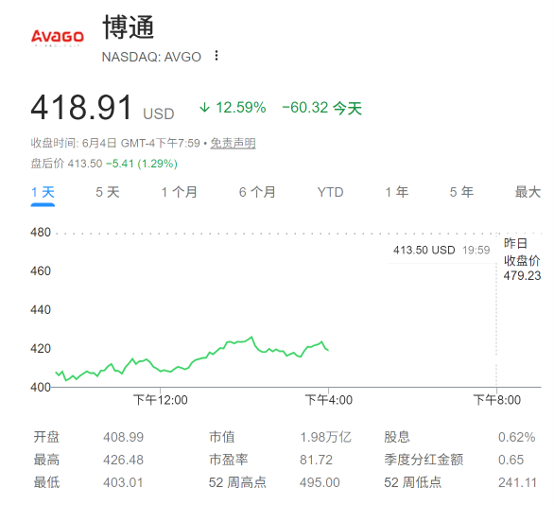
The semiconductor sector experienced significant volatility in early June 2026, with Micron Technology stock surging 6.9% in pre-market trading on June 9 after a 13% decline triggered by Broadcom's cautious AI guidance and stronger-than-expected May employment data (172,000 jobs added). The recovery reflects a critical inflection point in memory chip supply dynamics: NVIDIA and SK Hynix announced a multi-year strategic partnership on June 7 to jointly develop next-generation AI memory products, while Micron secured HBM4 supplier certification for NVIDIA's Vera-Rubin platform with long-term contracts through fiscal 2026. Industry leader Elon Musk emphasized that the real bottleneck in semiconductors lies in manufacturing capacity rather than demand, with Micron's production significantly below actual chip demand levels.
For cross-border e-commerce sellers, this development carries direct operational implications across three dimensions. First, supply chain stabilization: The sector-wide rebound (Micron +8%, SanDisk +4%, Western Digital +3%, Seagate +3%) signals easing of chip constraints that have pressured manufacturing and logistics costs. Sellers dependent on tech infrastructure—particularly those sourcing computing devices, storage solutions, and AI-enabled inventory management systems—face improved component availability through H2 2026. Second, pricing dynamics: Industry forecasts project DRAM prices will rise 58-63% in Q2 2026, but this reflects structural demand tailwinds rather than supply shocks. Competitive positioning between Micron and SK Hynix benefits buyers through improved pricing and supply reliability, as both manufacturers compete intensely for NVIDIA orders. Third, macroeconomic headwinds: The S&P 500 declined 4.2% and NASDAQ dropped 2.6% on Friday following employment data that raised Federal Reserve rate hike probability. This creates uncertainty for sellers' financing costs and consumer spending patterns, though semiconductor fundamentals remain constructive.
The competitive dynamics reveal a diversified supplier strategy: NVIDIA maintains relationships with both SK Hynix and Micron, reducing single-source dependency risks. This mirrors broader e-commerce supply chain resilience—sellers benefit when major infrastructure providers distribute orders across multiple manufacturers. The recovery from Friday's oversold technical setup, combined with renewed sector sentiment from the NVIDIA-SK Hynix partnership, suggests the June 24 Micron earnings report (guiding for record $33.5 billion revenue) will likely reinforce positive momentum. However, geopolitical tensions (US-Iran developments noted in coverage) and Federal Reserve policy uncertainty remain headwinds for sustained technology sector recovery through Q3 2026.
Questions 8
How does Elon Musk's capacity bottleneck commentary affect seller sourcing decisions?
Musk's statement that manufacturing capacity—not demand—is the real bottleneck validates the structural supply constraint narrative. This suggests capacity expansion will gradually ease pricing pressure through H2 2026, supporting seller planning. However, it also indicates near-term supply remains tight, making long-term contracts essential. Sellers should prioritize securing allocation agreements with Micron and competitors before Q3 2026 when capacity constraints may tighten further due to AI infrastructure buildout. The commentary supports confidence in semiconductor fundamentals despite macro volatility, justifying hardware infrastructure investments.
What geopolitical risks could disrupt semiconductor supply for e-commerce sellers?
The news coverage mentions US-Iran geopolitical tensions as a headwind for technology sector recovery. Semiconductor manufacturing concentrates in Taiwan, South Korea, and the US, creating geopolitical exposure. Sellers should monitor US-China trade policy, Taiwan strait tensions, and sanctions developments that could disrupt supply chains. Diversifying sourcing across multiple manufacturers (Micron, SK Hynix, Western Digital) and geographic regions reduces concentration risk. Consider supply chain insurance for critical components and maintain 8-12 weeks of strategic inventory for mission-critical hardware through 2026.