






US Government AI Equity Stakes | Unprecedented Tech Policy Shift Reshapes Seller Compliance & Platform Strategy
- Government acquisition of AI company equity stakes signals regulatory uncertainty for e-commerce platforms; sellers face potential operational changes, compliance costs, and platform policy shifts within 1-6 months








Overview
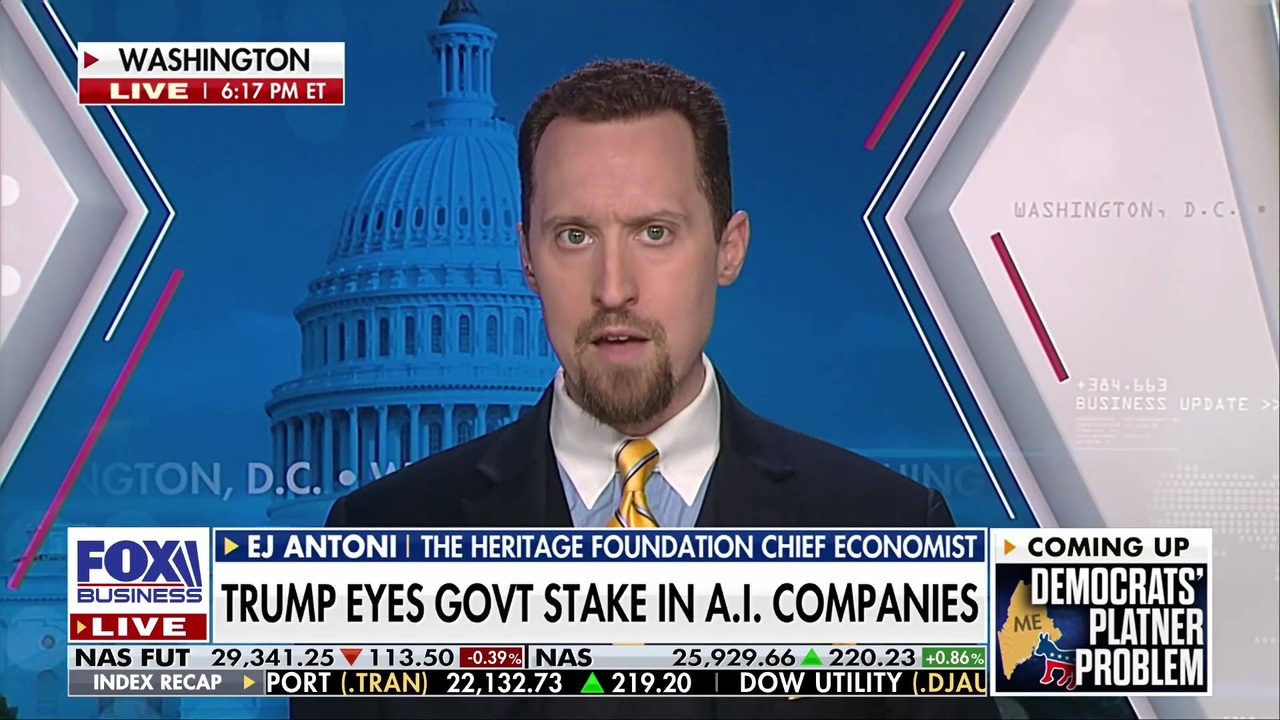
The Trump administration's proposal to acquire equity stakes in major AI companies (OpenAI, Anthropic, Google) represents an unprecedented federal intervention in the private tech sector, with direct implications for e-commerce sellers and platform operations. Announced Friday via Air Force One comments, the initiative caught major AI firms by surprise—companies learned of the proposal through media reports rather than formal White House communication. The equity acquisition plan, potentially costing affected companies billions of dollars, marks a significant policy reversal from the administration's previous stance of minimizing AI regulatory barriers to maintain competitive advantage over China.
For e-commerce sellers, this policy shift creates immediate operational uncertainty across multiple dimensions. Amazon, Google Shopping, and other AI-dependent platforms rely heavily on machine learning algorithms for product recommendations, search ranking, pricing optimization, and fraud detection. Government equity stakes could introduce regulatory oversight into these core platform functions, potentially requiring sellers to comply with new transparency requirements around algorithmic decision-making. The proposal also signals Washington's growing concern about wealth concentration in tech—mirroring Senator Bernie Sanders' proposal for a 50% one-time tax on top AI companies' stock with government voting shares. This ideological convergence suggests future regulations may impose compliance costs on sellers using AI-powered tools for inventory management, dynamic pricing, and customer targeting.
The timeline and implementation uncertainty create strategic challenges for sellers. As of the reporting date, the White House had provided no formal meeting details, timing, or location—indicating this remains a proposal rather than imminent policy. However, the precedent of Trump's 10% Intel equity stake demonstrates his willingness to execute such arrangements. Sellers should monitor three critical areas: (1) Platform policy changes if government gains oversight authority, (2) Compliance costs if new AI transparency requirements emerge, (3) Competitive dynamics if government ownership accelerates "corporate-government fusion" concerns, potentially favoring certain seller segments over others. The logistics and regulatory dependence of AI companies on federal support means they face practical constraints in opposing the initiative, reducing likelihood of successful legal challenges.
Strategic implications for cross-border sellers are particularly significant. If government equity stakes lead to stricter AI algorithm oversight, sellers relying on automated tools for international market expansion, currency optimization, and localization may face new compliance burdens. The policy also reflects broader protectionist sentiment—maintaining "competitive advantage over China" suggests future regulations may favor US-based sellers or restrict certain sourcing practices. Sellers should prepare contingency plans for potential platform policy changes while monitoring White House announcements for formal meeting scheduling and equity stake terms.
Questions 7
How does the 50% AI company tax proposal affect seller costs?
Senator Bernie Sanders proposed a 50% one-time tax on top AI companies' stock, with government voting shares and board representation. If implemented alongside equity stakes, this could increase operational costs for platforms dependent on AI. These costs may be passed to sellers through higher fees, reduced algorithm visibility, or mandatory compliance investments. The news reports OpenAI CEO Sam Altman met with Sanders to discuss the plan, indicating serious consideration. While not yet law, sellers should model potential fee increases of 5-15% if platforms absorb tax costs. Monitor platform fee announcements quarterly and maintain 3-6 months of operating capital reserves to absorb potential cost increases.
Which e-commerce categories face the highest compliance risk from AI regulation?
Categories relying heavily on AI-driven recommendations and dynamic pricing face the greatest risk: electronics (Amazon's largest category), apparel (algorithmic sizing and trend prediction), and home goods (personalized recommendations). Sellers using AI tools for inventory optimization, demand forecasting, or automated pricing may face new compliance requirements if government oversight expands. The news indicates government concern about 'wealth concentration' in tech profits, suggesting regulations may target high-margin AI-dependent categories. Sellers in these categories should audit their AI tool dependencies and prepare alternative manual processes. Consider reducing reliance on proprietary platform algorithms by investing in first-party customer data and email marketing.