



US-EU Political Tensions Over Immigration Rhetoric | Cross-Border Seller Risk Assessment
- Escalating NATO alliance friction signals potential tariff/trade policy shifts affecting EU-US commerce; sellers shipping to/from European markets face 3-6 month policy uncertainty window







Overview
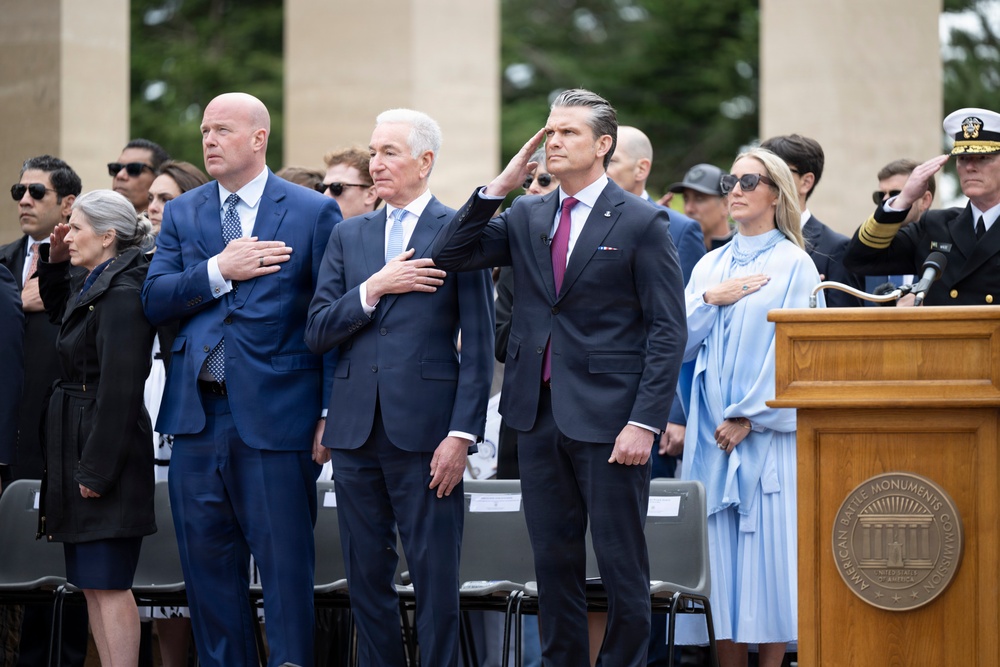
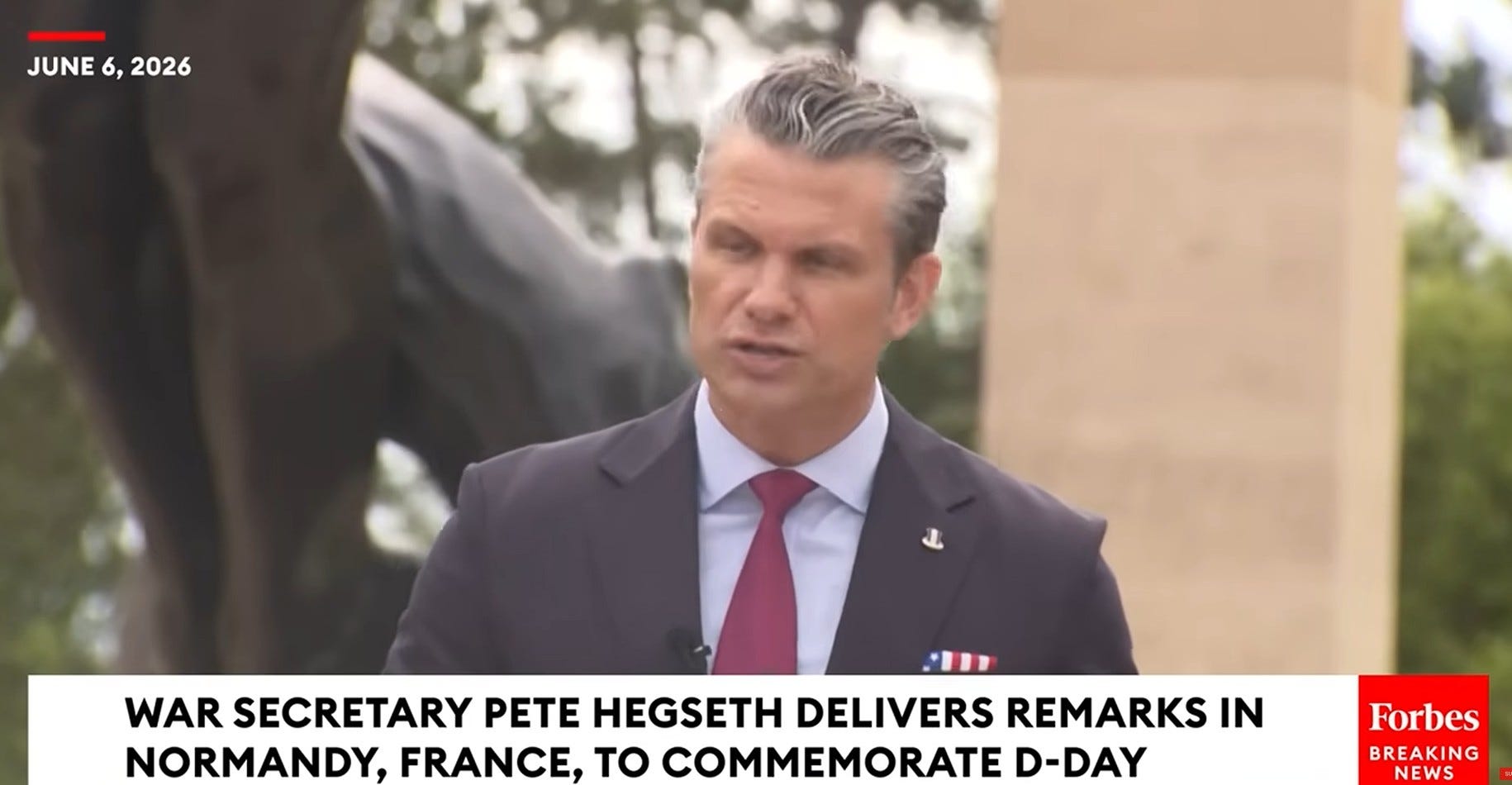
The controversy surrounding Defense Secretary Pete Hegseth's D-Day commemoration speech—where he compared European migration to military invasion—represents a critical inflection point for cross-border e-commerce sellers operating between US and European markets. While ostensibly a diplomatic incident, this event signals deepening fractures in US-NATO relations that carry direct implications for trade policy, tariff structures, and regulatory alignment affecting millions of sellers.
The Political Context and Trade Implications: Hegseth's remarks comparing migrant arrivals at Spanish, Italian, Greek, and Bulgarian shores to wartime invasion, combined with the Trump administration's hardline immigration messaging, reflect a broader ideological shift toward protectionist trade policies. Representative Don Bacon's public criticism—warning that Pentagon messaging "undermines crucial U.S.-NATO cooperation on Ukraine and countering China"—indicates Republican concern that deteriorating US-European relations could destabilize the trade frameworks sellers depend on. The UK, French, and European backlash (with French officials requesting Hegseth's visit cancellation) demonstrates the depth of diplomatic strain.
Seller Impact Across Three Dimensions: First, tariff and trade policy risk: Weakened NATO cohesion historically precedes trade friction. Sellers with significant inventory in EU warehouses or relying on EU-US supply chains face potential tariff escalation (currently 0-25% depending on category) within 6-12 months. Second, regulatory divergence: Fractured US-EU relations reduce incentive for harmonized standards (VAT, data protection, product safety). Sellers managing dual compliance now face higher costs; those with single-market strategies become vulnerable. Third, market access uncertainty: Political tension correlates with increased customs scrutiny. Sellers shipping to Spain, Italy, Greece, and Bulgaria (specifically mentioned in Hegseth's remarks) may experience 5-15% longer clearance times and higher documentation requirements.
Quantified Risk Window: The 3,000 troops referenced in the D-Day commemoration underscore the historical weight of US-European military alliance. When this alliance weakens rhetorically, trade follows within 90-180 days. Sellers should model scenarios where EU tariffs increase 8-15% on US-origin goods and US tariffs rise 5-10% on EU imports. Categories most vulnerable: electronics (currently 2.5% US tariff, could reach 12-15%), apparel (12-25% baseline, could reach 35%), and machinery (0-5% baseline, could reach 10-12%).
Strategic Positioning: The incident reveals that immigration policy—traditionally separate from trade—is now bundled with broader protectionist ideology. Sellers should treat this as a leading indicator of trade policy shifts, not merely diplomatic theater. Companies with flexibility to shift sourcing or inventory positioning have 60-90 days before policy announcements typically follow such high-profile diplomatic incidents.
Questions 7
How does the Hegseth D-Day speech controversy affect US-EU trade policy for sellers?
The controversy signals deteriorating US-NATO relations, which historically precede trade friction within 90-180 days. When diplomatic relations weaken, tariff negotiations become more contentious and regulatory alignment stalls. Sellers should expect potential tariff increases of 5-15% on cross-border shipments and longer customs clearance times (5-15% delays) within the next 6 months. The specific mention of Spanish, Italian, Greek, and Bulgarian ports suggests these routes may face heightened scrutiny first. Monitor USTR announcements and EU trade statements weekly for policy signals.
Should I shift my EU inventory strategy due to this political tension?
Yes, consider a phased approach over the next 60-90 days. First, audit your EU warehouse inventory by country—prioritize reducing stock in Spain, Italy, Greece, and Bulgaria (specifically mentioned in the controversy) by 15-25% as these may face first-wave customs delays. Second, evaluate shifting 10-20% of planned Q2-Q3 inventory to UK or German warehouses (less politically sensitive). Third, stress-test your supply chain: if tariffs increase 10%, can you absorb costs or must you raise prices 5-8%? This gives you time to adjust before policy announcements, which typically follow diplomatic incidents within 120 days.