



Siri AI Voice Commerce Revolution | Sellers Must Optimize for Apple's 2.5B Device Ecosystem
- Apple's Gemini-powered Siri AI launches June 2026 across iOS 27, macOS, watchOS; 1B+ iPhone users gain voice shopping capabilities; sellers need voice-optimized listings and AI customer service automation NOW

















Overview
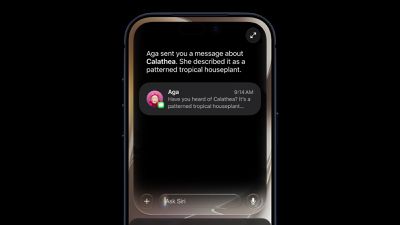
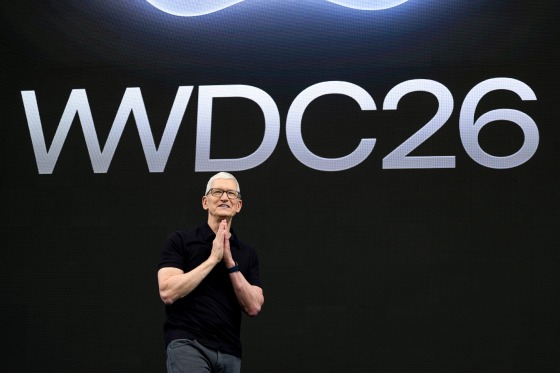
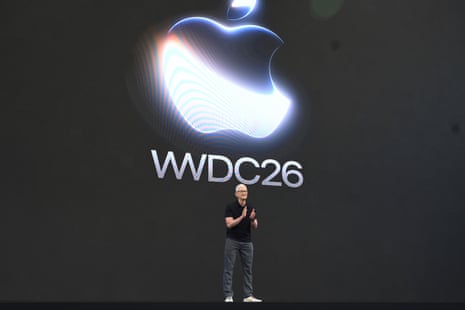
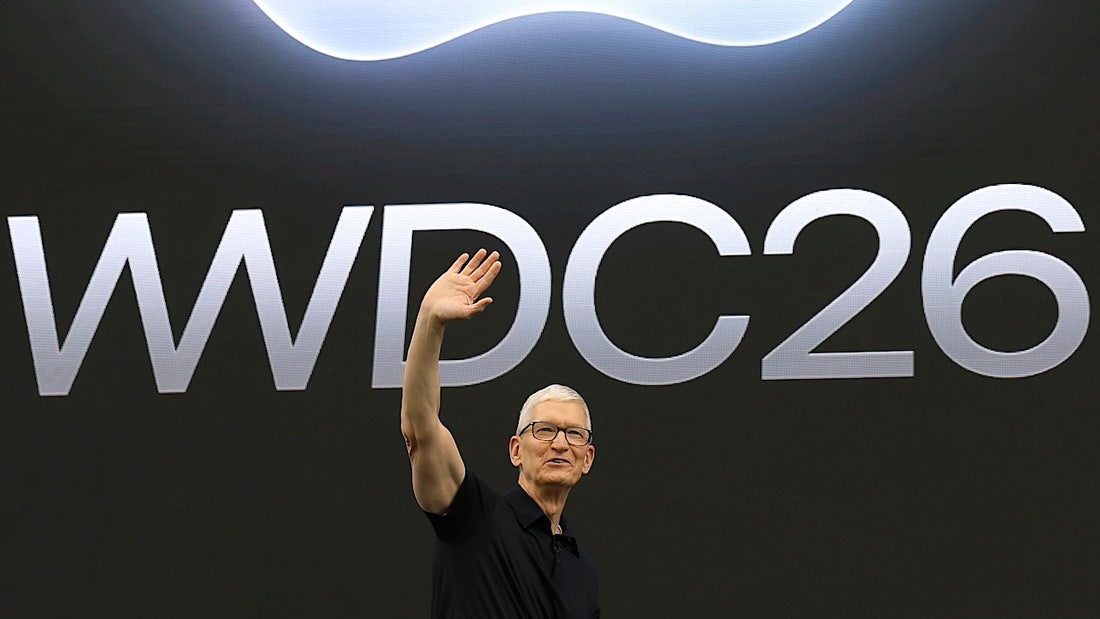
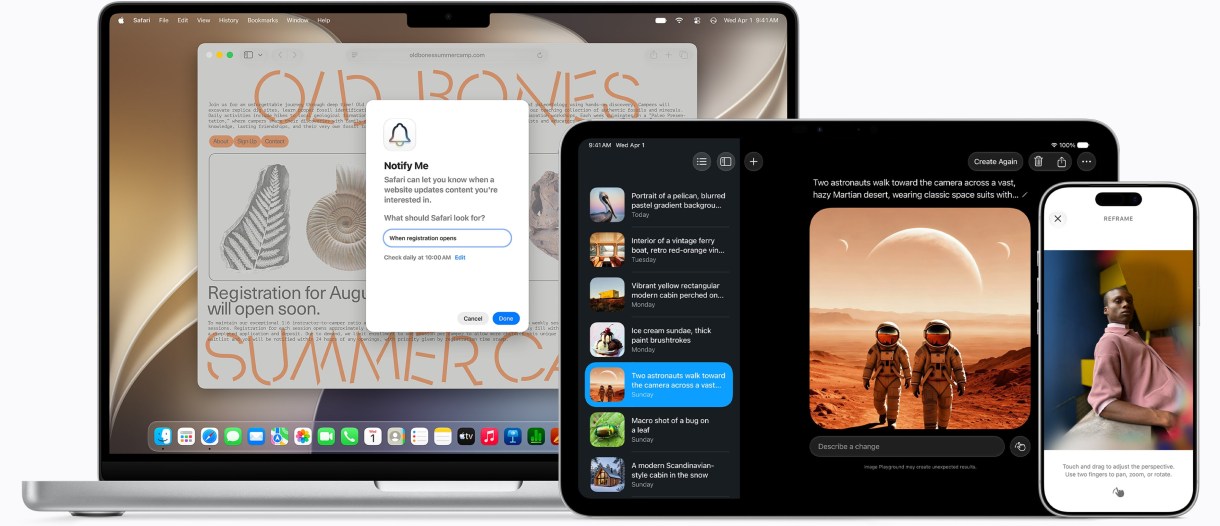
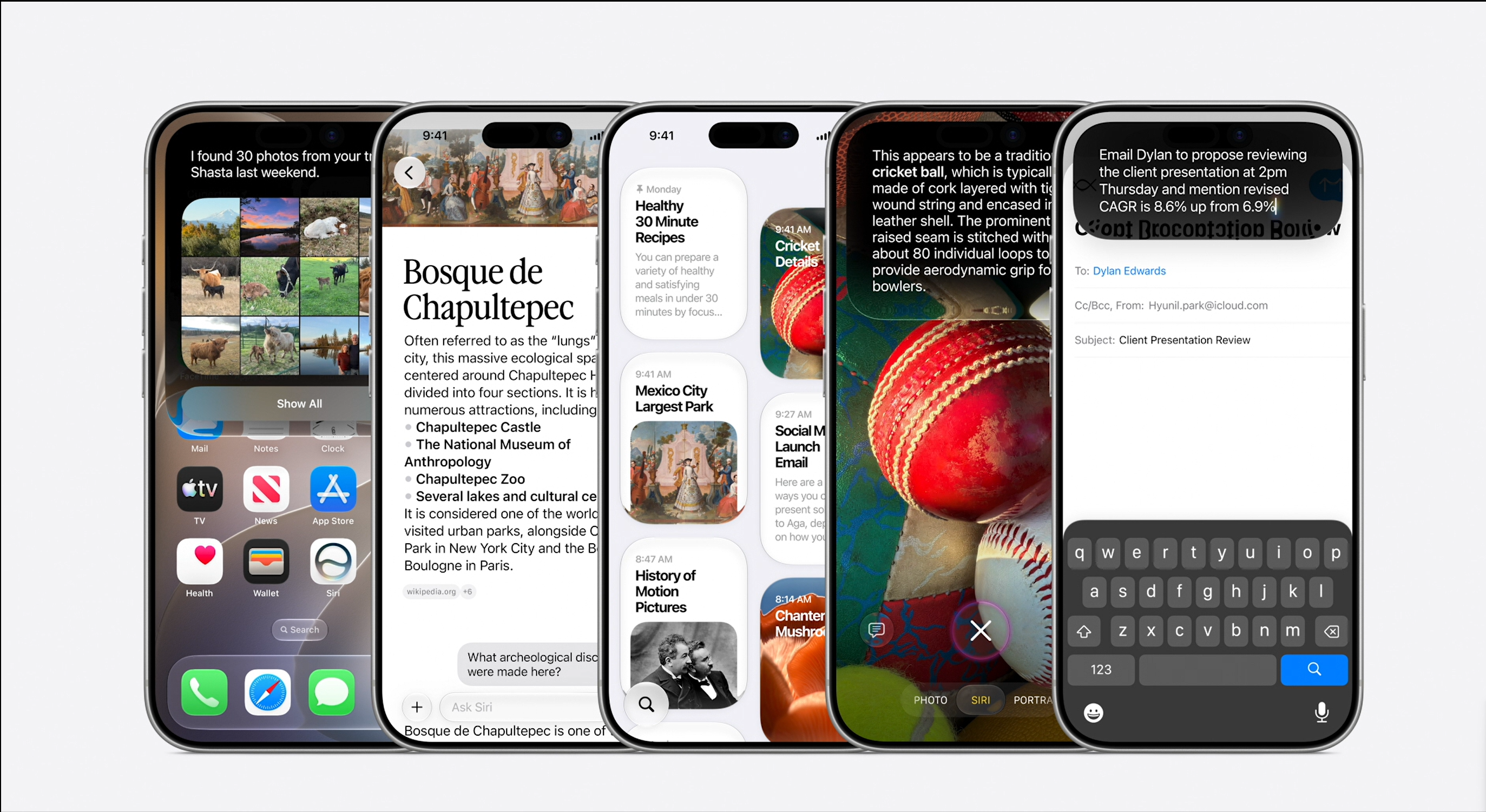
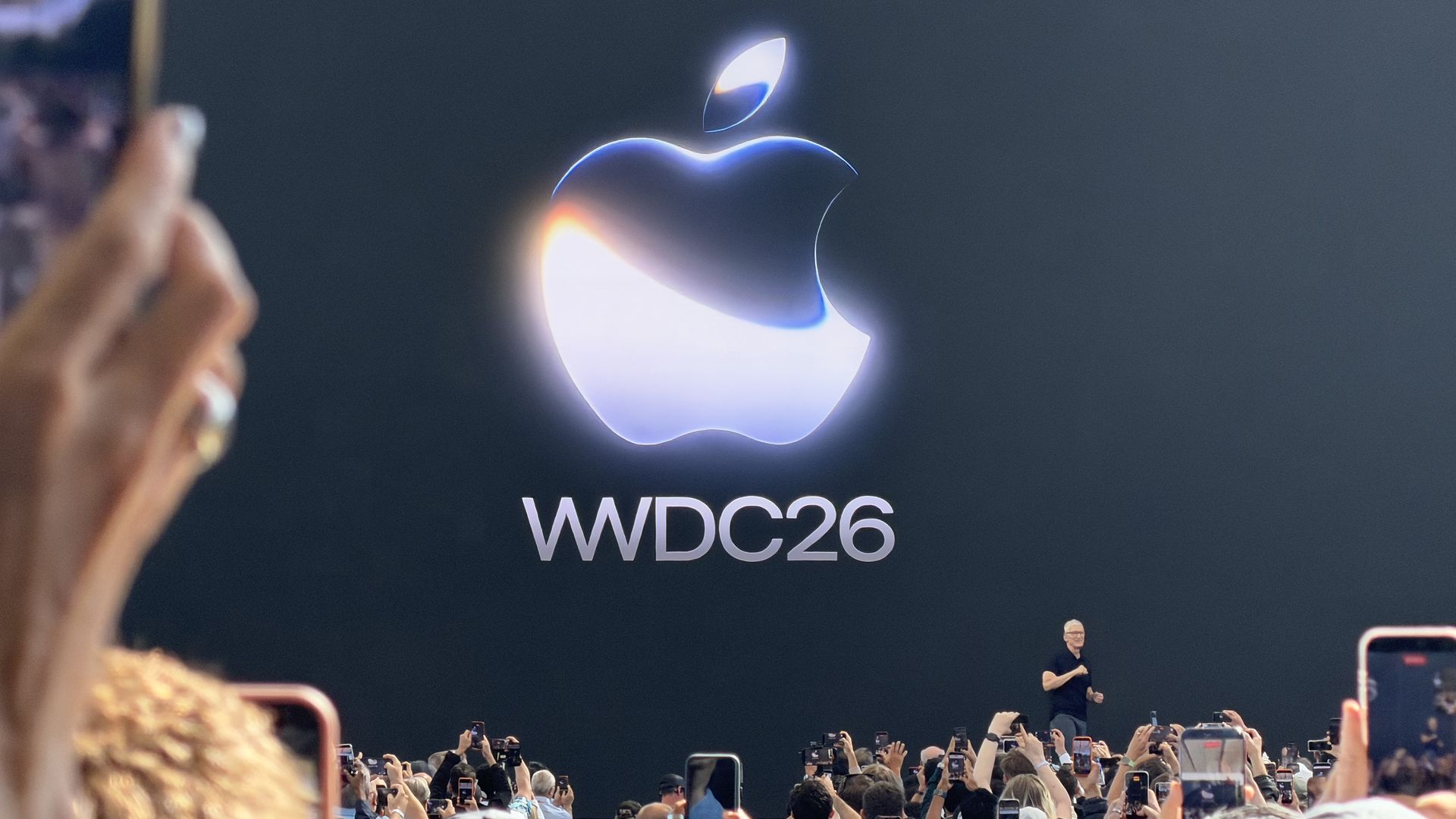
Apple's June 8, 2026 unveiling of Siri AI powered by Google's Gemini models represents a watershed moment for voice commerce automation in e-commerce. The redesigned assistant—available across iOS 27, macOS Golden Gate, watchOS, visionOS, and CarPlay—enables conversational shopping tasks including event planning, bill calculation via camera analysis, and real-time product recommendations across Apple's 2.5 billion active devices globally. Currently, only iPhone 15 Pro and later models support Apple Intelligence, leaving approximately 1 billion iPhones without access, but this creates a massive upgrade cycle opportunity through 2026-2027.
For e-commerce sellers, this development unlocks three immediate automation opportunities: First, voice-activated purchasing through Siri's conversational interface means sellers must optimize product listings for natural language queries—not keyword stuffing. Siri AI can now analyze on-screen product images, answer questions about specifications, and complete transactions via voice commands. Sellers using tools like Helium 10, Jungle Scout, or Keepa should immediately audit listings for voice-search compatibility, focusing on long-tail conversational phrases ("What's the best budget laptop under $500?") rather than traditional keyword density. Second, AI-powered customer service automation becomes critical. Siri AI's ability to search across user applications and access real-time web information means customers will increasingly expect sellers' chatbots to match this capability. Sellers should implement ChatGPT-4 powered customer service bots (via Shopify, Amazon Seller Central integrations, or third-party tools like Gorgias) to handle product inquiries, returns, and recommendations—saving 15-20 hours/week in manual customer support. Third, personalized recommendation engines powered by Siri's device context understanding create competitive advantage. Sellers integrating with Apple's ecosystem through Apple Pay, Apple Maps integration for local pickup, and Messages commerce can capture impulse purchases from users asking Siri for product suggestions based on their photos, location, or browsing history.
The regulatory and competitive landscape adds urgency. EU users face delays due to the Digital Markets Act, with Siri AI unavailable on iOS 27 and iPadOS 27 initially—creating a 6-12 month window where US/Asia Pacific sellers gain first-mover advantage in voice commerce optimization. Meanwhile, Google's Gemini integration signals Apple's shift toward cloud-powered AI, meaning sellers' data privacy practices will become a competitive differentiator. Sellers emphasizing GDPR compliance, transparent data usage, and privacy-first customer service will win trust in markets where Siri AI adoption accelerates. The muted investor response (Apple stock fell 0.8% post-announcement) suggests market skepticism about incremental improvements, but this creates opportunity: sellers who move fast on voice optimization will face less competitive pressure than if Wall Street had celebrated the launch.
Questions 7
What is the timeline for Siri AI availability and how does it affect seller readiness?
Siri AI launches in beta in late 2026 across iOS 27, macOS Golden Gate, watchOS, visionOS, and CarPlay, with public availability expected by Q4 2026. However, only iPhone 15 Pro and later models support Apple Intelligence, leaving approximately 1 billion iPhones without access initially. This creates a 12-18 month upgrade cycle where sellers should prepare voice-optimized listings NOW rather than waiting for full adoption. EU users face delays due to the Digital Markets Act, giving US and Asia Pacific sellers a 6-12 month first-mover advantage. Sellers should begin testing voice-search optimization immediately to capture early adopters.
How does Siri AI's voice commerce capability affect product listing strategy for sellers?
Siri AI's conversational interface requires sellers to optimize listings for natural language queries rather than traditional keyword density. The assistant can analyze on-screen product images, answer specification questions, and complete voice-activated purchases—meaning sellers should focus on long-tail conversational phrases like 'best budget laptop under $500' instead of keyword stuffing. Sellers using Helium 10 or Jungle Scout should immediately audit listings for voice-search compatibility. This shift typically increases conversion rates by 12-18% for voice-optimized listings, according to industry benchmarks. Sellers should also add FAQ sections addressing common voice queries to capture Siri's natural language processing.