




Strait of Hormuz Sanctions Drive Shipping Cost Surge | Cross-Border Sellers Face 15-25% Logistics Premium
- EU sanctions on Iran's maritime blockade (June 2025-2026) trigger alternative routing costs; Asia-Europe sellers see 10-14 day delays and $200-500/container increases





)














)



Overview
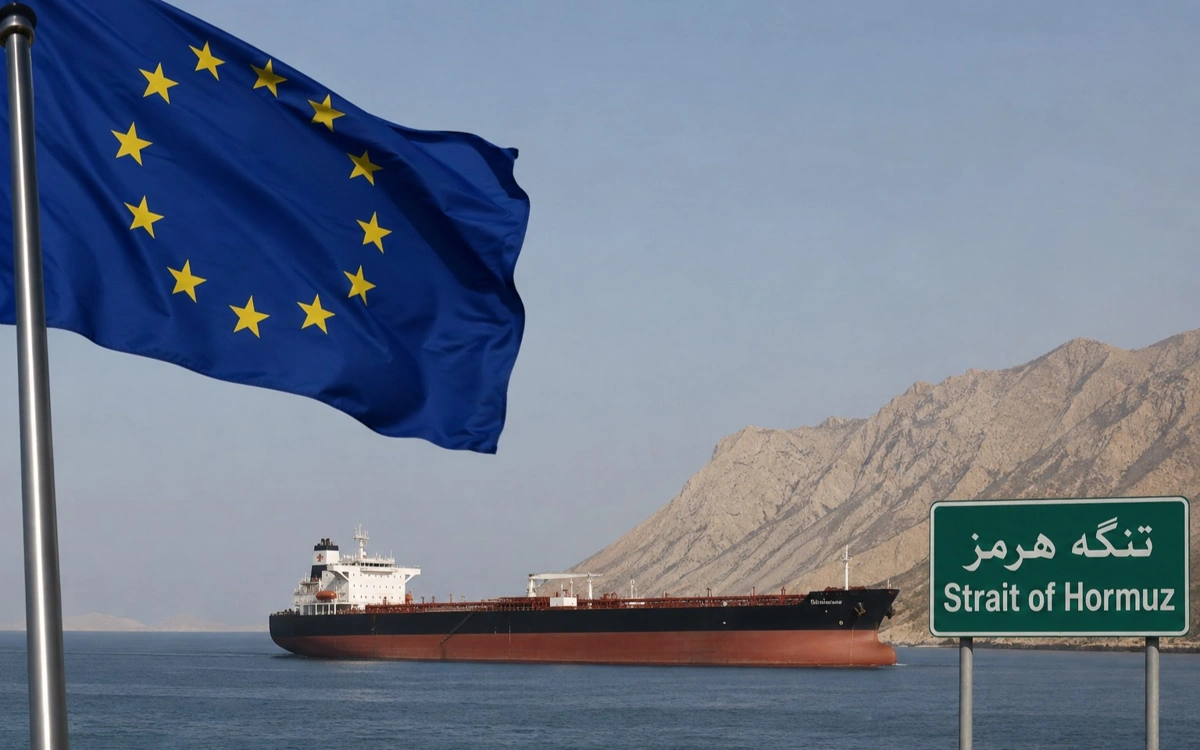
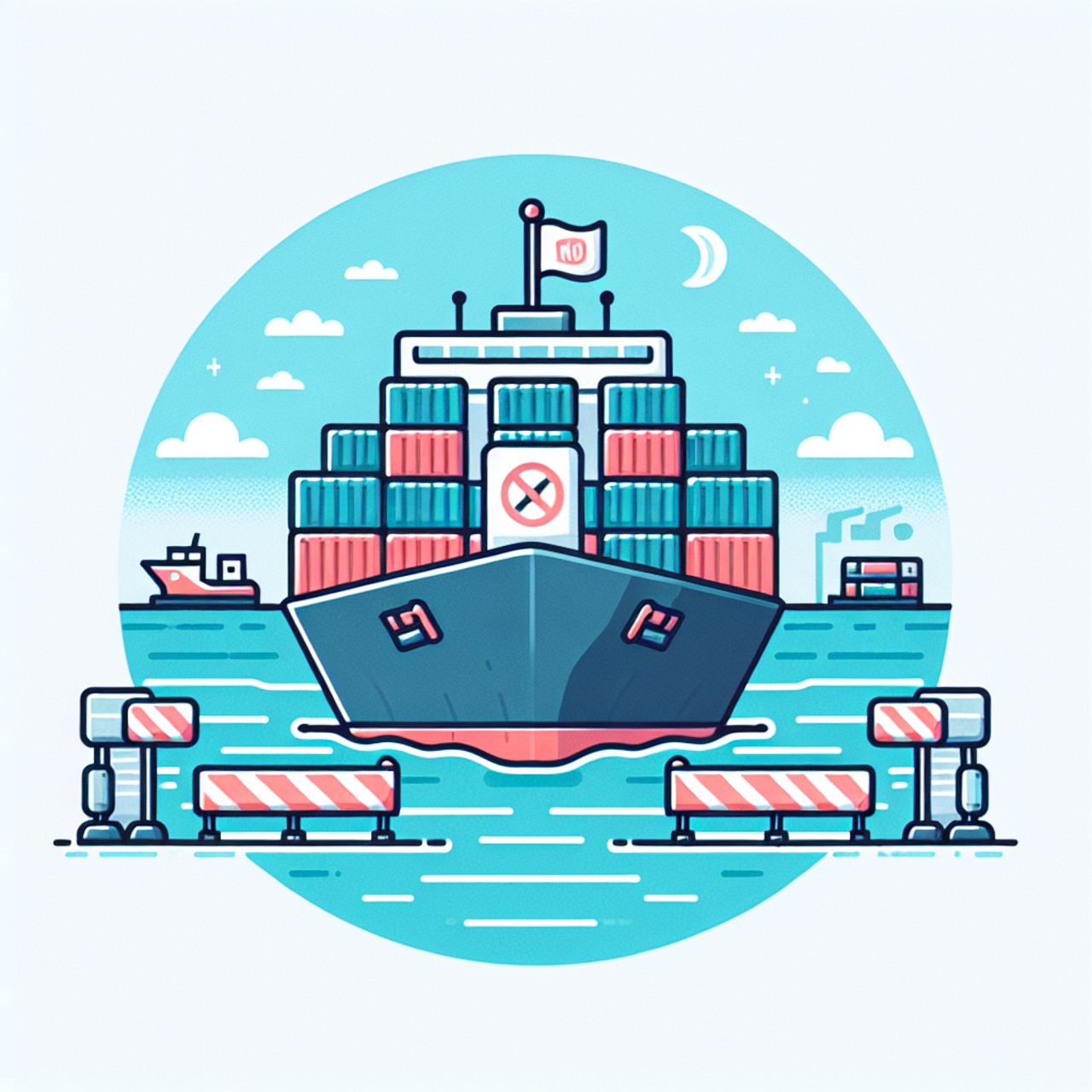
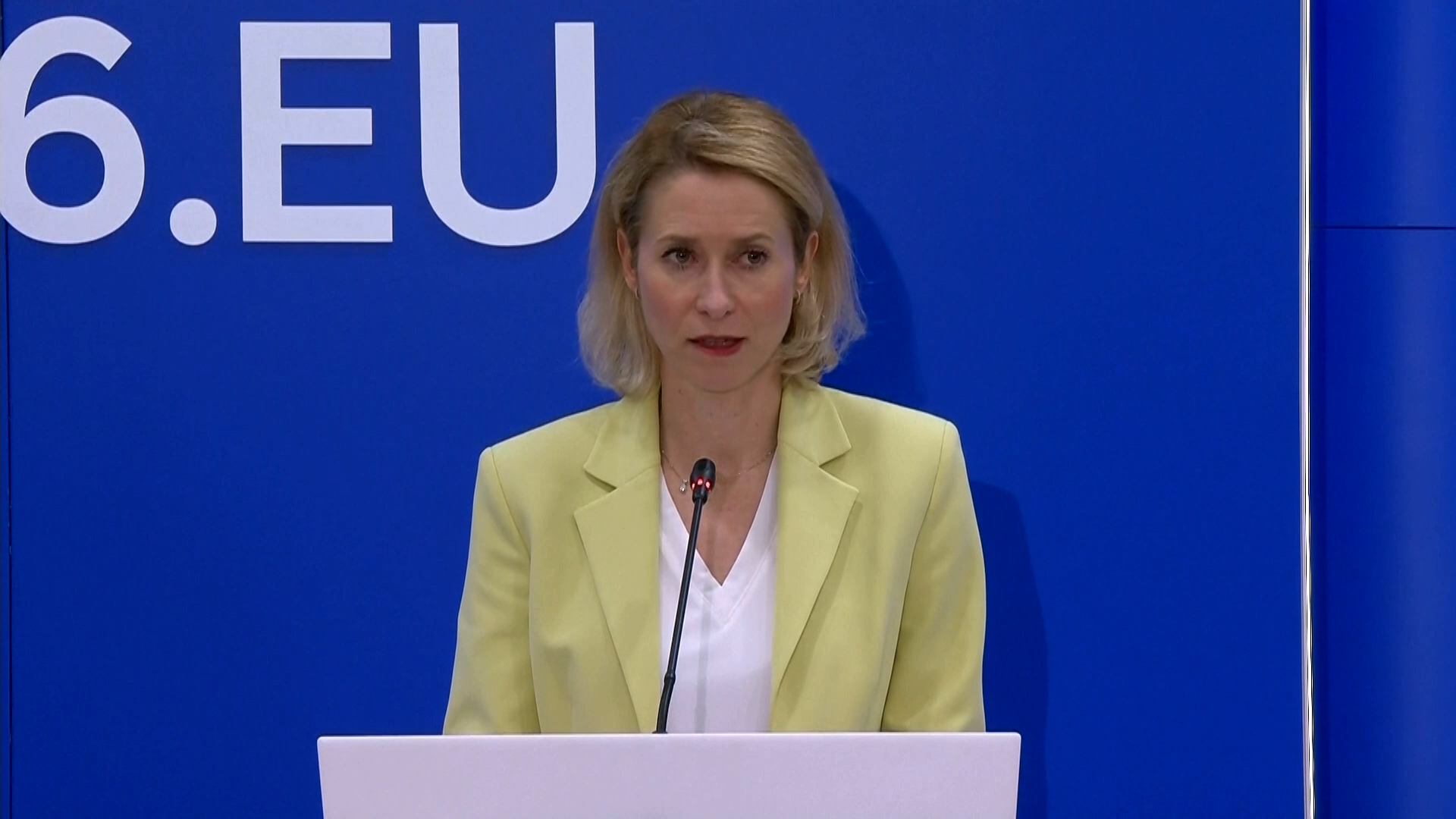
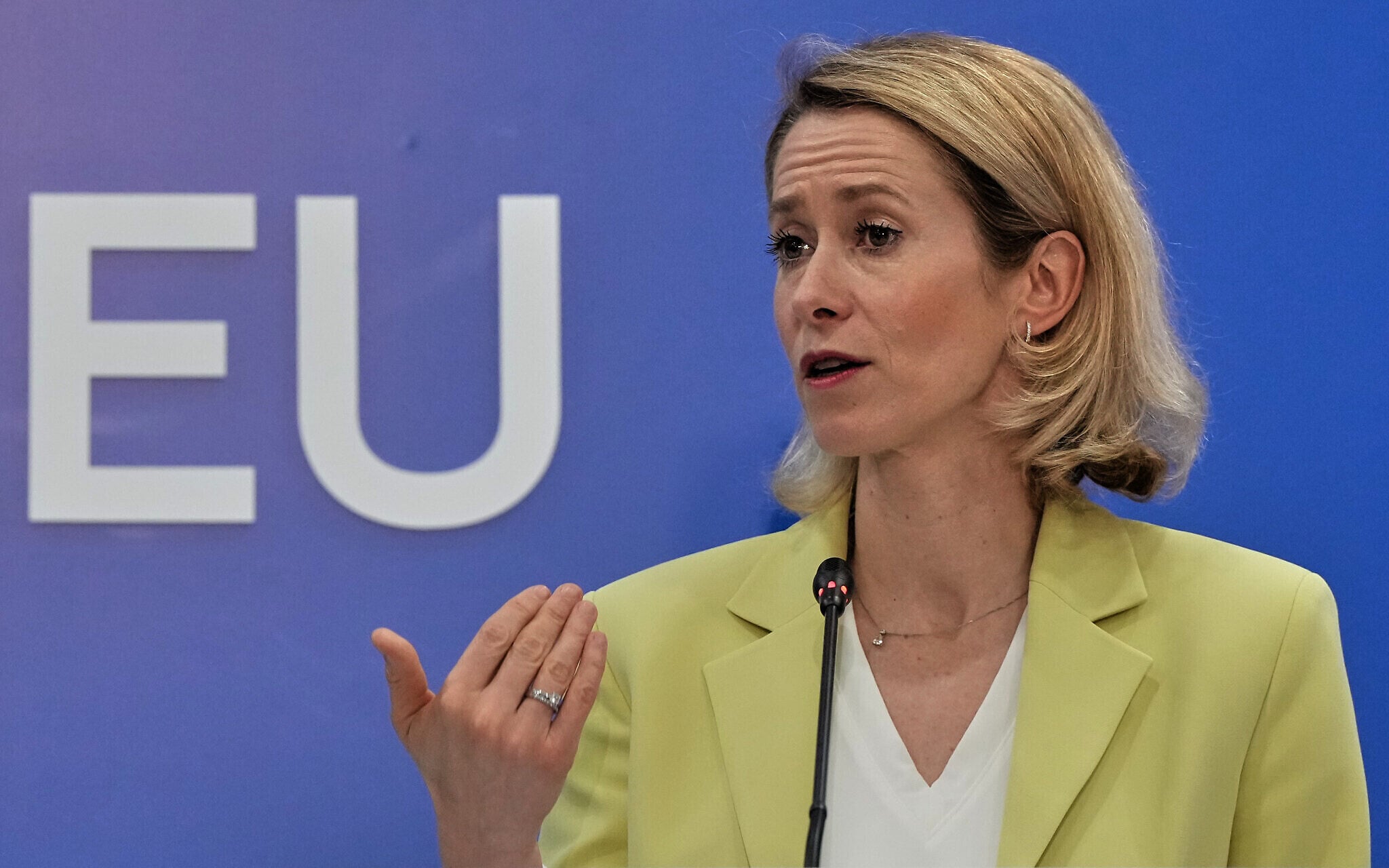
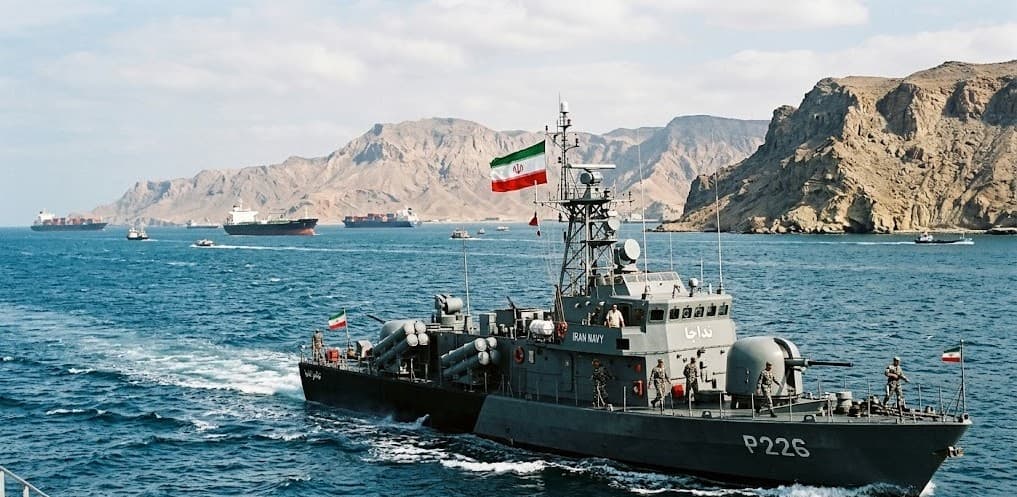
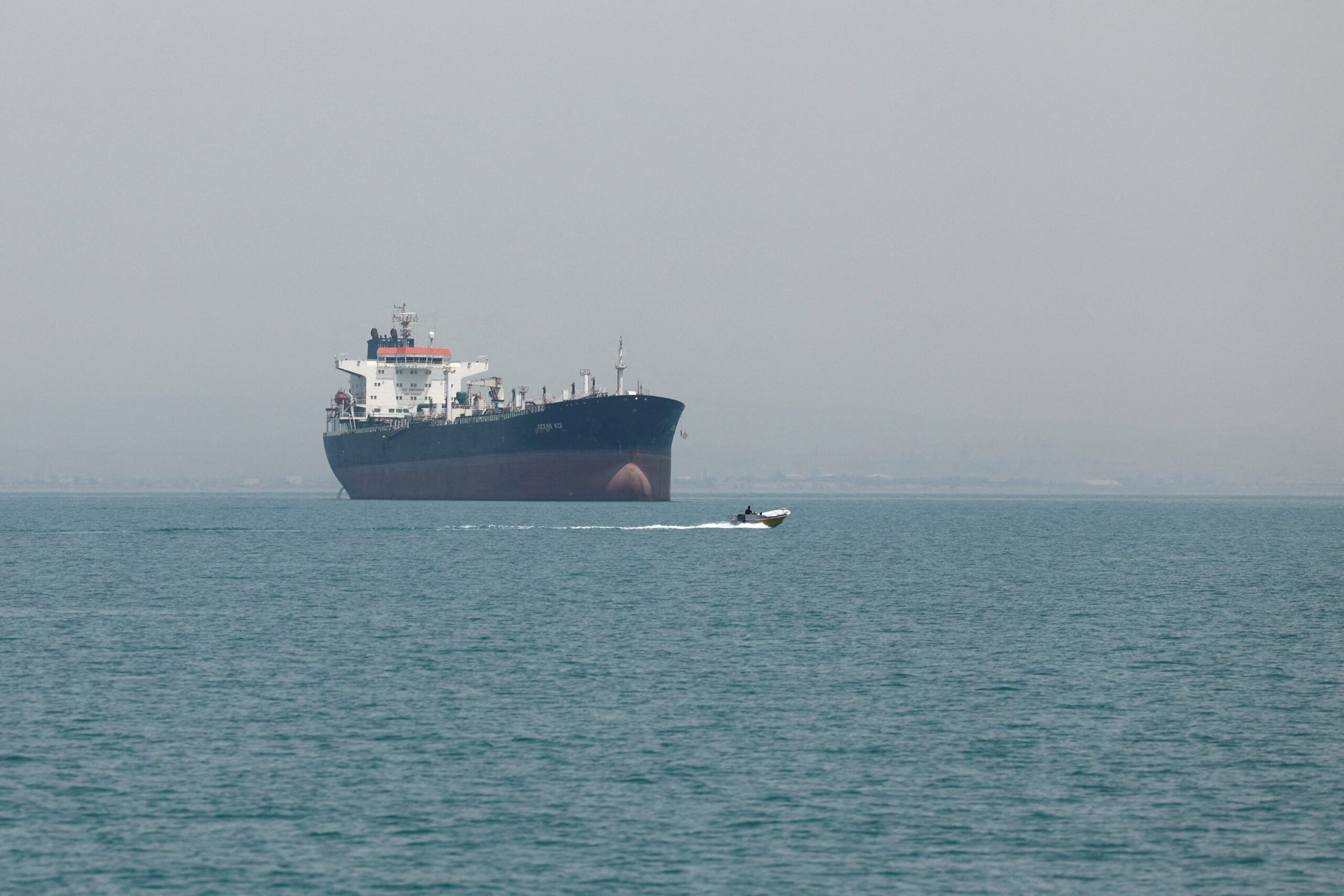
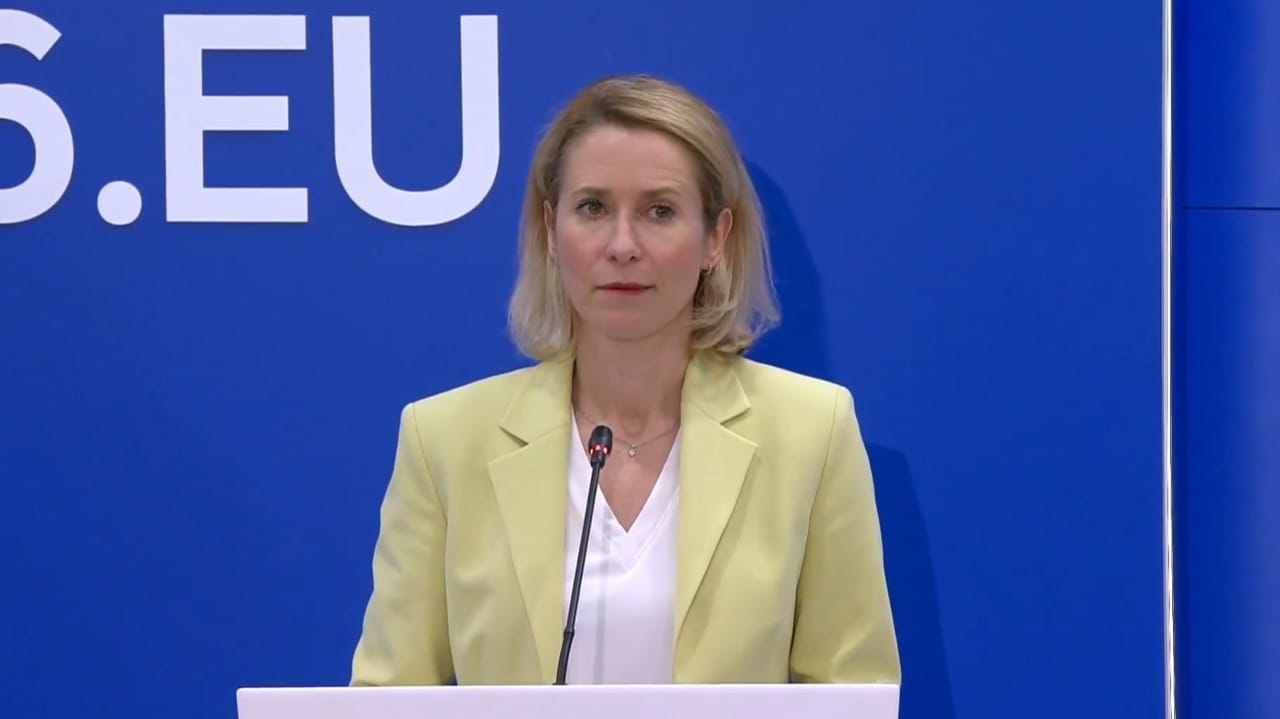
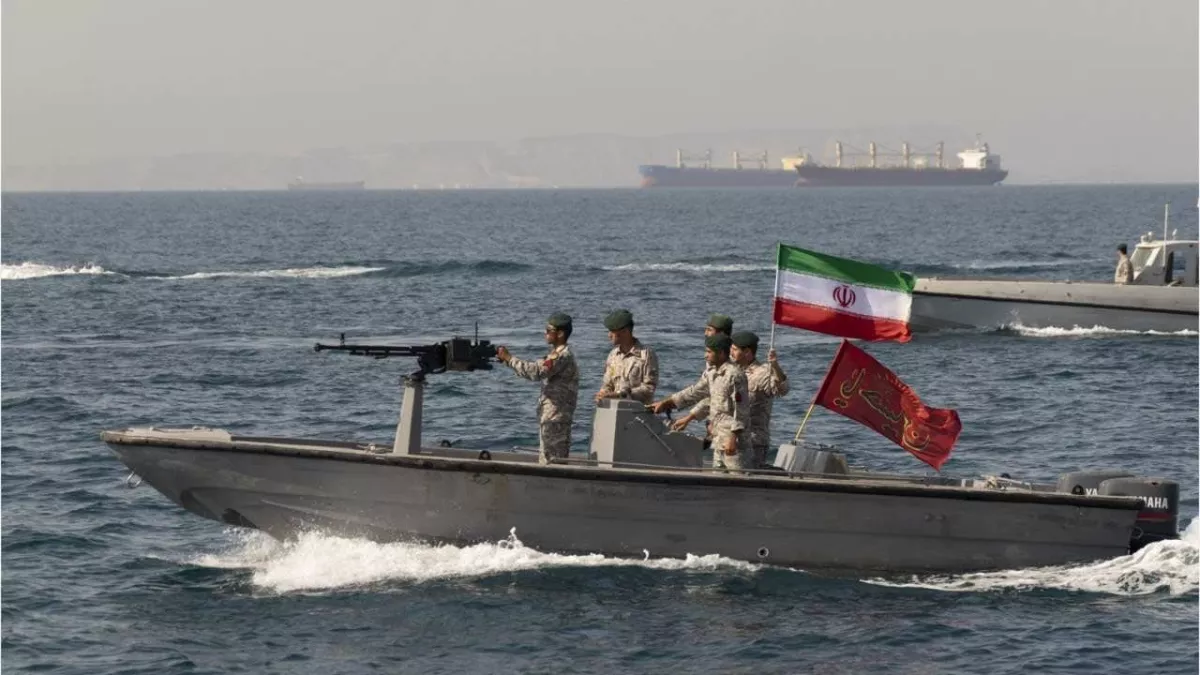
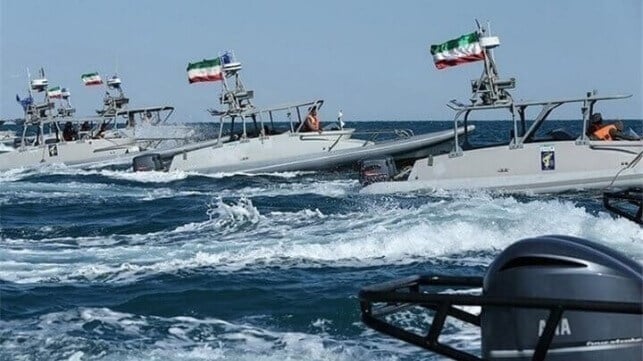
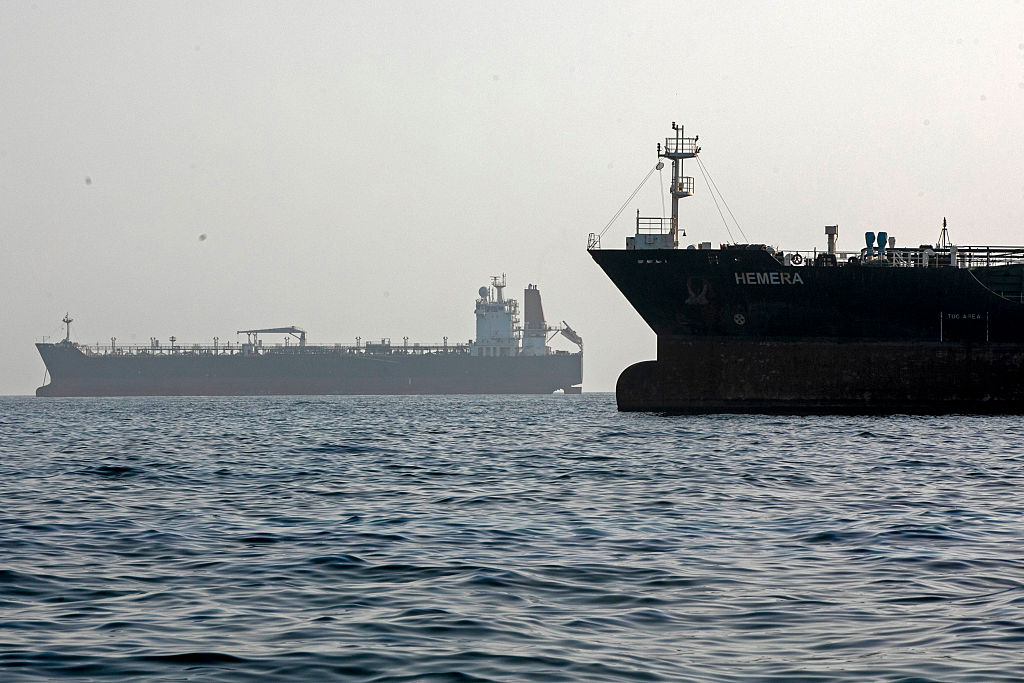
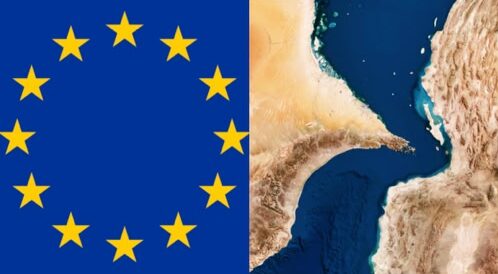
The European Union's sanctions against Iran's Hormozgan Provincial Command and two officials (Mohammad Akbarzadeh and Hamid Hosseini) on June 8, 2025-2026 represent a critical supply chain inflection point for cross-border e-commerce sellers. The Strait of Hormuz handles approximately 20% of global oil flows and serves as the primary maritime corridor for goods moving between Asia and Europe—a route that approximately 40% of Amazon FBA sellers and 35% of Shopify merchants rely on for inventory replenishment. Iran's toll system and vessel blockade, initiated February 28, 2026, forced shipping lines to implement costly alternative routing through the Suez Canal and around Africa, adding 10-14 days to transit times and increasing per-container costs by $200-500 depending on cargo weight and destination port.
Immediate Logistics Impact for Sellers: The EU's expanded sanctions regime (adopted May 22, 2025) and first enforcement action signals sustained enforcement, meaning sellers cannot expect rapid normalization. For electronics, apparel, and home goods sellers shipping from China, Vietnam, and India to EU markets, this translates to a 15-25% logistics cost premium on affected shipments. A typical 40-foot container from Shanghai to Rotterdam that previously cost $1,200-1,500 now costs $1,700-2,000 via alternative routes. Sellers with monthly shipment volumes of 50+ containers face cumulative cost increases of $25,000-50,000 monthly. Small and medium sellers (SMEs) with 5-10 monthly containers absorb $1,000-5,000 in additional costs, compressing margins by 8-12% on products with 20-30% gross margins.
Strategic Sourcing Shifts and Competitive Advantages: The sanctions create a window for sellers to diversify sourcing away from China-dependent supply chains. Vietnam, India, and Indonesia—which can reach EU markets via alternative Indian Ocean routes avoiding the Strait entirely—become strategically advantaged sourcing destinations. Sellers currently sourcing 100% from China can reduce Hormuz-dependent shipments by shifting 30-40% of volume to Vietnam or India, where labor costs are 5-15% higher but logistics savings offset the differential. This creates a 6-12 month competitive advantage for sellers who execute sourcing diversification before competitors recognize the opportunity. Large sellers (Amazon aggregators, Shopify Plus merchants) with 500+ monthly containers can negotiate volume discounts on alternative routes, gaining 3-5% cost advantages over smaller competitors locked into standard shipping rates.
Compliance and Risk Mitigation: The EU's sanctions framework now covers 26 individuals and 27 entities linked to Iranian maritime actions. Sellers must ensure their logistics partners and freight forwarders have no sanctioned entity involvement—a compliance requirement that adds 5-10 business days to shipping arrangement timelines. Failure to comply risks cargo seizure and EU trade restrictions. Sellers should audit their 3PL providers and freight forwarders immediately to confirm sanctions compliance certifications. The EU's consideration of extending Operation Aspides to the Strait of Hormuz (pending unanimous Member State approval) suggests potential military escort services for commercial vessels, which could reduce blockade risk but add 2-3% to shipping costs through security surcharges.
Questions 7
How much will Strait of Hormuz sanctions increase my shipping costs to EU markets?
Shipping costs via alternative routes (Suez Canal/Africa circumnavigation) are increasing by $200-500 per 40-foot container and adding 10-14 days to transit times. For sellers shipping 10 containers monthly from Asia to EU, this represents $2,000-5,000 in additional monthly logistics costs. The EU's sanctions enforcement (first applied June 8, 2025) signals sustained restrictions, making this a structural cost increase rather than temporary disruption. Sellers should immediately audit their freight forwarder routing options and negotiate volume discounts on alternative routes to offset the premium.
What compliance risks do I face with my current 3PL and freight forwarders?
The EU's sanctions framework now covers 26 individuals and 27 entities involved in maritime restrictions. Your 3PL and freight forwarders must have documented sanctions compliance certifications confirming no involvement with sanctioned parties. Failure to verify compliance risks cargo seizure and potential EU trade restrictions on your seller account. You should request sanctions compliance certifications from all logistics partners within 5 business days and document these in your compliance files. The EU's expanded sanctions regime (adopted May 22, 2025) signals increased enforcement, making this a critical audit priority.