





Red Sea Shipping Crisis: 20-40% Freight Cost Surge Hits Cross-Border Sellers
- Houthis announce Israeli ship ban affecting 12% of global maritime trade; sellers face 10-14 day delays and rerouting costs via Cape of Good Hope
















)










Overview
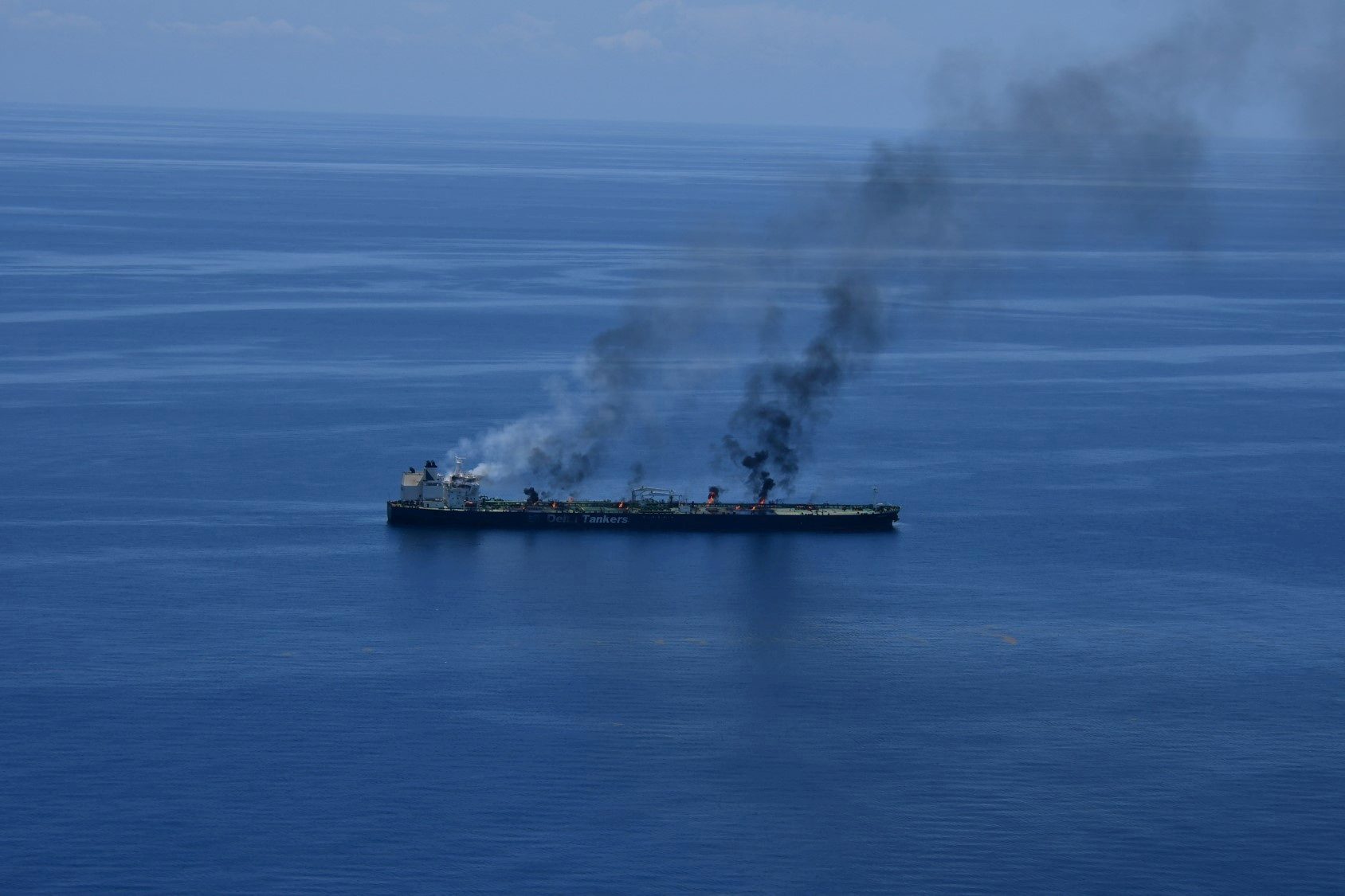
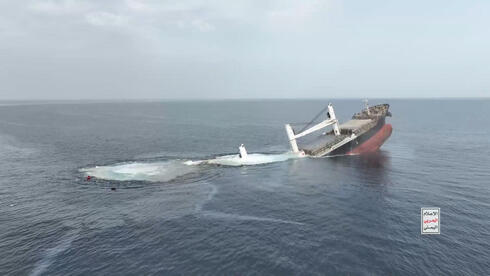
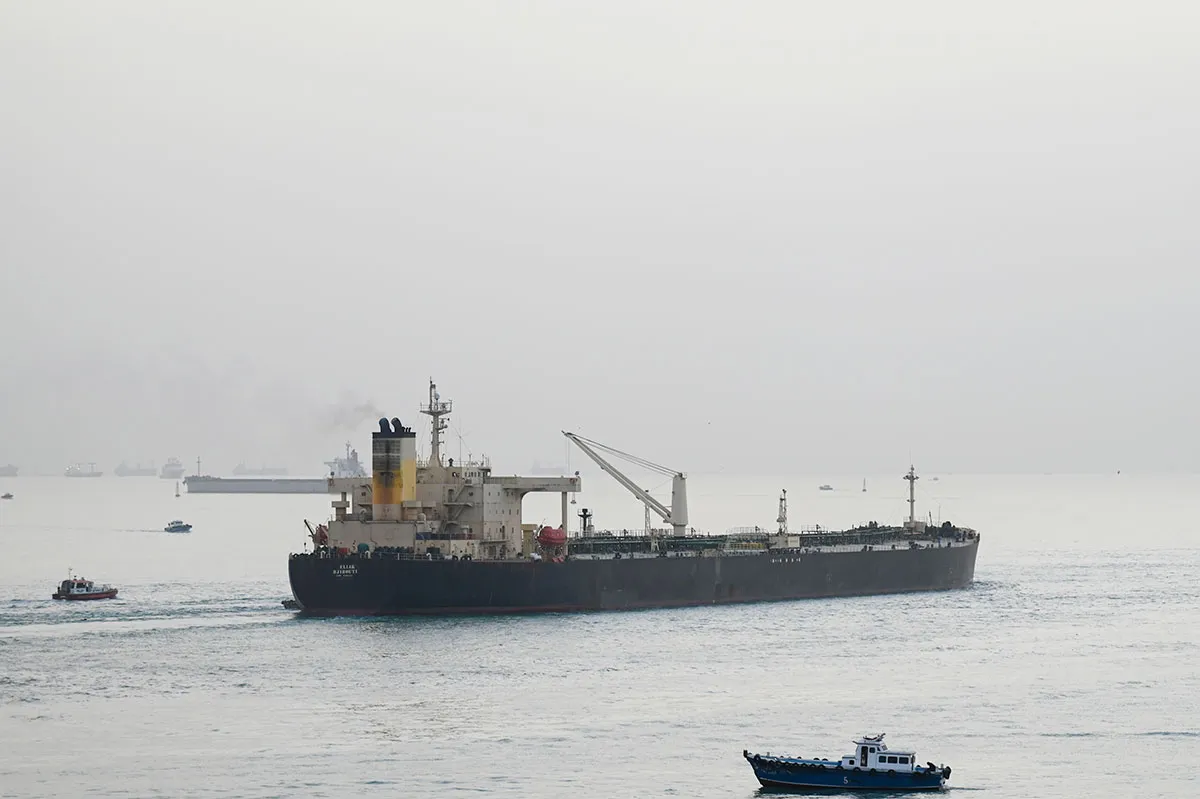
The Houthi threat to impose a "complete ban" on Israeli-linked vessels in the Red Sea represents an immediate supply chain crisis for cross-border e-commerce sellers. On June 8, Yemen's Iran-aligned Houthis announced restrictions targeting Israeli-flagged ships and companies using Israeli ports, escalating beyond previous November 2023 attacks. The Red Sea corridor handles approximately 12% of global maritime trade, connecting Europe, Asia, and the Middle East through the Suez Canal—a critical artery for e-commerce inventory flows. Shipping companies have already begun rerouting around the Cape of Good Hope, adding 10-14 days to transit times and increasing freight costs by 20-30% immediately, with industry analysts projecting sustained disruptions could drive costs up 20-40% above baseline rates.
For Amazon FBA sellers and cross-border merchants, this creates three immediate operational impacts: First, sellers using Port Said (Suez Canal gateway) or Aden face forced rerouting, transforming a 30-35 day Asia-to-Europe journey into 40-50 days via Africa. A 20-unit electronics shipment costing $2,000 in Suez routing now costs $2,400-2,800 via Cape route—a $400-800 per shipment increase. Second, the Houthis' warning that this ban is "a first step" signals potential escalation to broader restrictions affecting non-Israeli vessels and all flag states, creating unpredictable supply chain risk. Third, insurance premiums for Red Sea transit have spiked, adding 3-5% to total landed costs for time-sensitive categories like electronics, apparel, and home goods sourced from Asia or Middle East suppliers.
Strategic positioning is critical now. Sellers with inventory in transit should immediately contact freight forwarders to confirm routing—Maersk and Hapag-Lloyd have already implemented Africa reroutes. For June-August shipments, sellers should evaluate three options: (1) accelerate orders via air freight ($4-8/kg vs. $0.80-1.20/kg ocean) for high-margin categories, accepting 2-3x cost increase for time-sensitive Q3 inventory; (2) shift sourcing to suppliers with pre-positioned inventory in US/EU warehouses, accepting 5-10% higher unit costs to avoid transit delays; (3) implement 60-90 day buffer stock in FBA warehouses before potential escalation, prioritizing fast-moving SKUs (electronics, beauty, apparel) over slow-moving inventory. Saudi Arabia's diversion of 70% of crude exports through Red Sea port Yanbu amplifies oil price volatility, which indirectly increases logistics costs across all carriers. Sellers should monitor shipping insurance rates and vessel routing announcements daily—a shift to broader port restrictions would trigger immediate action to liquidate slow-moving inventory and reallocate capital to alternative sourcing regions (Vietnam, India, Mexico for nearshoring to US).
Questions 8
Should I shift my sourcing away from Asia due to Red Sea risks?
Partial sourcing diversification is prudent for Q3-Q4 inventory. Maintain 60-70% of sourcing from Asia (Vietnam, India) but shift 20-30% to nearshoring regions: Mexico for US sellers (10-14 day transit), Eastern Europe for EU sellers (7-10 days), and India for Middle East/Africa markets. For high-margin, time-sensitive categories (electronics, beauty, apparel), prioritize suppliers with pre-positioned inventory in US/EU warehouses, accepting 5-10% higher unit costs to avoid Red Sea transit delays. Low-margin, slow-moving inventory should continue via Asia with extended lead time planning. Monitor Houthi escalation signals—if restrictions expand beyond Israeli-linked vessels, accelerate nearshoring transition.
What shipping routes should I use instead of the Suez Canal?
The primary alternative is rerouting around the Cape of Good Hope, adding 10-14 days to transit times (30-35 days becomes 40-50 days Asia-to-Europe). Major carriers Maersk and Hapag-Lloyd have already implemented this routing. For US-bound shipments, sellers can use the Strait of Malacca to Indian Ocean to Suez (if risk-acceptable) or reroute via Cape of Good Hope to US East Coast. For time-sensitive inventory, consider air freight ($4-8/kg) or shift sourcing to suppliers with pre-positioned inventory in US/EU warehouses. Alternatively, evaluate nearshoring to Vietnam, India, or Mexico to reduce transit dependency on Red Sea routes entirely.