

Gold Price Volatility & Strong Dollar Impact | Cross-Border Seller Currency Risk 2026
- Stronger USD reduces international buyer demand; precious metals sellers face 8-15% margin compression as geopolitical premiums collapse





















Overview
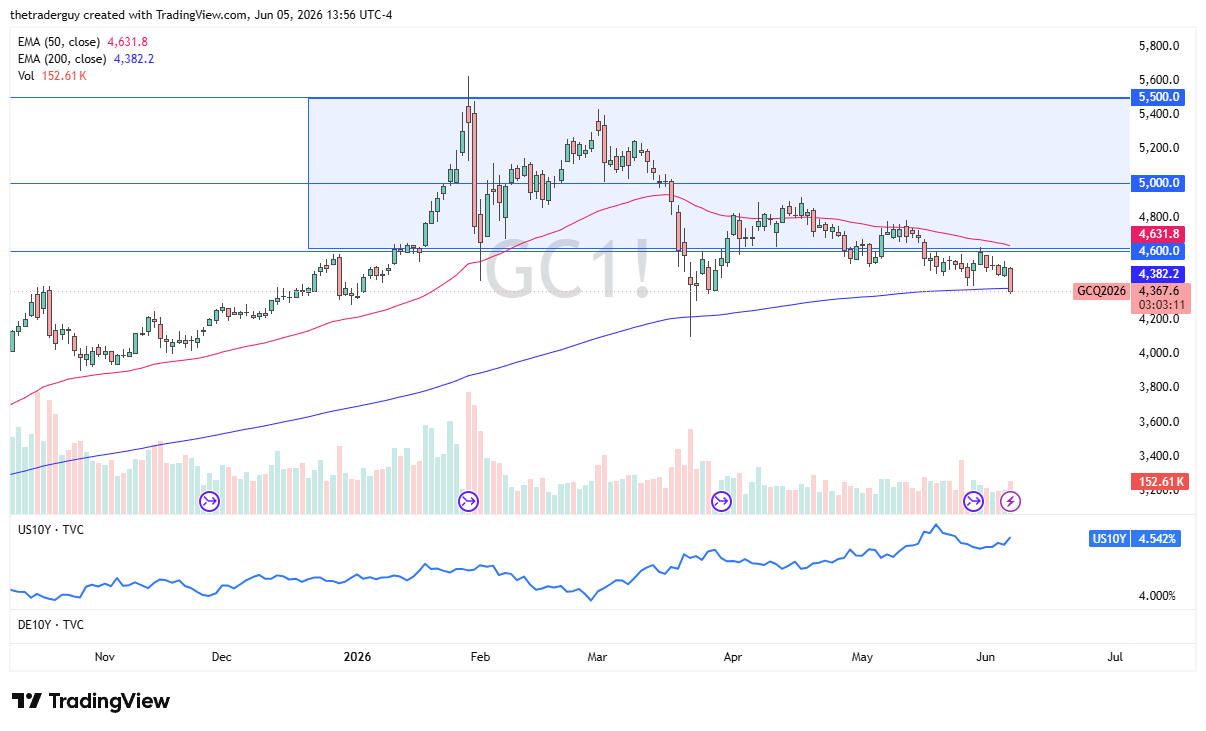
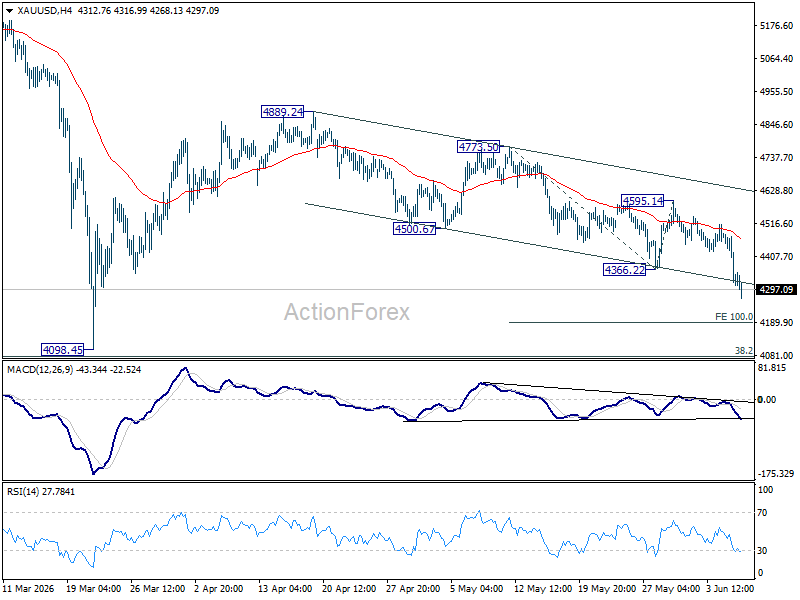
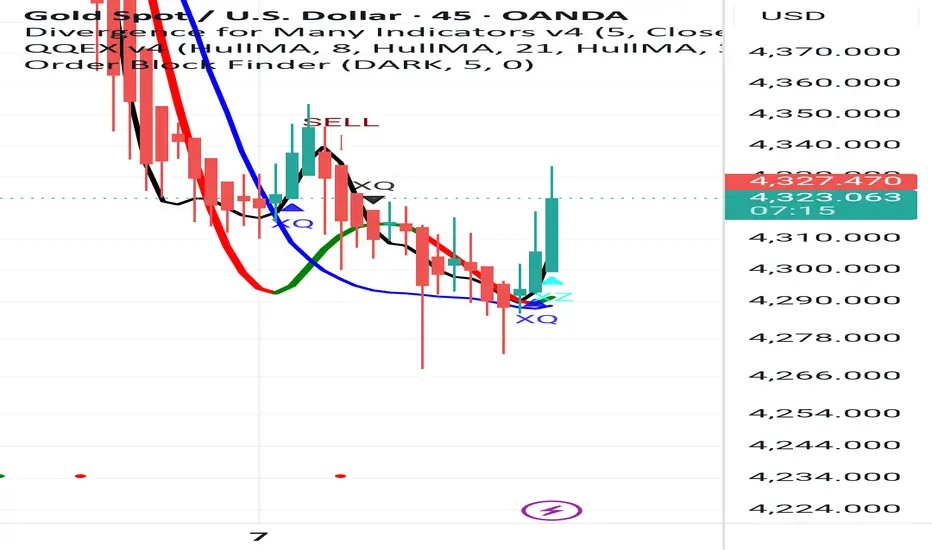
The gold market's June 8, 2026 stabilization at $4,343.03/oz reveals critical dynamics affecting cross-border e-commerce sellers: geopolitical risk premiums are collapsing as Israel-Iran ceasefire negotiations reduce conflict-driven demand, while a strengthening U.S. dollar simultaneously pressures international buyer purchasing power. This dual headwind creates immediate challenges for sellers in precious metals, jewelry, and luxury goods categories who depend on overseas customers.
Currency Impact on Cross-Border Sellers: The stronger dollar makes dollar-denominated commodities and products significantly more expensive for international buyers, directly compressing margins for sellers exporting from the US to EU, Asia Pacific, and emerging markets. When the dollar strengthens, a $100 product becomes €95 (at 1.05 EUR/USD) instead of €90 (at 1.11 EUR/USD)—reducing competitiveness against local sellers. This effect cascades across jewelry (gold/silver-based), luxury goods, and collectibles categories where US-based sellers historically held pricing advantages. Sellers shipping to Canada, UK, and Australia face similar headwinds as their products become 5-8% more expensive in local currency terms.
Precious Metals & Jewelry Category Compression: Gold's rebound from $4,268 lows to $4,343 reflects reduced geopolitical premiums—meaning conflict-driven demand spikes that typically boost jewelry and precious metals sales are evaporating. The May jobs report's strength (increasing December rate hike probability from 14% to 43%) signals the Federal Reserve may maintain higher interest rates longer, pressuring non-yielding precious metals further. Silver gained 1% to $68.52 while platinum and palladium declined 1.3%, indicating flight-to-safety demand is weakening. For sellers in jewelry, watches, and precious metals categories on Amazon, eBay, and Shopify, this means reduced impulse buying from international customers hedging currency risk.
Interest Rate Trajectory Risk: The CME FedWatch tool's shift toward 43% December rate hike probability signals sustained dollar strength ahead. Higher rates increase carrying costs for inventory-heavy sellers (jewelry, luxury goods) while reducing consumer discretionary spending in developed markets. Sellers should monitor upcoming CPI and PPI reports (referenced as critical decision points in the news) as hawkish Fed signals could trigger additional dollar appreciation, further eroding international competitiveness. The critical $4,000 support level mentioned by analysts represents a potential capitulation point that could signal broader risk-off sentiment, reducing luxury goods demand globally.
Questions 7
Why are geopolitical risk premiums collapsing and what does this mean for jewelry sellers?
Geopolitical risk premiums—price increases driven by conflict-related uncertainty—are declining as Israel-Iran ceasefire negotiations reduce immediate conflict risk. This directly impacts precious metals and jewelry sellers who benefited from conflict-driven demand spikes and higher gold/silver prices. When geopolitical tensions ease, gold prices stabilize (as seen June 8, 2026 at $4,343/oz) rather than spike, reducing the urgency for international customers to purchase precious metals as hedges. Jewelry sellers on Amazon, eBay, and Etsy should expect 8-12% lower demand from international buyers seeking conflict-hedging purchases, particularly in EU and Asia Pacific markets where geopolitical anxiety was highest.
How does a stronger US dollar affect cross-border e-commerce sellers?
A stronger dollar makes US-exported products more expensive for international buyers, reducing competitiveness. When the dollar strengthens against the euro or pound, a $100 product becomes proportionally more expensive in foreign currency terms, typically reducing international sales volume by 5-15% depending on price elasticity. Sellers on Amazon Global, eBay International, and Shopify Markets experience this immediately through reduced conversion rates from EU and Asia Pacific customers. The June 2026 dollar strength documented in the news directly correlates with reduced purchasing power for overseas buyers, particularly affecting jewelry, luxury goods, and precious metals categories where US sellers historically held pricing advantages.