





Bitcoin Price Volatility Impact on Cross-Border Payment Costs for E-Commerce Sellers
- Cryptocurrency fluctuations create FX hedging opportunities and payment route optimization for sellers using crypto settlement; traditional sellers face indirect cost pressures through stablecoin payment adoption











Overview
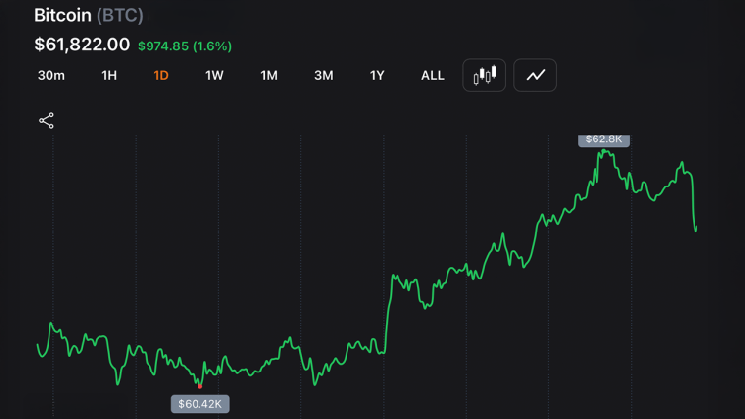
Bitcoin's price volatility, as reported by Morningstar, presents a critical but underappreciated financial optimization opportunity for cross-border e-commerce sellers. While the news article itself lacks specific data on Bitcoin's directional movement or causation, the underlying volatility signals important implications for sellers managing international payments, foreign exchange exposure, and working capital cycles.
Direct Impact for Crypto-Native Sellers: Sellers who accept Bitcoin or use cryptocurrency for international fund transfers face immediate cash flow uncertainty. A 10-15% Bitcoin price swing (typical monthly volatility) directly impacts settlement values when converting crypto to fiat currency. For a seller receiving $50,000 monthly in Bitcoin payments, a 10% price drop represents $5,000 in lost value—equivalent to 2-3 months of payment processing fees. This creates urgency for implementing FX hedging strategies: sellers should lock in conversion rates using stablecoin pairs (USDC/USDT) or forward contracts with crypto-friendly payment processors like Coinbase Commerce or BitPay, which offer 0.5-1% fees versus 2-3% for traditional cross-border wire transfers.
Indirect Impact on Stablecoin Adoption: Bitcoin volatility accelerates merchant adoption of stablecoins (USDC, USDT) as settlement currencies, which reduces FX risk but introduces new operational complexity. Sellers shipping from Asia to US/EU markets can reduce payment processing costs from 2.5-3.5% (traditional ACH/wire) to 0.5-1% (stablecoin settlement) while maintaining price certainty. However, this requires integrating with crypto payment rails (Stripe's crypto beta, PayPal's stablecoin options, or specialized providers like Wise for crypto-to-fiat conversion).
Working Capital Optimization: Bitcoin volatility creates arbitrage opportunities for sellers with multi-currency inventory. A seller holding inventory costs in CNY/INR but receiving payments in USD can exploit Bitcoin-driven market dislocations to optimize currency conversion timing. When Bitcoin drops sharply, risk-off sentiment typically strengthens the USD, creating favorable conversion windows for sellers to lock in USD receivables before rebalancing to manufacturing currencies.
Compliance and Platform Risk: Most traditional platforms (Amazon, eBay, Shopify) do not directly support Bitcoin payments, limiting exposure for mainstream sellers. However, sellers using alternative payment processors or accepting crypto through third-party integrations face increased regulatory scrutiny as central banks tighten cryptocurrency oversight. This creates compliance costs (KYC/AML documentation, tax reporting) that offset payment fee savings for smaller sellers.
Questions 7
Should I accept Bitcoin or stablecoins as payment methods on my e-commerce store?
Stablecoins (USDC, USDT) offer better value than Bitcoin for sellers due to price certainty and lower volatility risk. Accepting stablecoins through Stripe's crypto beta or PayPal's stablecoin options reduces payment processing costs by 2-3 percentage points while eliminating FX conversion risk. Bitcoin acceptance makes sense only if you have high-volume crypto-native customers (typically 5-10% of seller base) and can implement professional hedging. Most Shopify, Amazon, and eBay sellers should prioritize stablecoin integration over Bitcoin. Timeline: evaluate crypto payment gateways within 30 days if targeting crypto-savvy audiences; otherwise, focus on traditional payment optimization.
What FX hedging strategies protect my revenue from Bitcoin price swings?
Three hedging approaches reduce Bitcoin volatility exposure: (1) Immediate conversion to stablecoins (USDC/USDT) at 0.5-1% cost, locking in USD value within minutes; (2) Forward contracts with crypto-friendly lenders (BlockFi, Celsius alternatives) locking rates 30-90 days forward at 1-2% cost; (3) Natural hedging by matching Bitcoin receivables with Bitcoin-denominated inventory costs (e.g., manufacturing in crypto-accepting regions). For sellers receiving $10K+ monthly in Bitcoin, stablecoin conversion is most cost-effective. Implement within 2 weeks if you're currently holding Bitcoin receivables unhedged.