

/solarbytes/media/media_files/2026/06/02/pexels-quang-nguyen-vinh-222549-35105427-2026-06-02-11-43-28.jpeg)
Strait of Hormuz Crisis Reshapes Supply Chains | Shipping Costs Surge 4x for Gulf Trade
- Shanghai-to-Gulf container rates spike from $980 to $4,131 (May 2026); 3-12 month project delays threaten renewable equipment imports; sellers face immediate logistics cost compression across electronics, industrial equipment, and energy-tech categories









.png)



Overview
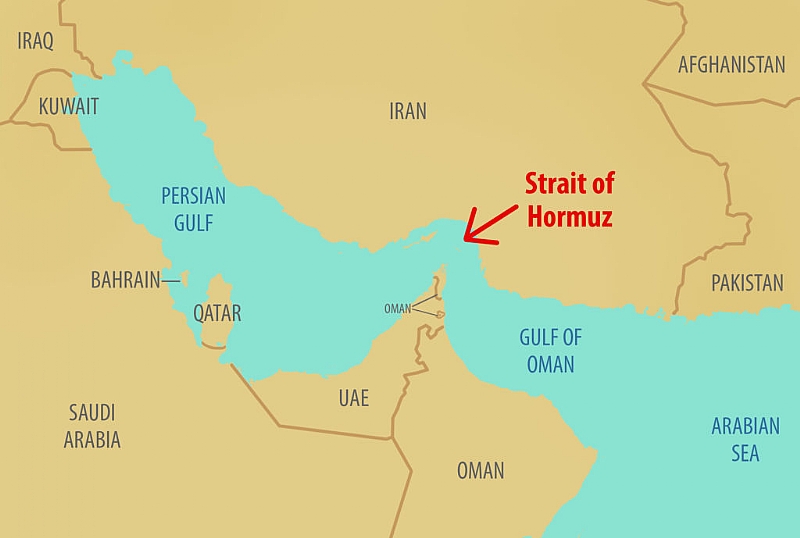
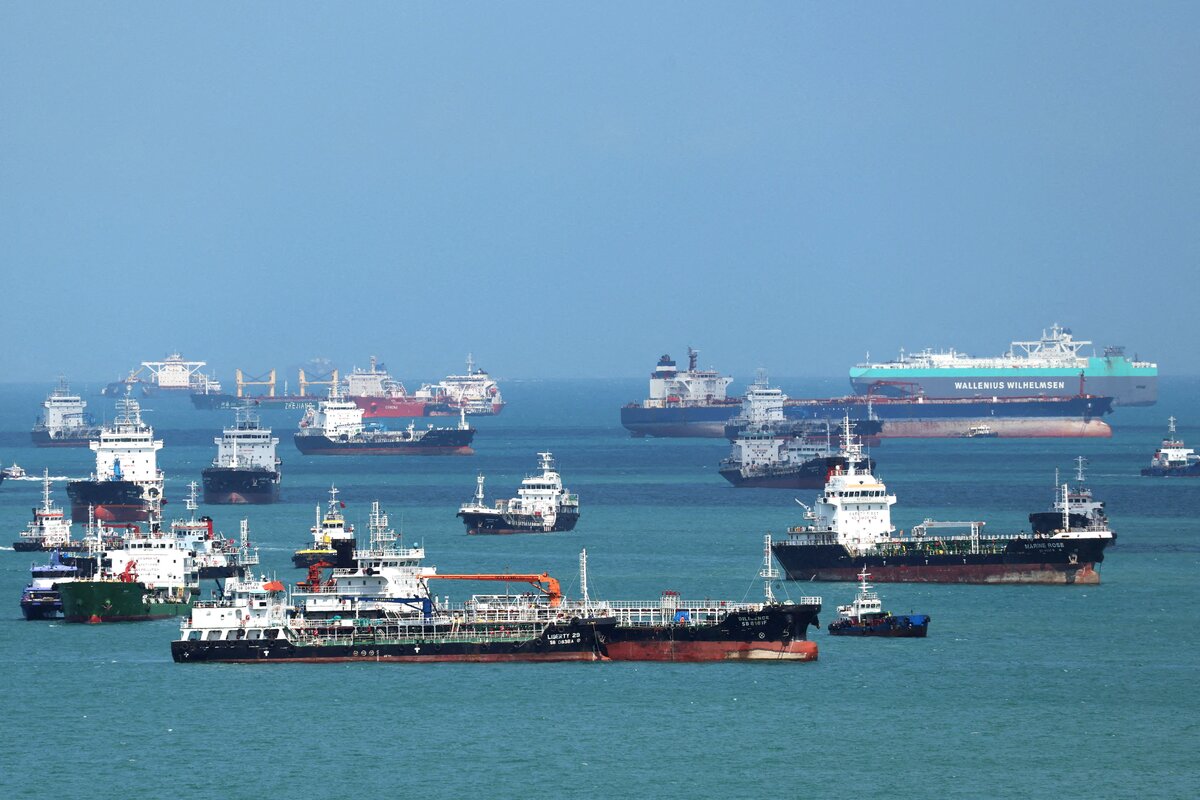
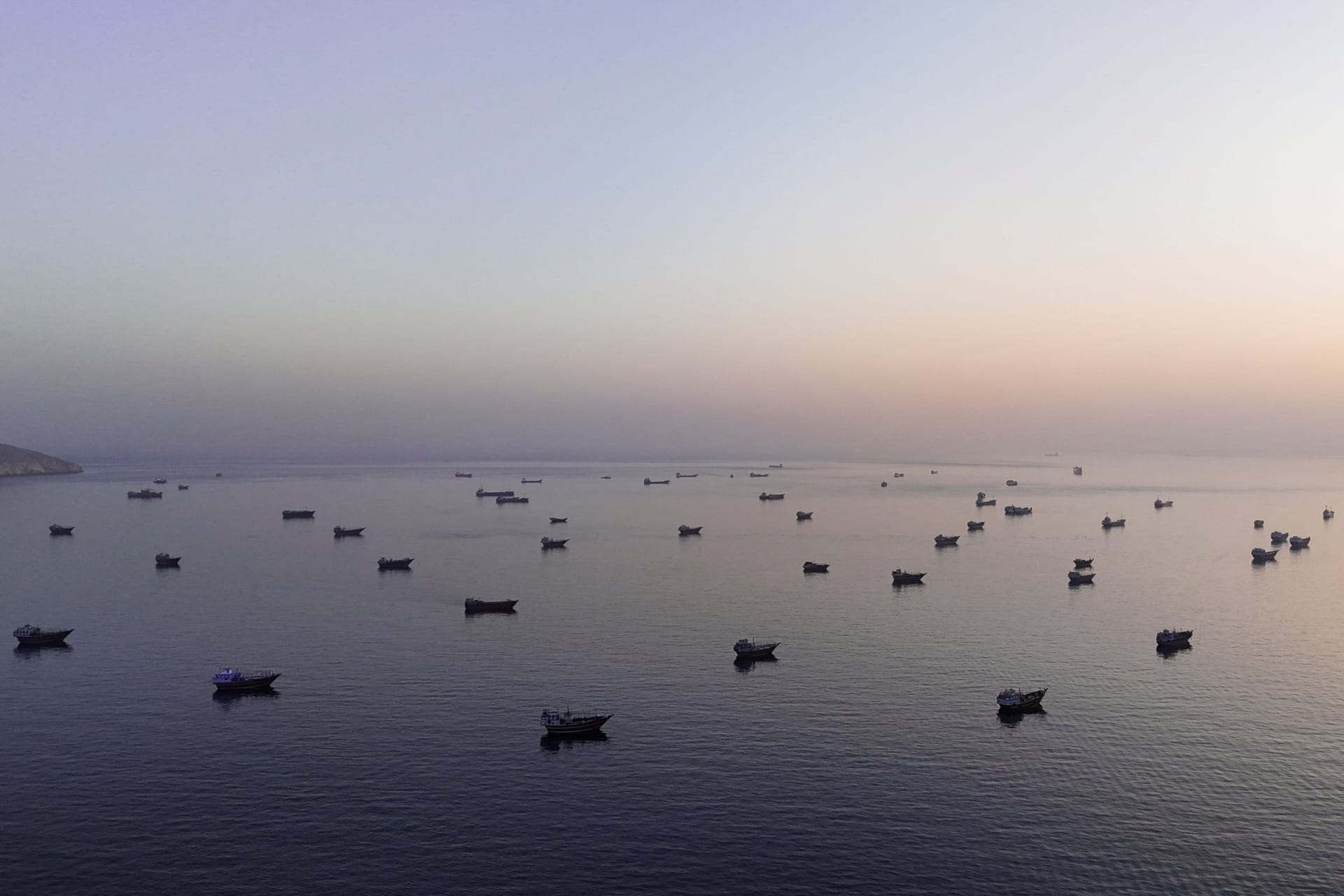
The Iran-Israel conflict and Strait of Hormuz blockade represent the largest oil supply disruption in global market history, with cascading effects on cross-border e-commerce logistics and supply chain economics. The strategic waterway handles approximately 20% of global oil and liquefied natural gas supplies, and its closure has triggered unprecedented shipping cost inflation: Shanghai-to-Gulf container rates surged from $980 to $4,131 per 20ft container by mid-May 2026—exceeding 2021 pandemic peaks by 320%. This creates immediate margin compression for sellers shipping electronics, industrial equipment, renewable energy components, and consumer goods to Middle East markets.
Shipping Cost Impact & Tariff Arbitrage Opportunities: The 4.2x rate increase directly affects sellers' landed costs and profitability. For a typical seller shipping 500 containers monthly to UAE/Saudi Arabia, the cost differential represents $1.6M in additional monthly logistics expenses. This creates tariff arbitrage opportunities: sellers can now justify sourcing from higher-cost but closer suppliers (India, Vietnam, Turkey) rather than China, as shipping cost differentials now exceed manufacturing cost advantages. Specifically, Vietnam-to-Gulf routes remain 30-40% cheaper than Shanghai routes, making Vietnamese suppliers suddenly competitive despite 5-8% higher unit costs.
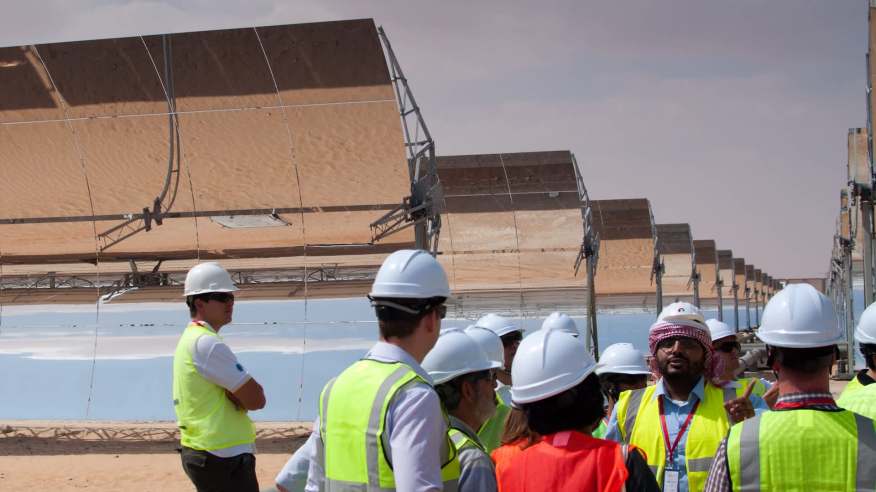
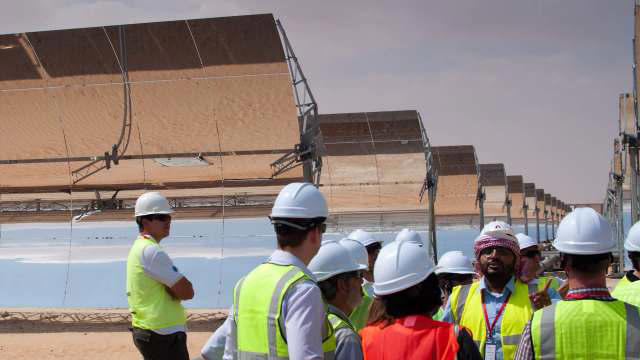
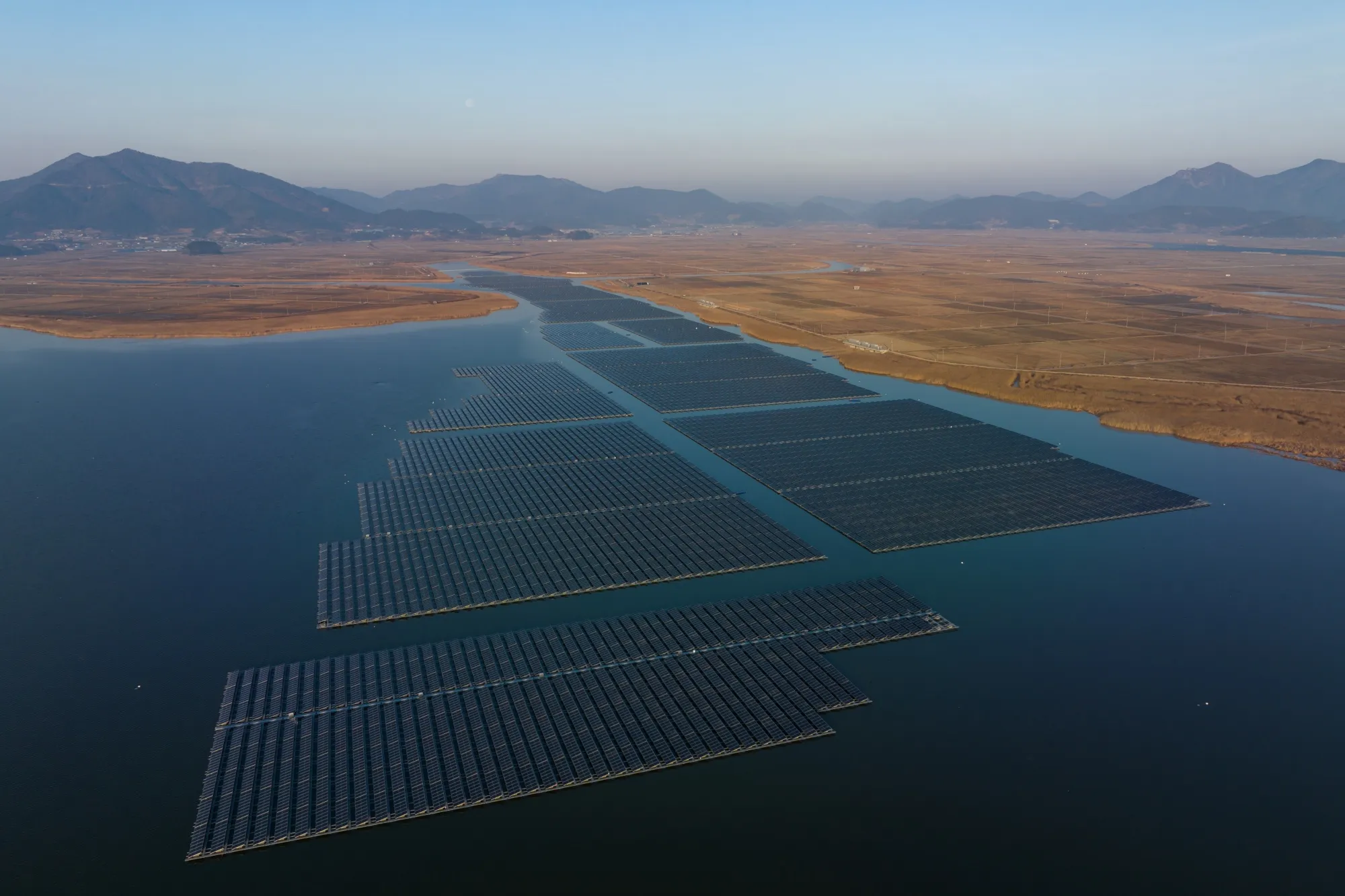
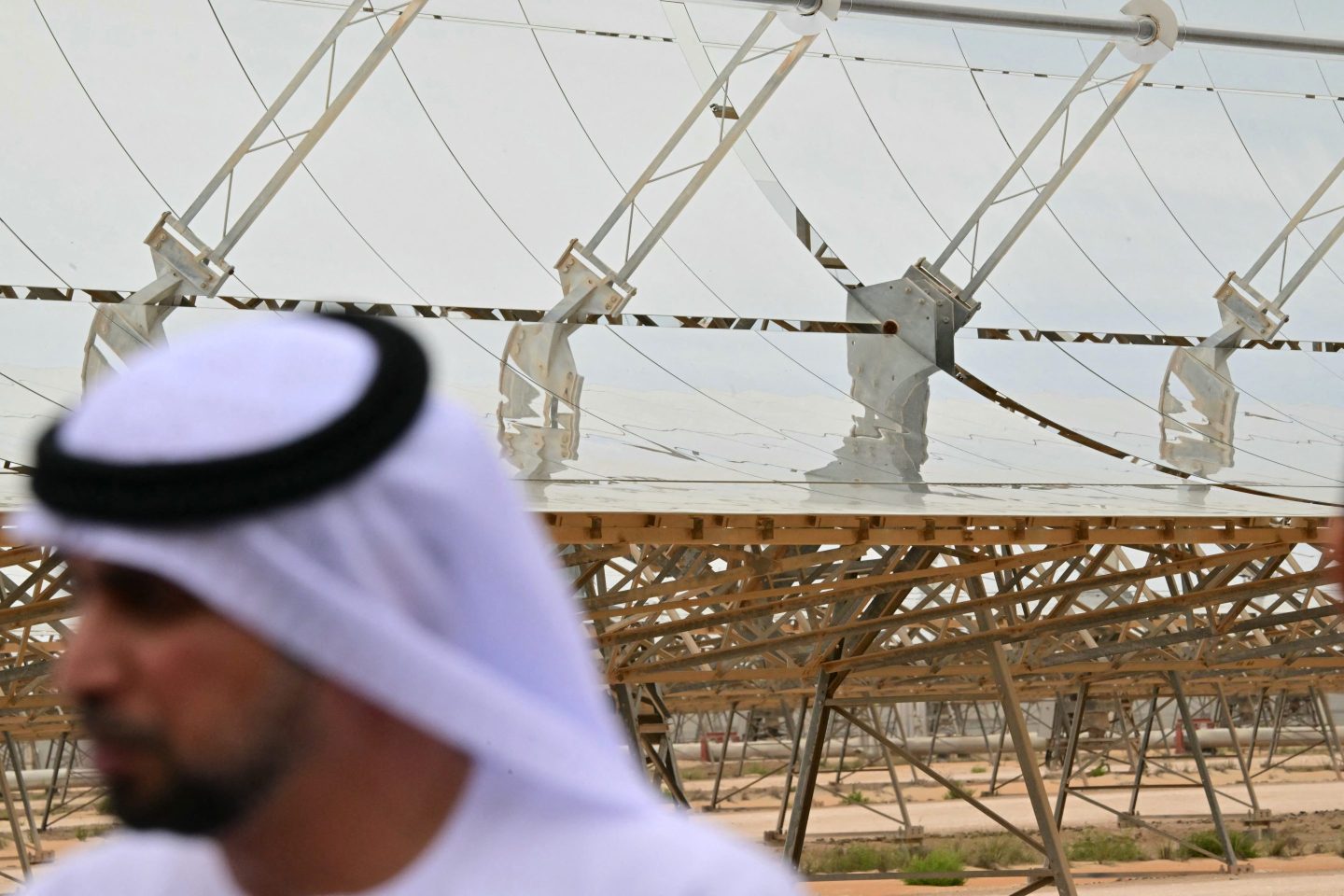
Market Access & Competitive Shifts: Solar PV imports to Gulf states collapsed dramatically—UAE imports fell from 767 MW to 160 MW (79% decline), Saudi Arabia from 704 MW to 80 MW (89% decline), and Oman recorded zero imports in March 2026. This signals a 3-12 month supply vacuum for renewable energy equipment, creating opportunities for sellers with alternative sourcing. Masdar's $2.2 billion joint venture with TotalEnergies across nine Asian countries and $30-35 billion deployment plans indicate massive procurement demand shifting toward Asia-based suppliers. Small-to-medium sellers (SMBs) with established relationships in Vietnam, India, or Indonesia can capture market share from Chinese suppliers facing logistics bottlenecks.
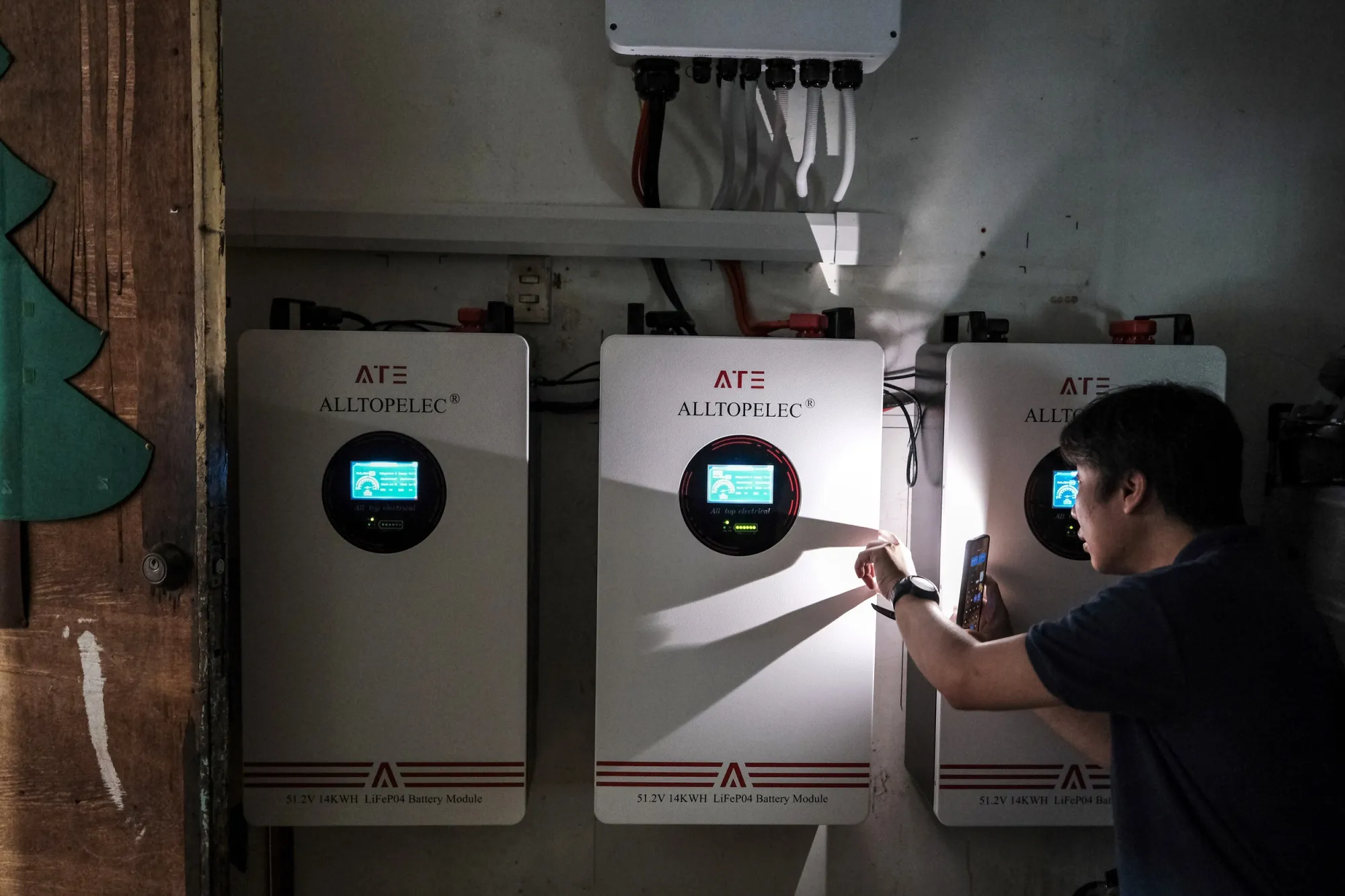
Policy-Driven Sourcing Shifts: The UAE's April 2026 departure from OPEC and pivot toward 5 million barrels daily production by 2027 signals long-term energy diversification away from oil dependency. This accelerates renewable energy procurement—Masdar targets 100 GW capacity by 2030 (up from 65 GW in January 2026). For sellers, this means sustained demand for solar panels, battery storage systems, inverters, and grid management software over the next 3-5 years. The timing window is critical: sellers who establish supply chains now (Q2-Q3 2026) will capture first-mover advantage before competitors recognize the opportunity.
Compliance & Risk Mitigation: Rystad Energy estimates 3-12 month delays across Middle East renewable projects, indicating extended payment cycles and project cancellation risks. Sellers should implement stricter credit terms (30-45 days vs. standard 60-90 days) and diversify customer concentration away from single Gulf states. The geopolitical uncertainty also creates tariff risk: if Strait of Hormuz tensions escalate, additional tariffs or sanctions could apply to energy-related equipment. Sellers should monitor HS codes 8502 (generators), 8504 (transformers), and 8541 (semiconductors) for potential tariff changes.
Questions 8
How much have shipping costs increased from Shanghai to Gulf ports due to the Strait of Hormuz crisis?
Shipping costs on Shanghai-to-Gulf routes surged from $980 to $4,131 per 20ft container by mid-May 2026—a 321% increase that exceeds 2021 pandemic peaks. For sellers shipping 500 containers monthly, this represents approximately $1.6 million in additional monthly logistics expenses. This cost spike directly compresses profit margins on electronics, industrial equipment, and renewable energy components, making alternative sourcing from Vietnam, India, or Turkey suddenly economically viable despite higher unit manufacturing costs.
Which product categories face the most severe supply disruptions in Middle East markets?
Solar PV equipment and renewable energy components face the most severe disruptions. UAE solar imports collapsed from 767 MW to 160 MW (79% decline), Saudi Arabia from 704 MW to 80 MW (89% decline), and Oman recorded zero imports in March 2026. Rystad Energy estimates 3-12 month delays across Middle East renewable projects. Sellers in HS codes 8502 (generators), 8504 (transformers), and 8541 (semiconductors) should expect extended payment cycles and potential project cancellations through H2 2026.