



Fed Rate Hike Odds Hit 70% by December 2026 | Cross-Border Seller Financing & FX Impact
- 70% probability of rate increase by December 2026 creates immediate financing cost pressures and FX volatility for sellers; 2-year yields at 4.153% signal higher working capital borrowing costs











Overview
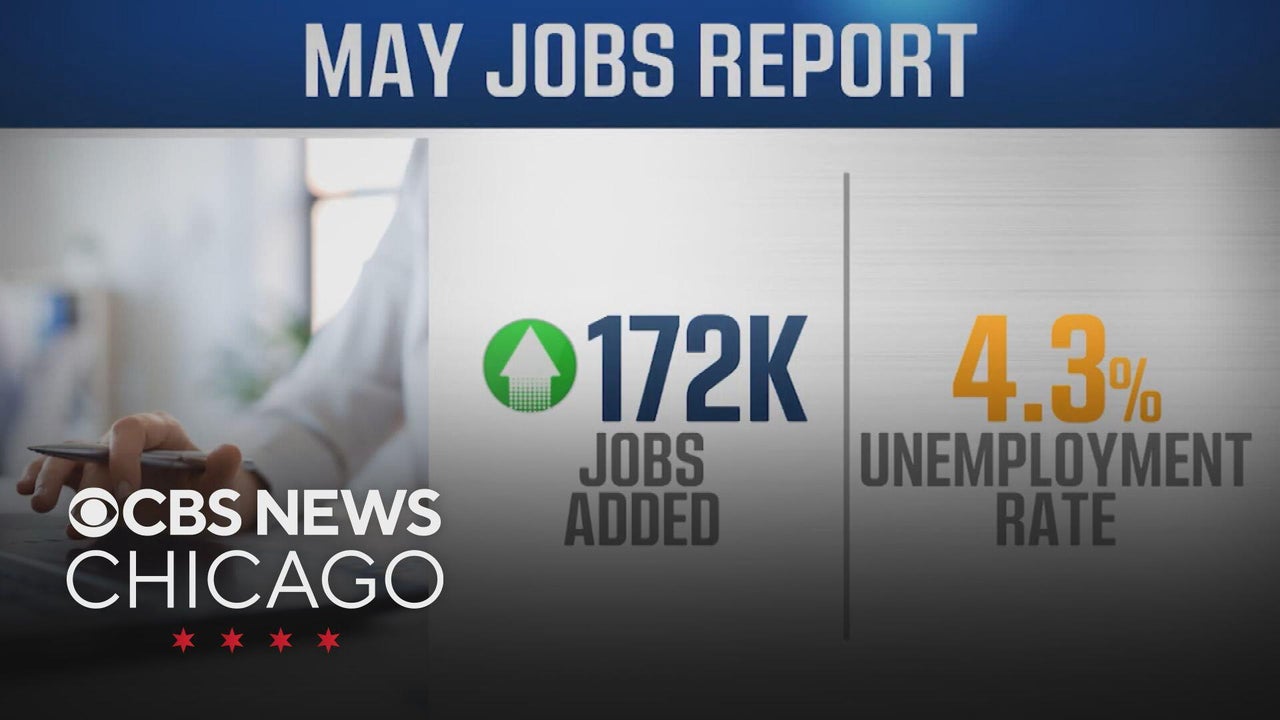
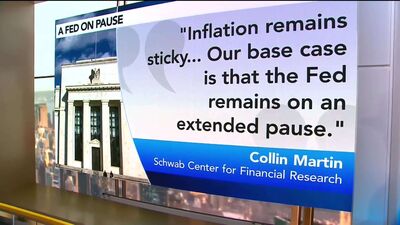
Federal Reserve rate hike expectations surged to 70% probability by December 2026 following stronger-than-expected June 2026 jobs data, fundamentally reshaping financing costs and currency dynamics for cross-border e-commerce sellers. The 2-year Treasury yield fell 9 basis points to 4.153% while the 10-year rose 14 basis points to 4.55%, steepening the yield curve to 39.4 basis points—a critical signal that short-term borrowing costs will rise sharply if the Fed acts.
For cross-border sellers, this rate environment creates three immediate financial pressures: First, working capital financing costs are accelerating. Sellers relying on inventory loans, purchase order financing, or invoice factoring will face APR increases of 150-300 basis points within 6 months as lenders price in Fed rate hikes. A seller with $500K in outstanding inventory financing at current 8-10% rates could see costs jump to 9.5-13% by Q4 2026—adding $7,500-$15,000 in annual financing expense. Second, currency volatility is intensifying. The steepening yield curve signals capital flows toward higher-yielding US assets, strengthening the USD against EUR, GBP, and CNY. Sellers importing from Asia or selling into EU markets face 3-5% FX headwinds on gross margins if unhedged. Third, consumer spending is contracting. Rising rates reduce discretionary purchasing power, particularly impacting electronics, home goods, and apparel categories where cross-border sellers concentrate. Historical data shows 25-basis-point rate increases correlate with 2-3% e-commerce demand declines within 60-90 days.
Immediate financial optimization opportunities exist for sellers acting now: Lock in fixed-rate financing before July 2026 through trade finance providers (Stripe Capital, Shopify Capital, Clearco) offering 6-12 month terms at current 8-10% rates. Implement FX hedging strategies on EUR/USD and GBP/USD exposure—forward contracts cost 50-100 basis points but protect 3-5% margin compression. Accelerate inventory turnover by 15-20% to reduce working capital needs and exposure to rate increases. Sellers with 90+ days cash conversion cycles should prioritize supply chain financing (dynamic discounting, supply chain factoring) to compress cycles to 30-45 days, reducing peak financing needs by 30-40%. Consider shifting payment methods to lower-cost corridors: ACH transfers to US suppliers cost 0.5-1% vs. wire transfers at 1-2%, and international payment providers (Wise, OFX) offer 0.5-1.5% rates vs. bank transfers at 2-3% for cross-border payments.
Questions 7
How should I adjust inventory strategy given rising interest rates and contracting consumer demand?
Rising rates historically correlate with 2-3% e-commerce demand declines within 60-90 days, particularly in discretionary categories (electronics, home goods, apparel). Reduce inventory holding periods by 15-20% through faster turnover strategies: increase promotional velocity, optimize SKU mix toward faster-moving items, and reduce safety stock by 10-15%. Compress your cash conversion cycle from 90+ days to 30-45 days using supply chain financing (dynamic discounting, supply chain factoring) to reduce peak working capital needs by 30-40%. This directly reduces exposure to higher financing costs. Monitor category-specific demand trends weekly and adjust purchase orders accordingly.
Which payment methods offer the lowest costs for cross-border transactions as rates rise?
As financing costs increase, payment method selection becomes critical. ACH transfers to US suppliers cost 0.5-1% vs. wire transfers at 1-2%. For international payments, Wise and OFX offer 0.5-1.5% rates vs. 2-3% for traditional bank transfers—saving $500-1,500 monthly on $100K in monthly cross-border payments. Consolidate payments to reduce transaction frequency and negotiate volume discounts with payment providers. For suppliers offering early payment discounts (2/10 net 30), calculate the annualized return: a 2% discount for 20 days early payment equals ~36% annualized return, which exceeds even post-hike financing costs of 10-13%.