




Oil Supply Crisis & Logistics Cost Surge | Critical Impact on Cross-Border Sellers Through June 2025
- Strait of Hormuz closure threatens 20% of global oil flows; shipping costs projected to spike 25-40% by June 2025, directly impacting FBA fees and 3PL fulfillment rates for sellers across all categories






Overview
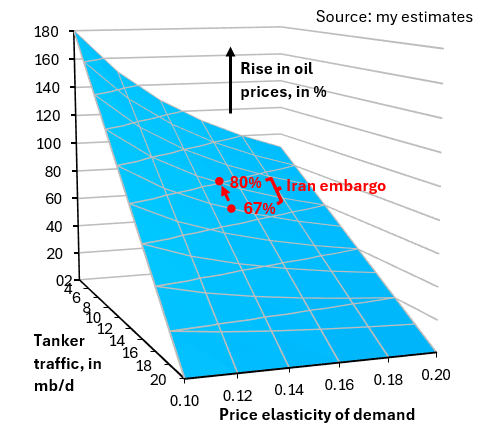
The Strait of Hormuz closure triggered by Iran's actions represents a critical supply shock that will cascade through global e-commerce logistics networks by June 2025. According to IntelliNews analysis, global oil inventories will approach operational minimums within months, with the system experiencing "operational stress" characterized by extreme price volatility and minimal supply chain flexibility. Current commercial oil inventories of approximately 1.7 billion barrels will deplete at current consumption rates, while the world oil system requires a minimum operational floor of 6.8 billion barrels to function. The critical "tank bottoms" moment—when practical commercial storage becomes unreliable—is expected to trigger a bidding war and potential oil price spikes to $150+ per barrel by mid-to-late June 2025, compared to current WTI crude at $90.54 per barrel for July delivery.
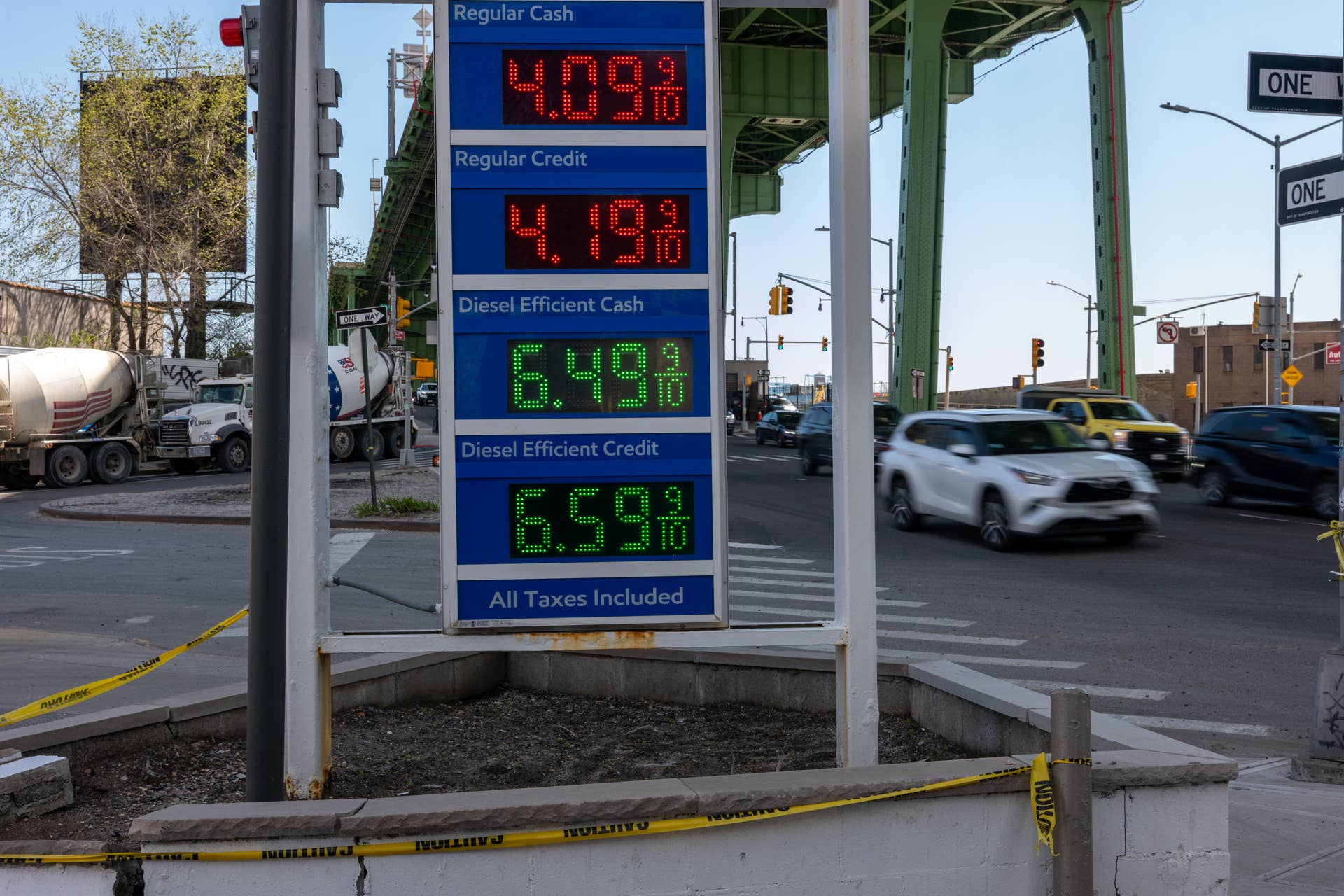
For cross-border e-commerce sellers, this translates directly to fulfillment cost increases of 25-40% within 4-6 months. Amazon FBA fees, which are partially indexed to fuel surcharges, will likely increase 8-15% across all weight tiers. Sellers using 3PL providers face even steeper increases, with parcel carriers (FedEx, UPS, DHL) historically raising fuel surcharges 2-3% for every $10/barrel oil price increase. A jump from $90 to $150 per barrel represents a potential $60/barrel swing, translating to 12-18% carrier surcharge increases. This disproportionately impacts sellers in high-volume categories (electronics, home goods, apparel) where logistics represent 15-25% of COGS. Sellers shipping from China/Vietnam to US/EU markets face the highest exposure, as ocean freight rates are directly tied to bunker fuel costs, with potential increases of 30-50% on transpacific routes.
Strategic sourcing shifts are already underway. Sellers should expect nearshoring acceleration as Mexico, Vietnam, and India become more cost-competitive relative to China for US-bound inventory. The 3-month normalization window (even if Strait closure ends immediately) creates a June-August 2025 supply crunch window where sellers with pre-positioned inventory gain significant competitive advantages. Government fuel subsidies in several countries are artificially suppressing demand response, but this support is unsustainable—expect subsidy removal by Q2 2025, which will trigger demand destruction and margin compression across discretionary categories. The Trump administration's statements about resolving the Iran conflict have dampened futures price increases, but industry leaders privately expressed concerns about mid-to-late June supply constraints, suggesting the market is underpricing the crisis severity.
Questions 8
What actions should I take immediately vs. by May 2025 vs. by June 2025?
**Immediate (January-February 2025)**: Audit current supplier mix and shipping routes; identify top 20% of SKUs by volume and profitability; begin nearshore supplier qualification (Vietnam, Mexico). **By March 2025**: Finalize nearshore supplier agreements for 20-30% volume allocation; lock in 3PL rates through Q3 2025; build 30-day safety stock buffer. **By April 2025**: Increase inventory purchases 40-60% above normal levels; implement 5-8% price increases for May launch; communicate supply chain updates to customers. **By May 2025**: Complete 60-90 day safety stock build; lock in ocean freight rates; prepare for June price volatility. **June 2025 onwards**: Monitor WTI crude daily; adjust pricing weekly if needed; prioritize high-margin SKUs; consider temporary category restrictions if margins compress below 20%.
Will government fuel subsidies prevent oil prices from spiking to $150 per barrel?
Government fuel subsidies in several countries are currently artificially suppressing demand response, but this support is unsustainable. Expect subsidy removal by Q2 2025, which will trigger demand destruction and margin compression across discretionary categories. The Trump administration's statements about resolving the Iran conflict have dampened futures price increases, but industry leaders privately expressed concerns about mid-to-late June supply constraints, suggesting the market is underpricing crisis severity. Even with subsidies, the physical supply shortage (1.7 billion barrels depleting within months) will force prices higher. Plan conservatively assuming $130-150/barrel by June, not the current $90.54 level. Subsidies may delay the spike by 2-4 weeks but won't prevent it entirely.