



Albania Luxury Resort Development Sparks $1.4B Investment Opportunity Amid Environmental Backlash
- $1.4-5B Balkans infrastructure project creates supply chain and tourism merchandise opportunities for cross-border sellers despite regulatory uncertainty










Overview
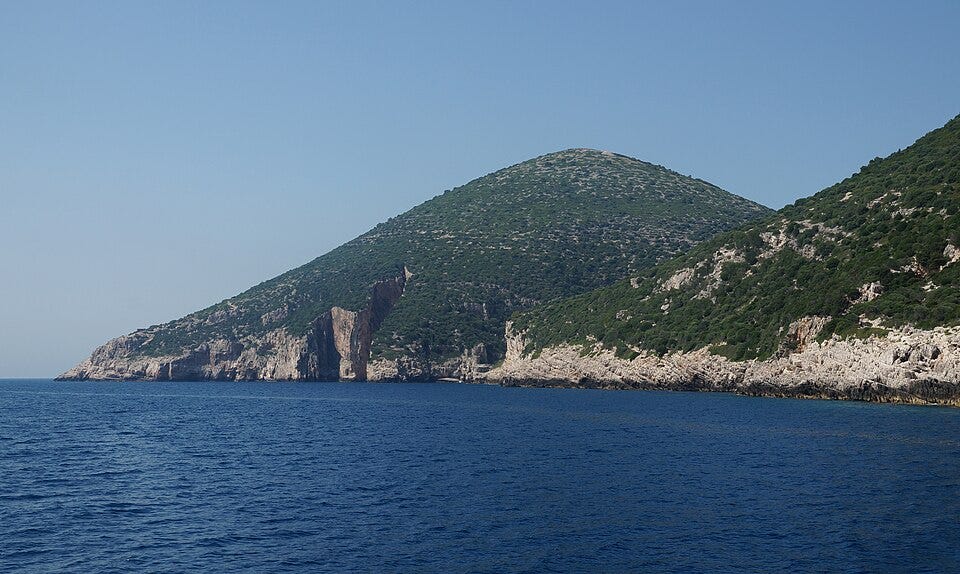
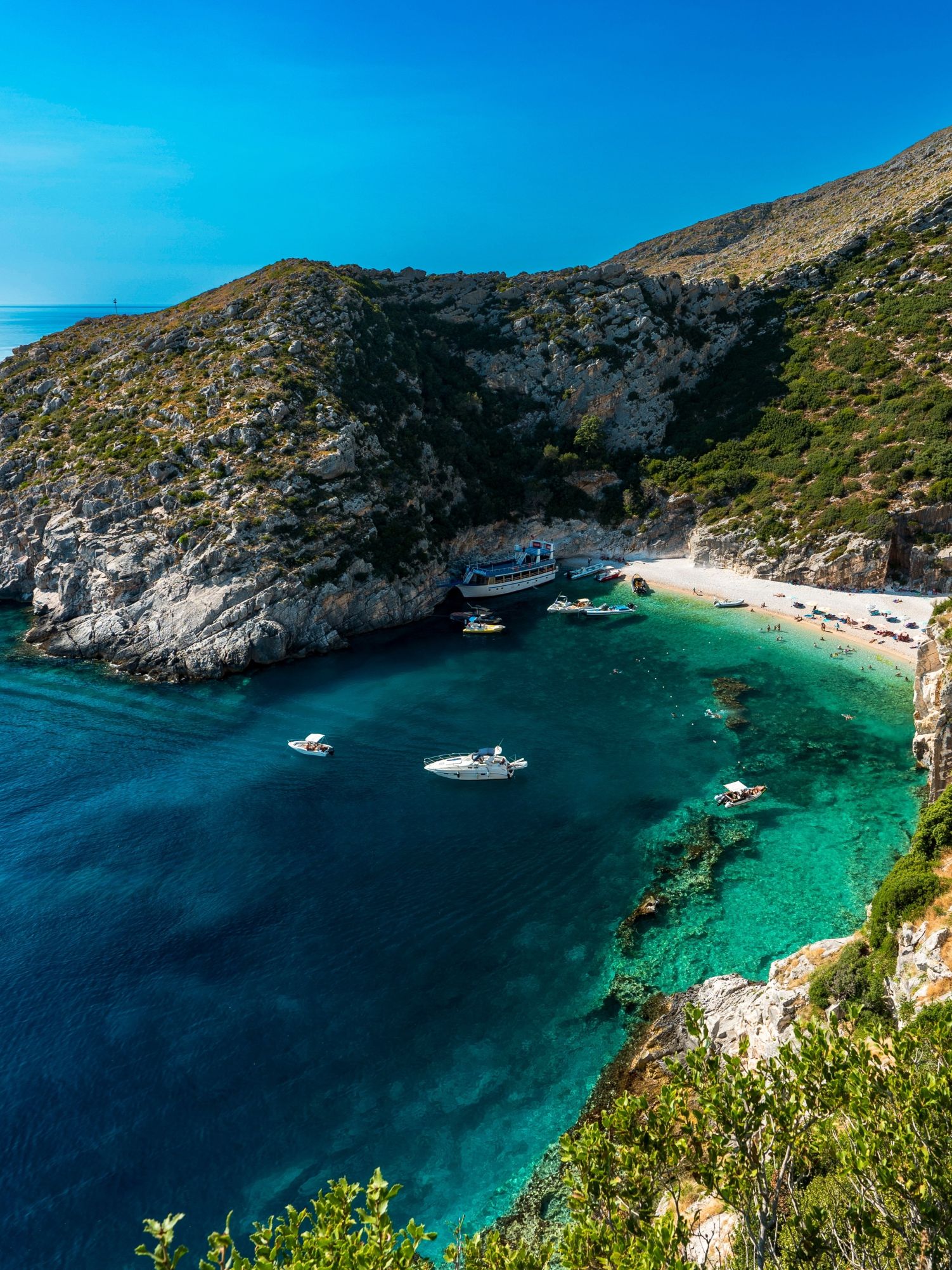
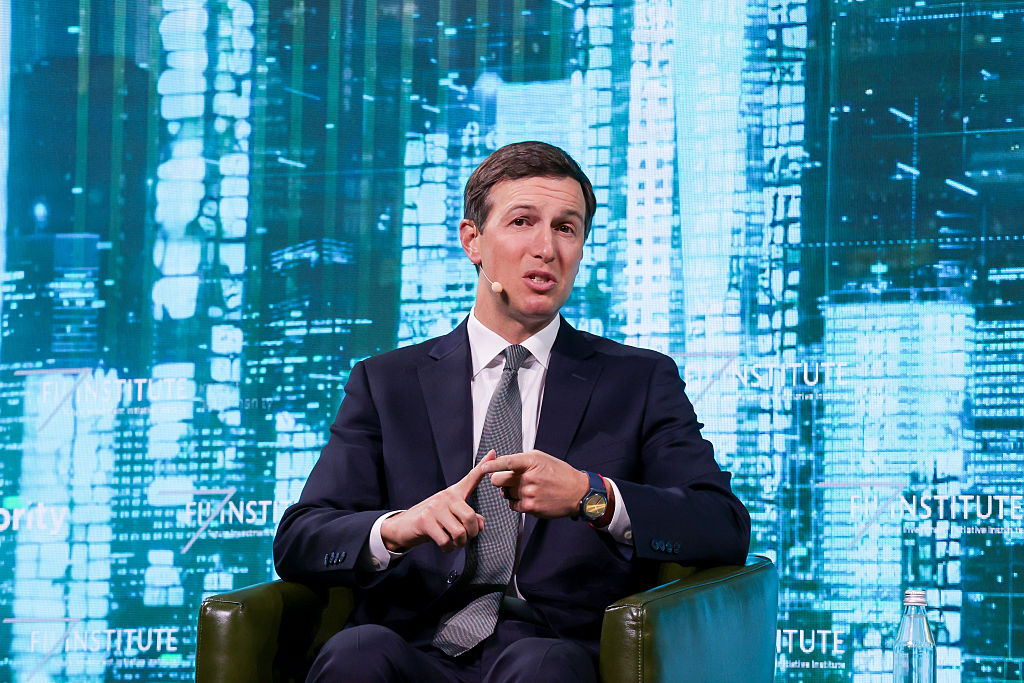
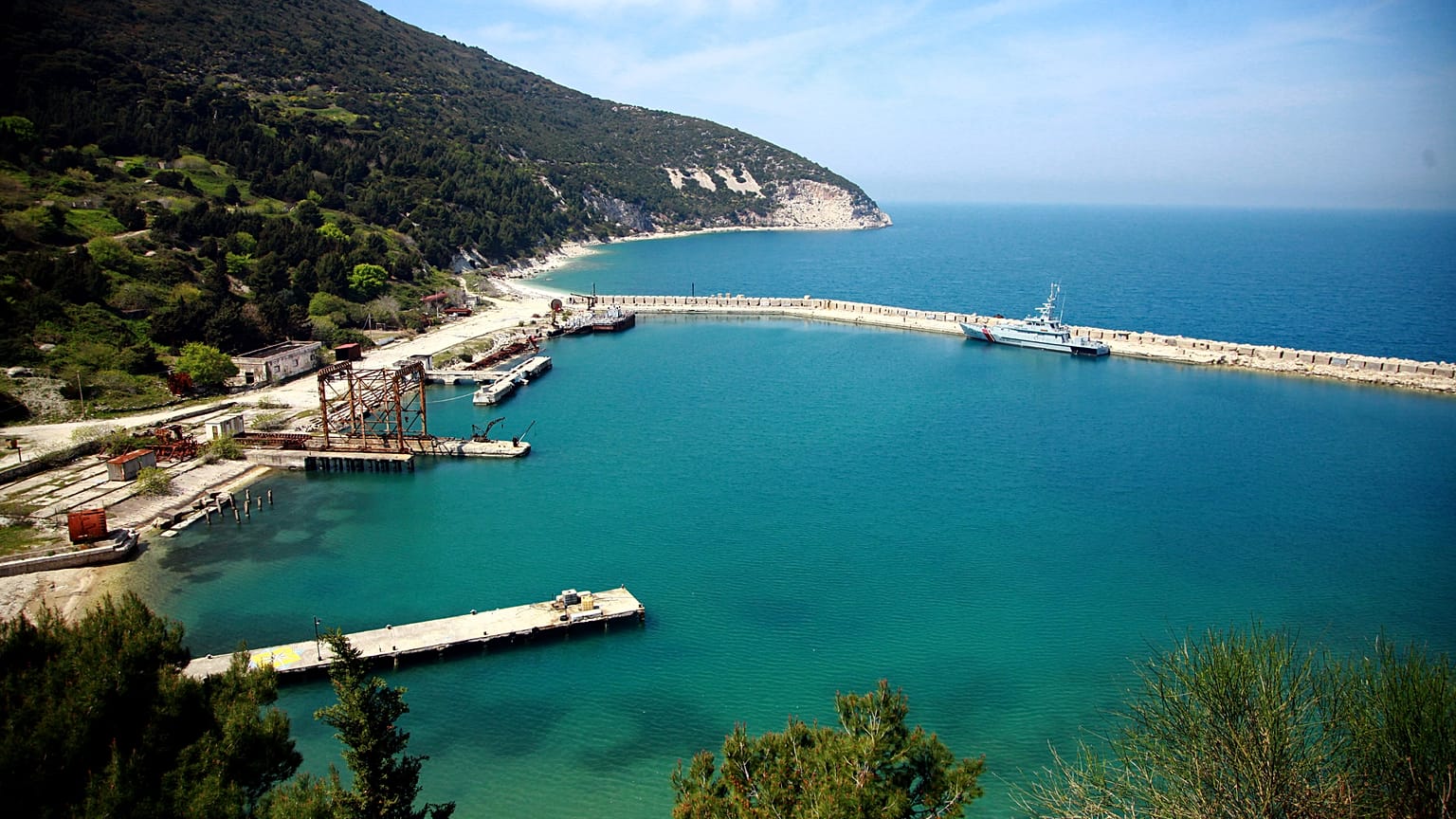
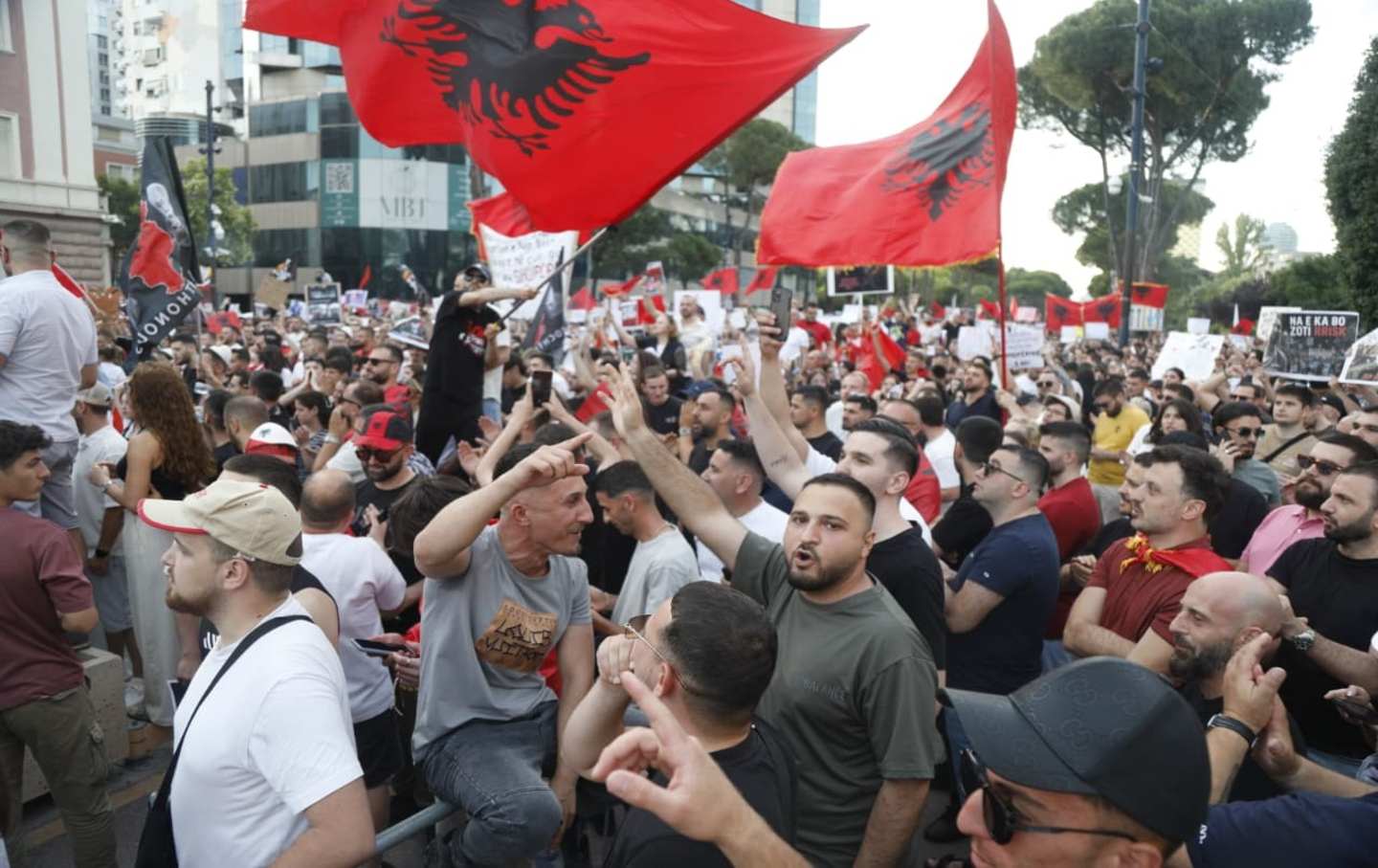
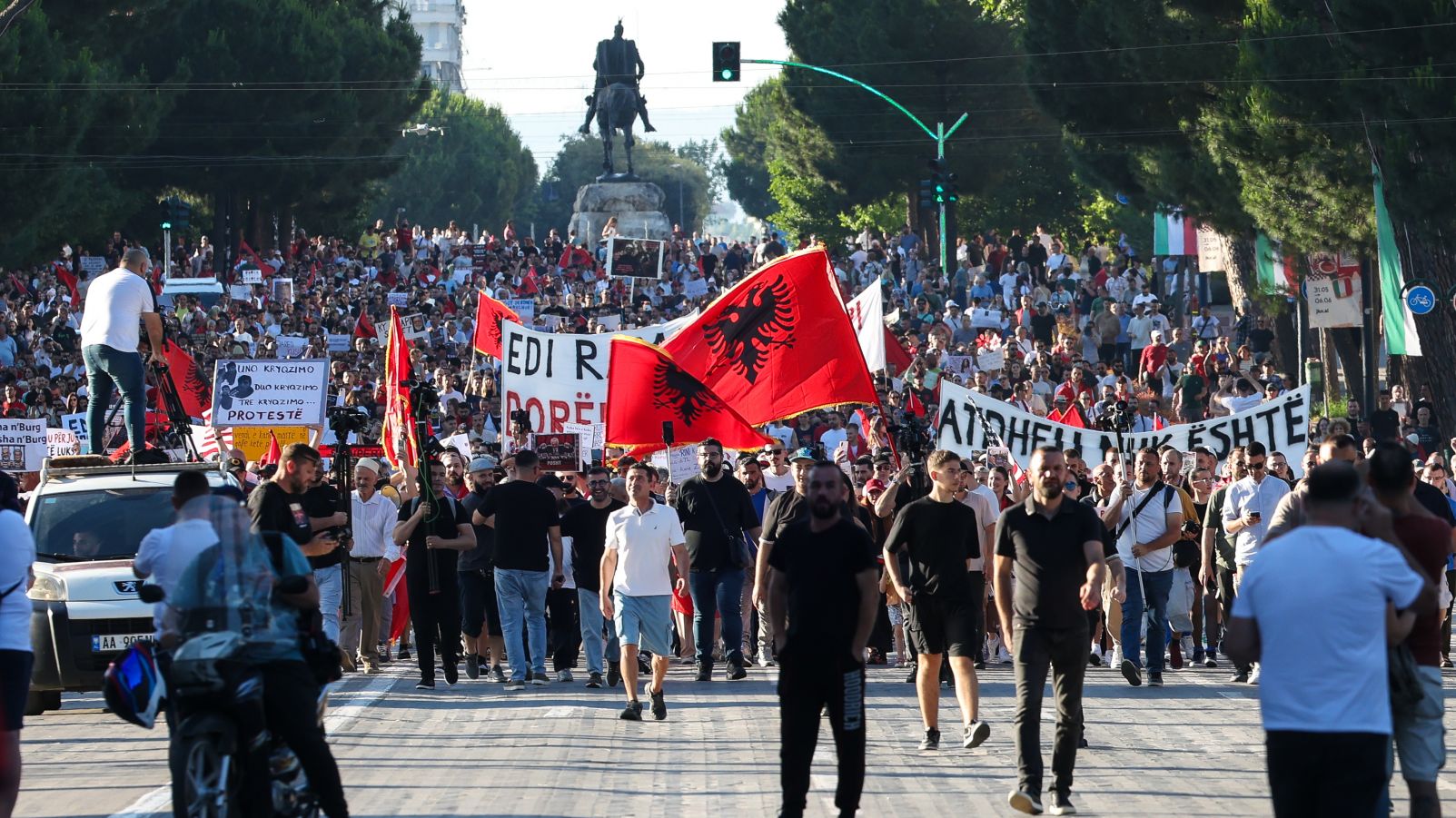
The $1.4 billion luxury resort development in Albania backed by Jared Kushner's Affinity Partners and involving Ivanka Trump represents a significant infrastructure investment in the Balkans region with substantial implications for cross-border e-commerce sellers. According to Prime Minister Edi Rama's June 8, 2026 Reuters interview, the project near the Vjosa-Narta protected wetland area is proceeding despite thousands of protesters adopting inflatable pink flamingos as movement symbols. The broader development scope, including nearby Sazan Island, could reach $5 billion in combined investments with portions potentially opening before decade's end.
For cross-border sellers, this infrastructure boom creates multiple merchandise and market opportunities. The massive construction and hospitality project will drive demand for luxury goods, resort amenities, and tourism-related products across multiple categories. Sellers specializing in home décor, outdoor furniture, hospitality supplies, and premium bedding can target the resort's estimated 500+ room inventory and associated facilities. Additionally, the project's high-profile nature and environmental controversy have generated significant media attention, creating viral merchandise opportunities—similar to how protest movements drive demand for symbolic products (the inflatable flamingo movement itself represents a $2-8M potential merchandise category across novelty items, apparel, and collectibles on platforms like Amazon, eBay, and Shopify).
The regulatory environment presents both risk and opportunity for sellers. Albania's pending environmental impact assessment and European Commission oversight create compliance complexity but also signal market opening. The project's timeline—with portions opening before 2030—indicates a 3-5 year window for sellers to establish supply chains serving the resort's operational needs. Sellers should monitor Albania's trade policy evolution, as EU integration pressures may create tariff advantages for European suppliers while opening the Balkans market to broader cross-border commerce. The project's $1.4B initial investment will require furnishings, technology infrastructure, and hospitality supplies—categories where Asian and European sellers can compete for contracts through B2B platforms and direct supplier relationships.
Strategic sellers should position for three distinct market phases: (1) Construction phase (2026-2028): demand for industrial supplies, equipment, and logistics services; (2) Pre-opening phase (2028-2029): hospitality furnishings, décor, and operational inventory; (3) Post-opening phase (2029+): ongoing tourism merchandise, luxury goods, and resort-specific products. The environmental controversy itself creates a secondary merchandise opportunity—eco-conscious tourism products, sustainable hospitality supplies, and environmental advocacy merchandise targeting the growing segment of consumers concerned with responsible tourism.
Questions 7
What compliance requirements should sellers anticipate for Albania market entry?
Albania's EU integration pathway requires compliance with European standards for product safety, environmental labeling, and customs documentation. The pending environmental impact assessment suggests stricter oversight of supply chain sustainability practices. Sellers should prepare for: (1) EU customs classification (HS codes) for furniture and hospitality products; (2) CE marking requirements for electrical/safety products; (3) VAT registration if selling directly to the resort developer (standard rate ~20%); (4) Environmental compliance certifications for sustainable product claims. The project's regulatory complexity creates a 6-month compliance window (Q4 2026-Q2 2027) before major procurement cycles begin. Sellers lacking EU compliance infrastructure should partner with established distributors or 3PL providers with Balkans experience.
How does this project compare to other Balkans infrastructure investments for seller opportunities?
The $1.4-5B Albania resort project is one of the largest private infrastructure investments in the Balkans region, comparable to major hotel developments in Croatia and Serbia. Unlike those projects, this development faces significant environmental and political opposition, which creates both risk (regulatory delays) and opportunity (differentiation through sustainability). Sellers should benchmark against similar projects: the Adriatic Luxury Hotels development in Croatia (2015-2020) generated $200-400M in supply chain spending across furnishings, technology, and operational inventory. The Albania project's larger scale and longer timeline (2026-2030+) suggest proportionally higher supply chain opportunities. However, the regulatory uncertainty means sellers should diversify across multiple Balkans markets rather than concentrating solely on this project.