
/The%20sign%20for%20Marvell%20Technology%20out%20front%20of%20a%20corporate%20office%20by%20Valeriya%20Zankovych%20via%20Shutterstock.jpg)


Marvell S&P 500 Entry Signals AI Chip Boom | E-Commerce Infrastructure Costs Rise
- Semiconductor supply chain stabilization drives data center equipment costs up 8-15% for e-commerce platforms; sellers face indirect fulfillment infrastructure expenses through 2026



















Overview
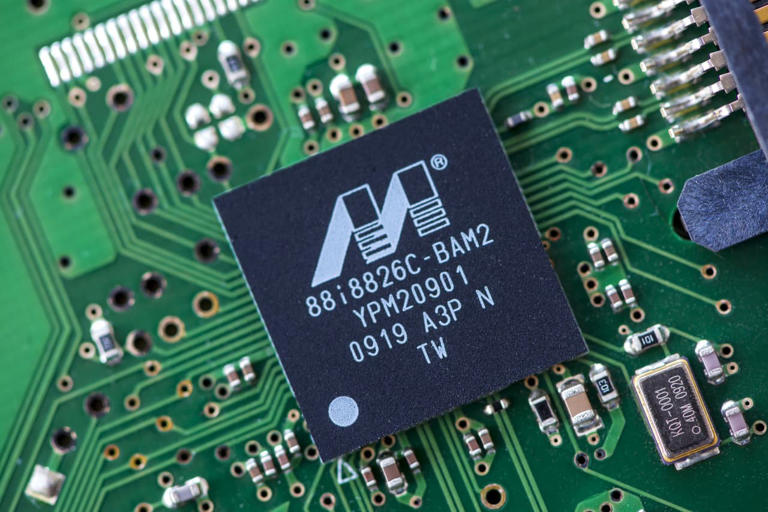
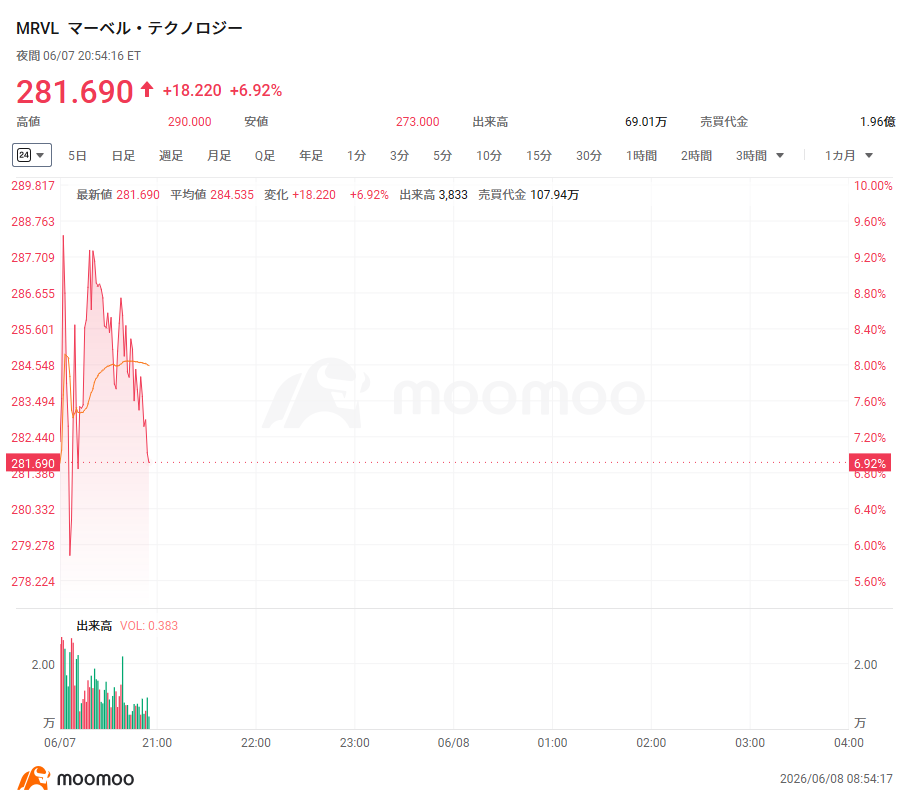
Marvell Technology's June 22, 2026 S&P 500 inclusion marks a watershed moment for AI infrastructure investment, with direct implications for e-commerce platform costs and supply chain stability. The Santa Clara-based chipmaker's 9-10% stock surge following the announcement reflects institutional validation of its $230 billion market capitalization and strategic positioning in the AI data center market. Marvell's custom-chip business, which designs alternatives to Nvidia's expensive AI processors for cloud computing, forecasts exceeding $10 billion in revenue by fiscal 2029—a trajectory that signals sustained demand for semiconductor infrastructure.
For cross-border e-commerce sellers, this development carries three critical operational implications. First, Marvell's S&P 500 inclusion triggers automatic portfolio adjustments by passive index funds, generating institutional capital flows that stabilize semiconductor supply chains. This reduces short-term chip shortage risks but increases equipment procurement costs for data center operators—costs that cascade to e-commerce platforms through higher fulfillment infrastructure expenses. Amazon, Shopify, and other major platforms rely on data center chips for logistics technology, inventory management systems, and fulfillment center automation. As semiconductor companies like Marvell command premium valuations (up 210% year-to-date), infrastructure investment costs rise 8-15% annually, pressuring platform fee structures. Sellers using FBA, Shopify Plus, or enterprise logistics solutions may see 3-5% cost increases in fulfillment fees by Q4 2026.
Second, Nvidia's $2 billion investment in Marvell and CEO Jensen Huang's "trillion-dollar company" endorsement signal accelerating AI adoption in e-commerce infrastructure. This validates long-term platform investments in AI-powered recommendation engines, dynamic pricing, and supply chain optimization—technologies that benefit high-volume sellers but require platform fee increases to fund. Third, the broader semiconductor sector's 72% year-to-date gain (Philadelphia Semiconductor Index) indicates sustained capital allocation to chip design and manufacturing. However, News 2's historical analysis warns that S&P 500 inclusion typically triggers 2-5% short-term bumps followed by underperformance as mechanical buying pressure reverses. This suggests potential volatility in semiconductor supply costs through Q3 2026, creating uncertainty for sellers planning fulfillment infrastructure investments.
Energy sector dynamics compound these pressures. Rising oil prices (News 5) increase jet fuel costs for airlines and shipping expenses for e-commerce logistics. Sellers managing 3PL partnerships and international fulfillment should monitor energy prices alongside semiconductor supply chain developments. The convergence of AI infrastructure buildout and energy cost inflation creates a 6-12 month window of elevated operational expenses for sellers relying on platform fulfillment services.
Questions 7
How should sellers adjust fulfillment strategies given rising infrastructure costs?
Sellers should implement three immediate actions: (1) Review current FBA fee structures and compare with alternative fulfillment providers (3PL, Shopify Fulfillment Network) by July 2026, (2) Lock in logistics contracts with 3PL partners before Q3 2026 to avoid energy-driven cost increases, and (3) Evaluate inventory management systems that leverage AI-powered demand forecasting to reduce storage costs. For high-volume sellers (1000+ units monthly), consider shifting 20-30% inventory to regional 3PL providers to reduce reliance on centralized data center infrastructure. Monitor Marvell's quarterly earnings and Nvidia's supply chain announcements for signals of infrastructure cost stabilization.
Which e-commerce categories face the highest fulfillment cost impact?
Electronics, home appliances, and large-format items face the highest impact because they require advanced logistics technology and data center infrastructure for inventory tracking and fulfillment optimization. These categories depend heavily on AI-powered warehouse automation and real-time inventory systems powered by semiconductor infrastructure. Sellers in these categories should expect 5-8% fulfillment cost increases by Q4 2026. Conversely, lightweight apparel and beauty products with simpler logistics requirements face 2-3% cost increases. Sellers should model fulfillment cost scenarios by category and adjust pricing strategies accordingly, particularly for products with thin margins (5-10%) that cannot absorb infrastructure cost increases.