



Summer Market Volatility & Fed Rate Hikes | Cross-Border Seller Financing Impact 2024
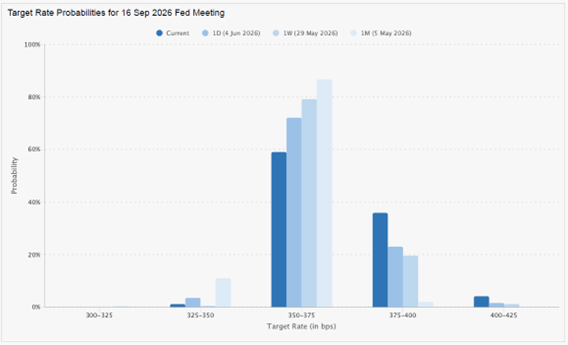
- May jobs report (172K positions) signals Fed rate hike risk; affects seller borrowing costs, payment processing fees, and working capital availability across Amazon, Shopify, eBay platforms













Overview
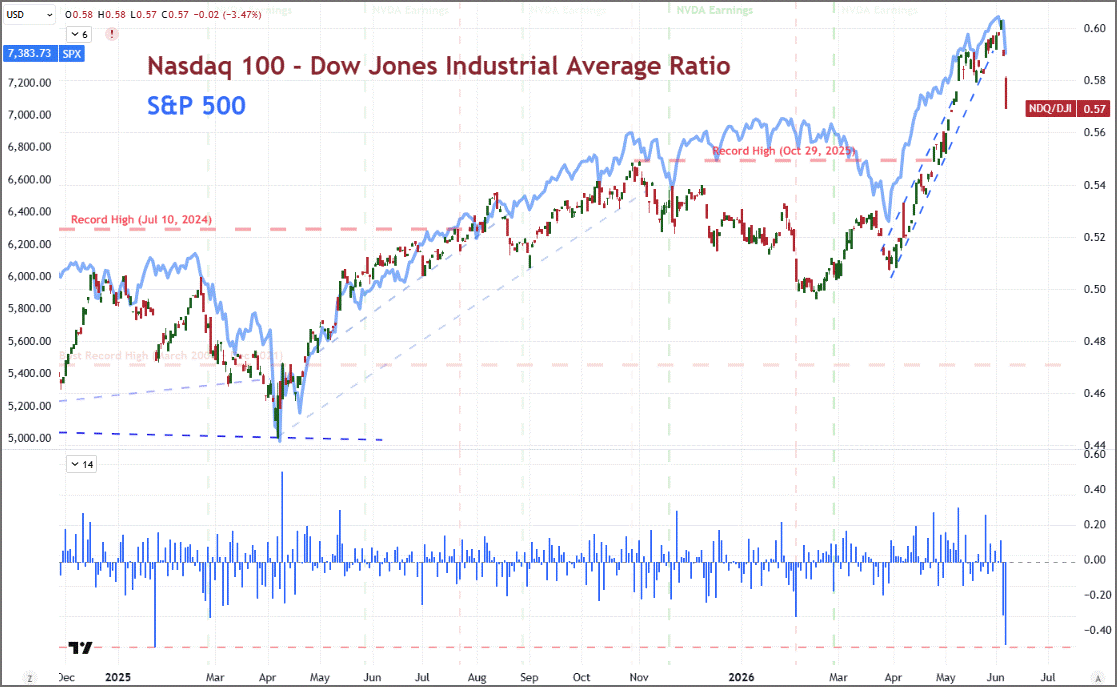
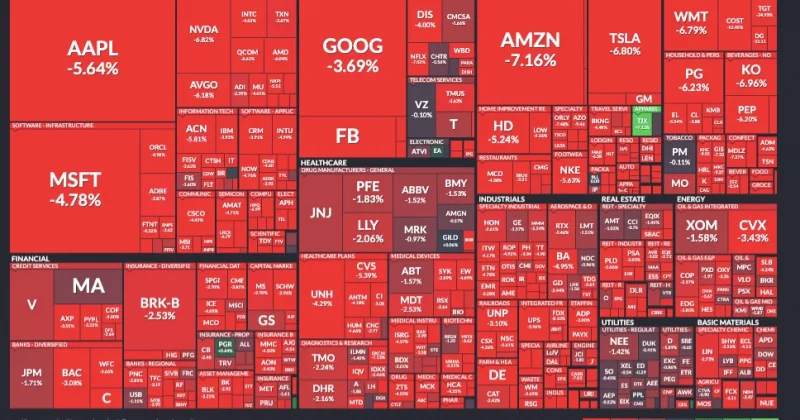
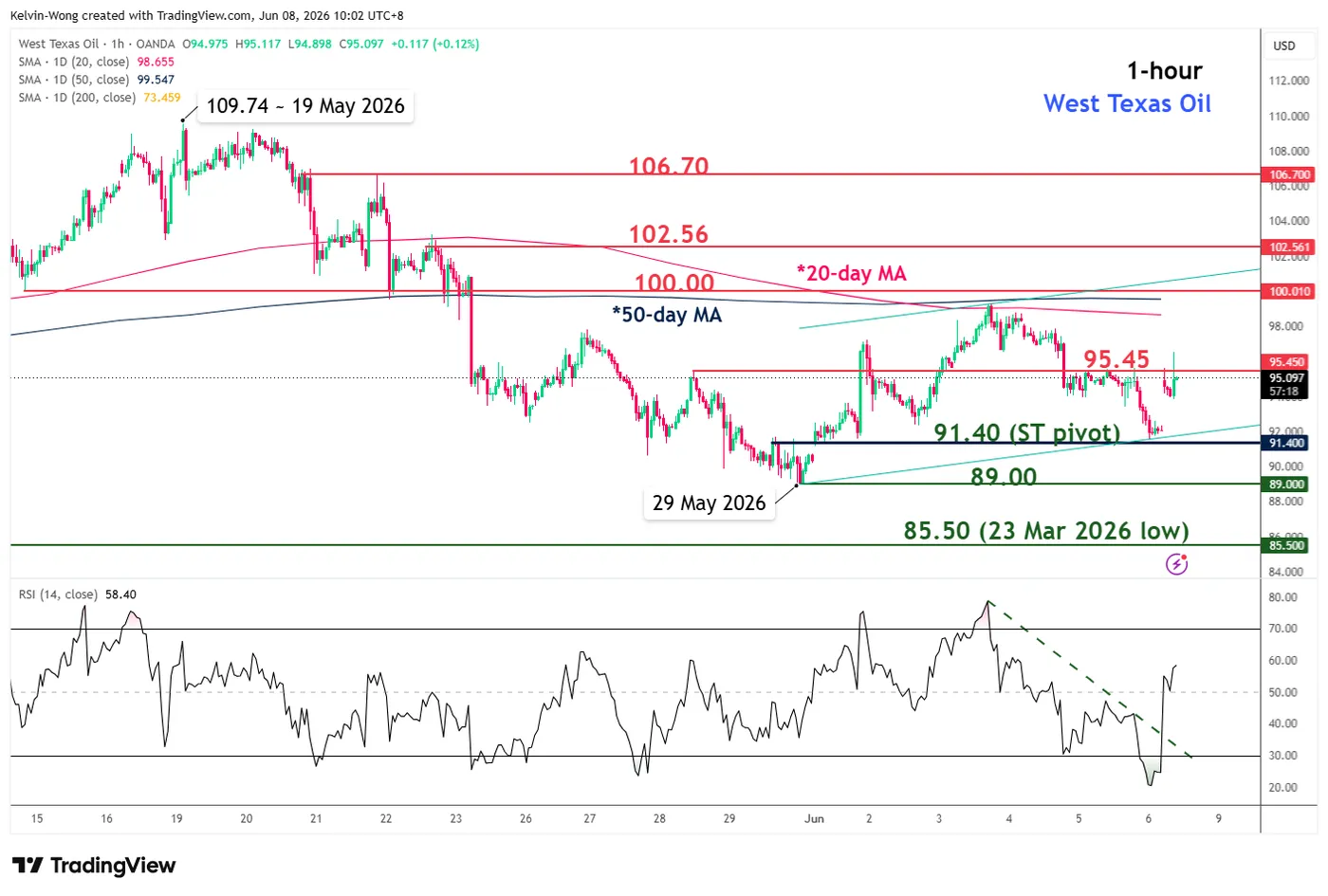
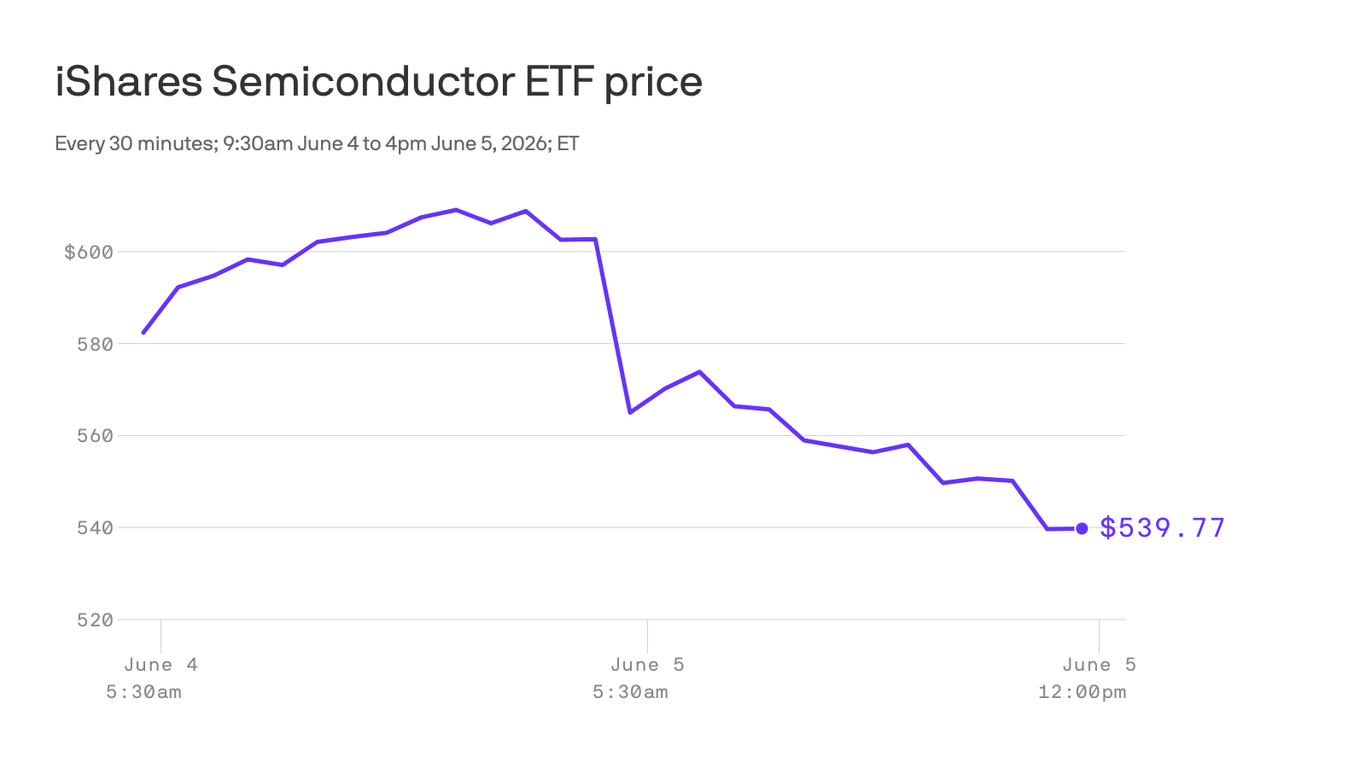
Market volatility driven by strong employment data (May jobs report: 172,000 new positions) is creating immediate financing headwinds for cross-border e-commerce sellers. The article highlights S&P 500 and Nasdaq fluctuations alongside concerns about potential Federal Reserve rate hikes, which directly impact seller access to capital and payment processing economics. With AI sector volatility, chip stock swings, and geopolitical tensions (US-Iran) creating market uncertainty, sellers face a critical window to optimize their financial infrastructure before borrowing costs rise.
For cross-border sellers, the financing implications are immediate and quantifiable. Fed rate hike expectations typically increase short-term borrowing costs by 50-100 basis points within 4-6 weeks of announcement. This translates to:
- Invoice financing/factoring rates: Rising from 1.5-2.5% to 2.5-3.5% monthly (18-42% APR)
- Working capital loans: Increasing from 8-12% to 12-16% APR for sellers with <$5M revenue
- Payment processor fees: Stripe, PayPal, and Square may increase cross-border transaction fees by 0.25-0.5% as their own funding costs rise
- FX hedging costs: Currency forward premiums expanding 15-25% as volatility increases
The employment data (172K jobs added) signals labor market strength, which paradoxically pressures sellers through two channels: (1) rising payment processing costs as fintech lenders face higher capital costs, and (2) increased consumer spending power in developed markets (US, EU) that may shift demand toward higher-margin categories (electronics, home goods, beauty) while depressing margins in commodity categories.
Immediate cash flow optimization becomes critical. Sellers should accelerate working capital strategies before rate hikes materialize: (1) Lock in invoice financing rates NOW at current 1.5-2.5% monthly before they rise to 2.5-3.5%; (2) Shift from Stripe/PayPal to lower-cost payment routes (ACH for US, SEPA for EU) to save 0.5-1.5% on transaction fees; (3) Evaluate Amazon Lending, Shopify Capital, and alternative lenders offering fixed-rate products before variable-rate products become standard; (4) Consider FX hedging for EUR/GBP/JPY exposure to lock in current rates before volatility premiums expand. The geopolitical tensions (US-Iran) add supply chain risk premium to shipping costs—sellers should pre-negotiate Q3-Q4 freight rates immediately to avoid 5-10% increases if tensions escalate.
Questions 8
How does market volatility impact my inventory financing options?
Market volatility reduces lender appetite for inventory-backed loans, typically increasing rates 1-2% and tightening advance rates (percentage of inventory value lenders will finance). Current advance rates average 60-70% of inventory value; post-volatility, expect 50-60%. For a seller with $500K inventory, this could reduce available financing by $50-100K. The strong employment data (172K jobs) paradoxically increases consumer spending power, which may shift demand toward higher-margin categories (electronics, home goods) while depressing commodity margins—sellers should rebalance inventory toward higher-margin SKUs before financing tightens.
What immediate actions should I take to protect my cash flow?
Lock in invoice financing rates (1.5-2.5% monthly) within the next 2-4 weeks before Fed announcements trigger rate increases. Evaluate Amazon Lending and Shopify Capital fixed-rate products versus variable-rate alternatives. Shift payment processing to lower-cost routes: ACH for US domestic, SEPA for EU, Wise for cross-border to save 0.5-1.5% on fees. Pre-negotiate Q3-Q4 freight rates with 3PLs to avoid 5-10% increases if geopolitical tensions escalate. Finally, conduct FX hedging for any currency exposure (EUR, GBP, JPY) to lock in current rates before volatility premiums expand 15-25%.